
Overview
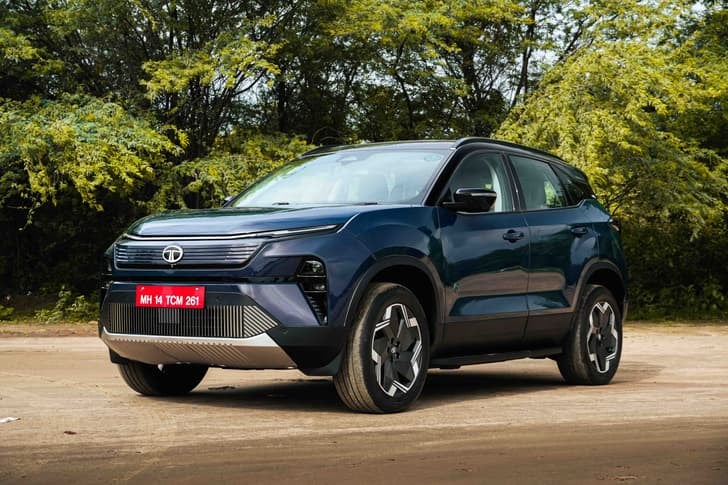
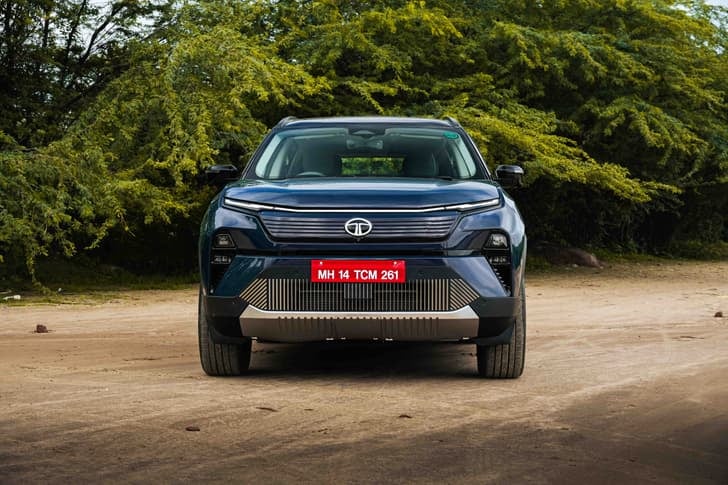
The Tata Harrier electric SUV is a flagship model for Tata Motors' electric vehicle line-up and is one of the most significant electric adaptations of an existing line-up in India. The new Harrier EV and the existing Harrier have similar designs and share a basic visual identity; however, the EV is much more than just a battery replacement. The Harrier EV is built on the Tata acti.ev+ architecture platform, has larger battery options, comes with all-wheel-drive on selected trims, and has a significantly stronger performance and technology proposition than the Harrier with an internal combustion engine (ICE). What really sets the Harrier EV apart is that it tries to combine several roles in one product. It is positioned as a family SUV, a long-range electric vehicle, and a more capable lifestyle SUV with off-road-oriented features. Tata has given it options like dual-motor Quad Wheel Drive, six terrain modes, boost mode, transparent mode, and off-road assist, which is unusual in this part of the EV market. That gives the Harrier EV a broader personality than many electric SUVs that focus only on city commuting and cabin tech.
Tata Harrier EV Specifications & Features
Tata Harrier EV Key Features
Tata Harrier EV Pricing & Variants
| Popular Variants | On-Road Price*in Mumbai |
|---|---|
Adventure 65 electric automatic | 23.21 Lakh |
Get The Best Used Cars In Your Budget
Tata Harrier EV Expert's Review
Compared to the other electric SUVs already released in India, the Tata Harrier EV feels like a more comprehensive and ambitious vehicle. Rather than focusing just on efficiency or futurism, it is trying to be a desirable premium SUV before anything else, and an EV second. The bigger reason the Harrier EV works is that it combines several strengths without feeling scattered. It looks substantial, offers a strong range, gets a high-end cabin, and adds capability features that actually help it stand out. It may not be the cheapest EV in the market, but it does feel like one of the more rounded ones if the buyer wants presence, comfort, and proper long-distance usability.
Exterior
Interior
Safety
Performance
Pros & Cons of Tata Harrier EV
Tata Harrier EV User's Review


Similar Used Suv Cars
Best Used Cars Under ₹30 L
Tata Harrier EV Colours
Tata Harrier EV Images & Videos
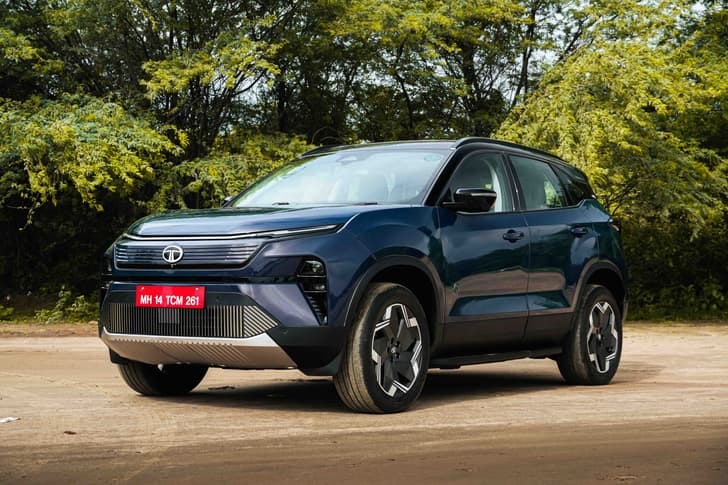
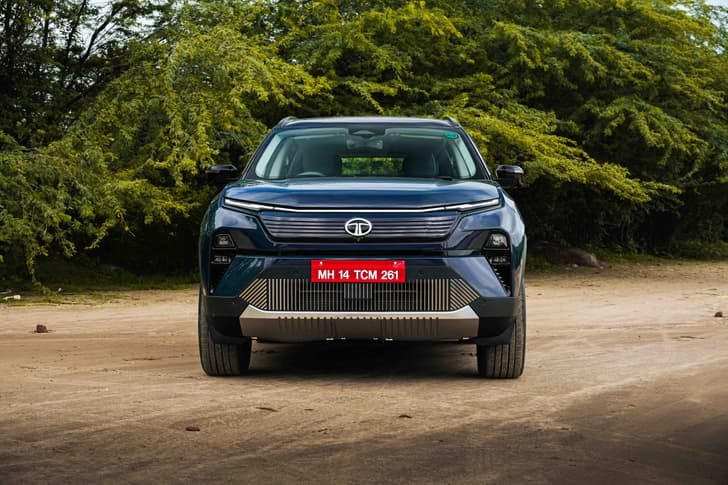
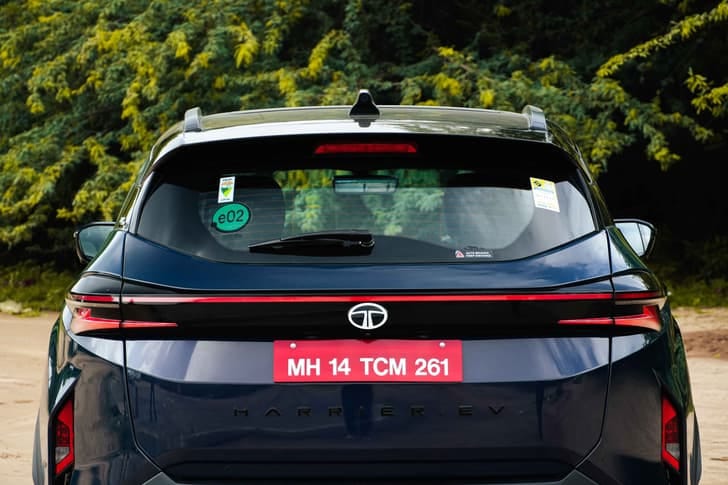
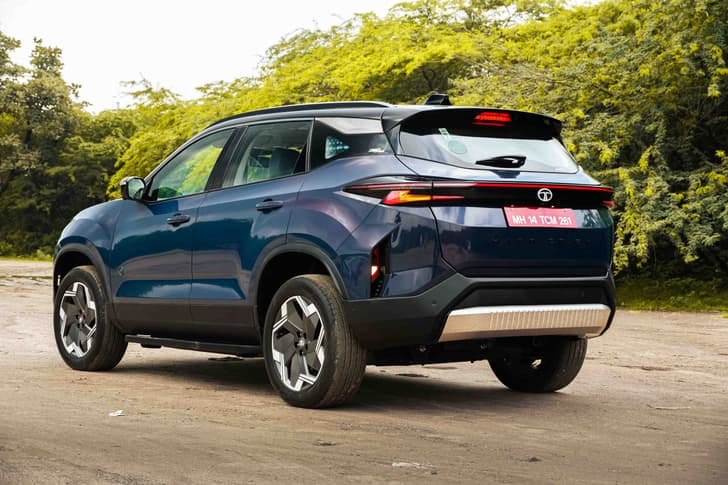
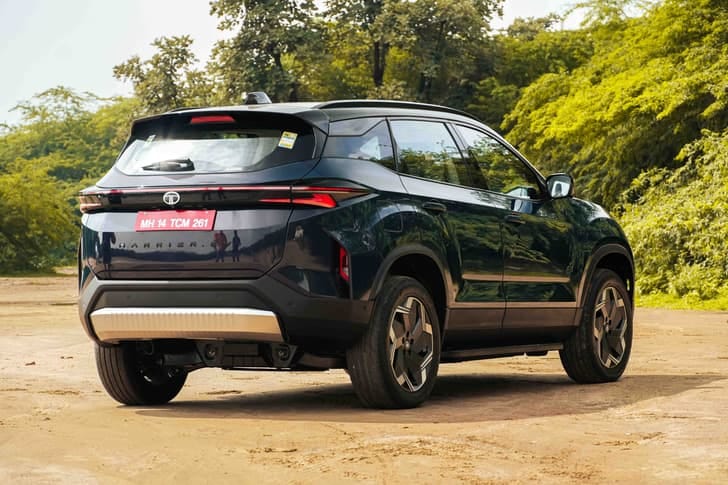
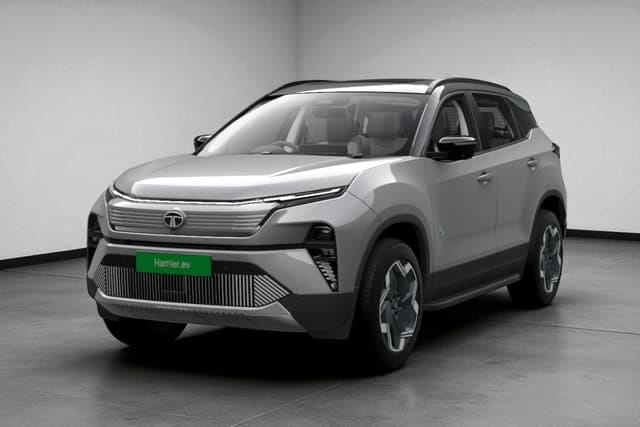
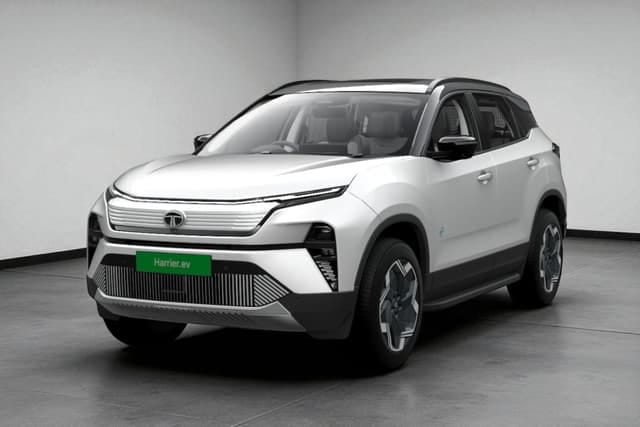
The Tata Harrier electric SUV is a flagship model for Tata Motors' electric vehicle line-up and is one of the most significant electric adaptations of an existing line-up in India. The new Harrier EV and the existing Harrier have similar designs and share a basic visual identity; however, the EV is much more than just a battery replacement. The Harrier EV is built on the Tata acti.ev+ architecture platform, has larger battery options, comes with all-wheel-drive on selected trims, and has a significantly stronger performance and technology proposition than the Harrier with an internal combustion engine (ICE). What really sets the Harrier EV apart is that it tries to combine several roles in one product. It is positioned as a family SUV, a long-range electric vehicle, and a more capable lifestyle SUV with off-road-oriented features. Tata has given it options like dual-motor Quad Wheel Drive, six terrain modes, boost mode, transparent mode, and off-road assist, which is unusual in this part of the EV market. That gives the Harrier EV a broader personality than many electric SUVs that focus only on city commuting and cabin tech.





Tata Harrier EV Latest Update
One of the most significant changes for the Harrier EV was when Tata Motors launched the Harrier EV in 2025. During the launch, they described the Harrier EV as being the most powerful and capable vehicle from India to date. The launch also showcased the Harrier EV’s 504 Nm of torque, dual motors, and 0-100 km/h acceleration in 6.3 seconds; as well as its battery size and technology packages. This launch cemented the Harrier EV's position at Tata Motors's flagship electric SUV. A major follow-up development was its 5-star Bharat NCAP rating. The Harrier EV scored a perfect 32.00 out of 32.00 for adult occupant protection and 45.00 out of 49.00 for child occupant protection, making it one of the strongest Bharat NCAP performers in the Indian market. The rating applies across a broad set of Harrier EV variants, and Bharat NCAP also notes that key safety-assist technologies such as ESC, curtain airbags, pedestrian protection, and seat belt reminders are standard across the range.
(∗)subject to certain terms and conditions.© 2026 Valuedrive Technologies Limited.
All rights reserved.
CIN : U74999HR2019PLC077781