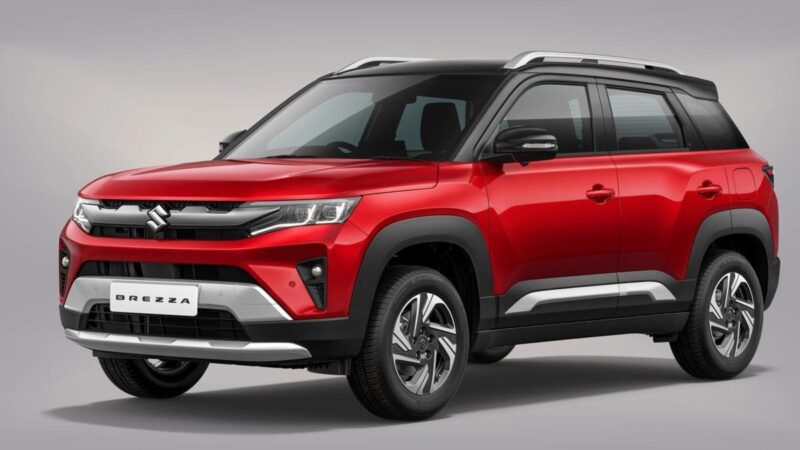
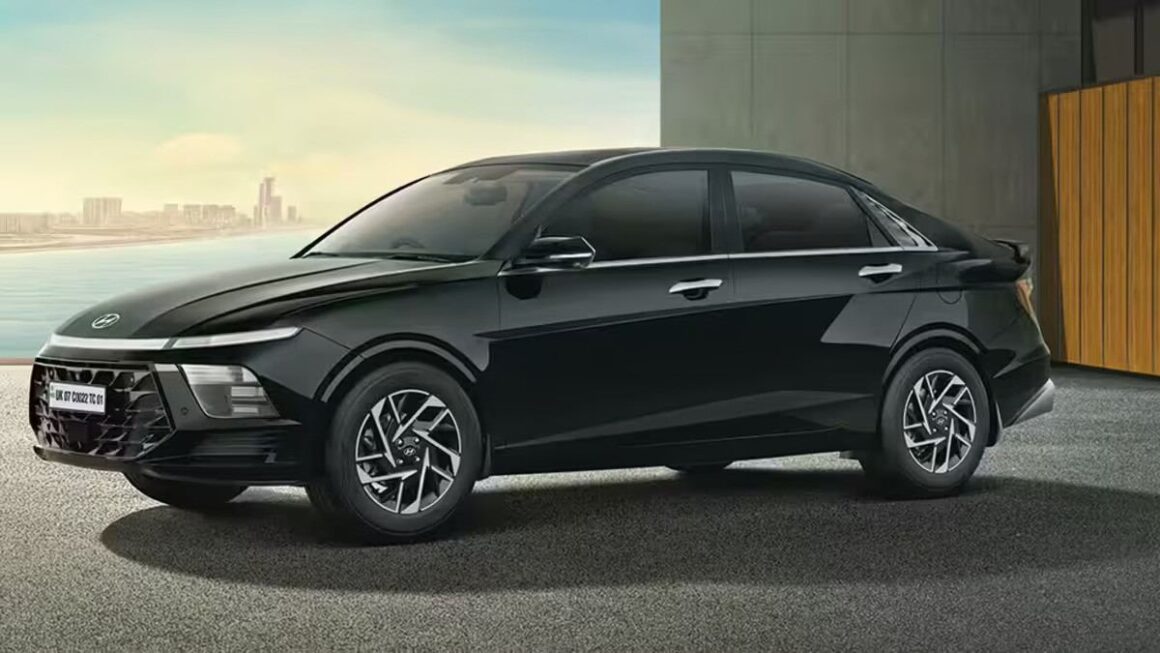
The main Hyundai Verna competitors in India are the Honda City, Volkswagen Virtus, and Skoda Slavia. The Honda City is the strongest alternative for buyers who prioritise rear-seat comfort and smooth everyday performance. The Volkswagen Virtus offers a sportier driving experience, while the Skoda Slavia combines turbocharged performance with comfortable road manners.
The Hyundai Verna is available with two 1.5-litre petrol engines. The naturally aspirated engine is paired with a manual or IVT automatic, while the more powerful turbo-petrol gets manual and dual-clutch automatic options.
Its wide cabin, long wheelbase and extensive feature list make it suitable for both family and personal use. Higher variants offer dual digital displays, ventilated and heated front seats, Bose audio, connected technology, a sunroof, a rear sunshade and Level 2 ADAS.
The turbo-petrol Verna is one of the quickest sedans in its segment. However, buyers who prefer hybrid efficiency, a more engaging chassis or better ground clearance should also consider its closest rivals.
Table of Contents
Quick Summary
- The Honda City is the strongest comfort-focused Hyundai Verna alternative.
- The City offers a smooth naturally aspirated petrol engine with manual and CVT options.
- The Honda City e:HEV delivers significantly better city mileage than conventional petrol sedans.
- The Volkswagen Virtus is better suited to enthusiastic drivers.
- The Virtus offers 1.0-litre and 1.5-litre turbo-petrol engines.
- The Skoda Slavia shares its engines and platform with the Virtus.
- The Slavia has slightly more comfort-focused road manners than the Virtus.
- The Hyundai Verna turbo offers the strongest outright acceleration in this comparison.
- The Verna also provides one of the richest comfort and technology packages.
- The City remains an excellent choice for chauffeur-driven owners and rear-seat passengers.
- The Virtus and Slavia offer higher ground clearance than the Verna and City.
- All four sedans provide manual and automatic choices.
- Buyers should compare rear-seat comfort, gearbox behaviour, ride quality and highway performance before choosing.
Price and Mileage Comparison with Hyundai Verna
The Verna, City, Virtus and Slavia compete within a closely matched price band. The Honda City hybrid extends beyond the conventional petrol range, while the Virtus and Slavia charge more for their higher-performance 1.5-litre TSI variants.
| Car | Price Range | Claimed Mileage |
| Hyundai Verna | Approximately ₹10.98-18 lakh | Around 18.6-20.6 km/l |
| Honda City | Approximately ₹12-20.8 lakh | Around 17.8-18.4 km/l; up to 27.26 km/l for e:HEV |
| Volkswagen Virtus | Approximately ₹10.5-19.4 lakh | Around 18.1-20.8 km/l |
| Skoda Slavia | Approximately ₹10.3-18.3 lakh | Around 18.7-20.3 km/l |
The regular Verna petrol models return competitive fuel efficiency, while the turbo version combines strong performance with respectable claimed mileage.
The Honda City e:HEV is the clear choice for buyers focused on city efficiency. The Virtus and Slavia 1.0 TSI versions balance performance and mileage, while their 1.5 TSI variants are aimed more at enthusiastic drivers.
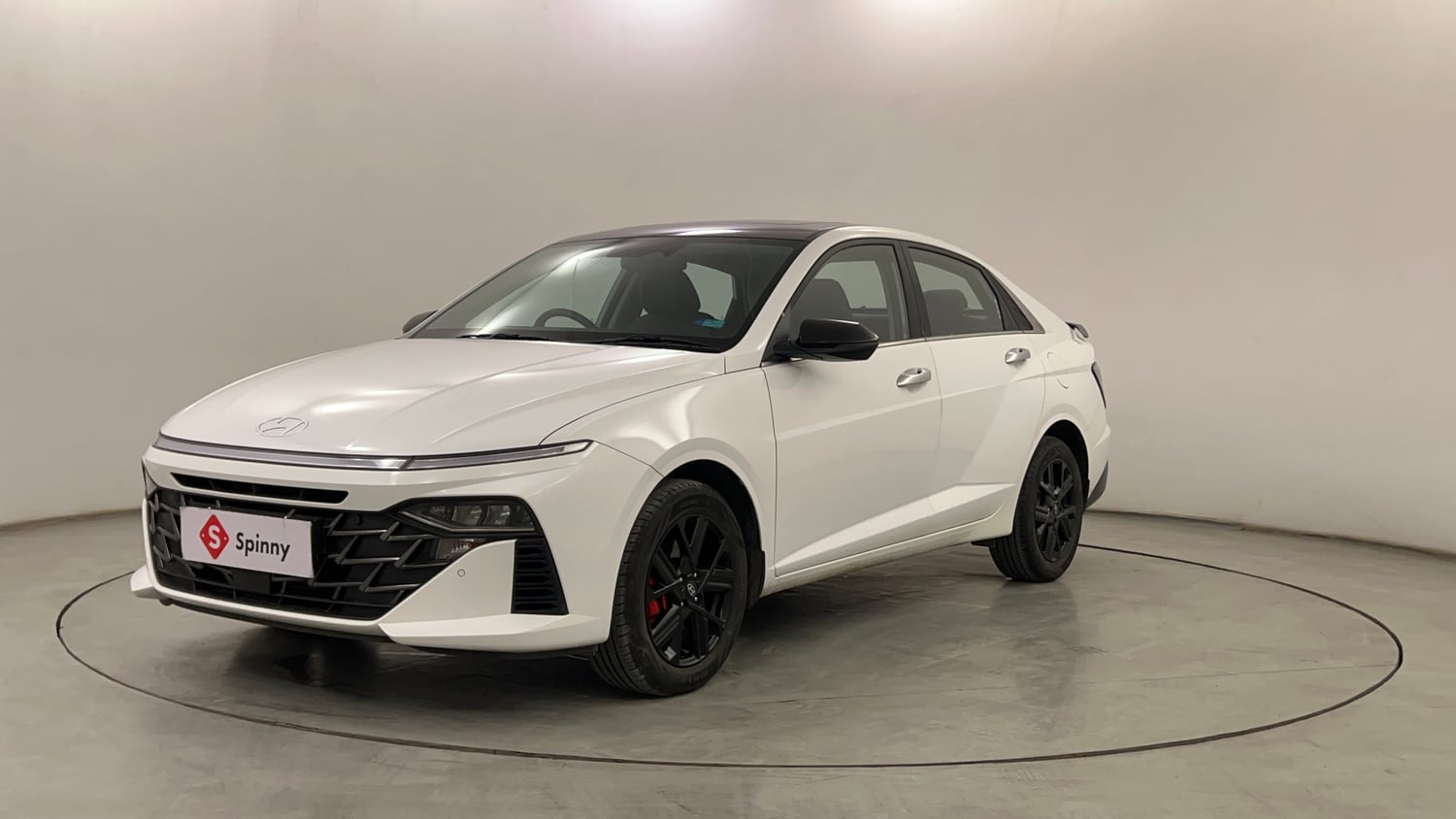
Top Alternatives of Hyundai Verna in India
Honda City
The Honda City is one of the longest-running competitors to the Hyundai Verna. It is known for its smooth engine, spacious cabin and comfortable rear seat.
Its 1.5-litre naturally aspirated petrol engine produces 121 PS and is offered with a six-speed manual or CVT automatic. The engine delivers power in a linear manner and feels especially smooth during city driving.
Honda also offers the City e:HEV, which combines a petrol engine with two electric motors. The hybrid system can use electric power during low-speed driving and delivers considerably better fuel efficiency.
The City has a large and airy cabin with generous rear legroom. Its rear-seat angle and soft cushioning make it suitable for chauffeur-driven owners and families.
Higher Honda City variants offer a sunroof, connected technology, a digital instrument display, Honda Sensing ADAS and premium upholstery.
Why It Is Better Than Hyundai Verna
The Honda City is better than the Verna for buyers who prioritise rear-seat comfort and smooth power delivery.
Its naturally aspirated engine feels predictable and responsive without the sudden surge associated with a turbocharged unit. The CVT also delivers smooth acceleration in slow traffic.
Rear passengers benefit from generous knee room, supportive seats and large windows. The City continues to feel like one of the most comfortable chauffeur-driven sedans in the segment.
The City e:HEV is another major advantage. Its hybrid powertrain delivers much better fuel efficiency in urban traffic than the Verna turbo or naturally aspirated petrol.
Honda’s controls and dashboard layout are straightforward, making the car easy to use without a long learning period.
The Verna is better for buyers who want stronger performance and more features. Its turbo-petrol engine is considerably quicker, while features such as ventilated seats and Bose audio make the cabin feel more modern.
Price Comparison: Honda City vs. Hyundai Verna
| Variant Level | Honda City | Hyundai Verna |
| Base variant | Approximately ₹12-13.5 lakh | Approximately ₹10.98-12 lakh |
| Mid variant | Approximately ₹14-16.5 lakh | Approximately ₹13-16 lakh |
| Top variant | Approximately ₹17-20.8 lakh | Approximately ₹16.5-18 lakh |
The Verna has the lower starting price and offers more variants below ₹12 lakh.
Their petrol models overlap closely through the middle of the range. The City becomes more expensive at the top because of the e:HEV hybrid powertrain.
Buyers comparing regular petrol automatics may find the Verna better equipped, while the City offers stronger rear-seat comfort and smoother power delivery.
Volkswagen Virtus
The Volkswagen Virtus is the sportiest alternative to the Hyundai Verna. It is offered with 1.0-litre and 1.5-litre turbo-petrol engines.
The 1.0 TSI produces 115 PS and 178 Nm and is paired with a six-speed manual or torque-converter automatic. The 1.5 TSI produces 150 PS and 250 Nm and uses a seven-speed DSG automatic.
The Virtus feels stable at highway speeds and provides precise steering. Its suspension is firm at low speeds but becomes more settled as speed increases.
It also offers high ground clearance for a sedan, which helps when crossing large speed breakers or driving over damaged roads.
Higher variants add ventilated front seats, a digital instrument cluster, electric seat adjustment, a sunroof, wireless smartphone connectivity and premium audio.
Why It Is Better Than Hyundai Verna
The Virtus is better than the Verna for buyers who prioritise handling, high-speed stability and ground clearance.
Its steering provides more feedback, while the suspension controls body movement confidently through bends. This makes it especially enjoyable on highways and winding roads.
The 1.5 TSI engine delivers strong mid-range performance and works well with the quick-shifting DSG. It can also deactivate two cylinders during light cruising to reduce fuel consumption.
The Virtus has a large boot, making it practical for airport trips and family holidays. Its higher ground clearance also makes it easier to use on uneven roads.
It has received a five-star Global NCAP safety rating and comes with six airbags as standard.
The Verna turbo is slightly more powerful and offers a richer feature package. Its suspension is also more comfortable during slow city driving.
Also Read: Complete Guide to Buying a Volkswagen Virtus
Price Comparison: Volkswagen Virtus vs. Hyundai Verna
| Variant Level | Volkswagen Virtus | Hyundai Verna |
| Base variant | Approximately ₹10.5-12 lakh | Approximately ₹10.98-12 lakh |
| Mid variant | Approximately ₹13-16 lakh | Approximately ₹13-16 lakh |
| Top variant | Approximately ₹16.5-19.4 lakh | Approximately ₹16.5-18 lakh |
The two sedans begin at similar prices. Their 1.0-litre or naturally aspirated petrol variants also overlap closely through the middle of the range.
At the top, the Virtus 1.5 TSI can cost more than the Verna turbo. Buyers paying the premium receive a sharper driving experience and stronger highway stability.
The Verna offers more cabin technology and comfort features for a similar amount.
Skoda Slavia
The Skoda Slavia shares its platform and engines with the Volkswagen Virtus but has its own design and suspension character.
Its 1.0-litre TSI produces 115 PS and 178 Nm. Buyers can choose a six-speed manual or torque-converter automatic. The 1.5-litre TSI produces 150 PS and 250 Nm and is available with a manual or seven-speed DSG, depending on the variant.
The Slavia offers a spacious cabin, large boot and generous ground clearance. Its suspension feels slightly more comfort-focused than the Virtus while retaining good highway stability.
Higher Slavia variants provide ventilated front seats, powered adjustment, a digital instrument display, sunroof, connected technology and premium audio.
The Slavia is well suited to buyers who want turbocharged performance without giving up family comfort.
Why It Is Better Than Hyundai Verna
The Slavia is better than the Verna for buyers who want a balance between driving enjoyment and ride comfort.
Its 1.0 TSI provides strong low- and mid-range torque, making overtaking easier than in many naturally aspirated sedans. The 1.5 TSI offers even stronger performance.
The steering feels accurate, and the car remains composed at highway speeds. Its suspension is slightly more forgiving than the Virtus, making it suitable for family use.
The higher ground clearance is helpful on poor roads and steep parking ramps. The large boot also makes it practical for long journeys.
Skoda provides a four-year warranty and roadside-assistance package, strengthening its ownership proposition.
The Verna offers more features and a wider cabin. Its turbo engine is also more powerful, while the IVT version provides smoother city driving than the Slavia’s turbocharged options.
Price Comparison: Skoda Slavia vs. Hyundai Verna
| Variant Level | Skoda Slavia | Hyundai Verna |
| Base variant | Approximately ₹10.3-12 lakh | Approximately ₹10.98-12 lakh |
| Mid variant | Approximately ₹13-16 lakh | Approximately ₹13-16 lakh |
| Top variant | Approximately ₹16.5-18.3 lakh | Approximately ₹16.5-18 lakh |
The Slavia and Verna are closely priced throughout their ranges. The difference lies more in driving character and equipment than purchase cost.
The Slavia offers turbocharged performance from the lower end and better ground clearance. The Verna provides a smoother naturally aspirated option and a longer feature list.
At the top, the Slavia 1.5 TSI and Verna turbo compete directly. The Slavia feels more engaging through corners, while the Verna offers stronger cabin technology and outright power.
Summary
The Honda City, Volkswagen Virtus and Skoda Slavia are the strongest Hyundai Verna alternatives.
Choose the Honda City if rear-seat comfort, smooth performance and hybrid efficiency matter most. It remains one of the best sedans for family and chauffeur-driven use.
Choose the Volkswagen Virtus if you enjoy driving and regularly travel on highways. Its turbocharged engines, high-speed stability and ground clearance give it a sporty and practical character.
Choose the Skoda Slavia if you want a balance of performance, ride comfort and cabin space. It offers the Virtus’s engines with slightly more relaxed road manners.
The Hyundai Verna remains the strongest option for buyers who want performance and features in one package. Its turbo-petrol engine is quick, while the cabin provides extensive comfort and technology equipment.
The naturally aspirated Verna IVT is better suited to relaxed city driving. Buyers choosing the turbo-DCT should test its low-speed behaviour in traffic as well as its highway performance.
A back-to-back test drive is especially useful in this segment. The City feels smooth and comfort-focused, the Virtus and Slavia feel more connected to the road, and the Verna delivers the strongest combination of acceleration and features.
FAQs on Hyundai Verna Alternatives
Q. Which car is the closest alternative to the Hyundai Verna?
The Honda City is the closest all-round alternative because it offers similar pricing, cabin space and petrol automatic options.
Q. Which Hyundai Verna alternative is best for performance?
The Volkswagen Virtus 1.5 TSI and Skoda Slavia 1.5 TSI offer strong performance. However, the Verna turbo remains slightly more powerful.
Q. Which Verna competitor gives the best mileage?
The Honda City e:HEV offers the highest claimed fuel efficiency, especially during city driving.
Q. Which Hyundai Verna alternative is best for rear-seat comfort?
The Honda City is the strongest option for rear-seat passengers because of its generous legroom, supportive seats and smooth ride.
Q. Which Verna alternative is best for highway driving?
The Volkswagen Virtus and Skoda Slavia are particularly strong highway cars because of their turbocharged engines, stable handling and high ground clearance.
Q. Is the Volkswagen Virtus better than the Hyundai Verna?
The Virtus is better for steering feel, handling and highway stability. The Verna offers stronger outright performance, more cabin features and a wider rear seat.
Q. Which car is 5 star rated by Hyundai?
Several Hyundai cars have earned strong safety ratings, with the Hyundai Verna standing out as a 5-star-rated model in Global NCAP crash tests for adult occupant protection.