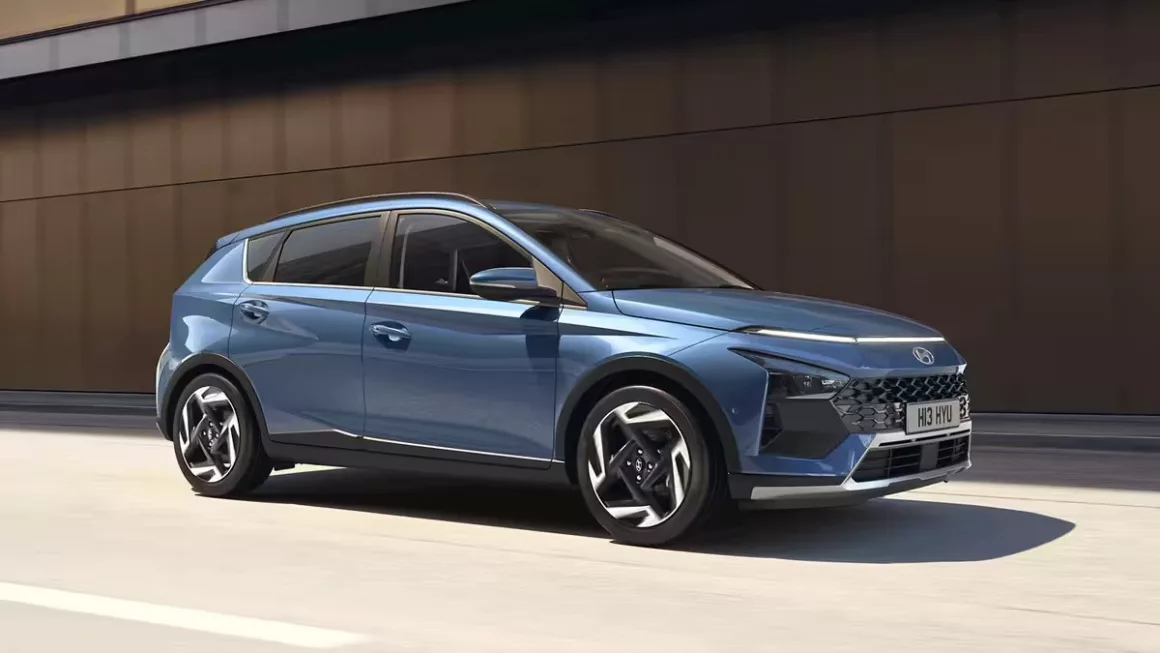
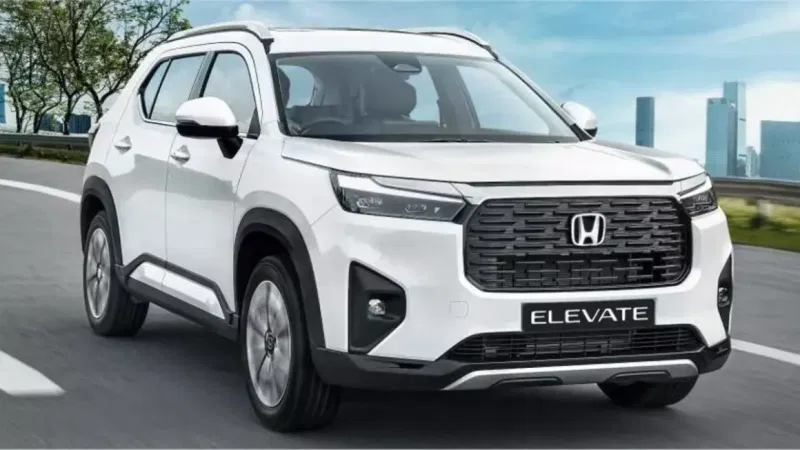
The mid-size SUV category in India provides a great range of options to choose from. Two of the top SUVs to consider are the Hyundai Bayon and Honda Elevate. Both SUVs offer a good mix of comfort, utility, performance and features. The Hyundai Bayon provides the latest Hyundai SUV design and technology, whereas the Honda Elevate focuses on providing you with more space, comfort and an intuitive driving experience. How do they line up against each other in terms of size, engine specs, features, safety and price? Let’s take a closer look at the Hyundai Bayon vs Honda Elevate to see what options each provides and which is the best choice overall.
Table of Contents
Hyundai Bayon vs Honda Elevate: Dimensions
| Dimensions | Hyundai Bayon | Honda Elevate |
| Length | 4,245 mm | 4,312 mm |
| Width | 1,810 mm | 1,790 mm |
| Height | 1,605 mm | 1,650 mm |
| Wheelbase | 2,600 mm | 2,650 mm |
| Boot Space | 505 litres | 458 litres |
| Ground Clearance | 205 mm | 220 mm |
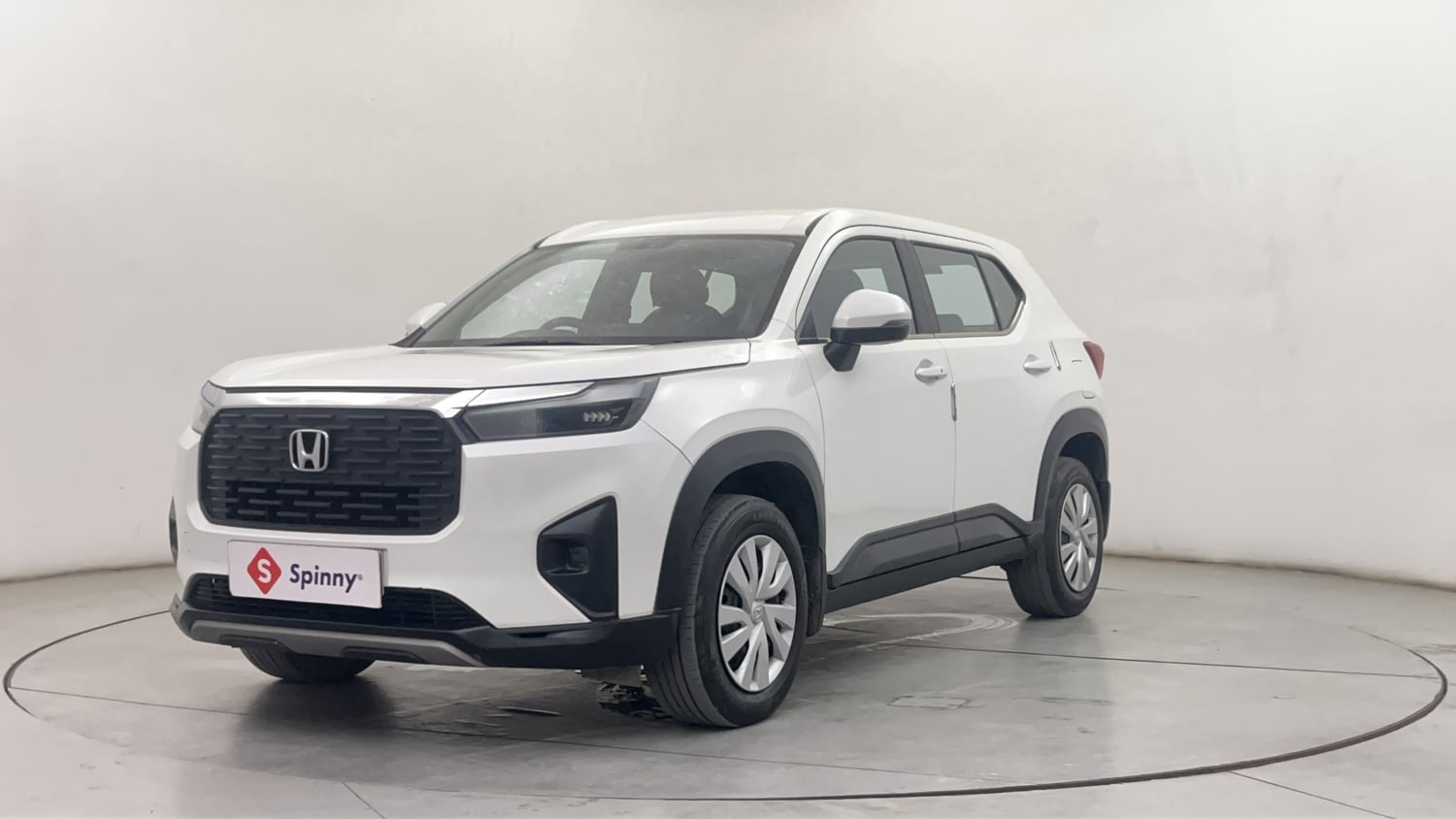
The Honda Elevate is longer and taller, with a longer wheelbase, which means you will have a better road presence. It is a great choice if you are looking for a more spacious SUV. It also comes with increased ground clearance, which can help if you are driving over speed bumps, rough patches and uneven roads.
The Hyundai Bayon provides more practicality with increased boot space. This can be great for families who regularly need to travel with lots of luggage. Plus, it is slightly shorter, making it easier for you to drive around busy city roads and offering convenience in parking.
The Honda Elevate offers a bigger footprint and increased ground clearance, whereas the Hyundai Bayon is more practical with its extra luggage space and ease of driving around busy city areas.
Also Read: Complete Guide to Buying a Honda Elevate
Hyundai Bayon vs Honda Elevate: Engine & Transmission
| Engine Specifications | Hyundai Bayon | Honda Elevate |
| Engine Options | 1.5-litre naturally aspirated petrol | 1.5-litre naturally aspirated petrol |
| Transmission Options | 6-speed MT, iVT | 6-speed MT, CVT |
| Power | 115 PS | 121 PS |
| Torque | 143.8 Nm (~144 Nm) | 145 Nm |
| Mileage (MT) | Yet to be disclosed | 15.31 km/l |
| Mileage (Automatic) | 18.6 km/l | 16.61 km/l |
Both cars are petrol-powered and can be used for everyday commuting and highway driving. However, their driving characteristics differ slightly, particularly when it comes to engine response and automatic transmission performance.
The Honda Elevate has a slight advantage in terms of engine performance. This could prove useful in providing extra acceleration when overtaking on highways. It also includes a CVT gearbox, giving smooth performance, and the paddle shifters allow you to have more control over your gears. The manual variant will provide a traditional driving experience.
The Hyundai Bayon has more flexibility for drivers. The iVT variants get three drive modes: Eco, Normal and Sport. This will allow you to adjust how your vehicle performs so it suits the conditions you are driving in. It also includes paddle shifters and the Dash Boost function, which can be useful for quick acceleration when overtaking.
Bayon also has better fuel efficiency. The auto variant has a higher claimed mileage compared to the CVT of the Elevate. This will help in keeping your fuel costs down if you regularly drive in the city or long distances. The Honda Elevate has slightly higher engine performance, but the Hyundai Bayon has better automatic fuel efficiency and extra driving settings.
Also Read: Honda Elevate Mileage Comparison: Automatic vs Manual
Hyundai Bayon vs Honda Elevate: Features & Comfort
| Features | Hyundai Bayon | Honda Elevate |
| Infotainment System | 12.3-inch touchscreen | 10.25-inch touchscreen |
| Music System | 8-speaker Bose system | 8-speaker premium system |
| Climate Control | Automatic climate control | Automatic climate control |
| Ventilated Seats | Front seats | Front and rear seats |
| Adjustable Steering | Tilt and telescopic | Tilt and telescopic |
| Drive Modes | Eco, Normal, Sport (iVT) | No |
| Instrument Cluster | 12.3-inch digital | 7-inch TFT with analogue dials |
| Sunroof | Panoramic | Single-pane electric |
| Adjustable Seats | 8-way electric driver seat | 8-way driver and 4-way co-driver seats |
| Rear AC Vents | Yes | Yes |
| 60:40 Rear Seat Split | Yes | Yes |
| Cruise Control | Adaptive cruise control | Adaptive cruise control |
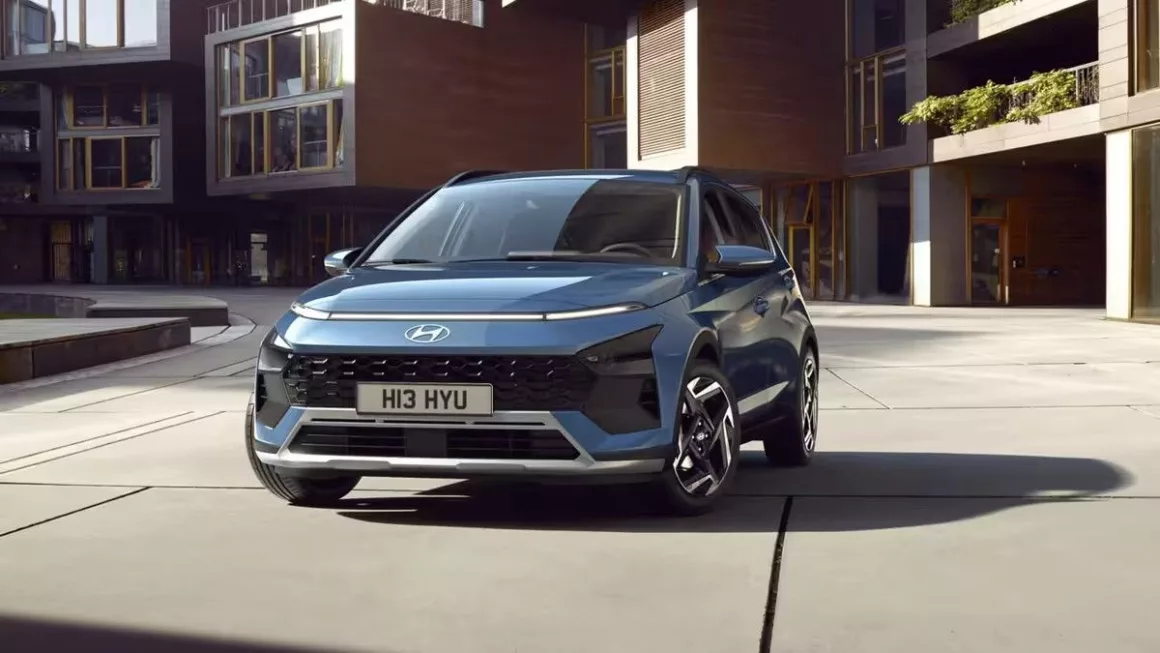
The Hyundai Bayon and Honda Elevate provide different interior designs. The Bayon has a strong tech feel inside with bigger screens and an upgraded sound system. It has a panoramic roof to help give it that feeling of extra space. It also has nice features like a generative AI voice assistant, connected-car tech and wireless smartphone charging, which can make your life easier.
The Elevate has some great features for passenger comfort. It has ventilated rear seats, which can be very useful for passengers in warm weather. The front passenger seat is powered (4-way), which makes it very convenient. If you are a family that often travels with multiple people, then this could be a good option for you.
Both cars have some great features to make life easier on your daily drives. They both have automatic climate control, rear AC vents and adaptive cruise control. It really comes down to whether you want a car with lots of tech inside or extra comfort in the seats. Overall, the Hyundai Bayon would be a great choice if you want lots of infotainment and modern tech inside. The Honda Elevate stands out with extra comfort features for passengers.
Hyundai Bayon vs Honda Elevate: Safety Features
| Safety Features | Hyundai Bayon | Honda Elevate |
| GNCAP Safety Rating | Not tested | Not tested |
| Airbags | 6 | 6 |
| ABS with EBD | Yes | Yes |
| ESC | Yes | Yes |
| Traction Control | Yes | Yes |
| Automatic Headlamps | Yes | Yes |
| Rain-sensing Wipers | No | No |
| Hill Hold Assist | Yes | Yes |
| Hill Descent Control | No | No |
| Rear Sensors | Yes | Yes |
| Rear Parking Camera | Yes | Yes |
| ISOFIX Child Seat Anchor Points | Yes | Yes |
| ADAS | Level 2 Pro ADAS | Honda SENSING (Level 2 ADAS) |
Both the Hyundai Bayon and Honda Elevate offer impressive safety features. Bayon has several active safety features as part of its Level 2 Pro ADAS spec. With features such as lane-keeping assist, blind spot monitoring and rear cross-traffic alert, it helps keep you aware of situations around you that could be dangerous. Plus, it has an inbuilt dashcam, a surround-view camera and a tyre pressure monitoring system.
On the other hand, the Honda Elevate comes with a full driver assistance suite thanks to Honda SENSING. It includes many features to assist the driver on highways and help avoid any potential collisions. The 360 camera and front parking sensors on the top ZX+ variant will also make parking in tight spaces easier.
Both SUVs come with all the essentials such as 6 airbags, ABS with EBD, stability control and ISOFIX points for attaching child seats. However, neither of these models has a published rating from Global NCAP or Bharat NCAP, so we cannot compare them for how well they would protect you in a collision. The Elevate, sold as the WR-V in Japan, has scored five stars in Japan NCAP, though this was not an India-spec test.
Both of these SUVs come with lots of safety tech. However, the Hyundai Bayon has more ADAS features and extra safety tech. Neither of these SUVs has a verified NCAP rating, so we couldn’t tell you which one would do better in a crash.
Hyundai Bayon vs Honda Elevate: Price Comparison
| Variants | Hyundai Bayon (MT / iVT) | Honda Elevate (MT / CVT) |
| Base Variants | HX2: ₹10.00 lakh | SV: ₹11.80 lakh |
| Mid Variants | HX6: ₹13.57 lakh / ₹14.97 lakh | VX: ₹13.93 lakh / ₹15.39 lakh |
| Upper Mid Variants | HX8: ₹15.10 lakh / ₹16.54 lakh | ZX: ₹15.39 lakh / ₹16.89 lakh |
| Top Variant | HX10: ₹16.65 lakh / ₹18.00 lakh | ZX+: ₹16.80 lakh / ₹18.30 lakh |
*All prices are ex-showroom. Prices are rounded to two decimal places. Hyundai Bayon prices are introductory and may change.
The starting price of the Hyundai Bayon is lower than that of the Honda Elevate. This means that if you’re looking for a budget-friendly option, then the Bayon would be best. Each variant compared here is cheaper on the Bayon than on the Honda Elevate, whether that’s manual or automatic. This can be seen in the higher variants too. However, the price difference is much less. If you are looking at buying the top variants of the SUV, then the price of both will be very similar. It means that you’ll have to decide based on what features and comforts you want.
The Bayon has a more tech-oriented spec with features like a bigger infotainment screen, panoramic glass roof, Bose audio system and lots of driver assistance tech. The Honda Elevate has a more passenger-friendly specification with ventilated rear seats and an electrically adjustable front passenger seat. The Hyundai Bayon is more affordable and comes with a better tech spec. However, the Honda Elevate does have extra comfort features to give it an edge.
Summary
Both vehicles have petrol variants with automatic and manual transmissions. They also have a good specification of safety and comfort features. However, there are some differences between the two models. If you want a bigger vehicle with extra ground clearance and slightly more power, then the Honda Elevate would be a good choice. The comfort features in the rear seats and electric adjustment to the front passenger seat also make this a good choice for families. The Hyundai Bayon provides some extra benefits such as a tech-oriented interior, large boot space and better claimed automatic fuel economy. Its modern interior includes a panoramic roof, premium sound system and driver assistance technologies. It also has a cheaper entry price.
Overall, the Hyundai Bayon would be a good option to consider if you are looking for an SUV with lots of tech and practical features. However, the Honda Elevate would be a better choice if you value higher ground clearance and passenger comfort more. It depends on what you value most.
Related Blogs:
Honda Elevate: New Honda SUV on the Horizon
2026 Hyundai Bayon SUV Launched at Rs 10 Lakh
FAQ about Hyundai Bayon vs Honda Elevate
Q. Which SUV is bigger, the Hyundai Bayon or Honda Elevate?
The Honda Elevate is bigger in terms of length, height and wheelbase. It measures 4,312 mm in length and has a 2,650 mm wheelbase, compared to the Bayon’s 4,245 mm length and 2,600 mm wheelbase.
Q. Which SUV offers better mileage, Hyundai Bayon or Honda Elevate?
The Hyundai Bayon offers better claimed mileage with its iVT automatic transmission, delivering 18.6 km/l. The Honda Elevate CVT delivers a claimed mileage of 16.61 km/l.
Q. Does the Hyundai Bayon have more boot space than the Honda Elevate?
Yes, the Hyundai Bayon offers 505 litres of boot space, while the Honda Elevate has a claimed boot capacity of 458 litres.
Q. Which SUV offers better safety features, Hyundai Bayon or Honda Elevate?
Both SUVs offer six airbags, ESC, hill-start assist and Level 2 ADAS. However, the Hyundai Bayon has a more extensive ADAS package with 23 functions, along with features such as a dashcam, TPMS and rear cross-traffic alert. Neither India-spec model currently has an independently published NCAP crash-test rating.
Q. Which SUV is better for city driving, Hyundai Bayon or Honda Elevate?
The Hyundai Bayon is a suitable choice for city driving, thanks to its compact dimensions, larger boot space, better claimed automatic mileage and selectable drive modes. The Honda Elevate is also comfortable for urban use, but its larger dimensions and higher ground clearance make it particularly suitable for buyers who frequently travel on uneven roads.