Hyundai has unveiled its all-new mid-size SUV, the Hyundai Bayon, launching on 26 October. Positioned between the Hyundai Venue and Hyundai Creta, the Hyundai Bayon shares its powertrains with the Hyundai Creta and targets the Maruti Victoris. Here is a closer look at the Hyundai Bayon.
2026 Hyundai Bayon: Design
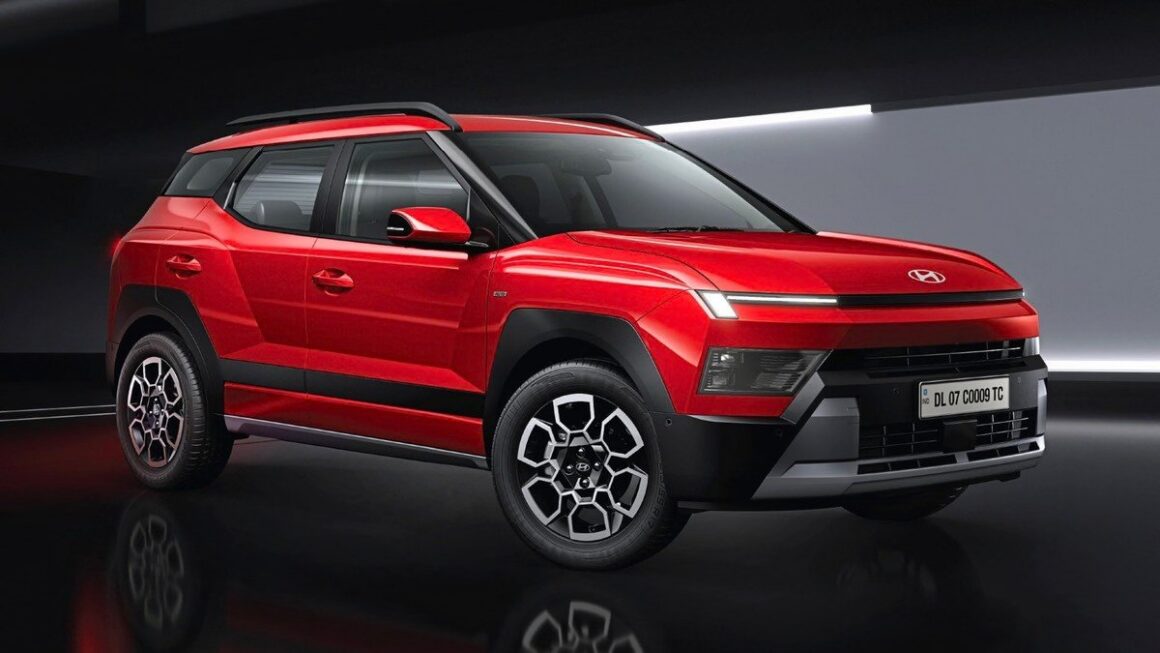
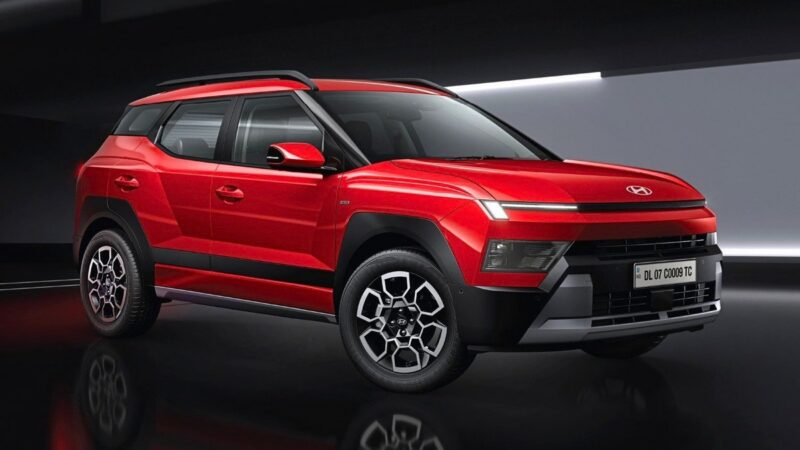
With Hyundai’s latest ‘Art of Steel’ design language, the Hyundai Bayon is designed to look sharp and aggressive. The front fascia features a split headlamp setup. A gloss black strip at the bonnet’s edge connects the LED DRLs, forming a broad ‘H,’ while trapezoidal headlamps sit lower on the bumper. The bumper gets generous silver and black cladding, and a large blacked-out air dam. On the sides, the Bayon gets edgy and flared wheel arches and sharp character lines that add muscle.
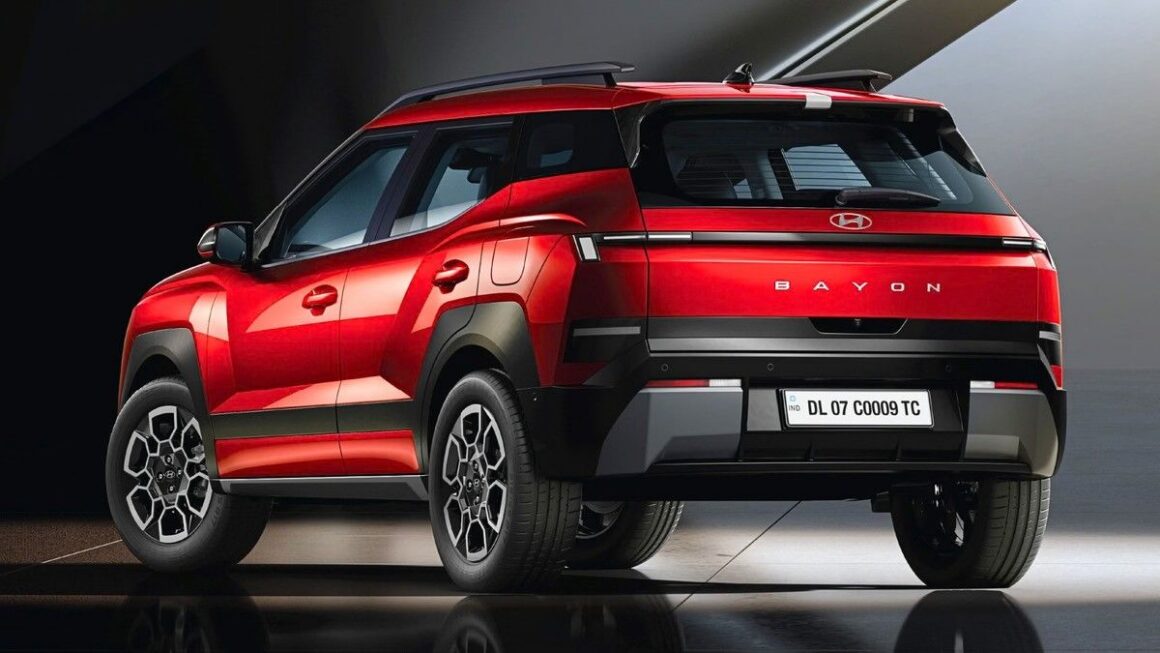
Like most modern SUVs, black cladding covers the Bayon’s bottom; however, the cladding strip connecting the fenders is a unique touch. With blacked-out pillars, the Bayon’s rear quarter glass merges with the rear glass, much like the Maruti Brezza. At the rear, the Bayon gets the same ‘H’-patterned tail lamps as the front DRLs, a dual-tone bumper, and a pronounced roof spoiler.
2026 Hyundai Bayon: Interior and Features
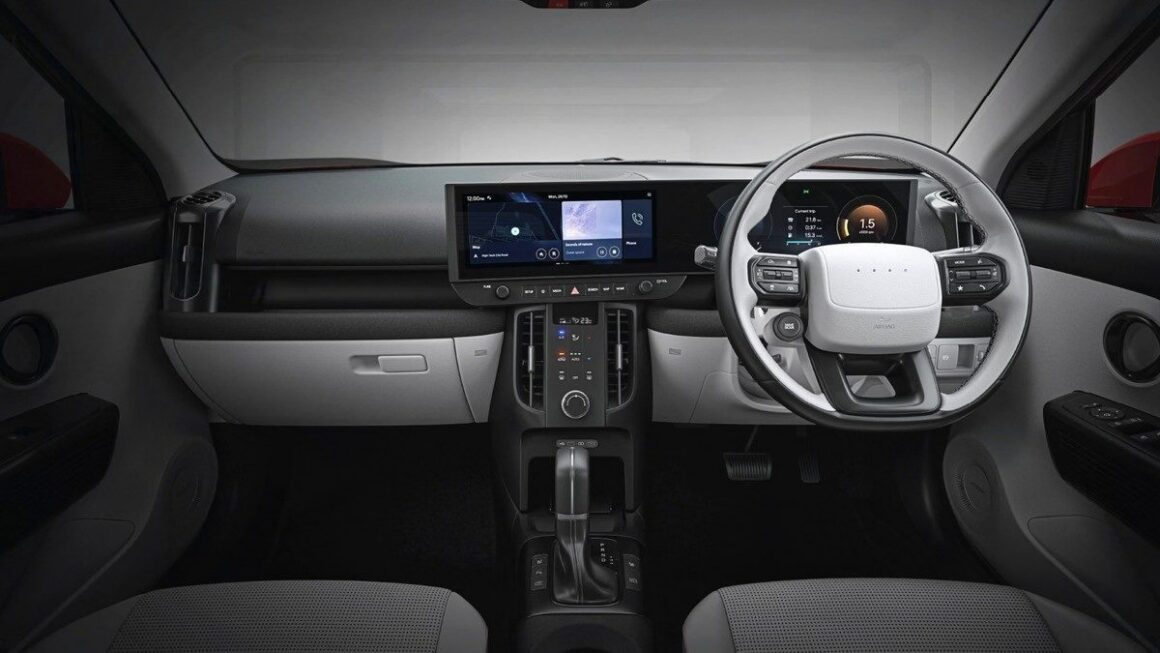
Inside, the Hyundai Bayon packs a dual-tone, layered dashboard with vertically oriented AC vents. Taking centre stage is a curved dual-screen setup with two 12.3-inch screens: one for the central touchscreen infotainment system and the other for the digital instrument cluster. Below the touchscreen, a band houses multiple physical controls, and the vertical touch-sensitive HVAC panel on the centre console houses HVAC controls and display. The steering wheel looks the same as the one on the Hyundai Venue, with a slew of physical buttons and a separate button for drive mode selection.
In terms of features, the Hyundai Bayon offers automatic climate control, ventilated front seats, a BOSE sound system, a wireless phone charger, auto-dimming IRVM, wireless Android Auto and Apple CarPlay, and more. Moreover, the Hyundai Bayon is the first Hyundai car in India to get a Generative AI Voice Assistant. Hyundai says it lets users naturally converse with the vehicle, instead of using predefined commands. It can understand voice requests and respond accordingly. The Bayon also gets Hyundai’s Bluelink connected car tech, which includes 70-plus features, OTA updates, onboard navigation, split-screen functionality, multi-language support, and more.
Hyundai has not yet revealed any safety features. However, the Bayon is expected to feature all essentials like 6 airbags, ABS with EBD, rear parking sensors, and ESC. It is also strongly expected to offer an electronic parking brake, a 360-degree camera, and a Level-2 ADAS safety suite.
2026 Hyundai Bayon: Engine and Transmission
The Hyundai Bayon is equipped with Hyundai Creta’s tried-and-trusted 1.5-litre naturally aspirated petrol engine, which produces 115 PS and 144 Nm of peak torque. Like in the Creta, this engine will be offered with a 6-speed manual gearbox or a CVT automatic transmission. Hyundai is also expected to offer a CNG-powered Bayon later.
2026 Hyundai Bayon: Price and Rivals
The Hyundai Bayon is expected to be priced at Rs. 9 to 14 lakh (ex-showroom). With the Hyundai Bayon and the Hyundai Creta, the Korean carmaker is looking to compete in the mid-size SUV segment like Maruti Suzuki, which also has two contenders – Maruti Victoris and Maruti Grand Vitara.