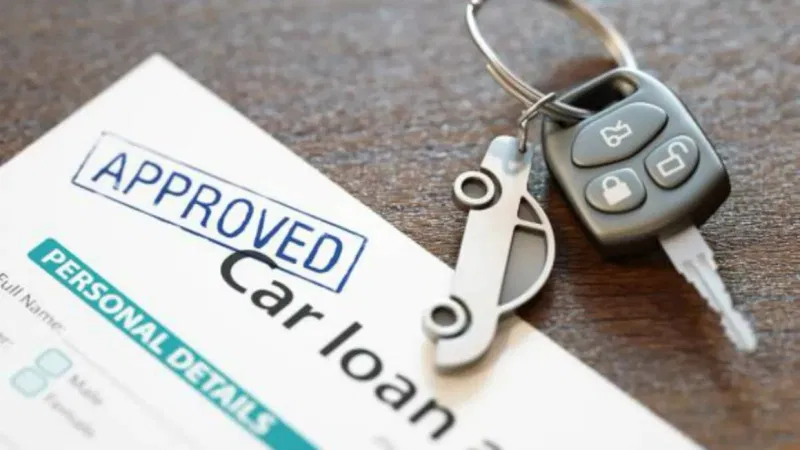
When you are self-employed, your income can vary greatly from month to month. You may experience variations in earnings due to client payments, business expenditures, seasonal sales, and more. Because of these factors, you may find it harder to apply for a car loan, since many application checklists are tailored to salaried workers.
Being self-employed does not automatically put financing out of reach. At Spinny, self-employed buyers can explore used car loans through our finance partners, subject to their eligibility requirements.
The main point is to correctly present your income and choose an EMI you can comfortably repay. Below are tips to help you prepare for the application and financing process.
Table of Contents
Can Self-Employed Buyers Get a Used Car Loan?
Yes. Business owners and self-employed professionals can apply for financing through Spinny. If you freelance or work independently, discuss your income arrangements with our finance team so we can explain the requirements relevant to your profile.
Instead of relying only on salary slips, lending institutions may look at income tax returns, bank account statements, business continuity and more. Other factors that they take into consideration are credit history, current loans and the car being financed.
Approval is based on the complete application. A successful business or strong earning month is useful context, but the lender needs supporting records to assess repayment capacity.
What Eligibility Requirements Should You Expect?
Spinny’s published reference guidelines for self-employed applicants are an age of 25–65 years and a minimum annual income of ₹2.50 lakh. These guidelines serve as a point of reference; however, the actual criteria depend on the finance partner involved.
Confirm how the lender assesses income, how long you need to have been in business and any age limit at loan maturity. Business turnover should not be treated as the money you personally have available for repayments.
Previously taken loan instalments and credit card obligations have an impact on borrowing capacity. The chosen car’s age, condition and worth may change the approved amount and duration of repayment. Reaching the required income does not mean that a loan will be granted.
Prepare Documents That Explain Your Income
Your paperwork should give the lender a clear, consistent picture of your financial circumstances. Commonly requested records include:
| Document category | What to prepare |
|---|---|
| Identity and address | PAN (linked to Aadhaar), Aadhaar and accepted address proof |
| Banking records | Six months of bank statements, with additional accounts if requested |
| Income records | Income tax returns for the financial years specified |
| Financial statements | Balance sheets and profit-and-loss statements, where applicable |
| Business records | Registration (such as GST or Udyam registration), continuity or office-address documents requested by the lender |
Many lenders ask for ITRs for the previous two to three financial years. Exact periods vary by lender and borrower profile.
Keep personal and business records clearly labelled. Check that names, addresses and financial details are consistent, and upload complete, readable files. If the lender asks for clarification, respond with the relevant documents rather than assuming one record will replace another.
What If You Do Not File Income Tax Returns?
You can still apply through Spinny if you do not file ITRs. Approval and processing remain subject to the lender’s policies and applicable banking norms.
Explain this to our finance team at the beginning. We can clarify the process and documentation requirements applicable to your circumstances. The lender still needs to assess your income and ability to repay, and may ask for alternative records, such as GST returns or detailed bank statements. An application without ITRs should not be treated as automatic approval or a document-free loan.
In case you have just become self-employed, be sure to include your current financial situation in the discussion as well. The period for which you need to show your business continuity can vary depending on your lender.
Choose an EMI That Works in Quieter Months
An Equated Monthly Instalment, or EMI, includes principal repayment and interest. It remains payable on the agreed schedule even when business is slow or a client payment arrives late.
Start by calculating your expected income minus the business expenses. Then consider your household expenses, any existing repayments, savings and costs connected with your car (fuel, insurance, maintenance, etc.). Don’t plan your budget based on one of your best months in terms of income.
For example, a consultant with a busy project month may have substantial receipts but also upcoming subcontractor payments and taxes to set aside. Those receipts are not all available for a car purchase. Work out what remains after your commitments, and consider how you would manage repayments during a quieter period.
We offer a used car loan EMI calculator which allows you to compare various amounts and rates at different tenures. If the amount to be borrowed and the interest rate are the same, the longer it takes to repay the loan, the lower the EMI you will have to pay, but the bigger the total interest you will end up paying.
Decide How Much to Pay Upfront
A down payment reduces the amount you borrow. At the same interest rate and tenure, a smaller loan means a lower EMI and less total interest.
Nonetheless, fully depleting your funds on the purchase of a car could leave you without funds for other business needs. Choose a sufficient down payment that fits with your requirements for working capital and savings.
Eligible buyers may receive financing for up to 100% of the car’s price, depending on the finance partner, credit profile and selected vehicle. That option does not mean borrowing the maximum is the right choice for your budget. Confirm the approved funding and any costs payable separately.
How to Apply Through Spinny
Step 1. Shortlist Your Car
Use the Spinny platform to look for suitable cars that would match your budget. Schedule a test drive before you finalise a deal, and consult our finance team for the funding options available for your selected car.
Step 2. Check Potential Eligibility
Start our online eligibility check by providing the requested details. This initial check does not affect your credit score. Share accurate information about your income, work and existing obligations.
Step 3. Review Financing Options
Our finance team is ready to guide you on available loan options, including the amount of financing available, down payments and repayment periods. Make sure to compare the available loan offers, including the Key Fact Statement (KFS), before making a decision.
Step 4. Upload Documents
Submit the requested identity, address, banking, income and business records online. The finance partner reviews the application and may request additional information during verification.
Step 5. Complete the Purchase Formalities
Once the loan is approved, sign the agreement and complete the disbursal requirements. Confirm your down payment, repayment schedule and delivery details with us, and keep copies of the final loan documents.
Review the Full Offer Before Signing
Check more than the monthly EMI. Compare the APR and the Key Fact Statement, and review processing and documentation fees, any valuation charges, late-payment conditions and the rules for repaying early.
If you think that you will be able to make a payment that is larger than what is due after a great business quarter, find out about the part-payment option and any related fees. RBI rules do not allow prepayment charges on floating-rate loans taken by individuals for non-business purposes. It is important that you get to know those terms prior to accepting the offer.
A suitable used car loan fits your income, records and repayment capacity. At Spinny, we help you understand the available financing options so you can plan your purchase with those details clearly in view.
Summary
Self-employed buyers can finance a used car through Spinny. The key is to show your income clearly and choose an EMI you can afford even in a slow month. This guide covers lender eligibility criteria, the ITRs, bank statements and business records you’ll need, and what to do if you don’t file returns. It also explains how to balance your down payment against business cash needs and how to apply step by step through Spinny. Before you sign, review the full offer, including the Key Fact Statement, fees and prepayment terms.
Related Blogs:
Where Can I Compare Loan Options For Buying A Used Car In India?
Car Loan EMI Calculator: Calculate Your Monthly Car Payment in 2026
FAQs about Used Car Loans for Self-Employed
Q. Can freelancers apply for financing through Spinny?
Freelancers can explore financing with our team. The lender assesses the application, income records and repayment capacity, with requirements depending on your professional and financial circumstances.
Q. What is the minimum income required?
Spinny’s published reference guideline for self-employed individuals is ₹2.50 lakh annually. The finance partner’s actual requirements and approved amount depend on your profile, documents and existing obligations.
Q. Do I need salary slips if I am self-employed?
Self-employed applicants generally establish income through tax returns, bank statements and financial or business records. The lender will specify the documents needed for your application.
Q. Can I apply without an income tax return?
You may still be able to apply, subject to the lender’s policies and applicable banking norms. Tell our finance team about your circumstances so we can explain the applicable verification requirements. Approval remains with the lender.
Q. Can I apply if my income changes each month?
You can apply. The lender reviews your financial history and supporting records to assess repayment capacity. Plan an EMI that remains manageable during lower-income periods.
Q. Can I take the loan in my company’s name?
You can explore financing in your company’s name through Spinny. The finance partner will assess eligibility and request the relevant entity, financial and authorised-signatory documents.
Q. Will a larger down payment guarantee a lower interest rate?
No. It reduces the amount borrowed but does not guarantee a lower rate. Your interest offer depends on your profile, chosen vehicle and the finance partner’s assessment.
Q. Can I get financing with an existing business loan?
An existing loan does not automatically prevent an application. The lender considers your current borrowing, repayments and income when assessing whether another EMI is manageable.