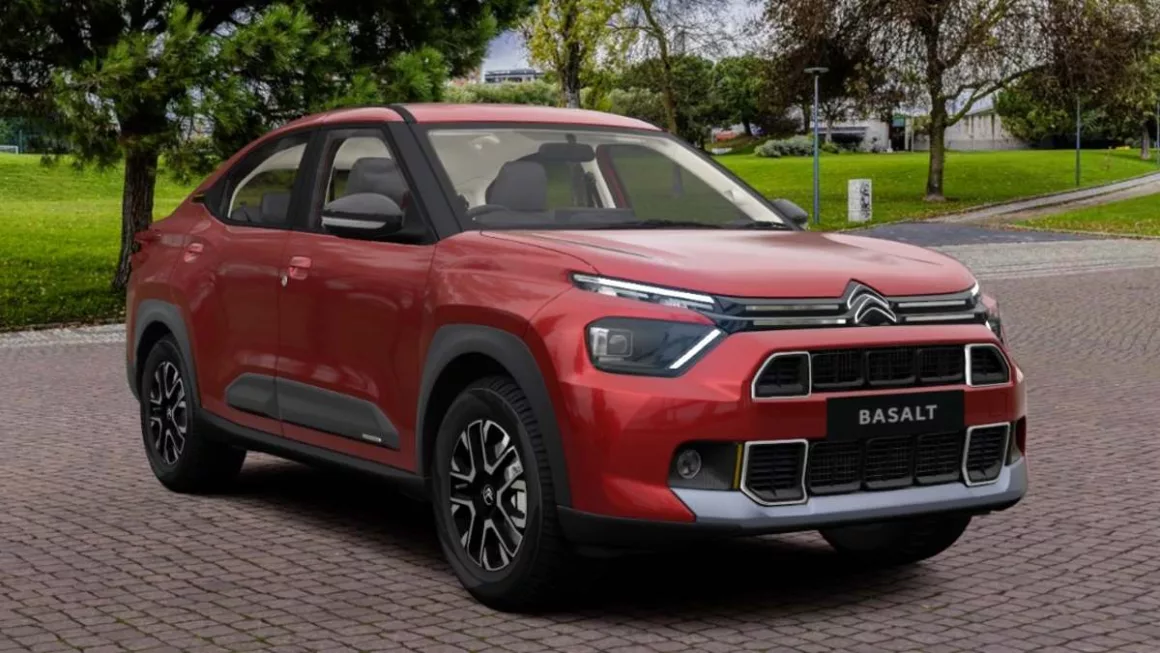
For buyers attracted to the Citroen Basalt but seeking more power or equipment, the Tata Curvv, Hyundai Creta, and Kia Seltos are strong alternatives.
The Curvv is its closest direct competitor because it combines a coupe-SUV design with petrol and diesel engines. The Creta offers a more practical cabin, three engine choices, and wider service coverage. Meanwhile, the Seltos adds stronger performance, premium technology, and a five-star Bharat NCAP rating.
The Basalt remains the most affordable option, but these alternatives provide clear advantages in safety, features, powertrain variety, and ownership convenience.
Table of Contents
Quick Summary
- The Tata Curvv is the closest direct alternative because it also features a coupe-SUV body style.
- The Curvv offers two turbo-petrol engines and a diesel engine, while the Basalt is petrol-only.
- The Hyundai Creta provides better rear-seat headroom and a more conventional family-SUV cabin.
- The Creta is available with naturally aspirated petrol, turbo-petrol, and diesel engines.
- The Kia Seltos offers the most powerful petrol engine in this comparison.
- The Seltos provides a premium cabin, large digital displays, and Level 2 ADAS on selected variants.
- The Basalt has the lowest starting and top-end prices among the four SUVs.
- The Basalt’s turbo-petrol manual claims up to 19.5 km/l.
- Six airbags are standard across the Basalt, Curvv, Creta, and Seltos.
- The Curvv and Seltos have five-star Bharat NCAP ratings.
- The Basalt has a four-star Bharat NCAP rating.
- The Basalt remains a strong value choice for buyers seeking coupe-SUV styling and a comfortable ride.
Price and Mileage Comparison with Citroen Basalt
The Citroen Basalt is priced below most midsize SUVs. Its naturally aspirated petrol version provides an affordable entry point, while its turbo-petrol variants compete with lower and mid-level versions of the Curvv, Creta, and Seltos.
| Car | Ex-showroom Price Range | Engine and Transmission Options | Claimed Mileage |
| Citroen Basalt | ₹8.32 lakh–₹14.20 lakh | Naturally aspirated and turbo-petrol, MT/AT | 18–19.5 km/l |
| Tata Curvv | ₹9.70 lakh–₹18.90 lakh | Turbo-petrol and diesel, MT/DCT | Diesel DCT: up to 23 km/l |
| Hyundai Creta | ₹10.91 lakh–₹20.11 lakh | Petrol, turbo-petrol and diesel, MT/IVT/AT/DCT | 17.4–21.8 km/l |
| Kia Seltos | ₹11.00 lakh–₹20.00 lakh | Petrol, turbo-petrol and diesel, MT/iMT/IVT/AT/DCT | 15.6–19.4 km/l |
Prices are indicative ex-showroom figures applicable in June 2026. They may vary by city, colour, engine, transmission, and manufacturer revision.
The Basalt has the lowest starting price and remains the most affordable at the top end. Its turbo-petrol manual also offers a competitive claimed mileage of 19.5 km/l.
The Curvv diesel is the most efficient option for buyers who frequently use the highway. The Creta diesel also offers strong efficiency, while the Seltos provides several engine and transmission combinations.
Top Alternatives of Citroen Basalt in India
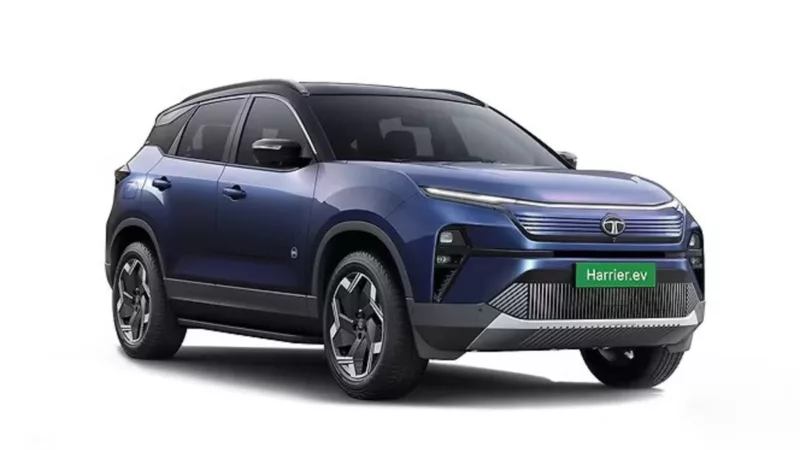
Tata Curvv
The Tata Curvv is the most direct alternative to the Citroen Basalt. Both models combine an SUV-like stance and ground clearance with a coupe-inspired sloping roofline.
The Curvv offers three engines. Its 1.2-litre Revotron turbo-petrol produces approximately 120 PS and 170 Nm. The more powerful 1.2-litre Hyperion direct-injection turbo-petrol develops around 125 PS and 225 Nm.
A 1.5-litre diesel engine produces approximately 118 PS and 260 Nm. All three engines are available with a six-speed manual gearbox and a seven-speed dual-clutch automatic.
The Curvv is currently the only mass-market diesel vehicle in India available with a dual-clutch automatic transmission. It also provides a 500-litre boot, which is useful for family trips.
Higher variants offer a 12.3-inch touchscreen, a digital instrument display, a panoramic sunroof, ventilated front seats, a powered driver’s seat, a powered tailgate, a JBL audio system, and a 360-degree camera.
Six airbags, electronic stability control, hill-hold assistance, and ISOFIX mounts are standard. Selected variants add Level 2 ADAS, all-wheel disc brakes, and an electronic parking brake. The Curvv has earned a five-star Bharat NCAP rating.
Why It’s Better Than Citroen Basalt
The Curvv is better for buyers seeking stronger performance. Even its entry turbo-petrol engine produces more power than the Basalt’s 110 PS turbo-petrol unit.
The Hyperion engine is particularly suitable for buyers who want quicker acceleration and stronger overtaking on highways. The diesel provides additional efficiency and torque for drivers covering high annual distances.
Powertrain variety is another major advantage. The Basalt is available only with petrol engines, while the Curvv provides petrol and diesel options. Buyers can also combine each Curvv engine with a manual or DCT automatic gearbox.
The Curvv offers more premium equipment. Its higher variants provide a panoramic sunroof, ventilated seats, a powered tailgate, a 360-degree camera, a premium audio system, and ADAS.
Its five-star Bharat NCAP rating also gives it an advantage over the four-star Basalt. Both models provide six airbags as standard, but the Curvv offers more advanced active safety technology on higher variants.
However, the Basalt costs substantially less and has a smooth torque-converter automatic. Its suspension is also well suited to uneven roads. Buyers prioritising affordability and ride comfort may still prefer the Citroen.
Price Comparison: Tata Curvv vs Citroen Basalt
| Variant | Tata Curvv | Citroen Basalt |
| Base variant | Smart Petrol MT: ₹9.70 lakh | You Petrol MT: ₹8.32 lakh |
| Mid variant | Creative range: ₹12.70–₹15.65 lakh | Plus range: approximately ₹10.99–₹12.50 lakh |
| Top variant | Accomplished+ A: ₹17.25–₹18.90 lakh | Max Turbo range: approximately ₹13.60–₹14.20 lakh |
The Basalt is more affordable at every representative level. The Curvv’s higher prices bring stronger engines, a diesel option, more features, and a five-star safety rating.
Also Read: Complete Buying Guide: Tata Curvv
Hyundai Creta
The Hyundai Creta is a conventional midsize SUV with an upright roofline and a more family-focused cabin than the coupe-styled Basalt.
It is available with three engines. The 1.5-litre naturally aspirated petrol produces approximately 115 PS and 144 Nm. It is offered with a six-speed manual and an IVT automatic.
The 1.5-litre turbo-petrol develops around 160 PS and 253 Nm and uses a seven-speed DCT. A 1.5-litre diesel producing approximately 116 PS and 250 Nm is available with manual and six-speed automatic transmissions.
The current lineup includes E, EX, EX (O), S (O), SX, SX Premium, and King variants. Selected special editions are also available.
Higher trims provide twin 10.25-inch displays, a panoramic sunroof, ventilated front seats, powered driver-seat adjustment, dual-zone climate control, a Bose audio system, wireless charging, and a 360-degree camera.
Six airbags, electronic stability control, hill-start assistance, tyre-pressure monitoring, and rear parking sensors are standard. Higher versions also offer Level 2 ADAS.
Why It’s Better Than Citroen Basalt
The Creta is better for buyers seeking a wider range of powertrains. It provides three engines and several manual and automatic combinations, while the Basalt offers only two petrol engines.
Its turbo-petrol engine is considerably more powerful than the Basalt’s. The additional output makes the Creta better suited to quick highway overtaking and driving with a full passenger load.
The Creta’s cabin is also more practical. Its upright roofline provides better rear-seat headroom, especially for taller passengers. The rear seat has a more conventional seating position and feels more spacious.
Feature availability is another advantage. Higher Creta variants offer a panoramic sunroof, dual-zone climate control, ventilated seats, powered seat adjustment, a Bose sound system, a 360-degree camera, and ADAS.
Hyundai’s extensive sales and service network can make ownership easier. Buyers in smaller cities are likely to find authorised service centres more easily than Citroen facilities.
The Basalt counters with substantially lower prices, distinctive coupe styling, and excellent ride quality. It also provides a torque-converter automatic at a lower price than most automatic Creta variants.
Price Comparison: Hyundai Creta vs Citroen Basalt
| Variant | Hyundai Creta | Citroen Basalt |
| Base variant | E range: ₹10.91–₹12.53 lakh | You Petrol MT: ₹8.32 lakh |
| Mid variant | S(O) range: approximately ₹14.20–₹17.30 lakh | Plus range: approximately ₹10.99–₹12.50 lakh |
| Top variant | King range: approximately ₹17.30–₹20.11 lakh | Max Turbo range: approximately ₹13.60–₹14.20 lakh |
The Creta costs more at every level. Its premium provides stronger engines, more rear-seat space, additional features, and broader service coverage.
Also Read: Complete Guide on Buying a Hyundai Creta
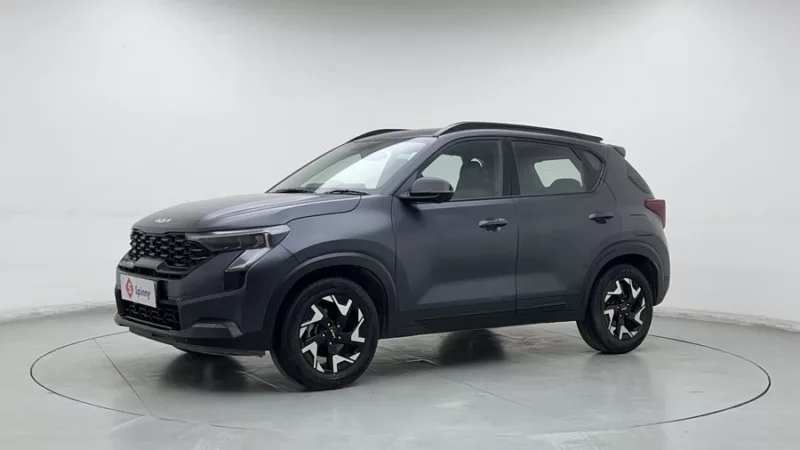
Kia Seltos
The second-generation Kia Seltos is a feature-rich midsize SUV positioned above the Basalt. Its upright proportions provide a spacious cabin, while its broad engine range suits different driving requirements.
The 1.5-litre naturally aspirated petrol engine produces around 115 PS. It is available with manual and IVT automatic transmissions.
A 1.5-litre turbo-petrol engine produces approximately 160 PS and 253 Nm. Depending on the variant, buyers can choose between an iMT and a seven-speed DCT.
The 1.5-litre diesel develops around 116 PS and 250 Nm. It is offered with a manual gearbox and a six-speed torque-converter automatic.
The Seltos range includes HTE, HTE(O), HTK, HTK(O), HTX, HTX(A), GTX, GTX(A), X-Line, and X-Line(A) trims.
Higher versions provide twin 12.3-inch displays, a panoramic sunroof, ventilated front seats, powered seat adjustment, dual-zone climate control, a Bose sound system, a head-up display, wireless charging, and connected-car functions.
Six airbags, electronic stability control, all-wheel disc brakes, tyre-pressure monitoring, and hill-start assistance are standard. Selected variants add Level 2 ADAS and a 360-degree camera. The Seltos has received a five-star Bharat NCAP rating.
Why It’s Better Than Citroen Basalt
The Seltos is better for buyers seeking a more premium cabin. Its large displays, high-quality switchgear, ambient lighting, and broad list of comfort features create a more upmarket environment.
Its turbo-petrol engine is another advantage. At approximately 160 PS, it produces around 50 PS more than the Basalt’s turbo-petrol engine. This difference is noticeable during acceleration and when overtaking on the highway.
The Seltos also offers a diesel engine. Buyers with high annual running can select the diesel manual or automatic, while the Basalt remains petrol-only.
Rear-seat practicality is stronger because of the upright roofline and longer wheelbase. The Seltos provides more headroom and a greater sense of cabin width.
Its five-star Bharat NCAP rating and available Level 2 ADAS give safety-focused buyers additional confidence. The Basalt provides six airbags and useful standard safety equipment but has a four-star rating.
However, the Seltos costs considerably more. Even its entry variant is around ₹2.5 lakh more expensive than the base Basalt. Buyers who do not require its additional power and technology may find the Citroen better value.
Price Comparison: Kia Seltos vs Citroen Basalt
| Variant | Kia Seltos | Citroen Basalt |
| Base variant | HTE range: approximately ₹11.00–₹12.70 lakh | You Petrol MT: ₹8.32 lakh |
| Mid variant | HTX range: approximately ₹15.60–₹17.50 lakh | Plus range: approximately ₹10.99–₹12.50 lakh |
| Top variant | GTX/X-Line range: approximately ₹18.00–₹20.00 lakh | Max Turbo range: approximately ₹13.60–₹14.20 lakh |
The Basalt is significantly more affordable across the range. The Seltos justifies its higher price through stronger engines, more features, better cabin space, and advanced safety technology.
Also Read: Complete Buying Guide: Kia Seltos
Summary
The Tata Curvv, Hyundai Creta, and Kia Seltos offer clear advantages over the Citroen Basalt, but each targets a different type of buyer.
The Curvv is the closest direct alternative. It retains coupe-SUV styling while providing stronger engines, a diesel option, more features, a larger boot, and a five-star safety rating.
The Creta is the practical family choice. Its spacious rear seat, three engines, multiple automatic transmissions, and widespread service network make it easier to own. However, it is substantially more expensive.
The Seltos suits buyers seeking performance, premium technology, and a feature-rich cabin. Its turbo-petrol engine and five-star safety rating are major strengths, but its higher variants cost far more than the Basalt.
The Basalt remains the value-focused option. Its attractive pricing, comfortable suspension, coupe-inspired styling, competitive mileage, and smooth automatic transmission make it suitable for buyers who can manage with fewer premium features and a smaller service network.
FAQs on Citroen Basalt Alternatives
Q. Which is the closest alternative to the Citroen Basalt?
The Tata Curvv is the closest alternative because it also features coupe-SUV styling. It offers more engines, features, and safety technology but costs more.
Q. Which Citroen Basalt alternative is the most affordable?
The Tata Curvv is the most affordable among the three alternatives. However, its starting price remains over ₹1 lakh higher than the Basalt.
Q. Which Basalt alternative offers a diesel engine?
The Tata Curvv, Hyundai Creta, and Kia Seltos all offer diesel engines. The Citroen Basalt is available only with petrol powertrains.
Q. Which Citroen Basalt alternative has the most powerful engine?
The Hyundai Creta and Kia Seltos offer 1.5-litre turbo-petrol engines producing approximately 160 PS. They are considerably more powerful than the Basalt turbo-petrol.
Q. Which Basalt alternative offers the best rear-seat space?
The Hyundai Creta and Kia Seltos provide better rear-seat headroom and a more spacious feeling because of their upright rooflines and longer wheelbases.
Q. Is the Tata Curvv better than the Citroen Basalt?
The Curvv is better for performance, diesel availability, boot space, features, and safety rating. The Basalt is better for affordability, ride comfort, and automatic-variant value.