
















Most Common Traffic Challans in India and How to Avoid Them

Last updated 2 weeks ago
Learn about the most common traffic challans in India, their penalties, how to check and pay e-challans online, and practical tips to avoid traffic fines.
Jumping Red Light Challan
Last updated 2 weeks ago

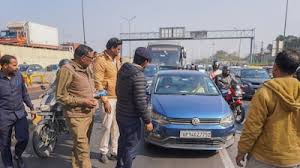
With the development of advanced traffic monitoring systems in Indian cities and e-challan technology, traffic challans have become a common thing in India. In today’s time, with the help of cameras, a traffic violation gets recorded, and a challan gets generated even without a traffic police personnel physically stopping the vehicle.

Many drivers and riders are getting penalised for mistakes like going over the speed limit, red light violations, not wearing a seat belt or riding on incomplete vehicle documents. Awareness of the most common traffic challans and the reasons behind them can help you avoid pointless penalties and drive more responsibly. We will look at the common road traffic violations reported in India, penalties associated with them, as well as a few tips to help one stay on the good side of the law.

What Is a Traffic Challan?

A traffic challan is a fine given to a driver or vehicle owner when he/she violates the traffic rules. It has details about the violation and the fine, with instructions on how to pay.

Traffic challans are issued directly by traffic police officers or generated automatically through cameras and electronic monitoring systems. India is witnessing huge growth in the adoption of e-challans, which makes it easy to detect traffic violations sooner and more accurately than ever before, enabling authorities to ensure road safety rules are followed.

How Traffic Challans Work in India

Physical Challans

When a traffic police officer catches someone violating a traffic rule in front of them, they issue the physical hassle, which is a challan. The officer documents the offence and gives the driver a summary of the penalty that must be paid.

E-Challans

An e-challan gets automatically generated on the basis of CCTV cameras, speed cameras and other traffic monitoring systems. The vehicle number is noted, and the challan gets generated digitally once a violation is detected.

How Vehicle Owners Are Notified

Once a challan is generated, the owners of the vehicle are generally notified through:

  • SMS notifications
  • Mobile number that is registered to the vehicle
  • Traffic police websites
  • State transport department portals
  • Online e-challan platforms
  • Check your vehicle challan status from time to time because there are e-challans which may be generated without the driver being stopped on the road.

Most Common Traffic Challans in India

Traffic ViolationCommon Fine Range*Reason
Overspeeding₹1,000 – ₹2,000 (LMV)₹2,000 – ₹4,000 (HMV)Exceeding speed limits
Riding Without Helmet₹1,000Safety violation
Not Wearing Seat Belt₹1,000Passenger safety
Using Mobile Phone While Driving₹5,000 – ₹10,000Distracted driving
Driving Without Valid Licence₹5,000Legal violation
Drunk Driving₹10,000 – ₹15,000Serious safety risk
Jumping Traffic Signal₹1,000 – ₹5,000Traffic offense
Driving Without Insurance₹2,000 – ₹4,000Missing mandatory insurance
Driving Without PUC Certificate₹10,000Pollution-related offense
Wrong Parking₹500 – ₹1,500Obstructing traffic

Note: Fine amounts may vary depending on the state, city and whether the offence is a repeat violation.

Overspeeding

Now overspeeding is one of the most reported road traffic violations in India. Speed limits are made for road safety, and even now there are many roads where speed cameras work and automatically issue e-challans.

How to avoid it:

  • Follow posted speed limits.
  • Use cruise control on highways where appropriate.
  • Pay attention to speed limit changes.

Riding Without a Helmet

Most two-wheeler drivers avoid wearing a helmet especially on short distances. Nonetheless, helmets are among the more vital tools for protection and are needed in many cases.

How to avoid it:

  • Always wear a BIS-certified helmet.
  • Ensure pillion riders also wear helmets where required.

Not Wearing a Seat Belt

Seat belts are mandatory for both drivers and passengers. Many cities have also started enforcing rear-seat belt usage more strictly.

How to avoid it:

  • Buckle up before starting the journey.
  • Ensure all passengers wear seat belts.

Using a Mobile Phone While Driving

Using a mobile phone while driving distracts the driver and increases accident risks. Traffic authorities regularly monitor such violations.

How to avoid it:

  • Use hands-free systems if necessary.
  • Pull over safely before making calls or replying to messages.

Driving Without a Valid Driving Licence

Driving without a valid licence is a serious offence. This includes driving with an expired licence or failing to produce one when required.

How to avoid it:

  • Renew your licence before it expires.
  • Keep a digital copy stored in DigiLocker or mParivahan.

Drunk Driving

Driving under the influence of alcohol remains one of the most dangerous traffic violations. Police frequently conduct breathalyser checks, especially during weekends and festive seasons.

How to avoid it:

  • Never drive after consuming alcohol.
  • Use a taxi, designated driver or ride-hailing service.

Jumping a Traffic Signal

Signal jumping is often detected by automated traffic cameras. Apart from attracting fines, it can also lead to serious accidents.

How to avoid it:

  • Slow down when approaching intersections.
  • Follow traffic signals carefully.

Driving Without Motor Insurance

Third-party motor insurance is mandatory for all vehicles in India. Driving without insurance can result in heavy penalties.

How to avoid it:

  • Renew your insurance policy on time.
  • Set reminders before the policy expiry date.

Driving Without a Valid PUC Certificate

A Pollution Under Control (PUC) certificate confirms that your vehicle’s emissions are within permissible limits.

How to avoid it:

  • Renew the PUC certificate before it expires.
  • Maintain the vehicle regularly to keep emissions under control.

Wrong Parking

Parking in no-parking zones, blocking roads or occupying restricted spaces can result in fines and even vehicle towing.

How to avoid it:

  • Park only in designated areas.
  • Pay attention to parking signs and restrictions.

Other Traffic Violations That Can Attract Challans

Apart from the offences listed above, drivers may also receive challans for:

  • Triple riding on two-wheelers
  • Driving on the wrong side of the road
  • Dangerous or reckless driving
  • Overloading passengers
  • Not giving way to emergency vehicles
  • Illegal vehicle modifications
  • Driving without registration documents
  • Obstructing traffic flow

Also Explore: Check E Challan Online & Pay in India

How to Check Traffic Challans Online

A fast way to look into your traffic challan status online, and you easily avoid missing any pending fines.

Step 1: Check state police website or official e challan portal

Step 2: Provide your vehicle registration number, driving licence number or challan number

Step 3: Complete the verification process, such as entering the OTP or captcha, if required.

Step 4: View the details of any pending or previously paid challans linked to your vehicle.

By regularly checking the challan status, one is able to clear the penalties on time and avoid further complications.

How to Pay a Traffic Challan Online

It would be easy to pay a traffic challan online, and further, it takes a few minutes usually.

Step 1: Go to the official e-challan portal or visit the respective state traffic police website.

Step 2: Type your vehicle registration number or challan number to find out the pending challan.

Step 3: Verify all details of challan carefully including violation and penalty amount.

Step 4: Click on the payment option to proceed.

Step 5: Complete the payment using your preferred method, such as UPI, net banking, debit card or credit card.

Step 6: Slip is downloaded or saved by you to refer back in the future once payment has been made.

Keeping a copy of the payment receipt can be useful in case you need proof of payment later.

What Happens If You Ignore a Traffic Challan?

Traffic challans are not something that you just ignore; they can lead to complications down the line. Unpaid challans are usually linked to your vehicle and may lead to a lot of issues in the long run.

  • Some possible consequences include:
  • Penalty or late payment fee in some situations
  • Getting legal notices or court summons
  • Problems when transferring ownership of a car or selling it
  • Issues in completing ride-related tasks
  • More Aggressive Traffic Stop Inspections or Checkpoints

When you pay traffic challans on time, you will avoid these problems, and the records of your vehicles will remain clean and up to date.

Tips to Avoid Traffic Challans

Following are the tips to avoid traffic challans:

  • Always comply with speed limits.
  • Always wear helmets and seat belts.
  • Make sure you have your driving licence available (and up to date).
  • Renew insurance and PUC certificates in a timely manner.
  • Do not use mobile phones while driving.
  • Indoor usage Take care of traffic lights and signal
  • Park only in authorised areas.
  • Keep all vehicle documents updated.
  • Never drink and drive, no matter the circumstance.
  • Keep driving safely and stay up-to-date with the modifications in traffic rules.

Most Common Traffic Challans in India Summary

Most of the traffic challans are issued for petty, avoidable mistakes, including overspeeding, blowing the red light or not carrying important documents associated with the vehicle. By becoming aware of these frequent offence acts, you can save yourself from so many possible fines and thus make your travel much more secure.

Following traffic rules, keeping your documents complete and practising responsible driving go a long way; this practice leads to huge savings and a safer road environment for all. A few more moments of focus at the wheel can help you avoid hefty tickets and ensure a smooth ride.

FAQs About Traffic Challans in India

  1. Q. How can I check if my vehicle has an e-challan?

    You can check pending challans through the official e-challan portal or your state’s traffic police website using your vehicle registration number.

  2. Q. Can I pay a traffic challan online?

    Yes. Most traffic challans can be paid online through official government portals using various digital payment methods.

  3. Q. What happens if I do not pay a traffic challan?

    Ignoring a challan may lead to legal action, court notices or complications related to vehicle documentation.

  4. Q. Can traffic cameras issue challans automatically?

    Yes. Many cities use automated camera systems that detect violations and generate e-challans without direct intervention from traffic officers.

  5. Q. Is a digital driving licence valid during traffic checks?

    Yes. Digital driving licences stored in approved government apps such as DigiLocker and mParivahan are generally accepted.

Share

Leave a Comment

Your email address will not be published. Required fields are marked *

A-Z Glossary

Every car part & feature, explained

News

The latest from the automotive world

Best Cars

The crème de la crème of cars

Rules & Regulations

Every law & regulation, explained

Car Ownership

Everyday car-care tips & advice

Buying a car

Make the right buying decision

Selling a car

Make the right selling decision

Miscellaneous

Cars & eveything in-between

5,000,000+ Readers

We’re ❤️ne big family!

Follow us for accurate, impartial & up-to-date information around everything related to cars – Latest news & developments, best options for every budget & lifestyle, ownership tips, buying & selling advice and a lot more on Spinny Magazine.

Unbiased
Rated 4.5 out of 5
Reliable
Rated 4.5 out of 5
Helpful
Rated 4.5 out of 5
Scroll to Top

Want to Sell your Car?

Choose your brand below to get started: