






A manufacturer warranty is meant to protect you from unexpected repair bills if a component fails due to a manufacturing defect. In India, where cars see heavy traffic, heat, rough patches, and monsoons, warranty terms matter because they influence both ownership peace of mind and long-term costs.
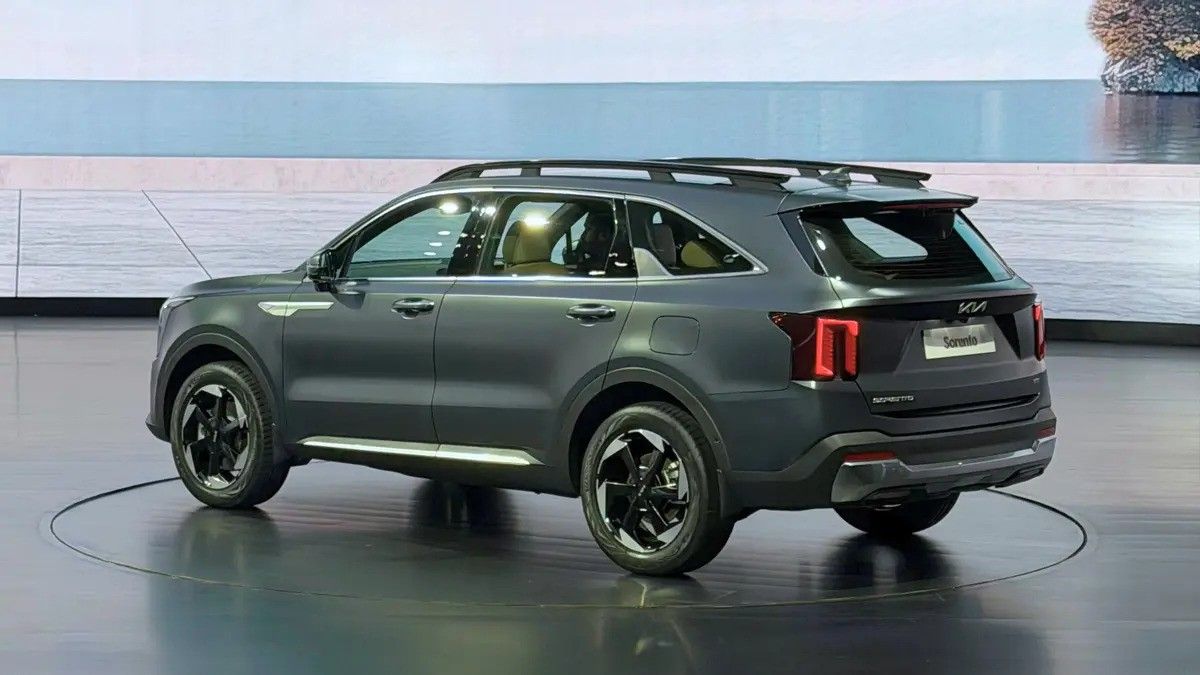
In this car warranty comparison India guide, we compare Kia warranty and Toyota warranty in the most practical way: overall structure, what each warranty typically covers, how long it stays valid and how flexible it is, how easy it is to claim, and whether the warranty can be transferred when you sell the car. Exact warranty terms can vary by model and by plan, so treat this as a clear comparison framework and verify the final terms for your specific car at purchase.
Table of Contents
Kia Car Warranty vs Toyota Car Warranty – Overview
Before you go into component-level coverage, it helps to compare the headline structure. This is where you’ll see key differences like kilometre limits and how the brands position extended warranty.
| Parameter | Kia Warranty | Toyota Warranty |
| Coverage Type | Manufacturer warranty for defects in material or workmanship; extended warranty available on eligible models | Manufacturer warranty for defects in material or workmanship; extended warranty available on eligible models |
| Coverage Duration | Commonly 3 years with unlimited kilometres for many Kia models; extended warranty typically adds 1 or 2 years on eligible vehicles | Commonly 3 years or 1,00,000 km, whichever comes first; extended warranty can extend total coverage up to 5 years with higher kilometre limits on eligible vehicles |
| Starting Point | Typically starts from date of new vehicle delivery, first sale, or registration as per warranty booklet | Typically starts from date of new vehicle delivery, first sale, or registration as per warranty booklet |
| Transferability | Generally transferable to the next owner, subject to conditions and process | Generally transferable to the next owner, subject to conditions and process |
| Claim Process | Through authorised Kia service centres after inspection and diagnosis | Through authorised Toyota service centres after inspection and diagnosis |
| Support | Authorised service network support; service history and compliance matter | Authorised service network support; service history and compliance matter |
The biggest headline advantage for Kia cars is the mileage-friendly framing of its standard warranty on many models, which can feel simpler for owners who drive a lot. Toyota’s warranty structure is very clear and threshold-based, which suits buyers who prefer defined time and kilometre limits, especially when paired with Toyota’s extended warranty.
Kia Car Warranty vs Toyota Car Warranty: Coverage Scope
Coverage scope decides how helpful a warranty will be when something goes wrong. The table below compares major vehicle systems on Kia and Toyota cars, but remember that warranty decisions typically come down to defect versus wear versus external damage.
| Component/Area | Kia Warranty | Toyota Warranty |
| Engine and Transmission | Generally covered for manufacturing defects in covered components, subject to terms and exclusions | Generally covered for manufacturing defects in covered components, subject to terms and exclusions |
| Electrical Components | Covered for defects in covered electrical parts; exclusions may apply for accessory wiring, water exposure, or modifications | Covered for defects in covered electrical parts; exclusions may apply for accessory wiring, water exposure, or modifications |
| Suspension | Covered if failure is due to defect in covered parts; wear-related deterioration usually excluded | Covered if failure is due to defect in covered parts; wear-related deterioration usually excluded |
| Steering System | Covered for defects in covered parts; alignment and periodic adjustments typically excluded | Covered for defects in covered parts; alignment and periodic adjustments typically excluded |
| AC System | Covered for defects in covered parts; gas top-ups and consumables typically excluded | Covered for defects in covered parts; gas top-ups and consumables typically excluded |
| Fuel System | Covered for defects in covered components; fuel contamination issues typically excluded | Covered for defects in covered components; fuel contamination issues typically excluded |
| Wear and Tear | Generally not covered (brake pads, clutch wear, tyres, wipers, bulbs, filters, fluids, etc.) | Generally not covered (brake pads, clutch wear, tyres, wipers, bulbs, filters, fluids, etc.) |
Both Kia warranty and Toyota warranty are primarily defect protection, not a maintenance plan. Wear-and-tear items like brake pads, clutch wear, tyres, wiper blades, bulbs, filters, and fluids are typically excluded. This is normal across the industry.
External causes are another common exclusion zone. Flooding and water ingress, accident damage, rodent damage, and problems caused by contaminated fuel are usually treated as outside warranty because the cause is considered external. Electrical claims can also get complicated if the vehicle has aftermarket accessories with wiring changes that could plausibly cause the fault.
In real ownership, both Kia and Toyota cover the expensive fundamentals when the failure is clearly defect-related and the vehicle has been maintained correctly. Your best protection is simple: follow service schedules, keep job cards and invoices, and avoid risky modifications, especially electrical ones.
Kia Car Warranty vs Toyota Car Warranty: Validity & Flexibility
Validity decides how usable the warranty feels over time. Some owners care most about years, while others care about kilometres because they drive a lot. Extended warranty is where the flexibility difference shows up.
| Parameter | Kia Warranty | Toyota Warranty |
| Duration | Commonly 3 years with unlimited kilometres on many models | Commonly 3 years or 1,00,000 km, whichever comes first |
| Extendability | Extended warranty typically available as 1-year or 2-year add-on on eligible vehicles, taking coverage up to the 4th or 5th year | Extended warranty available on eligible vehicles, commonly extending total coverage up to 5 years with higher kilometre limits |
| Eligibility | Usually depends on model and enrolling within the allowed time window; policy terms apply | Usually depends on model and enrolling within the allowed time window; policy terms apply |
| Ownership Transfer | Generally allowed with documentation and conditions | Generally allowed with documentation and conditions |
If you drive high kilometres each year, Kia’s unlimited-kilometre standard warranty on many models is a practical advantage because you are less likely to hit a kilometre ceiling during the standard term. This reduces “odometer anxiety” and makes ownership feel simpler.
Toyota’s structure works extremely well for moderate-mileage users because the limits are clear and the extended warranty raises the protection ceiling significantly for eligible vehicles. Toyota also provides separate warranty coverage on specific technologies in some models, such as hybrid systems, where battery warranty terms can be defined separately on Toyota hybrids.
Transferability is valuable for resale in both cases, but it typically requires proper service records and following the brand’s transfer process within the defined timelines.
Short takeaway: Kia is more mileage-friendly during the standard term, while Toyota’s extended warranty structure is attractive for owners whose kilometres align with the defined limits.
Kia Car Warranty vs Toyota Car Warranty: Claim Process & Ease of Service
A warranty is only valuable if you can actually use it without friction. The claim process is broadly similar across manufacturers, and delays usually come from diagnosis complexity or parts availability rather than the claim filing itself.
| Parameter | Kia Warranty | Toyota Warranty |
| Claim Method | Visit authorised service centre for inspection, diagnosis, and warranty validation | Visit authorised service centre for inspection, diagnosis, and warranty validation |
| Process Time | Depends on diagnosis complexity, approvals (if needed), and part availability | Depends on diagnosis complexity, approvals (if needed), and part availability |
| Payment Type | Covered repairs typically processed as warranty; customer pays for non-covered items and consumables | Covered repairs typically processed as warranty; customer pays for non-covered items and consumables |
| Assistance | Service advisor coordinates job card, diagnosis, and warranty processing | Service advisor coordinates job card, diagnosis, and warranty processing |
| Documentation | Service history and job card notes typically required; additional documents may be requested | Service history and job card notes typically required; additional documents may be requested |
Claims are usually smooth when the issue is clearly defect-related and the car has been serviced on schedule. Grey-zone cases are the ones that take longer, such as suspension noises that could be wear or impact-related, electrical faults that could be linked to accessories, or issues after water exposure.
The best owner habit for both brands is consistent, timely servicing and keeping paperwork. That reduces disputes and speeds up approvals.
Summary
Kia warranty and Toyota warranty both provide solid manufacturer-backed defect coverage, and both typically offer extended warranty and transferability under conditions. They also share similar exclusions in principle, especially wear-and-tear items and damage caused by accidents, flooding, fuel contamination, or improper modifications.
Overall, Kia warranty is the better warranty to consider for a wider set of Indian buyers. The biggest reason is practicality: Kia’s standard warranty on many models is commonly framed as 3 years with unlimited kilometres, which fits a broad range of driving patterns and feels simpler for high-mileage owners. Kia’s extended warranty add-ons that push coverage into the 4th and 5th year can also be a strong value if you plan to keep the car longer, as long as you choose the right plan and maintain the vehicle properly.
Toyota warranty remains an excellent choice, especially for owners who prefer clear time-and-kilometre thresholds and want a defined extended warranty ceiling with higher kilometre limits. But for most buyers seeking an easier, more mileage-friendly baseline warranty experience, Kia has the overall edge.
FAQs about Kia Car Warranty vs. Toyota Car Warranty
Q. Which is better in this car warranty comparison India, Kia warranty or Toyota warranty?
Kia warranty is generally the better overall pick for many buyers because its standard warranty on many models is commonly unlimited kilometres for the first 3 years, which is easier for high-mileage usage.
Q. Does manufacturer warranty cover routine service and consumables?
No. Routine servicing, periodic maintenance, and consumables like brake pads, tyres, wipers, filters, bulbs, fluids, and clutch wear are typically excluded.
Q. Are electronics and infotainment covered under warranty?
If a covered electronic unit fails due to a manufacturing defect, it is typically covered. Faults linked to water exposure, physical damage, or aftermarket wiring can complicate claims.
Q. Can Kia or Toyota warranty be transferred to the next owner?
In many cases, yes, subject to conditions and a documented transfer process. Clean service history and compliance with policy terms help.
Q. What are common reasons for warranty claim rejection?
Missed scheduled services, unauthorised repairs, risky electrical modifications, non-genuine parts in sensitive systems, and damage linked to accidents, flooding, or fuel contamination are common reasons.