





Car Warranty Comparison: Honda Warranty vs. Kia Warranty

Last updated 3 weeks ago
Compare Honda and Kia warranty in this car warranty comparison India guide. See coverage scope, duration, transferability, flexibility, and claim process to choose the right warranty.
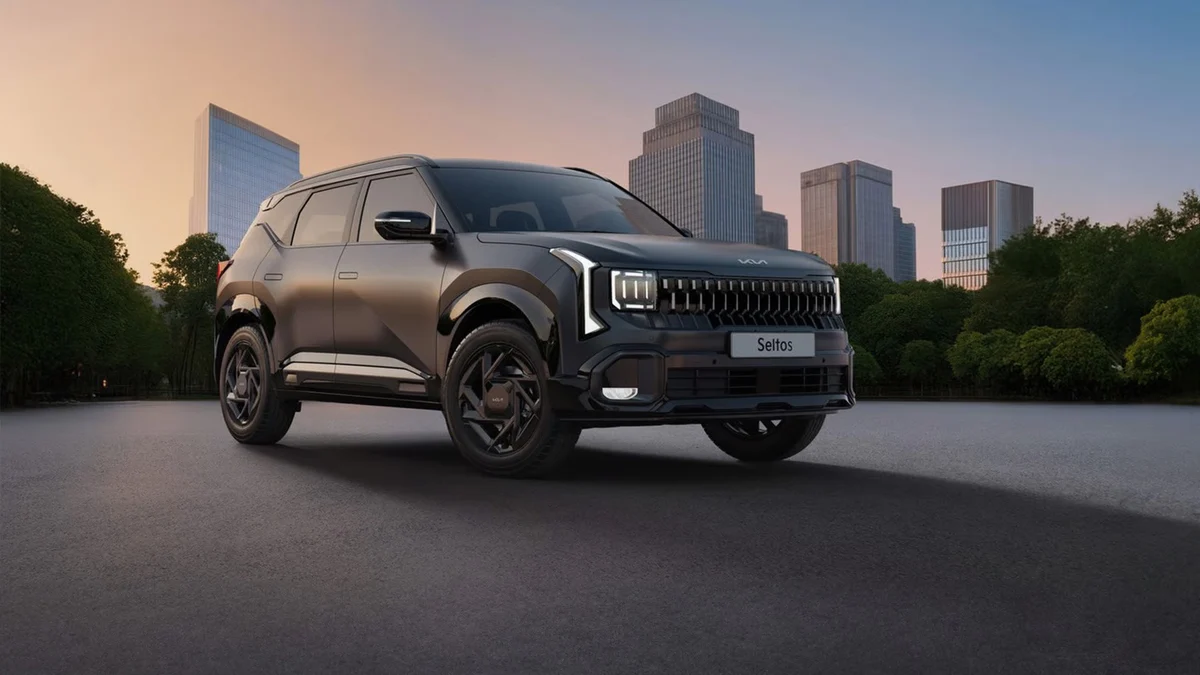
New Kia Seltos
Last updated 3 weeks ago

A car warranty is meant to protect you from unexpected repair costs when a component fails due to a manufacturing defect. It matters most in the first few years of ownership, when you want predictable costs and quick support if something goes wrong.

In this car warranty comparison guide, we compare Honda warranty and Kia warranty on the parameters that affect real ownership: what each warranty covers, how long it stays valid, how flexible extended coverage is, whether it transfers to the next owner, and how the claim process typically works at authorised service centres. Warranty terms can vary by model and by the plan you choose, so use this as a comparison framework and confirm the exact terms for your car at purchase.

Honda Warranty vs Kia Warranty Overview

Before we get into what is covered, it helps to compare the overall structure of both Honda warranty and Kia warranty. This table gives you a quick, decision-friendly snapshot of the most important headline parameters.

ParameterHonda WarrantyKia Warranty
Coverage TypeManufacturer warranty for defects in material or workmanship; extended warranty options available on eligible modelsManufacturer warranty for defects in material or workmanship; extended warranty options available on eligible models
Coverage DurationStandard warranty is commonly 3 years with unlimited kilometres on many models; extended warranty options can take coverage up to longer tenures on eligible modelsStandard warranty is commonly 3 years with unlimited kilometres on key models; extended warranty options are typically available as add-on years on eligible models
Starting PointUsually starts from new vehicle delivery, first sale, or registration date as per warranty bookletUsually starts from new vehicle delivery, first sale, or registration date as per warranty booklet
TransferabilityGenerally transferable to the next owner, subject to conditions and processGenerally transferable to the next owner, subject to conditions and process
Claim ProcessThrough authorised Honda service centres after inspection and diagnosisThrough authorised Kia service centres after inspection and diagnosis
SupportAuthorised service network support; service history and compliance matterAuthorised service network support; service history and compliance matter

Both warranties are built on the same promise: if a covered part fails due to a manufacturing defect within the warranty period, the brand will repair or replace it as per policy. The key day-to-day difference is how the duration is framed and how you can extend coverage to match how long you plan to keep the car.

If you drive a lot each year, unlimited-kilometre framing can feel more relaxed because you do not have to track kilometre thresholds. If your usage is moderate, extended warranty value depends more on what it adds and how cleanly it carries forward the base coverage.

Honda Warranty vs Kia Warranty: Coverage Scope

Coverage scope decides whether a warranty will actually help when something goes wrong. The best way to compare scope is to look at major systems and then remember that warranty decisions usually come down to defect versus wear versus external damage.

Component/AreaHonda WarrantyKia Warranty
Engine and TransmissionGenerally covered for manufacturing defects in covered components, subject to terms and exclusionsGenerally covered for manufacturing defects in covered components, subject to terms and exclusions
Electrical ComponentsCovered for defects in covered electrical parts; exclusions may apply for accessories, water exposure, or modificationsCovered for defects in covered electrical parts; exclusions may apply for accessories, water exposure, or modifications
SuspensionCovered if a covered part fails due to defect; wear-related deterioration usually excludedCovered if a covered part fails due to defect; wear-related deterioration usually excluded
Steering SystemCovered for defects in covered parts; alignment and adjustments typically excludedCovered for defects in covered parts; alignment and adjustments typically excluded
AC SystemCovered for defects in covered parts; gas top-ups and consumables typically excludedCovered for defects in covered parts; gas top-ups and consumables typically excluded
Fuel SystemCovered for defects in covered components; fuel contamination issues typically excludedCovered for defects in covered components; fuel contamination issues typically excluded
Wear and TearGenerally not covered (brake pads, clutch wear, tyres, wipers, bulbs, filters, fluids, etc.)Generally not covered (brake pads, clutch wear, tyres, wipers, bulbs, filters, fluids, etc.)

Both Honda and Kia car warranties mainly protect you against manufacturing defects, not routine maintenance. This distinction is crucial. Brake pads wearing out, clutch wear in traffic, tyres, wipers, bulbs, filters, and fluids are typically treated as consumables and excluded.

Many claim disputes happen in the grey zone, where a symptom could be defect-related or usage-related. Suspension noises, rattles, and some electrical faults can fall here. Another common complication is aftermarket electrical accessories, especially if wiring changes cause faults. For smooth warranty support, it is safest to keep modifications minimal and ensure service schedules are followed.

Both brands cover major mechanical and electrical systems for defect-related failures, while wear items and most external-cause damage remain outside warranty.

Honda Warranty vs Kia Warranty: Validity & Flexibility

Validity is where the warranty has to fit your lifestyle. Some owners care most about years. Others care about kilometres because they drive a lot. Extended warranty makes the biggest difference for people who plan to keep the car beyond the base term.

ParameterHonda WarrantyKia Warranty
DurationCommonly 3 years with unlimited kilometres on many models; extended warranty can be available up to 7 years on eligible models and conditionsCommonly 3 years with unlimited kilometres on key models; extended warranty is typically available as 1 or 2 additional years on eligible models, often with multiple km options
ExtendabilityExtended warranty plans available on eligible models; some programmes offer longer total tenuresExtended warranty typically allows extending coverage by 1 year or 2 years on eligible models
EligibilityUsually depends on model, enrolling within allowed time window, service history, and policy termsUsually depends on model, enrolling within allowed time window, service history, and policy terms
Ownership TransferGenerally allowed with documentation and conditionsGenerally allowed with documentation and conditions

Honda’s big practical advantage is its mileage-friendly framing on standard warranty for many models. For high-mileage users, this reduces the risk of warranty ending early due to kilometres. Honda also offers extended warranty options that can stretch to long tenures on eligible models, which is attractive for owners who keep cars longer.

Kia’s standard warranty structure is also reassuring for many buyers, and its extended warranty is typically positioned as an add-on that extends protection by one or two years. Kia also offers multiple extended warranty combinations, including options that may be km-limited or unlimited depending on the plan.

If you drive moderate kilometres, both are easy to live with. If you drive high kilometres, Honda’s longer-tenure and mileage-friendly positioning can feel more flexible, while Kia owners should focus on picking the extended plan variant that matches their annual running.

Both offer extension and transfer options, but Honda’s longer-tenure direction tends to suit long-term, high-usage ownership more easily.

Honda Warranty vs Kia Warranty: Claim Process & Ease of Service

Claim process matters because a great warranty on paper should also be usable in real life. In India, turnaround time can depend on diagnostics and part availability, so understanding the typical claim flow helps set the right expectations.

ParameterHonda WarrantyKia Warranty
Claim MethodAuthorised service centre visit, inspection, diagnosis, and warranty validationAuthorised service centre visit, inspection, diagnosis, and warranty validation
Process TimeDepends on diagnosis complexity, approvals (if needed), and part availabilityDepends on diagnosis complexity, approvals (if needed), and part availability
Payment TypeCovered repairs are typically processed as warranty; customer pays for non-covered items and consumablesCovered repairs are typically processed as warranty; customer pays for non-covered items and consumables
AssistanceService advisor coordinates job card, diagnosis, and warranty processingService advisor coordinates job card, diagnosis, and warranty processing
DocumentationService history and job card notes typically required; additional documents may be requestedService history and job card notes typically required; additional documents may be requested

For both brands, claims tend to be smooth when the issue is clearly defect-related and the car has been serviced on time with proper records. Delays usually happen in borderline cases such as wear-versus-defect disputes, electrical issues linked to accessories, or problems following water exposure.

Your best strategy is simple: follow service schedules, keep invoices and job cards, avoid risky wiring changes, and report issues early so they can be diagnosed within warranty validity.

Summary

Honda warranty and Kia warranty are both strong manufacturer-backed programmes that protect against defect-related failures in major systems during the coverage period, while excluding wear-and-tear and most external-cause damage. Both also typically allow extended warranty and transferability under conditions.

Overall, Honda warranty is the better warranty to consider for most buyers in India because it is commonly structured with unlimited kilometres on the standard warranty for many models and offers extended warranty options that can stretch to longer total tenures on eligible vehicles. This makes it especially compelling for high-mileage users and long-term owners who want predictable protection without worrying about hitting kilometre thresholds early.

Kia warranty remains a very solid choice, particularly if you pick the right extended warranty option for your kilometres and keep service history clean. But as a broader default pick across mixed usage patterns, Honda’s mileage-friendly framing and longer-tenure direction gives it the edge.

FAQ about Honda Warranty vs. Kia Warranty

  1. Q. Which is better in this car warranty comparison India, Honda warranty or Kia warranty?

    Honda warranty is generally the better overall option for many buyers because it is commonly structured with unlimited kilometres in the standard term on many models and offers longer-tenure extended warranty options on eligible vehicles.

  2. Q. Does manufacturer warranty cover routine servicing and consumables?

    No. Routine servicing, periodic maintenance, and consumables like brake pads, clutch wear, filters, fluids, and wipers are typically excluded.

  3. Q. Are electronics and infotainment covered under warranty?

    If a covered electrical or electronic unit fails due to a manufacturing defect, it is typically covered. Damage linked to water exposure, physical impact, or aftermarket wiring can complicate claims.

  4. Q. Can Honda or Kia warranty be transferred to the next owner?

    In many cases, yes, subject to conditions and completing the transfer process with proper documentation and service history.

  5. Q. What are common reasons for warranty claim rejection?

    Missed scheduled services, unauthorised repairs, risky electrical modifications, use of non-genuine parts in sensitive systems, and damage related to accidents, flooding, or fuel contamination are common reasons.

Share

Leave a Comment

Your email address will not be published. Required fields are marked *

A-Z Glossary

Every car part & feature, explained

News

The latest from the automotive world
Best Cars

The crème de la crème of cars

Rules & Regulations

Every law & regulation, explained

Car Ownership

Everyday car-care tips & advice

Buying a car

Make the right buying decision

Selling a car

Make the right selling decision

Miscellaneous

Cars & eveything in-between

5,000,000+ Readers

We’re ❤️ne big family!

Follow us for accurate, impartial & up-to-date information around everything related to cars – Latest news & developments, best options for every budget & lifestyle, ownership tips, buying & selling advice and a lot more on Spinny Magazine.

Unbiased
Rated 4.5 out of 5
Reliable
Rated 4.5 out of 5
Helpful
Rated 4.5 out of 5
Scroll to Top

Want to Sell your Car?

Choose your brand below to get started: