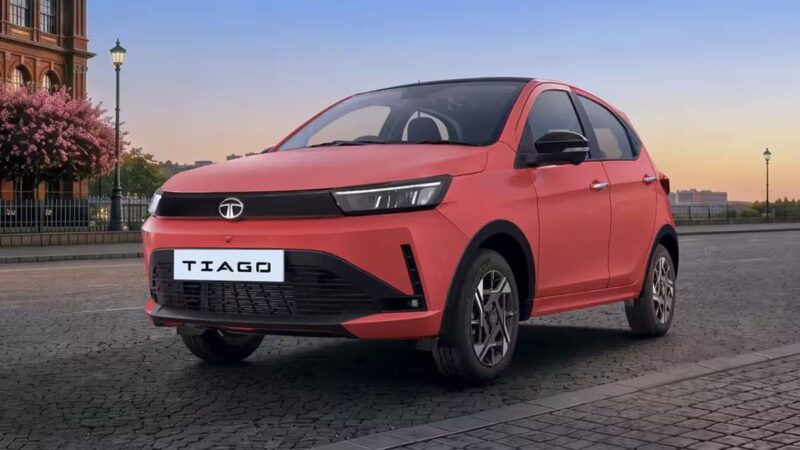
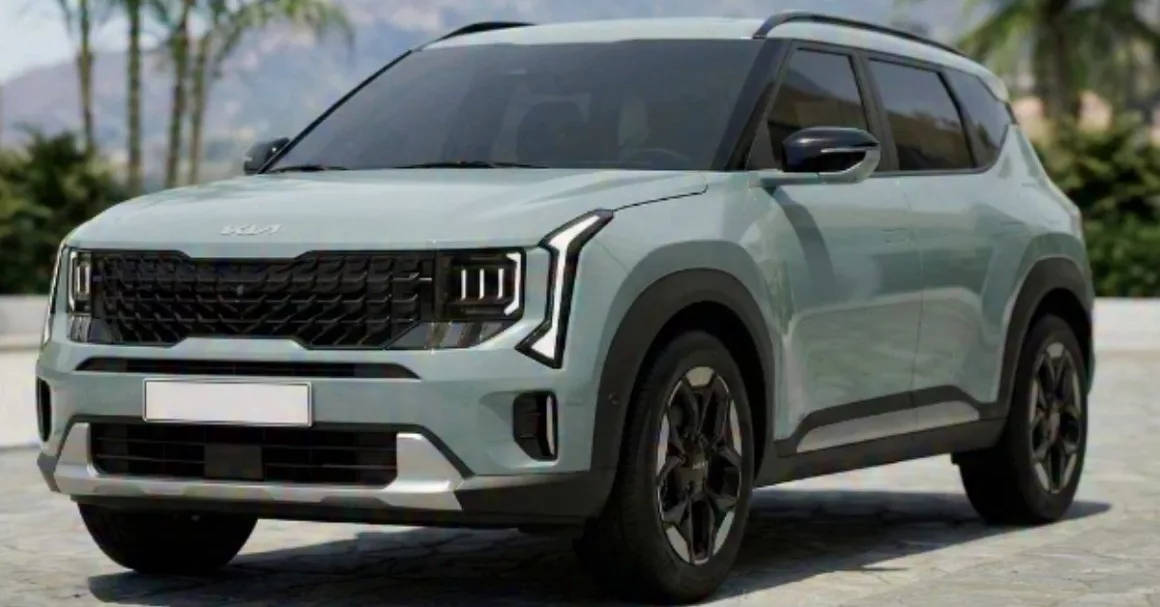
Owning a vehicle in the long term comes with several associated costs. Thus, when buying a car, we usually go for reliable brands that ensure high-quality and reliable services under warranty. This is where both Maruti Suzuki and Kia shine, offering nationwide support, a comprehensive warranty for manufacturing defects and hassle-free ownership.
Wondering which one will better suit your driving needs? In this car warranty comparison, we are going to assess both Maruti and Kia car warranty based on aspects like coverage, flexibility, validity and claim process.
Maruti Suzuki Warranty vs Kia Warranty – Overview
Warranty programmes are a major factor that influences the decision to choose between Maruti Suzuki and Kia. They help determine the long-term cost of ownership, the quality of service, and the customer’s peace of mind. Both brands provide comprehensive coverage, but they can differ significantly in details (such as duration, flexibility, and extended protection).
Here’s a tabular representation comparing the warranty parameters of Maruti Suzuki and Kia:
| Parameter | Maruti Suzuki | Kia |
| Coverage Type | Standard & Extended (Platinum, Royal Platinum, Solitaire) | Standard 3-year warranty + Extended warranty (4–7 years) |
| Coverage Duration | Standard: 3 yrs / 1,00,000 km Extended: Up to 6 yrs / 1,60,000 km | Standard: 3 yrs / Unlimited km for all models Extended: Up to 7 yrs / 1,60,000 km coverage |
| Starting Point | From the date of purchase | From the date of delivery to the first owner |
| Transferability | Extended warranty transferable to new owner | Warranty transferable for subsequent owners within India |
| Claim Process | Step-by-step at authorised Maruti Suzuki service centres (inspection, documentation, claim follow-up) | Structured process through Kia’s authorised network (documentation, inspection, claim approval) |
| Support | All authorised Maruti Suzuki service centres across India | Kia’s authorised service network + 24/7 roadside assistance, towing, trip interruption benefits |
Maruti Suzuki and Kia both have warranty protections that cover the major mechanical and electrical components of the car. Maruti warranty offers extended coverage up to 6 years/1,60,000 km, making it a good option for users with long-term needs.
Kia, on the other hand, is differentiating itself with a 3-year unlimited-kilometre standard warranty, comprehensive coverage for all the essential parts, and extended warranties of up to 7 years, supported by roadside assistance and trip interruption benefits. By understanding the differences between these frameworks, buyers can find the most appropriate protection plan for their driving habits, usage patterns, and long-term maintenance expectations.
Maruti Suzuki Warranty vs Kia Warranty: Coverage Scope (What Each Warranty Includes)
Knowing which parts are covered by a vehicle’s warranty is the basis for evaluating long-term ownership costs and reliability. Both Maruti Suzuki and Kia cover the most essential mechanical and electrical systems; however, they differ in the scope, exclusions, and additional protection.
Below is a detailed comparison of what each brand covers:
| Component | Maruti Suzuki | Kia |
| Engine & Transmission | Covers major engine components like engine block, pistons, gears, cylinder heads, cooling & lubrication systems, gearbox & internal components. | Covers engine, transmission, drivetrain, and powertrain components. All major mechanical parts are included under the standard warranty. |
| Electrical Components | Alternator, sensors, wiring harness, and major electronic modules. | Alternator, sensors, wiring harness, and major electronic modules. AV/AVNT components under separate 2-year/50,000 km coverage. |
| Suspension & Steering System | Shock absorbers, struts, steering column, linkage and related parts. | Covers suspension, struts, steering linkage and components. |
| Air Conditioning / Cooling System | Radiator, condenser, A/C compressor, and cooling system components. | Covers the A/C system, radiator, and cooling system under standard warranty. |
| Fuel System | Mechanical fuel system components covered. | Standard warranty covers mechanical fuel system components. |
| Wear & Tear / Consumables | Excluded: Brake pads, clutch plates, tyres, wipers, bulbs, routine maintenance, and cosmetic damage. | Excluded: Brake pads, spark plugs, belts, clutch discs, filters, wipers, bulbs, fluids, cosmetic imperfections, unauthorised modifications, and environmental damage. |
Both brands offer a good protection package for the engine, drivetrain, electrical systems, and suspension. On top of that, the Kia warranty has a lot of bonus features, such as 24/7 roadside assistance, towing, and trip interruption support, to enhance the customer’s experience and make it more comfortable.
Maruti Suzuki’s extended warranty plans can be as long as 6 years/1,60,000 km, while Kia’s extended plans can be up to 7 years but with certain conditions related to vehicle maintenance, kilometre limits, and non-modification.
These differences in coverage give buyers an opportunity to determine which brand aligns more closely with their long-term reliability expectations and their preferences for warranty-related services.
Maruti Suzuki Warranty vs Kia Warranty: Validity & Flexibility
When comparing car warranties, it is also essential to be aware of each brand’s validity and flexibility possibilities. These aspects not only indicate how long your vehicle will be under protection but also give you an idea of how well the warranty aligns with your long-term ownership plans.
The two brands, Maruti Suzuki and Kia, offer standard warranty coverage that can be extended. Nevertheless, they vary in terms of the structure, duration, and requirements for eligibility, as follows:
| Parameter | Maruti Suzuki | Kia |
| Duration | Standard: 3 years / 1,00,000 kmExtended: Up to 6 years / 1,60,000 km | Standard: 3 years / Unlimited km (private)3 years / 1,00,000 km (commercial)Extended: Up to 7 years (model-dependent) |
| Extendability | Tier-based plans: Platinum, Royal Platinum, Solitaire | Extended warranty purchasable up to 34 months, or 58 months for select models; coverage up to 7 years |
| Eligibility | Available for all new Maruti cars; must purchase before the standard warranty expires | Available for all new Kia cars with proper PMS history; no accident, flood, or unauthorised modifications |
| Ownership Transfer | Fully transferable to the next owner | Fully transferable within India, including commercial vehicles |
Maruti Suzuki has three different levels of extended plans, which are well-structured and give flexibility in terms of tenure and coverage, while Kia gives 3 years of unlimited-kilometre standard warranty, with the extended warranty options going as far as 7 years, depending on the model and usage. Kia also follows a detailed eligibility process that includes vehicle condition and service compliance.
Moreover, both manufacturers allow warranty transfers to new owners, ensuring continued protection even when the vehicle changes hands. Knowing these differences enables buyers to select the most appropriate warranty structure for their anticipated usage, driving habits, and long-term investment objectives.
Maruti Suzuki Warranty vs Kia Warranty: Claim Process & Ease of Service
A smooth and hassle-free claim process is a critical part of any car warranty, as it ensures the timely resolution of defects without unnecessary inconvenience. Both Maruti Suzuki and Kia offer well-defined claim procedures backed by certified technicians and authorised service centres.
However, their support mechanisms and process details differ slightly, as outlined below:
| Parameter | Maruti Suzuki | Kia |
| Claim Method | Visit any authorised Maruti Suzuki service centre in person or via official contact channels. | Visit any authorised Kia service centre or contact Kia customer care through phone, email, or the Kia Link app. |
| Process Time | Depends on inspection and part availability; generally quick if records and documents are complete. | Depends on inspection, verification, and part availability; smooth when PMS history and documents are proper. |
| Payment Type | No charges for eligible repairs or replacements under standard or extended warranty. | No charges for approved repairs or replacements; labour is free for covered parts. |
| Assistance | Authorised service centres across India with customer care support. | Authorised service network with 24/7 roadside assistance, towing, and trip-interruption benefits. |
| Documentation Required | Warranty booklet, VIN, service records, issue description, and supporting photos/videos if necessary. | Warranty booklet, VIN/registration, PMS records, issue description, and supporting photos/videos. |
The warranty claim processes for both Maruti Suzuki and Kia are designed to be user-friendly and quick. The Maruti warranty provides a clear step-by-step process from inspection to follow-up, ensuring transparency throughout the claim cycle. Whereas Kia improves the experience with its efficient customer support system, roadside assistance, the provision of a towed vehicle to the nearest service station, and trip-interruption benefits.
In each case, repairs and/or replacements for parts covered by the warranty are performed at no cost to the customer if the vehicle has been maintained as per the company’s instructions and the necessary documents are presented. This organised approach contributes to stress-free ownership and timely issue resolution.
Summary
Deciding between Maruti Suzuki and Kia ultimately depends on what matters most to you when having a car and how you will use it in the long run. Maruti Suzuki features a well-organised, tier-based extended warranty system with up to 6 years/1,60,000 km coverage, thus turning it into a trustworthy option for long-term users who prefer transparency and ease.
The Kia warranty, on the other hand, provides better standard protection in the form of a 3-year unlimited-kilometre warranty, along with the promise of up to 7 years of extended coverage, plus other benefits such as 24/7 roadside assistance and trip-interruption facilitation.
Both brands ensure strong protection for the most critical mechanical and electrical components, but Kia wins with its customer-focused support ecosystem, while Maruti attracts buyers seeking long-term cost efficiency and a widespread service network.
FAQs about Maruti Suzuki Car Warranty vs Kia Car Warranty
Q. Which brand offers a longer warranty: Maruti Suzuki or Kia?
Kia has the longer coverage, with the extended warranty options being able to stretch as far as 7 years, thereby providing long-term owners with more peace of mind. Maruti Suzuki, on the other hand, offers up to 6 years/1,60,000 km, which is strong but slightly shorter than Kia’s offering.
Q. Can I transfer my car warranty to a new owner?
Both Maruti Suzuki and Kia offer a warranty transfer option, making the resale of your car more convenient and valuable to future buyers.
Q. Do both Maruti Suzuki and Kia cover engine and transmission failures?
Yes, both Maruti Suzuki and Kia provide full coverage of the most crucial parts of the engine, gearbox, and powertrain. Such a scope is ultimately aimed at safeguarding the owners against hefty mechanical breakdowns that may occur in the warranty period.
Q. Which brand has a simpler extended warranty structure: Maruti Suzuki or Kia?
Maruti Suzuki offers clearer tier-based plans like Platinum, Royal Platinum, and Solitaire, making the upgrade path simple and predictable. While Kia’s model-wise options offer flexibility, they come with more conditions and eligibility checks.
Q. Which warranty is better for high-mileage users: Maruti Suzuki or Kia?
Kia is the stronger choice for high-mileage drivers thanks to its unlimited-kilometre standard warranty and 7-year extended warranty. Maruti Suzuki offers dependable coverage, but its kilometre cap makes it better suited for moderate annual usage.