



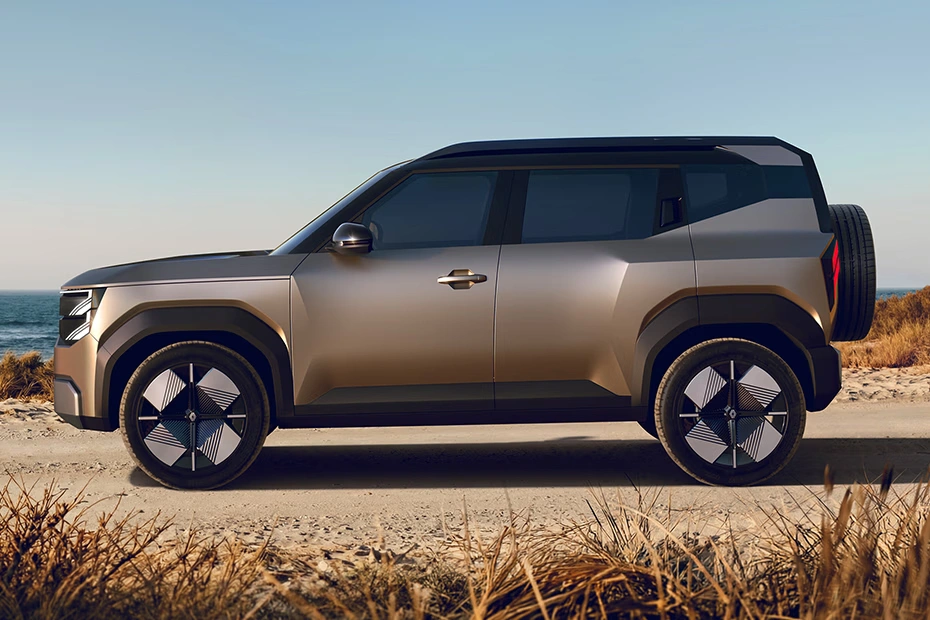

The mid-size SUV segment in India is dynamic, and now buyers are not only looking for size and power. In the end, it comes down to comfort, safety, efficiency and overall value. The Renault Duster and Citroen Basalt are two cars that take a very different direction in this segment.
The ruggedness, comfort and some ability of the Renault Duster to whip through mixed road conditions had been well-known for a long time. In contrast, the Citroen Basalt features a new design language, coupe-SUV styling, optimal comfort, and an emphasis on safety.
In this Renault Duster vs Citroen Basalt comparison, we dissect each critical parameter from length and engines to features, safety and price to tell you which SUV is the better fit for you.
Table of Contents
Renault Duster vs Citroen Basalt: Dimensions
| Dimension | Renault Duster | Citroen Basalt |
| Length | 4,343 mm | 4,352 mm |
| Width | 1,813 mm | 1,765 mm |
| Height | 1,659 mm | 1,593 mm |
| Wheelbase | 2,657 mm | 2,651 mm |
| Boot Space | 518 litres | 470 litres |
| Ground Clearance | 212 mm | 205 mm |
The design of the Renault Duster SUV is timeless, stemming from its brand character defined by its upright stance and confident driving position. The ride is comfortable, especially when the roads get rough, taking potholes and bad patches in its stride. This makes the duster car a new model, a solid and reliable package for customers who frequently see borderline off-road conditions or drive long distances.
The Citroen Basalt, in contrast, takes a more chic route with its downward-sloping roofline and slimline aesthetic. You get a contemporary, handsome road presence, but the slung-down form also results in a lack of that adventurer’s high driving position you would expect from an SUV.
The Duster also feels more spacious on the inside, especially for rear seat passengers, which helps comfort over long distances. Both SUVs remain usable in boot space, meaning these are not just for monthly errands but also for short trips.
One-line summary: The Renault Duster offers a more traditional SUV stance and better ground clearance, while the Citroen Basalt focuses on sleek design with similar practicality.
Also Read: Best Used Renault Cars In India
Renault Duster vs Citroen Basalt: Engine & Transmission
| Specification | Renault Duster | Citroen Basalt |
| Engine Options | 1.3L Turbo Petrol | 1.2L Turbo Petrol |
| Transmission Options | 6-speed MT / CVT | 6-speed MT, 6-speed AT |
| Power | 163 PS | 110 PS |
| Torque | 280 Nm | 205 Nm |
| Mileage | Up to 25 kmpl | Up to 18 kmpl |
*Note: These specs (163 PS / 280 Nm) apply only to the 1.3L Turbo Petrol version (Evolution, Techno, and Emotion trims). The base model and the Hybrid variant have different performance figures.
Renault Duster provides excellent road presence; much of it due to its performance, though it feels more potent on the road, particularly at higher speeds and where the highway languishes for miles. The performance strikes the ideal balance between swift overtaking and effortless cruising, which takes the hard work out of long-distance travelling. That also makes it a more suitable buy for those who frequently have passengers or cargo onboard and want dependable performance in a variety of circumstances.
Citroen Basalt gets a more relaxed and urban approach. Power delivery itself is smooth and predictable, ideal for stop-and-go traffic and daily commuting. In the Citroen Basalt, it is always the efficiency that draws attention, which is what makes these Citroen Basalt mileage attractive to users, as they choose lower running costs than raw performance.
In general, the Basalt is friendly and easy in daily urban usage, while the Renault Duster feels more confident when pushed harder or driven on challenging roads.
One-line summary: The Duster delivers stronger performance and highway confidence, while the Basalt prioritises smoothness and efficiency for everyday driving.
Also Read: Comparison: Citroen Basalt vs Citroen C3 Aircross
Renault Duster vs Citroen Basalt: Features & Comfort
| Feature | Renault Duster | Citroen Basalt |
| Infotainment System | 10.1-inch floating touchscreen | 10.2-inch touchscreen |
| Music System | Standard-Premium hybrid | 6 speakers |
| Climate Control | Automatic | Automatic |
| Ventilated Seats | Yes | No |
| Adjustable Steering | Yes | Tilt & telescopic |
| Drive Modes | Yes | Standard |
| Instrument Cluster | Fully digital | Digital |
| Sunroof | Yes | Yes |
| Adjustable Seats | Manual/digitally adjustable(top variants) | Manual |
| Rear AC Vents | Yes | Yes |
| 60:40 Rear Seat Split | Yes | Yes |
| Cruise Control | Yes | Yes |
The cabin of the Renault Duster is more about practicality than luxury. It is a simple layout with organised controls. Not only do they provide good back support, but they are also tuned for long stretches of time behind the wheel, which means they are comfortable for the highway. The Renault Duster interior is more practical than extraordinarily appealing, which might appeal to consumers who would like something without excessive screens.
But what is surprising is just how compromised the Citroen Basalt seems in comparison to that comfort-oriented setup. For sure, the cushy seats, as well as the suspension, are tuned well to eliminate bumps, at least in the city. The cabin receives lots of light despite the low, fast roofline, and ride comfort continues to be one of its greatest trademarks.
The feature list on both SUVs is solid, but neither is swamped with extraneous technology. It is to do with the tuning: the Duster feels well built and firm, the Basalt feels soft and loungy.
One-line summary: The Duster feels rugged and long-distance friendly, while the Basalt excels in ride comfort and everyday usability.
Renault Duster vs Citroen Basalt: Safety Features
| Safety Feature | Renault Duster | Citroen Basalt |
| NCAP Safety Rating | Awaiting Test (Targeting 5*) | Bharat NCAP 4-star |
| Airbags | 6 | 6 |
| ABS with EBD | Yes | Yes |
| ESC | Yes | Yes |
| Traction Control | Yes | Yes |
| Automatic Headlamps | Yes | Yes |
| Rain-sensing Wipers | Yes | Yes |
| Hill Hold Assist | Yes | Yes |
| Hill Descent Control | Yes | No |
| Rear Sensors | Yes | Yes |
| Rear Parking Camera | Yes | Yes |
| ISOFIX Anchors | Yes | Yes |
| ADAS | Yes | No |
The Basalt boasts impressive safety ratings after having performed well in crash tests, which offers some reassurance for buyers who value occupant protection more than anything else. This makes it a desirable choice for safety-minded families looking for an everyday SUV.
The Renault Duster consists of a bigger collection of driver assistance as well as control functions that are useful in actual driving circumstances (specifically on steep streets or rough roadway problems). The Renault Duster price also makes these additional features feel within reach, and buyers doing an overall cost of ownership comparison, along with safety, will also factor this into their buying equations.
In other words, the Basalt is aimed at lives that place a higher emphasis on confirmed protection from crashes, whereas the Duster caters to the drivers who appreciate more driving assistance systems and assuredness in mixed terrains.
One-line summary: The Basalt scores higher in crash safety, while the Duster offers more advanced driver assistance features.
Renault Duster vs Citroen Basalt: Price Comparison
| Variant Type | Renault Duster (Ex-showroom) | Citroen Basalt (Ex-showroom) |
| Base Variant | ₹10-11 lakh (approx.) | ₹11–12 lakh (approx.) |
| Mid Variant | ₹12.5 lakh (approx.) | ₹14–15 lakh (approx.) |
| Upper Mid Variant | ₹14 lakh (approx.) | ₹16–17 lakh (approx.) |
| Top Variant | ₹17-19 lakh (approx.) | ₹18–19 lakh (approx.) |
The Duster makes sense for buyers who want a competent overall SUV without going up a tier from a value perspective. A sensible choice for mixed city and highway driving for buyers whose priorities are strong road manners coupled with everyday practicality and long-term usability.
In contrast, the Citroen Basalt is all about modern form and comfort. For buyers who want something new and a little more premium in appearance without a wholesale step up in price, the Citroen Basalt price in India does feel competitive on the whole, given its feature list and safety emphasis.
In conclusion, the Duster will lure buyers looking for a well-established all-rounder compared to the Basalt, which would be more appealing to those who appreciate comfort, better safety and a modern aesthetic.
One-line summary: The Duster offers proven value and capability, while the Basalt balances pricing with safety and comfort.
Summary
So both the Renault Duster and Citroen Basalt have their own unique advantages. The Duster is a great option for buyers looking for a rugged go-anywhere SUV with the ability to be at home on the highway as well as bad roads. With a powerful motor, functional space, and reliable, though not particularly memorable, characteristics, it is a sensible jack-of-all-trades.
Buyers looking for better comfort, safety, and a modern design can opt for Citroen Basalt. Particularly tempting for families and urban users is its smooth ride quality, robust safety rating, and laid-back driving demeanour.
It basically boils down to what you value more – the Renault Duster is more performance-oriented and rugged, while the Citroen Basalt is geared towards comfort and safety.
FAQ about Renault Duster vs Citroen Basalt
Q. Which SUV is safer, the Renault Duster and Citroen Basalt?
The Citroen Basalt is considered safer because of its stronger Bharat NCAP crash rating, which provides added confidence in terms of occupant protection. The Duster balances this by offering additional driver assistance features that enhance safety during everyday driving.
Q. Which SUV is better for city driving?
The Citroen Basalt feels easier to handle in city traffic due to its light steering and comfortable ride. It is especially convenient in stop-and-go conditions and narrow urban streets.
Q. Is the Renault Duster good for long highway trips?
Yes, the Duster performs very well on highways thanks to its strong engine performance and stable handling at higher speeds. This makes it a good choice for buyers who frequently travel long distances.
Q. Which SUV offers better comfort?
The Basalt places a stronger focus on ride comfort, particularly over uneven city roads and speed breakers. Its suspension setup helps reduce fatigue for occupants during daily commutes.
Q. Which SUV offers better overall value?
The Duster suits buyers looking for performance and durability across varied driving conditions. The Basalt, meanwhile, appeals to those who prioritise safety, comfort, and a more modern driving experience.


