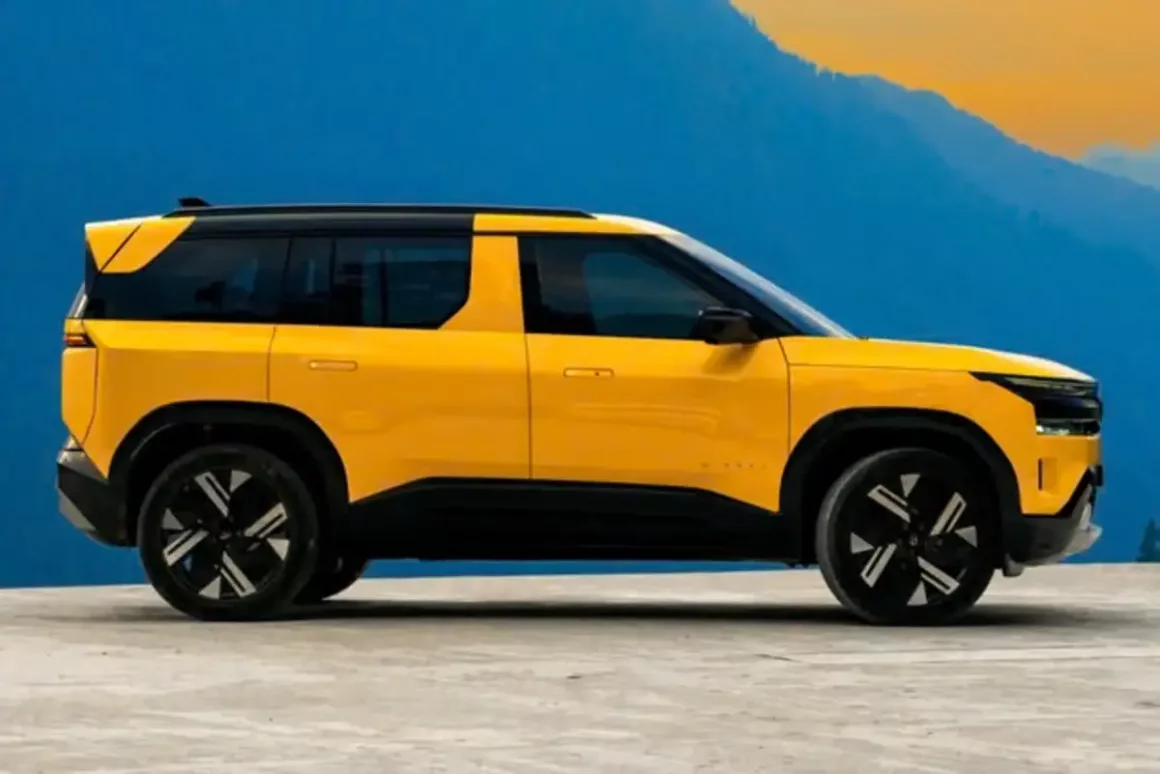
Tata’s SUV line-up now covers two very different “family” use-cases. The Tata Sierra is positioned as a modern, tech-forward 5-seater SUV that targets buyers who want a premium cabin experience and a practical footprint for daily use. The Tata Safari is the bigger, more established flagship SUV with 6- and 7-seat flexibility, stronger long-distance presence, and a safety story anchored in public crash-test ratings.
If you are confused between these two, the easiest way to decide is to start with your needs: do you want a 5-seater with a newer-age cabin vibe, or do you need a true family SUV with three-row practicality and a bigger-road feel?
Tata Sierra vs Tata Safari: Dimensions
Dimensions affect more than “bigger vs smaller”. A longer and wider SUV usually feels more planted on highways and offers more cabin room, but it can feel bulky in tight city parking. Seating layout also changes how boot space works in real life, especially for a three-row SUV.
| Dimension | Tata Sierra | Tata Safari |
| Length | 4340 mm | 4668 mm |
| Width | 1841 mm | 1922 mm |
| Height | 1715 mm | 1795 mm |
| Wheelbase | 2730 mm | 2741 mm |
| Boot space | 622 litres | 420 litres (with all rows up) |
| Ground clearance | 205 mm | 205 mm |
What the numbers mean for ownership:
- Safari is significantly larger in length and width, and that translates into a stronger road presence and typically more space for passengers.
- Sierra is shorter and narrower, which generally makes it easier to manoeuvre in city traffic and park in tighter spaces.
- Boot space is where you must read the fine print. Sierra’s 622-litre boot is in a straightforward 5-seat layout. Safari’s 420 litres is with all rows in use, and it grows substantially when the third row is folded.
- Ground clearance is identical, so speed breakers and broken patches won’t be a deciding factor.
Safari is the bigger, more road-dominant SUV, while Sierra is easier to live with in the city and offers a large boot in its 5-seat layout.
Tata Sierra vs Tata Safari: Engine & Transmission
Powertrain choices decide how relaxed the SUV feels at speed, how easily it overtakes when loaded, and what kind of refinement you get in everyday traffic. In India, it also affects running costs, especially if your monthly mileage is high.
| Powertrain detail | Tata Sierra | Tata Safari |
| Engine options | 1.5L petrol and 1.5L diesel options (variant dependent) | 2.0L diesel |
| Transmission options | Manual, torque converter automatic, dual-clutch automatic (variant dependent) | Manual and torque converter automatic |
| Power (claimed) | Ranges from 106 PS (NA petrol) up to about 118 hp (diesel, variant dependent) | 170 PS (diesel) |
| Torque (claimed) | Up to about 280 Nm (diesel, variant dependent) | 350 Nm (diesel) |
| Mileage | Variant-wise figures vary; check certified figures for your chosen variant | ARAI figures vary by variant, commonly quoted in the mid-teens kmpl range |
Driving experience context:
- Safari’s 2.0 diesel is the clear muscle option here. 170 PS and 350 Nm make it feel effortless on highways, especially with a full family onboard and luggage.
- Sierra offers more variety for buyers who prefer petrol refinement or want a different performance character depending on the variant.
- If your usage is heavy highway with frequent full-load trips, Safari’s stronger torque advantage is hard to ignore. It simply needs fewer downshifts and feels less strained.
- If your usage is more city-heavy with occasional highway runs, Sierra’s powertrain variety and smaller footprint can feel more convenient day to day.
Safari is the better pick for effortless, torque-rich highway performance, while Sierra gives you more powertrain variety depending on what you prioritise.
Also Read: Tata Sierra Real World Mileage
Tata Sierra vs Tata Safari: Features & Comfort
Features matter most when they improve daily comfort: screen usability, AC effectiveness in traffic, seat comfort in summer, and convenience on long drives. Since both cars have wide variant spreads, always compare the exact trims you’re considering.
| Feature | Tata Sierra | Tata Safari |
| Infotainment system | Large touchscreen; higher variants feature a triple-screen style dashboard layout | Large touchscreen (up to 12.3-inch on higher variants) |
| Music system | Premium audio options, including Dolby Atmos on higher variants | JBL multi-speaker setup on higher variants |
| Climate control | Automatic climate control; dual-zone on higher variants | Automatic climate control; dual-zone on higher variants |
| Ventilated seats | Yes (variant dependent) | Yes (variant dependent) |
| Adjustable steering | Yes | Yes |
| Drive modes | Yes (variant dependent) | Yes (City/Sport/Eco on higher variants) |
| Instrument cluster | Fully digital cluster on higher variants | Fully digital cluster on higher variants |
| Sunroof | Panoramic sunroof (variant dependent) | Panoramic sunroof (variant dependent) |
| Adjustable seats (manual or electric) | Powered seat functions on higher variants | Powered driver seat on higher variants; top trims add more power functions |
| Rear AC vents | Yes | Yes |
| 60:40 rear seat split | Yes | Yes (second row configuration varies by 6/7-seat layout) |
| Cruise control | Yes | Yes |
Comfort and usability takeaways:
- Sierra leans into the “new-age cabin” feel. If you care about a modern dashboard layout and a tech-first vibe, it will likely feel fresher.
- Safari’s strengths are family comfort and long-drive friendliness. Higher variants add features that matter on road trips, like premium audio, ventilated seats, dual-zone AC, and convenience add-ons.
- Seat configuration is a huge Safari advantage. If you need 6 or 7 seats, Sierra simply isn’t playing that game.
Sierra feels more tech-forward in cabin presentation, while Safari’s comfort story becomes stronger the moment you need three-row flexibility.
Tata Sierra vs Tata Safari: Safety Features
When comparing safety, public crash-test results should carry more weight than just counting features on a brochure. Safety assist tech helps avoid incidents, but crashworthiness matters most when an accident happens.
| Safety item | Tata Sierra | Tata Safari |
| NCAP safety rating | No public Bharat NCAP or Global NCAP rating published yet (as of Dec 2025) | 5-star Bharat NCAP rating (published) |
| Airbags | 6 airbags on many variants (variant dependent) | 6 airbags on lower trims; up to 7 airbags on top trims (variant dependent) |
| ABS with EBD | Yes | Yes |
| ESC | Yes (variant dependent) | Yes |
| Traction control | Yes (variant dependent) | Yes |
| Automatic headlamps | Yes (variant dependent) | Yes (higher variants) |
| Rain-sensing wipers | Yes (variant dependent) | Yes (higher variants) |
| Hill hold assist | Yes (variant dependent) | Yes |
| Hill descent control | Variant dependent | Variant dependent |
| Rear sensors | Yes | Yes |
| Rear parking camera | Yes (variant dependent) | Yes (variant dependent, 360 camera on higher variants) |
| ISOFIX child seat anchor points | Yes | Yes |
| ADAS | Level 2 ADAS on higher variants | Level 2 ADAS on higher variants |
Safety decision logic:
- Safari has the clearer advantage because it has a published 5-star Bharat NCAP rating. If you want your decision anchored in a public test result, Safari wins this section.
- Sierra may be well-equipped, but without an official public NCAP rating available yet, it cannot match Safari’s safety credibility on paper today.
- Between two Tata SUVs, both will likely offer strong core safety hardware in higher trims, but ratings still take priority over a longer feature list.
Safari is the stronger choice for safety today because it is backed by a published 5-star Bharat NCAP rating.
Tata Sierra vs Tata Safari: Price Comparison
Price is not only about the entry point. The real question is: at your budget, which SUV gives you the features and practicality you actually want? Also remember, Safari’s price includes the value of a larger SUV format and three-row flexibility.
| Price (ex-showroom) | Tata Sierra | Tata Safari |
| Base variant | 11.49 lakh (starting price) | 15.49 to 15.50 lakh (starting price) |
| Mid variant | Around 12.99 lakh (Pure range starts around here) | Around 18.49 lakh (Pure X, manual; AT is higher) |
| Upper-mid variant | Around 15.29 lakh (Adventure range starts around here) | Around 19.99 lakh (Adventure X+, manual; AT is higher) |
| Top variant | Up to 18.49 lakh | Up to about 26.69 lakh (top variants, depending on seating and transmission) |
- Sierra is far more accessible on price. If your budget is in the low-to-mid teens, it can get you into a higher trim level with more tech for the money.
- Safari costs more because it is a bigger SUV with stronger diesel output, three-row practicality, and a safety story backed by public crash-test results.
- If you do not need 6/7 seats, Sierra can feel like the smarter spend. If you do need three-row flexibility, Safari’s premium is easier to justify.
Sierra offers better value if you want a premium 5-seater experience within a tighter budget, while Safari justifies its higher price with size, seating flexibility, and proven safety credentials.
Summary
Choose the Tata Sierra if you want a modern 5-seater SUV with a tech-forward cabin feel, a large boot, and a significantly lower entry price that helps you reach feature-rich trims sooner. Choose the Tata Safari if you want a bigger flagship SUV with 6- and 7-seat flexibility, stronger diesel performance for full-load highway driving, and a safety decision you can back with a published 5-star Bharat NCAP rating. Overall, for most Indian family buyers who want maximum versatility and long-trip confidence, the Safari is the better car to consider because it combines three-row practicality, stronger torque, and proven crash-test performance. Sierra remains the better pick when you are sure a 5-seater fits your life and you want a more tech-first experience for the money.
FAQ about Tata Sierra vs Tata Safari
Q. Which one is better for a big family?
Tata Safari, because it offers 6- and 7-seat layouts, which are far more practical for larger families.
Q. Which SUV is easier to drive in the city?
Tata Sierra, because it is shorter and narrower, making it easier to manoeuvre and park.
Q. Which is safer based on crash-test ratings?
Tata Safari, because it has a published 5-star Bharat NCAP rating. Sierra does not yet have a public Bharat NCAP or Global NCAP rating published as of December 2025.
Q. Which is better for highway road trips?
Tata Safari, thanks to its stronger diesel output and higher torque, which helps when the vehicle is fully loaded.
Q. Which one offers better value for money?
If you want a feature-rich 5-seater within a lower budget, Sierra typically offers better value. If you need three-row flexibility and want a safety rating-backed flagship SUV, Safari offers better overall utility despite the higher price.