









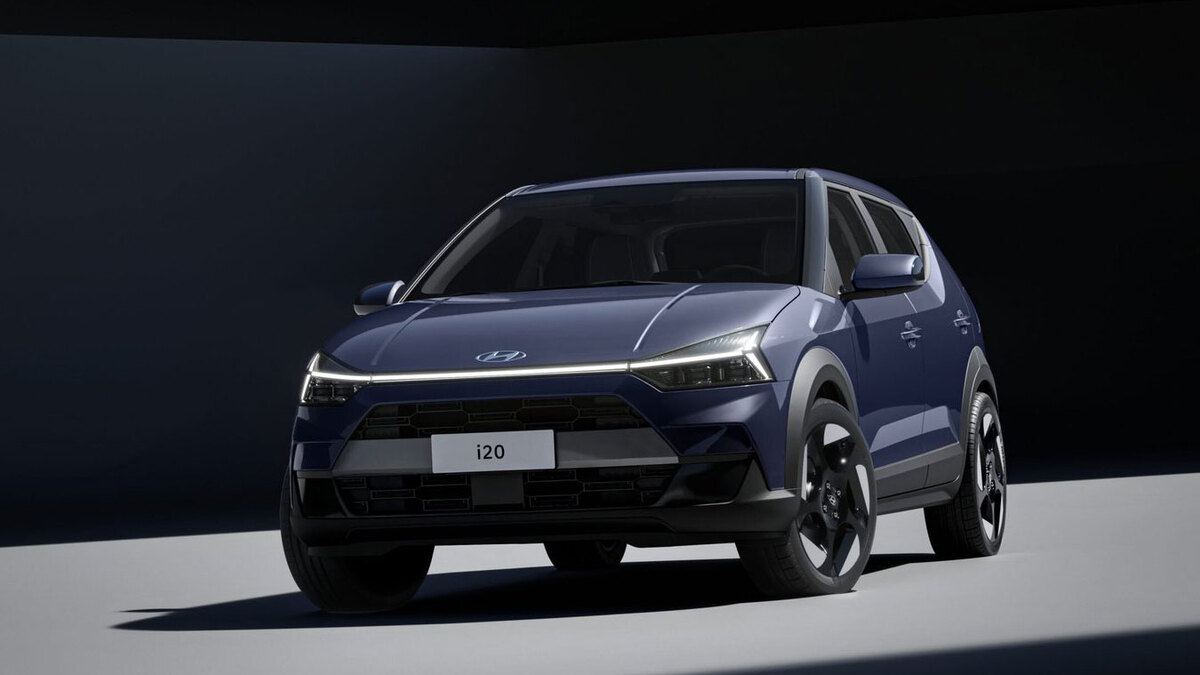








The Hyundai Grand i10 has always been a popular choice in the compact hatchback segment due to its spacious interior, luxurious design, and city-oriented performance. Thanks to its reliability, ease of driving, and affordability, this model is preferred by a diverse range of customers, including first-time car buyers and families in need of a second vehicle.
The Grand i10 comes with a 1.2-litre petrol engine under the hood, available in both petrol and factory-fitted CNG variants. The choice of transmission is either a manual gearbox or an automatic option in petrol to increase convenience and comfort.
This dual-fuel option gives the Grand i10 a strong appeal to consumers who are inclined to walk the fine line between performance and affordability in their daily commuting options.
In this comparison, we will examine the standard ARAI figures claimed by each variant and then compare them against real-world driving scenarios. Ultimately, you will be able to clearly understand which Grand i10 model offers the best value in terms of running costs and daily usability.
Continue reading to learn more about the Hyundai Grand i10 Petrol vs CNG mileage comparison!
Hyundai Grand i10 ARAI Mileage Figures

Check out the official ARAI-certified mileage of all engine and transmission variants of the Grand i10 in the table below:
| Engine & Transmission | ARAI Mileage (km/l) |
| Petrol – Manual | 18.9 km/l |
| Petrol – Automatic | 18.9 km/l |
| CNG – Manual | 18.9 km/kg |
Hyundai Grand i10 Real-World Mileage vs ARAI Mileage
The ARAI-rated mileage is obtained under ideal laboratory conditions, but this does not accurately reflect the actual mileage in real-life driving. In regular city traffic, the Grand i10 manual petrol variant achieves a fuel efficiency of about 19 to 22 km/l. The CNG variant, being economic, achieves a fuel efficiency of 19 to 22km/kg under city conditions.
Some of the factors contributing to the difference between ARAI and the actual mileage are:
- Driving Style: Frequent gear changing, harsh brakes and sudden acceleration decrease fuel economy.
- Traffic Flow: Traffic jams and frequent braking on the streets result in decreased mileage compared to calm highway driving.
- Load & AC Usage: Taking on extra passengers or running the air conditioner continuously increases fuel consumption.
- Maintenance: Regular maintenance, including cleaning air filters and ensuring tyres have adequate air pressure, can help sustain maximum mileage.
The Grand i10 offers competent real-world fuel economy in its category, making it a suitable choice for most buyers. In this regard, the CNG variant is the most cost-effective option for users with extensive daily running and can be quite cost-effective in the long term.
Hyundai Grand i10 Fuel Efficiency Comparison: Petrol vs CNG
When discussing fuel economy, it is interesting to note that both petrol and CNG versions of the Hyundai Grand i10 cater to distinctly different driving requirements.
The petrol version strikes an excellent balance between power and efficiency, which makes it an excellent commuter unit when taken out on the highways occasionally. On the contrary, the CNG version is optimised to make the most out of fuel savings, offering an attractive output to users who cover a considerable distance each day.
When it comes to daily driving, particularly in heavily populated and stop-and-go urban settings, the two types of fuel record tangible variations in consumption. As consistently observed through real-world data, driving habits and traffic conditions can prove to be critical variables in determining which variant proves more cost-effective in the long run.
Hyundai Grand i10 City Fuel Efficiency Comparison
Petrol variants offer decent mileage in the city but tend to consume more fuel due to frequent stops, especially in automatic models with torque converter gearboxes. It is, instead, much more cost-effective to use the CNG variant when commuting daily in the city and during heavy traffic.
Urban driving can look simple enough, but it puts a great deal of strain on your engine, burning fuel at an unexpected pace. Here’s how:
- Lingering in Lower Gears: Spending time idling in first or second gear will spike your RPMs into the red and burn a significant amount of fuel, especially in rush-hour traffic.
- AC Drain While Idling: In smaller cars, such as the Grand i10, the air conditioner can strain the engine when turned on during idle, a fact that is readily apparent in the significant decrease in mileage.
- Frequent Short Trips: Engines consume more fuel when cold. Short trips that prevent optimal engine temperature result in poor fuel economy due to inefficient engine combustion.
- Sudden Bursts of Acceleration: Stomping on the throttle after a stop not only consumes gas, but it also prematurely wears out the clutch.
- Underinflated Tyres: Even a minor loss of 3-4 PSI below the recommended pressure will increase rolling resistance, causing the engine to work harder and reducing fuel efficiency and mileage.
Hyundai Grand i10 Highway Fuel Efficiency Comparison

Over highways, petrol variants usually offer a higher level of fuel efficiency due to the regular cruising and smooth braking. Manual petrol models are more efficient in terms of mileage compared to automatics due to less indirect power transmission.
Although the CNG version is similarly efficient on the highway in terms of economy, it can be slightly underpowered when overtaking due to its reduced output. Due to poor driving habits and overloading, your Grand i10 can significantly reduce its mileage, even on the highway. The following tips should be remembered:
- Speeding Beyond 100 km/h: The Grand i10 achieves the best mileage at speeds of 80 to 90 km/h. Faster speeds increase air drag, which causes the engine to consume more fuel. Travelling at a velocity of more than 100 kilometres per hour may lead to a noticeable loss of efficiency.
- Sudden Acceleration or Braking: Rapid acceleration and rough braking are two major factors that can significantly reduce fuel efficiency. Driving at a constant rate keeps the fuel consumption optimum, especially in city traffic.
- Opening Windows at High Speed: Opening windows at highway speeds creates drag and reduces fuel efficiency. Amazingly, it is more economical to run the AC at high speed compared to leaving open windows.
- Overloaded Boot: Extra weight strains the engine, causing it to consume more fuel. This is particularly noticeable on long drives or steep climbs. Carrying only essentials boosts mileage.
- Misaligned Tyres: Misalignment increases the rolling resistance, causing the engine to produce more energy. Periodic inspection enhances mileage, the service life of tyres, and safety.
Grand i10 Fuel Cost Comparison: Petrol vs CNG.
When comparing the petrol and CNG versions of the Hyundai Grand i10, the cost of fuel is the most crucial factor in deciding on a financially prudent choice. Assuming an average driving distance of 1,500 km per month, we can calculate the monthly running costs, as well as other factors such as fuel economy, refuelling frequency, and long-term savings:
| Aspects | Petrol | CNG |
| Monthly Running Distance | 1500 km | 1500 km |
| Monthly Fuel Use | Approx. 80 liters | Approx. 90 kg |
| Average Monthly Fuel Cost | ₹7,200* | ₹6,750* |
| Average Yearly Fuel Cost | ₹86,400* | ₹81,000* |
| 5-Year Fuel Cost | ₹4,32,000* | ₹4,05,000* |
Note: Fuel costs are estimated based on an average petrol price of ₹90 per litre and a CNG price of ₹75 per kilogram. Actual expenses may differ depending on regional pricing and market fluctuations. Vehicles running on CNG offer notably lower fuel expenses, potentially leading to significant long-term savings, especially for high-mileage drivers.
Hyundai Grand i10 Mileage vs Competitors
Comparing the Hyundai Grand i10’s mileage to that of some of its key competitors provides a clearer picture of its fuel efficiency. Below are the official mileage figures for both petrol and CNG variants:
| Model | Petrol Mileage (km/l) | CNG Mileage (km/kg) |
| Hyundai Grand i10 | 19.1-22.19 km/l | 19.1-22.19 km/kg |
| TATA Tiago XE | 20.09 km/l | 26.49 km/kg |
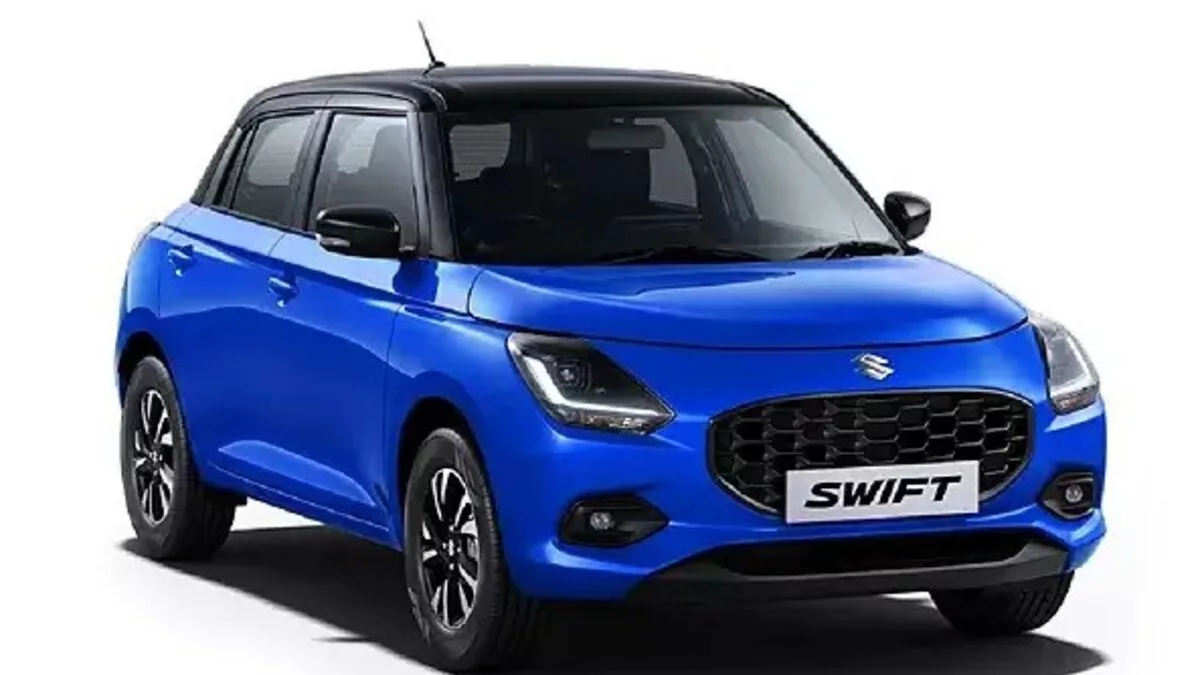
| Maruti Suzuki Swift VXi | 24.8 km/l | 32.85 km/kg |
The Hyundai Grand i10 offers balanced mileage in both petrol and CNG variants.
Summary
The Hyundai Grand i10 CNG model emerges as one of the most fuel-efficient options, offering significantly lower running costs compared to its petrol counterpart. This makes it an excellent choice for budget-conscious buyers and daily commuters seeking to reduce their fuel expenses.
On the other hand, the petrol variant, while less fuel-efficient, provides better performance and the convenience of easier refuelling, which is ideal for drivers who value responsiveness or live in areas where CNG stations are limited. Ultimately, the choice between petrol and CNG depends on your driving habits, fuel availability, and performance needs.
FAQs About Hyundai Grand i10 Mileage Comparison
Can choosing the i10 CNG help lower my monthly fuel expenses?
Yes. Since CNG is significantly cheaper per kilometre than petrol, going for the Hyundai i10 CNG can substantially reduce fuel costs, especially for long-distance commuters who travel daily.
Is the Hyundai i10 a fuel-efficient car?
With a mileage of 19.1-22.19 km/l (petrol) and 19.1-22.19 km/kg (CNG), the Hyundai i10 is one of the most fuel-efficient cars in its segment.
Is the mileage displayed on the i10 dashboard always accurate?
Not always. The i10’s dashboard may show average or instantaneous mileage, which can be misleading. Resetting the trip meter and manually calculating fuel usage gives a more reliable figure.
Can fuel quality affect the mileage of the Hyundai i10?
Yes. Using the recommended fuel grade ensures proper combustion. Poor-quality fuel can clog injectors and negatively impact efficiency.
Will choosing the Hyundai CNG variant lead to refuelling issues?
CNG station networks are expanding quickly in urban and metro areas, making refuelling more convenient. However, it’s still best to check local availability and plan routes before choosing a CNG variant.