







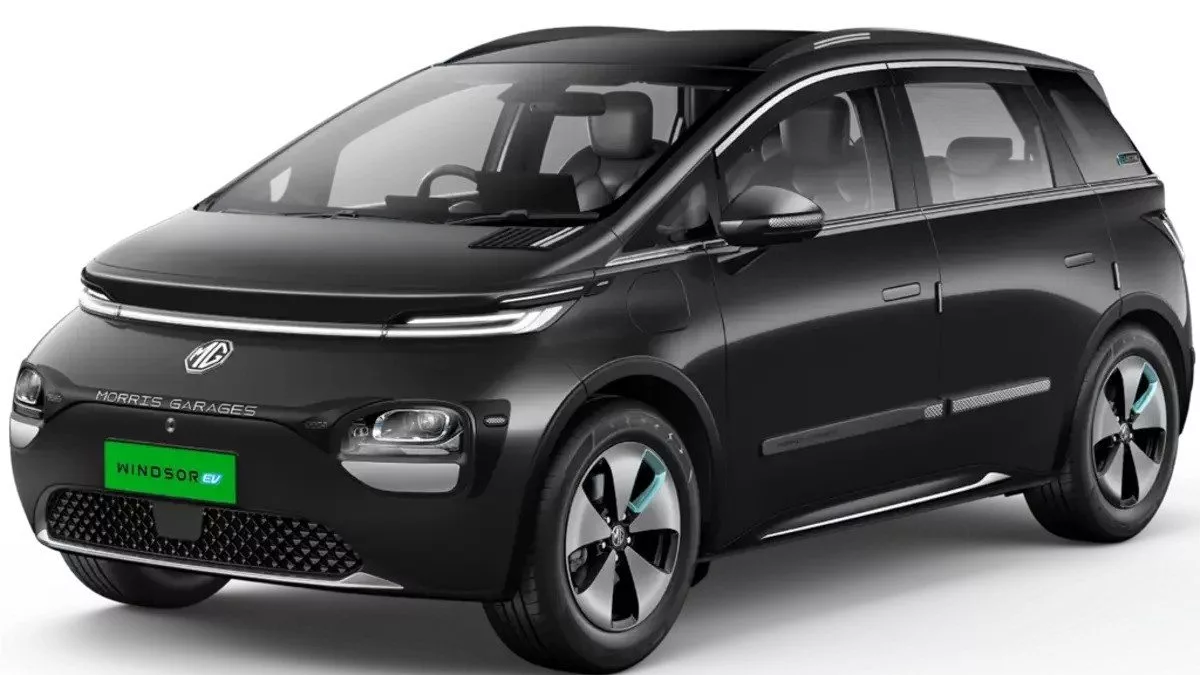
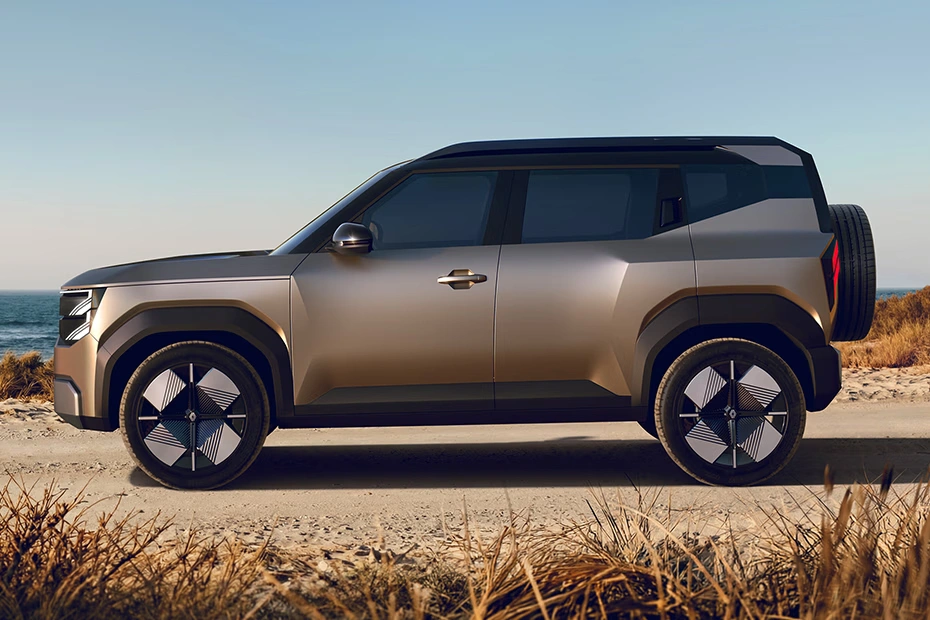













The Kia Carens Clavis is a high-end MPV that adopts an SUV crossover styling, offering a rugged look combined with the practicality of a family car. It is tailored for both urban commuters and long-distance travellers, as it provides adequate cabin space, a feature-rich safety suite, and a technologically advanced experience.
Its dynamic seat layouts and segment-leading features, such as Boss Mode and two panoramic screens, make it already a hot contender with buyers who are keen on finding a balance of comfort and design.
The Carens Clavis is powered by three engines, including a naturally aspirated petrol engine, a turbocharged petrol engine, and a turbocharged diesel engine. Depending on the type, it comes with a transmission to choose between a 6-speed manual, a 6-speed automatic, and a 7-speed DCT.
Read on to learn more about the official ARAI mileage of every variant and compare it to the real-life figures. This will help you make informed decisions about which version of Kia Carens Clavis offers the most viable value for your daily commuting needs.
Kia Carens Clavis ARAI Mileage Figures
According to ARAI figures, the petrol manual model achieves a mileage of 15.95 kmpl, whereas the diesel manual is more fuel-efficient, at 19.54 kmpl. In the case of the automatic version, the petrol model achieves 16.66 kmpl, while the diesel automatic achieves 17.5 kmpl.
These statistics render Carens Clavis a competitive option for buyers in terms of both performance and efficiency. Additionally, the Kia Carens Clavis EV is a new electric MPV by Kia that offers comfort, space, and environmentally friendly performance.
It combines functionality and environmental friendliness with advanced features, various battery sizes, and a maximum range of 490 km, making this car the perfect choice for modern families.
| Engine & Transmission | ARAI Mileage (kmpl) |
| Petrol – Manual | 15.95 kmpl |
| Petrol – Automatic | 16.66 kmpl |
| Turbo Petrol – DCT Automatic | 16.66 kmpl |
| Diesel – Manual | 19.54 kmpl |
| Diesel – Automatic | 17.50 kmpl |
| Electric | 404–490 km |
Kia Carens Clavis Real World Mileage vs ARAI Mileage
Although ARAI mileage ratings are obtained in controlled test environments, actual road performance typically provides lower numbers. The Kia Carens Clavis Turbo Petrol DCT achieves a fuel economy of approximately 14.5 kmpl in actual driving scenarios, whereas the official measured fuel consumption is 16.66 kmpl.
Meanwhile, the Diesel Manual variant is officially rated at 19.54 kmpl; however, in daily use, it averages closer to 16-17 kmpl, depending on traffic and driving conditions. The Diesel Automatic has the same variation, where the real-world mileage drops to near values of 15 to 16 kmpl, compared to the official 17.50 kmpl.
The Kia Carens Clavis EV has a range of 404 km with a 42 kWh battery on a 9.62 km/kWh powertrain. The larger 51.4 kWh pack achieves a range of 490 km, equivalent to 9.53 km/kWh. A single unit of electricity can drive approximately 10 km and is very economical and feasible for everyday driving.
In the real world, there are a couple of reasons that lead to the difference between the ARAI and the real-world mileage, including:
- Driving Style: Aggressive driving, characterised by rapid acceleration, frequent braking, and high RPMs, reduces efficiency, whereas smooth driving, accompanied by proper gear shifts, improves it.
- Traffic Conditions: In contrast to steady ARAI tests, fuel economy drops due to stop-and-go road traffic and sitting at traffic signals in the real world.
- Load and Weight: Transporting excess passengers, luggage, or roof racks places additional strain on the engine, thereby increasing fuel consumption.
- Air Conditioning (AC) Usage: Using AC continuously imposes additional loads on the engine, resulting in a decrease in mileage of 1-2 kmpl or more.
- Road Conditions: Potholes, speed bumps and rough roads necessitate regular stopping and starting, while an incline puts pressure on the engine.
- Weather and Temperature: Hot/cold weather can cause a decrease in engine efficiency, which the AC and heater significantly influence.
- Tyre Pressure: Rolling resistance is higher with under-inflated tyres, which reduces mileage; the correct tyre pressure helps improve efficiency.
- Driving Environment: Constant-speed highways offer more mileage, whereas city driving, especially in congested areas, significantly reduces it.
Kia Carens Clavis Fuel Efficiency Comparison: Petrol vs Diesel vs Turbo Petrol vs Electric
When it comes to mileage, the Kia Carens Clavis offers several engine options to suit various driving purposes. The normally aspirated petrol model strikes a balance between price and performance, making it an ideal choice for individuals who value a comfortable drive without incurring high fuel costs.
The diesel model, however, is designed to perfection, particularly for high-mileage users. The turbo-petrol option adds a touch of sporty flair to the mix, without sacrificing too much in terms of fuel economy.
Future updates are likely to introduce the Kia Carens EV, which will feature zero tailpipe emissions and virtually zero running costs in urban areas.
Kia Carens Clavis City Fuel Efficiency Comparison
Under urban driving conditions, every powertrain reacts differently to frequent stopping, idling, and short-duration accelerating:
- Petrol (NA, 6MT): Delivers a smooth ride, but experiences a decrease in mileage on stop-and-go traffic. It is perfect for occasional city drives.
- Turbo Petrol (6MT; 7DCT): A bit more economical than NA petrol, particularly with the DCT. It strikes a good balance between power and economy.
- Diesel (6MT 6AT): Most effective in urban traffic. It performs better at idle and under load, making it ideal for city commuting.
- Electric: Outperforms all of the ICE variants on city mileage, thanks to the regenerative braking and the absence of idling losses.
Here are the key factors influencing city mileage:
- Traffic & Idling: Diesel engines keep their efficiency better under conditions of frequent stop–start. Turbo petrol with DCT is also a good choice, as the gear changes are optimised.
- Engine Load & Combustion: Diesel engines are more efficient at full load. The formation of carbon may affect petrol engines over time.
- Vehicle Load & AC Use: Under high loads and AC use, mileage declines on all variants, but the diesel variant copes with it better.
- Thermal Efficiency: Diesel engines maintain their temperatures more consistently in heavy traffic compared to petrol engines.
- Fuel Characteristics: Turbo petrol offers improved combustion control, while diesel’s torque delivery is more suitable for low-speed driving.
Kia Carens Clavis Highway Fuel Efficiency Comparison
On highways, consistent speeds and smoother driving patterns reveal the true potential of each engine. Factors affecting highway mileage are:
- Consistent Speed: Diesel engines are most efficient at constant RPMs; turbocharged petrol engines are most economical when running at cruising speed.
- Driving Style: Rough overtaking also decreases mileage in all variants; driving smoothly is more efficient.
- Altitude & Terrain: Diesel engines are at a greater advantage working on inclines because they have greater torque; NA petrol can struggle with the load.
- Fuel Availability & Route Planning: Diesel and petrol are widely available; the electric range depends on the density of charging stations.
Kia Carens Clavis Fuel Cost Comparison: Petrol vs Diesel vs Electric
The Kia Carens Clavis offers 3 distinct powertrain options: Petrol, Diesel, and Electric, each catering to different driving needs and budgets. Here’s a breakdown of how they compare in terms of fuel cost, efficiency, and overall value.
| Aspects | Petrol | Diesel | Electric |
| Monthly Running Distance | 1500 km | 1500 km | 1500 km |
| Monthly Fuel Use | Approx. 103 liters | Approx. 93 litres | 156 kWh |
| Average Monthly Fuel Cost | ₹9270* | ₹6975* | ₹1009* |
| Average Yearly Fuel Cost | ₹1,11,240* | ₹83,700* | ₹12,108* |
| 5-Year Fuel Cost | ₹5,56,200* | ₹4,18,500* | ₹60,540* |
Note: Fuel expenses are approximated using an average petrol price of ₹90/litre, Diesel price of ₹75/l and ₹6.470 per kWh (in Delhi). Actual fuel expenses will vary depending on region and fluctuations in fuel prices. The EV model offers significantly lower running costs, resulting in substantial long-term savings, particularly for high-mileage drivers.
Kia Carens Clavis Mileage vs Competitors
By considering factors such as fuel efficiency and driving range, buyers can make a more informed decision about which model best aligns with their usage and budget.
Here’s a look at the official mileage figures for petrol, diesel, and electric variants (wherever applicable):
| Model | Petrol Mileage (kmpl) | Diesel Mileage (km/kg) | Electric Range (km/charge) |
| Kia Carens Clavis | 15.95 kmpl | 19.54 km/kg | 404–490 km |
| Maruti Ertiga | 20.51 kmpl | N/A | N/A |
| Toyota Innova Hycross | 16.13 kmpl | N/A | N/A |
The Kia Carens Clavis delivers a balanced performance, offering multiple fuel options: petrol, diesel, and electric, with competitive mileage. While the Maruti Ertiga leads in petrol efficiency, the Carens stands out for providing flexibility across different fuel types.
The Toyota Innova Hycross, meanwhile, offers slightly better petrol mileage than the Carens but lacks alternative fuel options.
Summary
The Kia Carens Clavis is a versatile MPV built for both daily city commutes and long family journeys. Buyers can choose from petrol, turbo petrol, diesel, and electric variants depending on their driving needs.
Petrol and turbo petrol options focus on convenience and performance, while diesel caters to long-distance highway users with lower running costs. The electric version provides an eco-friendly alternative with zero tailpipe emissions.
Petrol offers the easiest access thanks to its wide availability. Turbo petrol is perfect for drivers who enjoy stronger acceleration. Diesel provides excellent economy for those covering long distances, and electric stands out as the ideal choice for those prioritising sustainability.
Your choice among petrol, turbo petrol, diesel, and electric ultimately depends on whether you prioritise easy fuel access, stronger acceleration, long-distance economy, or sustainability.
FAQs about Kia Carens Clavis Mileage Comparison
Q. Does the Kia Carens Clavis turbocharged petrol engine offer better mileage than the regular petrol engine?
The Kia Carens Clavis turbo petrol offers a balance of power and efficiency. However, aggressive driving usually lowers its fuel economy compared to the standard petrol.
Q. What range can the Kia Carens Clavis EV cover on a single charge?
The electric version of Kia Carens Clavis delivers a fixed driving range per charge. This may change depending on speed, terrain, air conditioning use, and passenger load.
Q. Which variant of the Kia Carens Clavis is most suitable for city driving when considering mileage?
Petrol and electric variants are best suited for city use, as they offer smoother performance in traffic and facilitate easy refuelling or charging.
Q. Which Kia Carens Clavis fuel option is the most cost-effective for highway travel?
Diesel is usually the best for frequent long drives, while the Kia Carens Clavis EV can also save costs if charging stations are easily accessible.
Q. Do roof racks or alloy wheels affect the mileage of the Kia Carens Clavis?
Yes, roof racks increase air resistance and reduce fuel efficiency on the highway. Heavier alloy wheels can also slightly lower fuel efficiency.


