





The Maruti Suzuki Ertiga is among the most popular MPVs in India, offering ample interior space, family-oriented features, and decent fuel efficiency. The 1.5-litre petrol-powered Ertiga is favoured by a large number of customers, offering the flexibility of both petrol and CNG fuels.
Transmission options include manual or automatic on the petrol version, while the CNG comes with a manual transmission. This flexibility makes the Ertiga a highly desirable choice for individuals seeking a combination of performance, utility, and economy in operation. In this comparison, we’ll focus on one of the most crucial factors for buyers — fuel efficiency.
We’ll break down the official ARAI mileage figures for all engine and transmission options, and then compare them with real-world performance. By the end, you’ll know exactly which Ertiga variant offers the best balance between running costs and practicality for your usage.
Read further to analyse the Maruti Ertiga Petrol vs CNG mileage comparison in detail.
Maruti Ertiga ARAI Mileage Figures
Official ARAI-certified mileage for the Ertiga across all engine and transmission options is:
| Engine & Transmission | ARAI Mileage (km/l) |
| Petrol – Manual | 20.51 km/l |
| Petrol – Automatic | 20.3 km/l |
| CNG – Manual | 26.11 km/kg |
Maruti Ertiga Real-World Mileage vs ARAI Mileage
Though ARAI mileage ratings are achieved in controlled test conditions, actual road conditions are pretty different. In normal city conditions, the manual petrol version achieves 16–18 km/l, while the automatic petrol version achieves 14–16 km/l. The CNG model gives 22–24 km/kg on city roads and is closer to its official estimate on highways.
A few aspects that affect the variance between ARAI and real mileage are:
- Driving Style: Grinding from a standstill and hard braking decreases fuel efficiency.
- Traffic Flow: Urban stop-and-go traffic reduces mileage in comparison to wide-open highways.
- Load & Air-Conditioner Usage: Transporting additional passengers or using the AC at full capacity increases fuel usage.
- Maintenance: Regular engine maintenance, healthy air filters, and correct tire pressure help maintain peak mileage.
For the majority of customers, the real-world fuel efficiency of the Ertiga is competitive in its segment, with the CNG model offering the lowest cost of ownership for high-mileage users.
Maruti Ertiga Fuel Efficiency Comparison: Petrol vs CNG
On the fuel economy front, the Maruti Ertiga’s petrol and CNG versions cater to different users. While the petrol version offers a trade-off between power and fuel consumption, the CNG version is designed to maximise cost savings on fuel for high-mileage drivers.
Under real road driving, the two models can be distinguished, particularly for city use, where stop-and-go situations affect consumption.
Maruti Ertiga City Fuel Efficiency Comparison
City driving for petrol units primarily achieves good fuel efficiency, but consumes more fuel because of frequent stops and restarts. The automatic petrol units are less fuel-efficient than manual units due to the torque converter transmission. The CNG model, on the other hand, is much more cost-effective to run for regular city travel through heavy traffic.
The main factors for the disparity are:
- Fuel Characteristics: CNG operates more cleanly and efficiently at slower speeds, resulting in improved mileage during heavy traffic. It is ideal for city dwellers who frequently encounter heavy traffic.
- Engine Calibration: The economy mode in the CNG variant prevents it from wasting fuel while crawling through heavy traffic. It keeps the engine running at lower revs, hence increasing mileage again.
- Traffic Conditions: Petrol engines consume more fuel during stop-go traffic conditions, as they need additional fuel for the sudden bursts of acceleration. CNG engines do better at slow-moving, steady traffic.
- Idle Efficiency Time: Under heavy traffic conditions with frequent idling, CNG engines consume less fuel compared to petrol engines, resulting in better overall city mileage.
- Heat Control: Petrol engines experience increased heat in stop-and-go conditions, which affects fuel mileage, while CNG engines have more uniform running temperatures, leading to enhanced efficiency.
Maruti Ertiga Highway Fuel Efficiency Comparison
On the highway, petrol models are generally more economical with steady cruising speeds and softer braking. Petrol manuals tend to achieve better gas mileage than autos as power is transferred more directly. The CNG model has good highway economy but will be slightly less powerful when overtaking, as output is lower.
The factors for differences in highway mileage include:
- Cruising Efficiency: Petrol engines are more efficient at higher speeds, although CNG continues to have the cost advantage per kilometre and is more affordable to cover distances.
- Load and Air-Conditioning Consumption: Both fuels experience decreased efficiency when carrying full loads of passengers or luggage, particularly when the AC is operating continuously. The impact has a greater influence on the CNG variant.
- Driving Habits: Gradual acceleration and maintaining constant speeds are of top concern when achieving optimal mileage from both petrol and CNG variants. Abrupt pace variations or hard acceleration and braking will decrease the fuel economy.
- Altitude and Terrain: Hills or mountain roads can significantly impact fuel usage between petrol and CNG engines, although petrol engines tend to perform better on gradient slopes, as they generate more power.
- Fuel Availability and Refuelling Stops: For long highway travel, the convenience and proximity of fuel stops, particularly for CNG, can influence overall driving efficiency and planning and therefore indirectly affect mileage performance.
Maruti Ertiga Fuel Cost Comparison: Petrol vs CNG
Understanding fuel costs is essential when deciding between the petrol and CNG variants of the Maruti Ertiga. Let’s compare the running expenses based on a typical monthly driving of 1500 km and a few other aspects to help you gauge which option fits your budget better.
| Aspects | Petrol | CNG |
| Monthly Running Distance | 1500 km | 1500 km |
| Monthly Fuel Use | Approx. 50 liters | Approx. 60 kg |
| Average Monthly Fuel Cost | ₹6,000* | ₹3,000* |
| Average Yearly Fuel Cost | ₹72,000* | ₹36,000* |
| 5-Year Fuel Cost | ₹3,60,000* | ₹1,80,000* |
Note: Fuel expense is approximated using the average petrol price of ₹80/litre and the CNG price of ₹50/kg. Actual fuel expenses will vary regionally and based on fluctuations in fuel prices. The CNG model has significantly lower fuel costs, which can result in substantial long-term savings, particularly for high-mileage drivers.
Maruti Ertiga Mileage vs Competitors
Comparing the Maruti Ertiga’s mileage with that of some of its closest rivals provides insight into its fuel efficiency. Here’s a look at official mileage figures for petrol and CNG variants (wherever applicable):
| Model | Petrol Mileage (km/l) | CNG Mileage (km/kg) |
| Maruti Ertiga | 20.3 – 20.5 km/l | 26.1 km/kg |
| Renault Triber | 18.4 km/l | N/A |
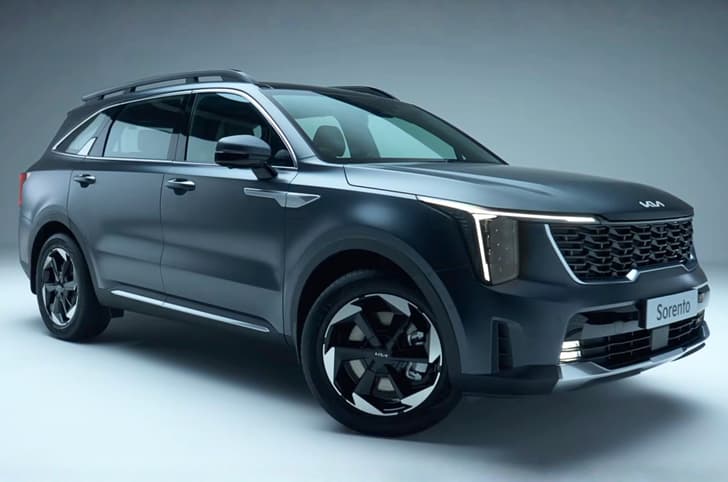
| Kia Carens | 15.7 km/l | N/A |
| Maruti Suzuki XL6 | 20.97 km/l | N/A |
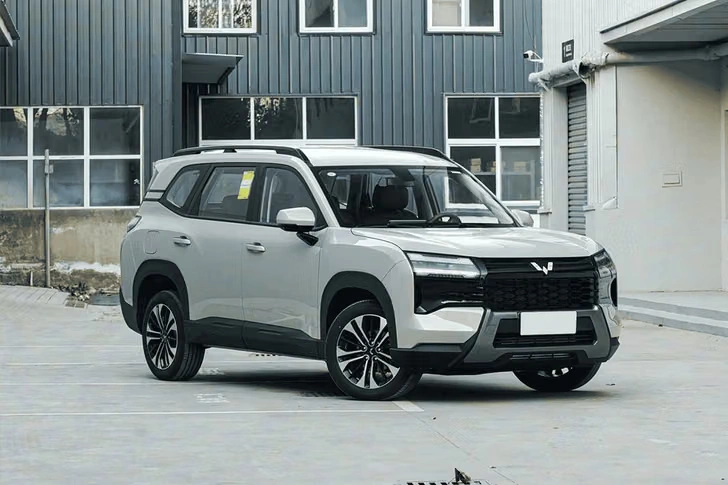
The Maruti Ertiga is the market leader, particularly with its CNG variant, in terms of mileage among the most diesel-only players that lack factory-fitted CNG versions.
Summary
To sum up, the Maruti Ertiga CNG model is the undisputed winner in terms of fuel efficiency and running expenses. This makes it a suitable car for anyone willing to save a considerable amount of money on fuel without sacrificing space, comfort, or features.
The low running cost of the CNG model is particularly great news for people commuting daily long distances or travelling long distances in the city. Conversely, the petrol variant, although less fuel-efficient, is more power-dense and refuelling is convenient, making it a handy option for users with longer daily driving distances or those in areas with poor CNG infrastructure.
Your decision, therefore, between petrol and CNG ultimately hinges on your daily driving distance, the availability of fuel, and your performance requirements.
FAQs about Maruti Ertiga Mileage Comparison
Q. Is the Maruti Ertiga CNG reliable for long-term use?
Yes, the factory-fitted CNG system in the Ertiga is designed for durability and backed by a manufacturer’s warranty, giving buyers peace of mind. With proper maintenance, it can serve reliably for many years without significant issues.
Q. How often do I need to service the Maruti Ertiga CNG system?
Regular servicing of the Maruti Ertiga is recommended at 10,000 to 15,000 km to ensure maximum performance, safety, and longevity of the CNG kit. It is also beneficial to fuel economy and to avoid any startling breakdowns.
Q. Can I switch between petrol and CNG fuel while driving the Maruti Ertiga?
Yes, the Maruti Ertiga CNG is a bi-fuel vehicle that allows you to switch seamlessly between petrol and CNG modes depending on fuel availability or driving conditions. This flexibility enhances driving convenience.
Q. Does the Maruti Ertiga CNG version have lower performance compared to the petrol model?
The Maruti Ertiga CNG version may feel slightly less powerful, especially during overtaking or when driving on inclines, due to its engine tuning focused on efficiency. However, it offers adequate performance for most daily driving scenarios and urban use.
Q. Are there enough CNG refuelling stations available?
The availability of CNG refuelling stations is growing steadily, especially in cities and metropolitan regions, making it more convenient for consumers to refuel. Nevertheless, it would be advisable to search for local facilities and determine routes in advance before opting for the CNG choice.


