






Renault Kiger Mileage Comparison: Petrol vs Turbo Petrol

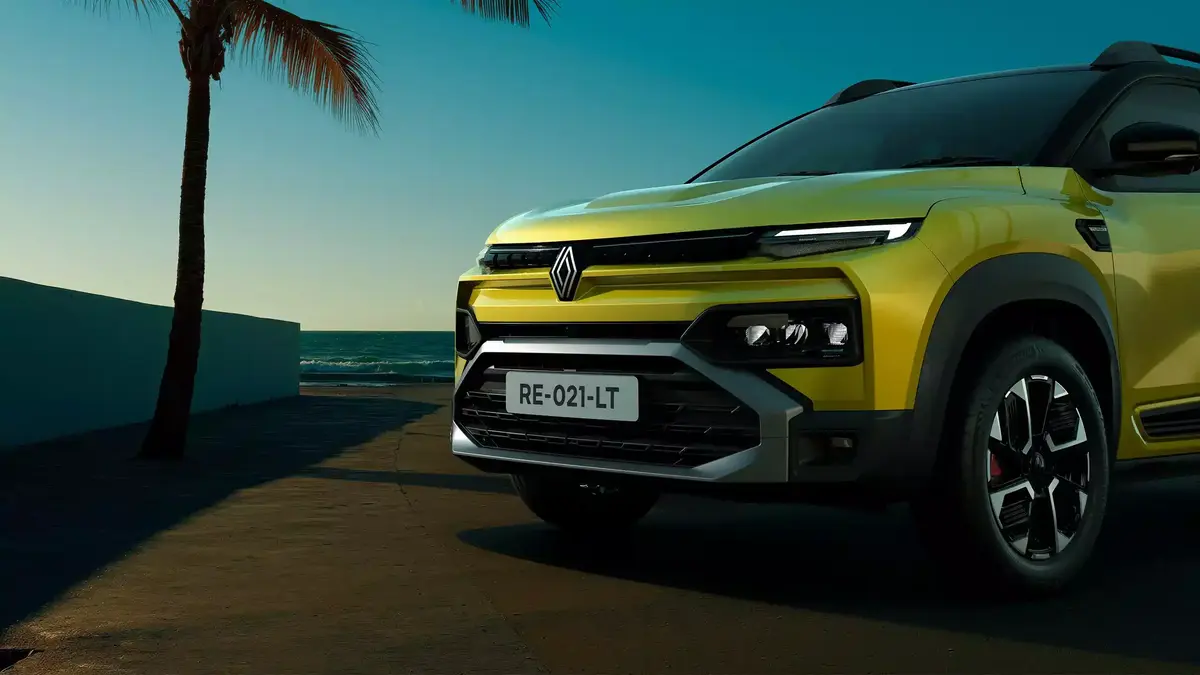
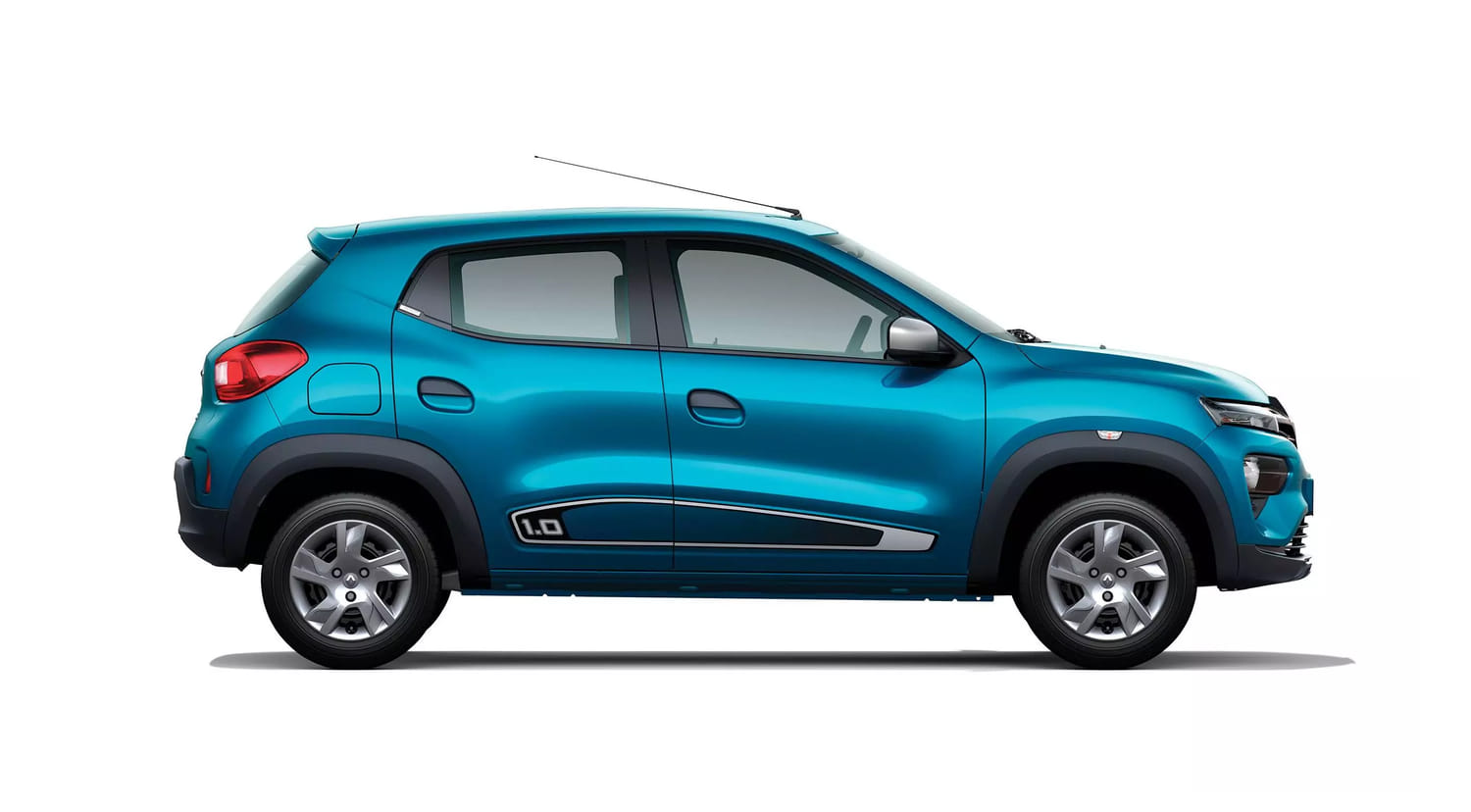
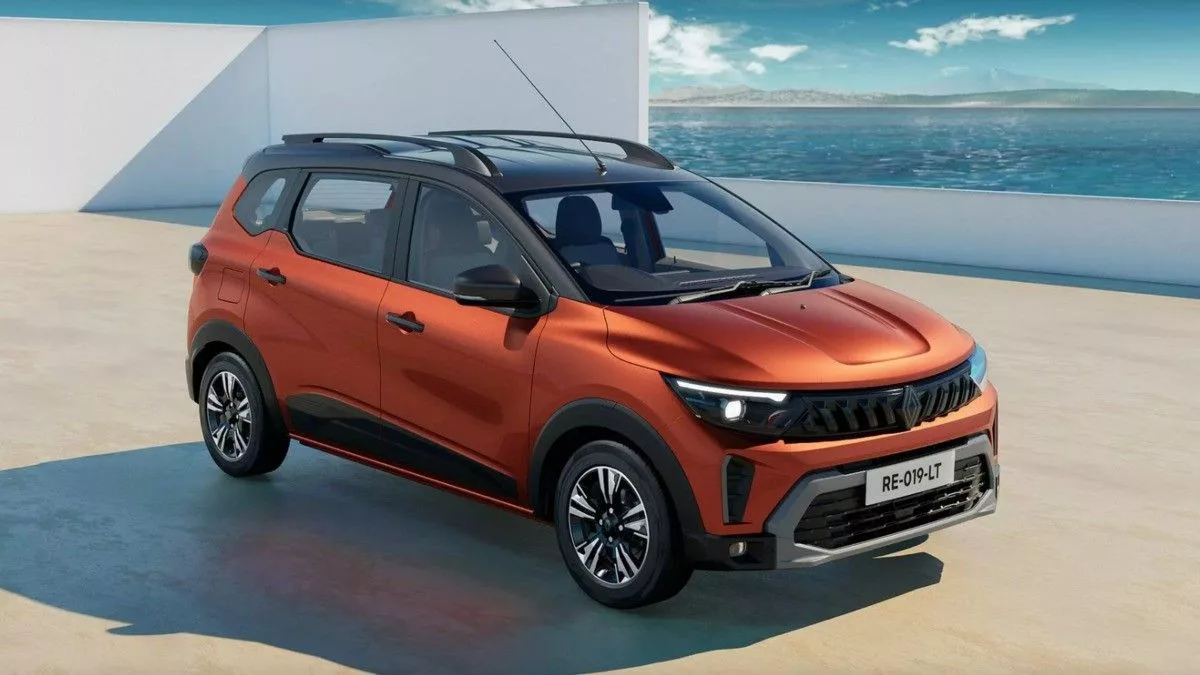
Renault Kiger Exterior
Last updated 4 months ago

Renault Kiger has become a stylish yet value-for-money player in the sub-4 meter SUV category. Thanks to its aggressive looks, ample interior, and an impressive four-star Global NCAP rating for safety, it has gained considerable appeal among domestic buyers. A decisive factor for any future owner, however, is opting for one of its two different petrol engines: the fuel-efficient 1.0-litre naturally aspirated motor and its more powerful 1.0-litre turbo variant. This decision significantly affects the actual-world Kiger mileage, performance, and overall ownership experience.

This in-depth 2025 guide is aimed at enabling you to make this decision with confidence. We’ll go beyond the official ARAI figures to give you a transparent, data-backed opinion on each variant’s real-world fuel efficiency. We’ll compare the long-term cost of running, the front-end price premium, and the practical advantages and disadvantages of each powertrain. If you’re an urban commuter who cares about a low cost of purchase, or an enthusiast who appreciates a snappy drive, grasping each engine’s true nature is integral to an enjoyable ownership experience.

A Comparison of Both The Engines

Despite sharing the same 1.0-litre displacement, these two engines have fundamentally different characteristics that define their performance and efficiency.

1.0-litre Energy Petrol (Naturally Aspirated)

This is the Base engine on the Kiger. It’s a 999cc, three-cylinder, naturally aspirated engine that is a dead horse, meant for budget-friendliness and reliability. It puts out a moderate 72 PS power and 96 Nm torque. This engine is perfect for city duty, where its power output is linear and linearly predictable. The three-cylinder’s aural note is present but not obnoxious at city speeds. It comes paired with a 5-speed manual and 5-speed AMT (Automated Manual Transmission), which makes it easy to live with and budget-friendly.

1.0-litre Turbo Petrol

This is the performance-oriented variant of the Kiger. It’s a 999cc, three-cylinder turbocharged engine that delivers a significant boost in power and torque. It produces a strong 100 PS of power and 160 Nm of torque (152 Nm for the CVT automatic). The turbocharger makes a massive difference in performance, providing a confident feel on the highway. This engine is available with both a 5-speed manual and a smooth CVT (Continuously Variable Transmission) automatic, which is a significant upgrade over the AMT. The turbo’s power delivery is more exhilarating and makes the car feel far more substantial on the road.

Official vs. Real-World Mileage (as of 2025)

The ARAI figures provide a standardized benchmark, but real-world performance is what truly matters. The figures below are a compilation of owner feedback and professional tests.

VariantARAI MileageReal-World CityReal-World HighwayCombined Average
1.0L Petrol Manual19.17 km/l~13-14 km/l~16-17  km/l~15-16 km/l
1.0L Petrol AMT19.03  km/l~13-14 km/l~16-17 km/l~15-16 km/l
1.0L Turbo Petrol Manual20.5  km/l~14-15 km/l~17-18 km/l~15-17 km/l
1.0L Turbo Petrol CVT18.24  km/l~13-14 km/l~15-16 km/l~14-15 km/l

The ARAI mileage for the Turbo Manual is better than the normally aspirated variant, courtesy of its superior technology. In real-world scenarios, however, mileages are extremely close. The power of turbo motivates you to drive more aggressively, which can negate its intrinsic efficiency. The CVT automatic variant is the least fuel-efficient of all, an exact sacrifice for its smooth drive and convenience quotient.

Financial Breakdown: Cost per Km and Break-Even Analysis

The most crucial part of the comparison is the long-term running cost. Let’s use approximate mid-2025 petrol prices in Pune for our calculations.

  • Fuel Price: Petrol: ₹104.83/litre
  • Cost per Km (Based on Real-World Averages):
    • 1.0L Petrol Manual: ₹104.83 /  12.5 km/l = ₹8.39/km
    • 1.0L Petrol AMT: ₹104.83 /11.5 km/l = ₹9.11/km
    • 1.0L Turbo Petrol Manual: ₹104.83 / 12 km/l = ₹8.74/km
    • 1.0L Turbo Petrol CVT: ₹104.83/ 9.5 km/l = ₹11.03/km

Running expenses for the manual versions are extremely close, with a slight advantage to the naturally aspirated version. The CVT automatic, being the costliest per-kilometer running, is a direct compromise for ease of use.

Now, let’s consider the initial purchase price, which is a major factor in the break-even analysis.

  • Price Premium (Ex-showroom, approximate):
    • 1.0L Turbo Manual vs 1.0L Petrol Manual: The turbo variant is typically priced around ₹3.85  lakh higher.
    • 1.0L Turbo CVT vs 1.0L Petrol AMT: The turbo CVT is also priced approximately ₹3.83 lakh higher.

The break-even point is the distance you must travel to offset the higher initial cost through fuel economy. As the real-world fuel economy of the manual versions is so close, there isn’t any real financial break-even point. The choice is strictly performance versus money. The cost of the turbo engine is a sacrifice for a more spirited motoring experience, not for cost-saving purposes.

Performance, Practicality, and the Driving Experience

Spinny Renault Kiger

1.0L Petrol

This engine is suitable for urban driving, where its linear power output ensures that it is easy to manage. The 5-speed AMT is handy in city traffic, although it lags between gears noticeably, commonly termed as the “head-nod” effect. On the highway, this engine feels strained and needs much gear-changing during overtakes. The manual transmission provides better control and a better driving experience, which can be very pleasing for individuals who like being involved with their vehicle.

1.0L Turbo Petrol

This is the version for the enthusiast driver. The mid-range is powerful, and the turbocharger delivers a smooth surge of power. This makes for an excellent highway cruiser, and passing maneuvers are smooth sailing. The CVT automatic is an excellent sidekick, delivering smooth and powerful motoring, albeit being the least fuel-efficient. The manual turbo delivers power and a connected feeling all at once. The CVT transmission makes the Kiger more premium and smoother than its AMT counterpart. It delivers smooth motoring, eliminating the jerky feeling you get from an AMT, and is extremely comfortable for both long-distance travel and city traffic duty.

The Verdict: Which Kiger is for You?

The choice between the two Kiger engines is a classic case of balancing practicality with driving pleasure.

For the Budget-Conscious Commuter:

  • Best Pick: Renault Kiger 1.0L Petrol Manual or AMT. 
  • Why: With its low purchase price and uncomplicated, easy-to-design traffic, our Naturally Aspirated Petrol variant is a fair choice for your needs, especially in urban traffic conditions. It delivers decent Kiger mileage and no-frills ownership, and the AMT is a convenience feature if you do not want to have a stick shift in crawling traffic.

For the All-Rounder Who Values Performance & Efficiency:

  • Best Pick: Renault Kiger 1.0L Turbo Petrol Manual.
  • Why: If you use highways regularly and would like a more exciting and impressive drive, then the turbo manual is perfect for you. The relatively higher purchase cost is well worth it for the better performance that it provides without any real sacrifice in terms of cost of running. You get the best of both worlds: a spirited drive and respectable economy.

For the Convenience-Focused Driver:

  • Best Pick: Renault Kiger 1.0L Turbo Petrol CVT.
  • Why: If you do a lot of city traffic and cherish smooth, gearless motoring more than anything, then the CVT automatic variant is your perfect bet. The additional cost of purchase and running is a compromise for its better convenience and comfort. Its smooth performance makes a big difference to the motoring experience, which is why this variant would be ideal for buyers who favor a comfortable and easy drive.

FAQs About Renault Kiger Mileage

  1. Is the 1.0L turbo engine in the Kiger much more powerful? 

    Yes, the turbo engine produces 98.63bhp and over 160 Nm of torque, which makes a significant difference in performance, especially at highway speeds.

  2.  Why is the ARAI mileage for the turbo petrol higher than the non-turbo? 

    The turbo engine is more technologically advanced and, in ideal lab conditions, can be more efficient. However, this advantage is often negated in real-world driving.

  3. What is the biggest advantage of the non-turbo engine?

    Its primary advantage is the significantly lower purchase price, making the Kiger a very affordable option.

  4. Does the Kiger have an automatic option for both engines?

    Yes, the naturally aspirated engine comes with an AMT, while the turbo petrol comes with a more advanced CVT.

  5. Is the Kiger a safe car? 

    Yes, the Renault Kiger has a commendable four-star Global NCAP safety rating, making it one of the safest cars in its segment.

Share

Leave a Comment

Your email address will not be published. Required fields are marked *

A-Z Glossary

Every car part & feature, explained

News

The latest from the automotive world
Best Cars

The crème de la crème of cars

Rules & Regulations

Every law & regulation, explained

Car Ownership

Everyday car-care tips & advice

Buying a car

Make the right buying decision

Selling a car

Make the right selling decision

Miscellaneous

Cars & eveything in-between

5,000,000+ Readers

We’re ❤️ne big family!

Follow us for accurate, impartial & up-to-date information around everything related to cars – Latest news & developments, best options for every budget & lifestyle, ownership tips, buying & selling advice and a lot more on Spinny Magazine.

Unbiased
4.5/5
Reliable
4.5/5
Helpful
4.5/5
Scroll to Top

Want to Sell your Car?

Choose your brand below to get started: