



DCT vs CVT: Which Automatic Transmission is Better?

Last updated 3 weeks ago

DCT and CVT are two different types of automatic transmissions; however, both eliminate the need to shift gears manually. While they are both meant to accomplish this same goal, they actually do it in different ways, and therefore will suit different needs.

A DCT, or Dual-Clutch Transmission, is designed for quick gear shifts and a more engaging driving experience. A CVT, or Continuously Variable Transmission, is designed for smoothness, efficiency and relaxed everyday driving.

If you frequently drive in heavy traffic (or urban settings), then it would be best for you to choose a CVT or IVT. On the other hand, if you need to pass on the highway quickly and have that thrill of acceleration, then DCT or DSG will provide you with that experience.

DCT vs CVT: Quick Comparison

FactorDCTCVT
Full formDual-Clutch TransmissionContinuously Variable Transmission
Driving feelQuick and sportySmooth and relaxed
Best forPerformance and highway drivingCity traffic and daily use
Gear shiftsUses fixed gearsAdjusts ratios continuously
MileageCan be efficient, depends on carOften efficient in city driving
Common drawbackCan feel jerky in slow trafficCan feel less responsive under hard acceleration
Maintenance focusClutch packs, mechatronics, fluidCVT fluid, belt and pulley system
Common brand namesDCT, DSG, DCACVT, IVT

What is a DCT?

A DCT or dual-clutch transmission uses two separate clutches (one for odd-numbered gears, the other for even-numbered gears) instead of the traditional single-clutch design in a manual transmission. Each time you shift into an odd gear, a corresponding even gear is already ready in the next position to make shifting quicker.

This allows a DCT to shift very quickly. That is why DCT cars often feel sharper and more responsive than regular automatics. The acceleration feels more direct, and overtakes feel more confident, especially in turbo-petrol cars.

Due to their performance benefits and ability to provide automatic convenience without losing the sensation of rapid shifts, DCTs are often found in sporty hatches, sedans, and SUVs.

Choose a DCT if:

  • You want quick gear shifts
  • You enjoy faster acceleration
  • You drive often on highways
  • You prefer a sportier driving feel
  • You are buying a turbo-petrol car

A DCT is fun to drive, but it may not always be the smoothest option in bumper-to-bumper traffic.

Dry-Clutch vs Wet-Clutch DCT

There are differences between DCT’s, some have dry clutches and some have wet clutches.

DCT typeStrengthLimitation
Dry-clutch DCTEfficient, quick-shifting and lighterCan heat up more in heavy creeping traffic
Wet-clutch DCTBetter heat handling and higher torque capacityMore complex and usually costlier

Usually, a dry-clutch DCT will be lighter than and more efficient than a wet-clutch DCT; however, a dry-clutch DCT may not perform well while climbing over long distances in stop-and-go traffic. A wet-clutch DCT is able to handle high heat better than a dry-clutch DCT and typically will be used where performance or torque is greater than in low performance vehicles.

This does not mean DCTs are unreliable. It simply means they need the right driving habits, especially in slow traffic.

What is a CVT?

CVT stands for continuously variable transmission. A CVT works differently than a DCT or a standard automatic transmission by shifting gears at a constant number of fixed points (no shifting of fixed gears), which allows the engine to perform more effectively and consistently. 

This makes CVT cars very easy to drive. There are no noticeable gear shifts, and the car moves forward in a calm and linear way. This is especially useful in city traffic, where smooth low-speed movement matters more than sporty performance.

CVTs are typically used in petrol-powered cars and family-oriented SUVs as comfort, fuel economy and user-friendliness are higher priorities than aggressive acceleration.

Choose a CVT if:

  • You drive mostly in city traffic
  • You want a smooth automatic
  • You prefer relaxed driving
  • You want easy daily usability
  • You do not need sporty gear shifts

The significant drawback to CVTs is the rubber band effect. The engine of a CVT car will rev up loudly prior to the car getting up to speed under hard acceleration, making the experience feel less connected than a dual-clutch transmission.

DCT vs CVT in City Traffic

For city driving, a CVT is usually easier to drive. It feels smooth in slow-moving traffic and does not have noticeable gear shifts. This makes it comfortable for daily commutes, especially in traffic-heavy cities.

A Dual Clutch Transmission (DCT) engine will work satisfactorily in urban driving conditions, but when driving at very low speeds, there is sometimes some jerkiness while you’re operating your DCT engine. Additionally, certain dry clutch DCTs may experience overheating issues when used to drive bumper-to-bumper in heavy traffic over an extended period of time.

City driving factorBetter option
Smooth crawlingCVT
Stop-go trafficCVT
Quick gaps in trafficDCT
Beginner-friendly drivingCVT
Long traffic jamsCVT

If your driving is mostly within the city, a CVT or IVT is usually the more stress-free choice.

DCT vs CVT for Highway Driving

On a highway, a DCT typically performs better. It shifts fast, reacts more rapidly to throttle inputs, and provides the driver with greater control when overtaking. In particular, this is very useful for turbo-petrol engines (with the DCT allowing an engine to remain in its power band).

A CVT can also cruise comfortably on highways, but it may not feel as sharp when you suddenly accelerate. It is better for relaxed cruising than enthusiastic driving.

Highway driving factorBetter option
Quick overtakesDCT
Sportier responseDCT
Relaxed cruisingCVT
Smooth driveCVT
Driver engagementDCT

For people who love driving and frequently take long trips on highways, a DCT is the right fit. For someone simply wanting a relaxing, family-friendly automatic transmission, a CVT will be adequate.

DCT vs CVT for Mileage

Mileage depends on the car, engine, gearbox tuning, traffic, driving style and maintenance. Hence, it’s not accurate to claim that DCT is always more fuel-efficient than CVT or that CVT is always better.

DCTs are often an efficient transmission option due to their rapid shifting and lower power loss compared to some older-style automatic transmissions. CVTs may also provide an efficient transmission type as they allow the engine to run more efficiently at the optimum engine RPM; this is particularly true for city driving.

For example, many petrol CVT cars deliver strong mileage figures because they are tuned for relaxed and efficient driving. On the other hand, a DCT paired with a turbo-petrol engine may return lower mileage if driven aggressively.

Mileage situationBetter choice
City efficiencyCVT / IVT often works well
Highway efficiencyDepends on engine and tuning
Sporty turbo-petrol drivingDCT may consume more if driven hard
Relaxed drivingBoth can be efficient

The best method of comparing petrol mileage is by comparing both claimed and actual mileage on the specific vehicle that you plan on purchasing, not merely going by the type of gearbox the vehicle has.

DCT Maintenance vs CVT Maintenance

Both DCTs and CVTs require maintenance just like any other automatic transmission; do not neglect either because it’s considered “automatic”.

TransmissionMaintenance focus
DCTClutch packs, mechatronics, heat management and gearbox fluid
CVTCVT fluid, belt or pulley wear and smooth operation
BothCorrect fluid, timely service and careful driving habits

DCT repairs can be very costly if, for example, the clutch pack or the mechatronics unit fails. Likewise, CVT repairs can be costly if the belt, pulleys or the fluid in the transmission is neglected.

The safest rule is simple: follow the manufacturer’s service schedule and use the correct transmission fluid recommended for the car.

CVT, IVT, DSG, DCA and e-CVT Explained

Different automakers use different terms for an automatic transmission, which can make it more difficult to make an informed choice.

TermMeaning
CVTContinuously Variable Transmission
IVTHyundai and Kia’s name for a CVT-style automatic
DCTDual-Clutch Transmission
DSGVolkswagen and Skoda’s dual-clutch automatic branding
DCATata’s dual-clutch automatic branding
e-CVTHybrid transmission used in some strong hybrid cars

An e-CVT is considered to be a hybrid of a conventional CVT transmission and an ordinary petrol version; therefore, you cannot expect to find similarities with either kind of transmission. e-CVTs are primarily used in strong hybrid vehicles where they work in conjunction with both the petrol engine and electric engines.

Current DCT and CVT Cars in India

Here are some examples of cars that use DCT, DSG, CVT or IVT gearboxes in India.

Transmission typeExamples
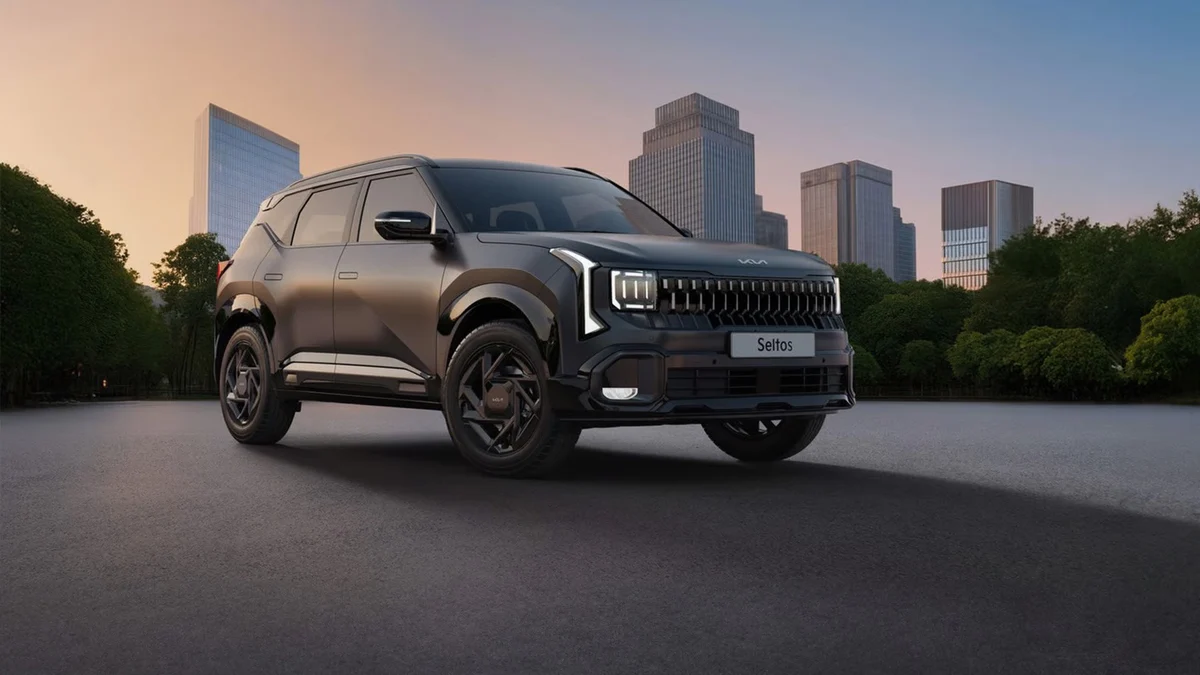
DCT / DSG / DCAHyundai Creta turbo DCT, Kia Seltos turbo DCT, Hyundai i20 N Line DCT, Skoda Kushaq DSG, Volkswagen Virtus DSG, Volkswagen Taigun DSG, Tata Altroz DCA
CVT / IVTHonda City CVT, Honda Elevate CVT, Honda Amaze CVT, Hyundai i20 IVT, Hyundai Creta IVT, Nissan Magnite CVT, Renault Kiger CVT

For a buyer looking for a sportier drive with faster gear changes, you would buy a DCT or DSG car. If the buyer’s desire is for a smoother drive and less stress when driving an automatic transmission, then they would choose a CVT or IVT vehicle when travelling in an urban area.

Which Automatic Transmission Should You Buy?

The right automatic transmission depends on your driving style and usage.

Your priorityBetter choice
Smooth city drivingCVT / IVT
PerformanceDCT / DSG
Highway overtakesDCT / DSG
Daily commuteCVT / IVT
Enthusiast drivingDCT / DSG
Relaxed family useCVT / IVT
Turbo-petrol SUV feelDCT / DSG

A DCT is better suited for someone who likes driving and prefers a crisper performance, whereas a CVT would be better suited for someone who drives in normal city conditions and does not care about performance.

FAQs

  1. Q. What is the full form of DCT?

    DCT stands for Dual-Clutch Transmission. It uses two clutches to deliver quick gear shifts.

  2. Q. What is the full form of CVT?

    CVT stands for Continuously Variable Transmission. It adjusts gear ratios continuously instead of using fixed gear steps like a regular gearbox.

  3. Q. Is DCT better than CVT?

    DCT is better for performance and quick shifts. CVT is better for smooth city driving and relaxed use. The better choice depends on your driving needs.

  4. Q. Is CVT good for city driving?

    Yes, CVT is very good for city driving because it is smooth, easy to use and comfortable in traffic.

  5. Q. Is DCT good for Indian traffic?

    DCT can work in Indian traffic, but some dry-clutch DCTs may feel jerky or heat up during long bumper-to-bumper crawling. CVT is usually easier for heavy traffic.

  6. Q. Which gives better mileage, DCT or CVT?

    Mileage depends on the car, engine and driving style. A DCT is not always more efficient than a CVT. Some CVT cars are very fuel-efficient, especially in city use.

  7. Q. What is IVT in Hyundai and Kia cars?

    IVT stands for Intelligent Variable Transmission. It is Hyundai and Kia’s name for a CVT-style automatic transmission.

  8. Q. Is e-CVT the same as CVT?

    No, An e-CVT used in strong hybrid cars is different from a regular belt-and-pulley CVT. It works with the hybrid system to combine petrol engine and electric motor power.

Share

Leave a Comment

Your email address will not be published. Required fields are marked *

A-Z Glossary

Every car part & feature, explained

News

The latest from the automotive world
Best Cars

The crème de la crème of cars

Rules & Regulations

Every law & regulation, explained

Car Ownership

Everyday car-care tips & advice

Buying a car

Make the right buying decision

Selling a car

Make the right selling decision

Miscellaneous

Cars & eveything in-between

5,000,000+ Readers

We’re ❤️ne big family!

Follow us for accurate, impartial & up-to-date information around everything related to cars – Latest news & developments, best options for every budget & lifestyle, ownership tips, buying & selling advice and a lot more on Spinny Magazine.

Unbiased
Rated 4.5 out of 5
Reliable
Rated 4.5 out of 5
Helpful
Rated 4.5 out of 5
Scroll to Top

Want to Sell your Car?

Choose your brand below to get started: