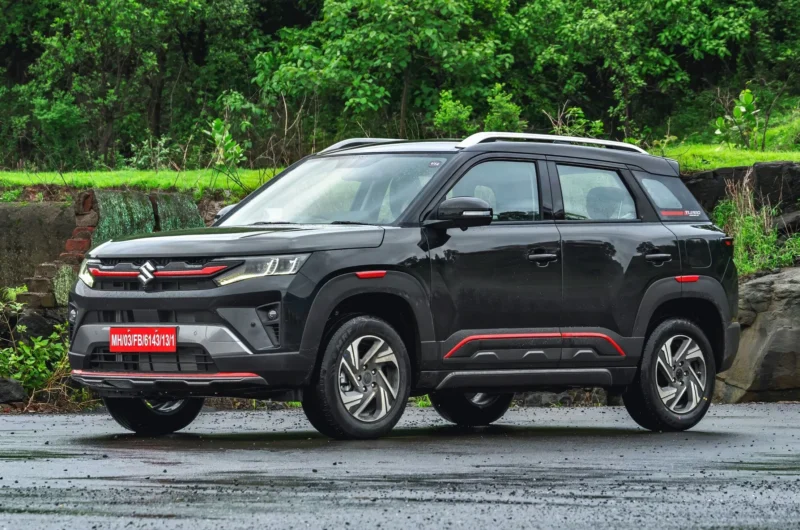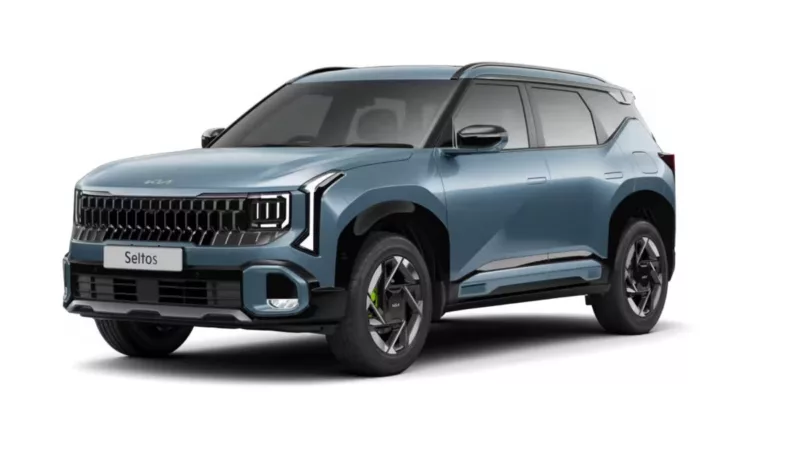

The Mahindra Bolero Neo is slightly more fuel-efficient than the Bolero, despite having a more powerful engine. The Neo is rated at 17.29 kmpl against the Bolero’s 16 kmpl, and in real-world driving it returns about 13.8 kmpl against about 13 kmpl for the Bolero.
Both are rugged, diesel-only, rear-wheel-drive seven-seaters with a five-speed manual. The Bolero is the simpler, more utilitarian choice, while the Neo adds a stronger 100 PS engine, a more modern cabin and an optional locking differential. Below, we compare claimed and real-world mileage, work out monthly fuel costs, and check whether the Neo’s higher price pays off.
Table of Contents
Mahindra Bolero vs Mahindra Bolero Neo Specs
Both SUVs use a 1.5-litre, three-cylinder mHawk diesel, but in very different tunes. The Bolero’s mHawk75 makes about 76 PS and 210 Nm, while the Neo’s mHawk100 makes 100 PS and 260 Nm. Both send power to the rear wheels through a five-speed manual, and neither offers an automatic or 4×4.
Both are ladder-frame SUVs built for tough use. The Bolero has a 60-litre tank and a kerb weight of about 1,620 kg. The Bolero Neo, updated in October 2025, has a 50-litre tank, a more modern cabin with a 9-inch touchscreen on higher variants, and an optional mechanical locking differential (MLD) on the top N10 (O).
| Specification | Mahindra Bolero | Mahindra Bolero Neo |
| Engine | 1.5L mHawk75 diesel, 3-cyl (1,493 cc) | 1.5L mHawk100 diesel, 3-cyl (1,493 cc) |
| Power | 76 PS | 100 PS |
| Torque | 210 Nm | 260 Nm |
| Transmission | 5-speed manual | 5-speed manual |
| Drive layout | Rear-wheel drive | Rear-wheel drive (MLD on N10 (O)) |
| Seating | 7 | 7 (5+2) |
| Fuel tank | 60 litres | 50 litres |
| Length | 3,995 mm | 3,995 mm |
The Neo’s stronger engine has more torque in reserve, so it works less hard at the same speed. That helps explain why it returns slightly better mileage than the Bolero, despite its extra power.
Mahindra Bolero vs Mahindra Bolero Neo ARAI Mileage Figures

The Bolero Neo is rated at 17.29 kmpl, about 1.3 kmpl more than the Bolero’s 16 kmpl. Since each SUV has just one engine and gearbox, every variant carries the same claimed figure.
You may see slightly different Bolero figures quoted online. Older listings show 16.5–16.7 kmpl, while the current BS6 Phase 2 figure is 16 kmpl.
| Car | Engine & transmission | Fuel type | ARAI mileage |
| Mahindra Bolero | 1.5 mHawk75, 5-speed manual | Diesel | 16 kmpl |
| Mahindra Bolero Neo | 1.5 mHawk100, 5-speed manual | Diesel | 17.29 kmpl |
ARAI tests use a fixed lab cycle with light loads and no traffic. With seven people on board or a loaded boot, both SUVs will return noticeably less.
Also Read: Mahindra Bolero Mileage Explained: ARAI vs Actual Use
Mahindra Bolero vs Mahindra Bolero Neo Real-World Fuel Efficiency
In real-world driving, the Bolero Neo returns about 13.8 kmpl on a 50:50 city-highway mix, against about 13 kmpl for the Bolero. The gap is under 1 kmpl, so both are similarly economical day to day.
The Neo figure comes from an independent road test on city and highway routes, which returned 12.08 kmpl and 16.16 kmpl. We blended these over equal distances (a 50:50 split). We found no comparable road test for the current Bolero, so its figures are typical owner-reported ranges.
| Real-world mileage | Bolero (owner-reported) | Bolero Neo (road test) |
| City | 11–12 kmpl | 12.08 kmpl |
| Highway | 14–15.5 kmpl | 16.16 kmpl |
| Average | about 13 kmpl | 13.83 kmpl (50:50) |
| Tank range | about 780 km (60 L) | about 690 km (50 L) |
The Neo’s lead comes mostly from the highway, where its stronger engine is more relaxed. Even so, it spins at about 2,600 rpm at 100 kmph in top gear, so cruising at 80–90 kmph saves noticeable fuel in both SUVs.
The Bolero’s bigger 60-litre tank gives it a longer range per fill, about 780 km against 690 km for the Neo. That is useful for rural and long-distance users who refuel less often.
Also Read: How to Increase Mahindra Bolero Mileage
Mahindra Bolero vs Mahindra Bolero Neo Fuel Cost Comparison
At 1,500 km a month, the Bolero Neo costs about ₹680 a month less to fuel than the Bolero. We used the real-world averages above and the Pune diesel price of ₹98.55 a litre (28 October 2026).
| Fuel cost | Mahindra Bolero | Mahindra Bolero Neo |
| Monthly running | 1,500 km | 1,500 km |
| Mileage used | 13.0 kmpl | 13.83 kmpl |
| Monthly fuel use | 115.4 L | 108.5 L |
| Average monthly cost | ₹11,371 | ₹10,689 |
| Yearly cost | ₹1,36,454 | ₹1,28,265 |
| Five-year cost | ₹6,82,269 | ₹6,41,323 |
Over five years, the Neo saves about ₹41,000 in fuel. The base Neo N4 costs about ₹49,000 more than the base Bolero B4, so fuel savings alone take around six years to cover the difference at this running.
In other words, the Neo is not the cheaper car to own on fuel alone. You pay a little more for its stronger engine, nicer cabin and extra features, and get a small fuel saving in return. Drive more than 1,500 km a month and the payback comes sooner.
The figures exclude servicing, insurance, tyres and future fuel price changes.
Also Read: Mahindra Bolero Real World Mileage
Mahindra Bolero vs Mahindra Bolero Neo Price

The Bolero starts at ₹8.57 lakh (ex-showroom), about ₹49,000 less than the Bolero Neo at ₹9.06 lakh. At the top end, the Bolero B8 costs ₹9.99 lakh and the Neo N10 (O) with the locking differential costs ₹10.85 lakh.
| Model | Variant | Price (ex-showroom) |
| Mahindra Bolero | B4 | ₹8.57 lakh |
| Mahindra Bolero Neo | N4 | ₹9.06 lakh |
| Mahindra Bolero | B6 (O) | ₹9.69 lakh |
| Mahindra Bolero Neo | N8 | ₹9.69 lakh |
| Mahindra Bolero | B8 | ₹9.99 lakh |
| Mahindra Bolero Neo | N10 | ₹10.00 lakh |
| Mahindra Bolero Neo | N11 | ₹10.39 lakh |
| Mahindra Bolero Neo | N10 (O) | ₹10.85 lakh |
Prices vary by city and change over time, so confirm the latest figures with a dealer.
At ₹9.69 lakh, the Bolero B6 (O) and the Neo N8 cost the same. At that price, the Neo gives you more power, better mileage and a more modern cabin. If you’d rather skip the new-car premium, you can also browse quality-checked pre-owned Boleros on Spinny.
Summary
The Bolero Neo is the more fuel-efficient of the two, returning about 13.8 kmpl in real-world driving against about 13 kmpl for the Bolero. That saves around ₹680 a month in fuel at 1,500 km.
The gap is small, and the Bolero is cheaper to buy, so fuel savings alone take about six years to cover the Neo’s higher base price. The Bolero also goes further per tank thanks to its 60-litre tank.
Pick the Bolero for the lowest purchase price and maximum toughness. Pick the Neo if you want more power, more features and slightly lower running costs, especially where the two overlap in price.
FAQs
Which gives better mileage, the Bolero or the Bolero Neo?
The Bolero Neo, by a small margin. It returns about 13.8 kmpl in mixed real-world driving against about 13 kmpl for the Bolero, and its ARAI figure is 17.29 kmpl against 16 kmpl.
How can the Neo be more powerful and more efficient at the same time?
Both use a 1.5-litre diesel, but the Neo’s mHawk100 tune has more torque, at 260 Nm against 210 Nm. It works less hard to move the car, especially at highway speeds, which helps it use slightly less fuel.
Did the 2025 Bolero Neo facelift change its mileage?
No. The October 2025 update brought a new grille and bumpers, new wheels, a refreshed cabin and a 9-inch touchscreen on higher variants. The engine and gearbox are unchanged, so mileage stays the same.
Is the Bolero Neo worth the extra money over the Bolero for fuel savings?
Not on fuel alone. The Neo saves about ₹680 a month at 1,500 km, so it takes around six years to recover its ₹49,000 higher base price. The case for the Neo rests more on its power, features and cabin.
Which goes further on a full tank?
The Bolero. Its 60-litre tank gives about 780 km of range at 13 kmpl, while the Neo’s 50-litre tank gives about 690 km at 13.83 kmpl.
Do the Bolero or Bolero Neo come with an automatic or 4×4?
No. Both are sold only with a five-speed manual and rear-wheel drive. The Neo N10 (O) adds a mechanical locking differential, which helps on slippery or rough surfaces.
What mileage can I expect with a full load?
Expect less than the averages above. With seven people on board, a loaded boot or the AC running hard in summer, both SUVs typically drop by 1–2 kmpl, especially in city traffic.