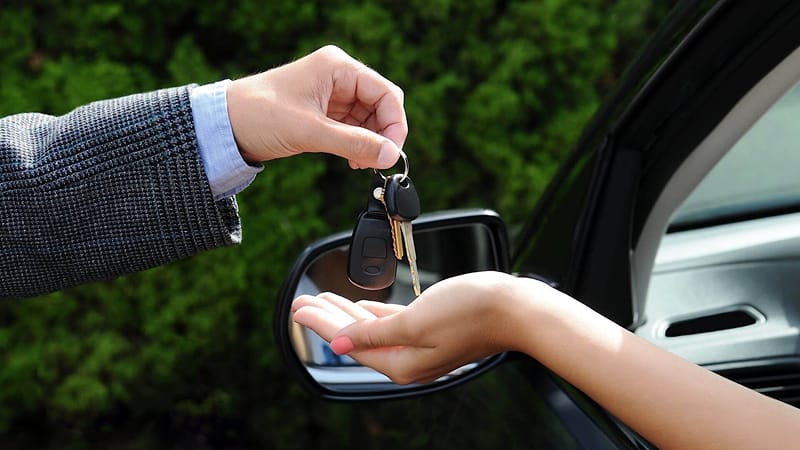
Selling a certified used car in India is more than handing over the keys and the original RC. There are other relevant documents that are mandatory to complete the process and legally transfer the ownership. Until the RC is transferred to the buyer’s name, the seller is still the legal owner of the car.
There is usually a gap of a few weeks until the ownership is legally transferred. If there are any accidents or other legal problems with the car during this time, the seller could still be held legally responsible. Therefore, a seller should have documents that enable the sale and transfer of ownership, and documents that clearly show the handover of the car.
In this blog, we’ll cover the mandatory documents and the ones the seller needs to protect themselves in case of legal escalation. In addition, we will see how the Spinny Seller Protection Policy covers sellers legally.
Table of Contents
Documents Required to Sell a Used Car
The mandatory documents that are needed to sell a used car in India are listed below.
- Original Registration Certificate or RC to prove the ownership of the car.
- A purchase invoice is another proof of ownership, but it cannot replace the RC.
- Having valid insurance is mandatory for the RC transfer.
- Service history will reveal whether the car has had proper maintenance or not. The service book will give conclusive evidence of the service and the odometer readings as well.
- Road Tax Receipt will show whether the road tax has been paid or not. Otherwise, the new buyer will have to bear the penalty.
- NOC issued by the bank. This applies to cars that have or had a car loan. Without this NOC, the hypothecation will not be removed, and it will delay the RC transfer.
- Pollution Certificate is necessary for the sale as it reveals the emission level of the car.
- Dual Fuel Certificate is applicable to CNG vehicles that have a petrol+CNG fuel option. If CNG is retrofitted, the seller must provide the receipt.
- RTO Forms such as Form 28 (NOC), Form 29 or ownership transfer notice, Form 30 or transfer intimation application, Form 32 and Form 35 for cars in case the seller has an outstanding car loan.
Also Read: Documents to Check when Buying a Used Car
Documents the Seller Must Keep
The above documents are what the seller must provide to process the sale and transfer of the car. In addition to copies of these documents, the seller must keep their copies and originals of the post-sale documents as evidence that the car is no longer in their possession.
- A delivery note or sale letter is physical evidence of the vehicle being handed over.
- A sale agreement is a written contract between a seller and buyer or dealer, which sets forth the sale and transfer of liabilities.
- If you are selling it to Spinny, you just need the sale agreement and delivery note.
- Confirmation from the bank regarding the payment.
- Signed copies of the RTO forms, acknowledgement of Form 29 and 30 to establish that the RTO is formally advised about the sale of the car.
However, with all these formalities and documents, some traffic violations or accidents may occur with the sold car. This is where Spinny’s Seller Protection Policy comes in for the seller.
Learn About Spinny’s Seller Protection Policy
Under the Seller Protection Policy, responsibility for the car transfers to Spinny the moment the seller physically hands it over. It covers only the registered owner who sells the car, not the next buyer. This policy is designed to address issues that may affect the seller. It’s not full coverage but it’s a useful barrier if legal issues arise. Let’s see what this protection policy entails.
Post-Handover Traffic Challans
If the seller receives any challan for traffic violations after the handover, the seller must contact Spinny at the earliest. From there, it will be taken care of by Spinny, and the seller will not have to make any payment. The seller must keep the evidence of this communication as well.
Misuse of the Car
The policy also covers any misuse of the car by Spinny or its employees before the RC transfer is complete.
Accidents or Other Mishaps
In case the car is involved in an accident, legal notices are sent to the legal owners. When necessary, Spinny will help the seller with the process and contact the relevant authorities. To make the process easier, the seller must promptly notify Spinny. This helps establish a proper timeline when the matter is legally examined.
Legal Representation
Most importantly, as per the Seller Protection Policy, Spinny will provide legal representation before the judiciary or other law-enforcement agencies if the matter escalates after the handover. It covers instances such as accidents and other legal issues that happen before the RC is legally transferred.
How is Seller Protection Different From Buyer Assurance?
The purpose of the Seller Protection Policy is entirely different from the assurance given to buyers. Buyer assurance includes a warranty and guarantee about the car’s condition. The Seller Protection legally covers and handles legal matters for the seller. It covers incidents that occur between handing over the car and the legal transfer of the RC to the new buyer. It does not cover the new buyer of the car.
Also Read: The Power of Instant Selling: Sell Your Used Car Faster With Spinny
Conclusion
Every document related to the car’s ownership, service history, sale, handover, receipt, etc., is important for a used-car seller in India. It is equally important to promptly notify dealers such as Spinny of any challans or notices about the car after the physical handover. This creates a traceable timeline of events that can help with legal matters. The Seller Protection Policy covers the seller’s interests and does not apply to buyers of used cars.
Also Read: NOC for Cars: Step-by-Step Guidelines
FAQs About Evidence a Certified Pre-Owned Car Seller should Provide
Q. How can I verify that the RC transfer is complete after the car sale?
Visit the Parivahan Sewa Portal and enter the car’s registration number along with the last five digits of its chassis number to view the ownership details. You can also use the application number to check its status at the VAHAN Application Status page.
Q. Is a car inspection report equivalent to an accident report?
The car inspection report is not the same as a document for its accident history. It’s just a report on the general condition of the car.
Q. Does Spinny’s Seller Protection Policy cover the buyer?
No, the buyer is not protected by the seller protection policy. It is just a means of protecting the seller named on the RC.
Q. Does the Seller Protection Policy cover each and every seller who sells his car to Spinny?
It is applicable for all sellers who have transferred their cars to Spinny physically. The policy begins once the handover is complete and continues until the transfer of the RC is formally completed.
Q. How many days for the RC transfer?
You can expect the RC transfer to be complete within 15-30 working days for cars registered in the same state. In case of interstate transfer, it may take 30 to 60 working days. Sometimes, it may take longer. This is why Spinny’s Seller Protection Policy matters, as it keeps the seller legally protected. At the same time, the seller must ensure that all necessary documents are duly signed and submitted to make the RC transfer smooth and faster.