
The second-hand car market has outpaced new car sales, and that says a lot about how car buyers are thinking today. More people, especially first-time owners and enthusiasts, are leaning towards used cars instead of stretching their budgets for something brand new. After all, some cars come with price tags that are just too steep, and the second-hand car market often makes them a lot more accessible.
It’s also the place where you might find well-maintained models that brands don’t even make anymore. But here’s the thing: not every second-hand car is in great shape. Some are neglected, some are poorly serviced, and a few might have hidden problems waiting to show up later. That’s why it’s important to take a few precautions before you buy a used car. This piece runs you through exactly what to look out for.
Let a Car Mechanic Accompany You
If you’re checking out a used car, take a car mechanic with you seriously; it’s one of the smartest things you can do. They can pick up things most of us wouldn’t notice: how the engine sounds, whether the clutch feels right, or if the suspension’s a bit off. The next time you go for a test drive or drop by a second-hand car market, make sure a mechanic’s tagging along.
Ask them to inspect the car closely— check for repainting, hidden dents, or repair marks, and give the engine a proper once-over. If you don’t personally know one, it’s fine to hire someone and pay for their time. A good mechanic can save you from buying a car that looks great outside but has problems waiting under the hood.
Check the Car Thoroughly
Sellers will always talk up their cars — that’s just how it goes. But don’t take their word for it. Look yourself closely. Run your hand along the paint, check for uneven spots or colour differences. Small scratches or dents are normal, but a full repaint might mean the owner’s trying to hide rust or an accident repair – all important aspects before buying a pre-owned car.
Also, flick on the switches and make sure the AC, wipers, and lights all work fine. Even small electrical issues can turn into quick repair bills later. So, before agreeing on the final price, check the car top to bottom and make sure it’s worth what you’re paying.
Book a Test Drive
A test drive can tell you a lot more about a used car than any spec sheet or seller’s promise. It’s where you really get a sense of how the car’s been treated. If you’re checking out an automatic and feel a lag or jerk while it shifts gears, that’s a red flag; it could mean transmission issues. Get the drivetrain and clutch looked at before making a deal.
Pay attention to how the suspension and brakes feel too. If the car dives too much under braking or makes odd noises over bumps, chances are the suspension isn’t in great shape. Also, keep an eye on the tailpipe — heavy smoke or strange fumes are signs of poor maintenance or engine trouble, both of which can lead to bigger headaches later.
While you’re at it, take a few sharp turns to see how stable the car feels. A good suspension will keep it composed without too much body roll. And if you can, bring along a trusted mechanic or a friend who knows cars — they’ll catch the smaller flaws while you focus on how the car drives. It’s always better to find the issues now than after the deal’s done.
Document Verification
- Document Verification
It’s tempting to rush through paperwork when you’ve found the used car you like, but this is where most people slip up. A few missing or mismatched documents can turn your dream deal into a legal mess later. So take your time — and check every single paper before signing anything. - Registration Certificate (RC)
Start with the RC. It’s basically the car’s proof of identity. Check that the chassis and engine numbers on it match the ones on the car. If they don’t, walk away — it’s either been tampered with or rebuilt. Also, make sure you’re looking at the original RC, not a duplicate. The owner’s name should be clearly printed, and if you’re buying from a dealer, their name should show up on the document too. - Service Records
A car that’s been serviced on time will show it in the records. Go through them carefully. You’ll get a fair idea of how the car’s been maintained. Look for mentions of major repairs or modifications — things like a CNG kit installation should be properly listed. Spotty or missing records usually mean the car hasn’t been cared for. - Insurance
Every second-hand car should have a valid insurance policy. Ideally, it should be active for at least a year. Some cars come with longer coverage — that’s great because it saves you renewal costs. If the policy has lapsed, you’ll need to renew it or get a new one, and that’s something you can use to negotiate the price. A valid policy also protects you from third-party liability in case of an accident. - PUC Certificate
Always ask for the Pollution Under Control certificate. It proves the car meets emission norms — no excuses here. Missing this could land you with a fine or worse, an unfit vehicle on the road. - Purchase Invoice
Ask for the original purchase invoice. It helps trace the car’s ownership history and can even help you when you resell it later. - Loan NOC
If the car was bought on loan, get a No Objection Certificate from the bank or finance company. It confirms there’s no pending payment left on the car. No NOC, no deal — simple as that. - Road Tax Certificate
Lastly, make sure the road tax has been cleared. Ask for the Road Tax Certificate — if the seller hasn’t paid, you’ll be stuck with the penalty when the records are checked.
It might sound tedious, but double-checking these papers is what separates a solid deal from a regret. In the second-hand car market, a few extra minutes with the paperwork can save you a world of pain later.
Odometer Tampering
One of the oldest tricks in the second-hand car market is odometer tampering and it still happens more often than you’d think. Some owners roll back the odometer to make it look like the used car hasn’t been driven much, hoping to get a better price.
With analogue meters, it’s a little easier to spot. Look closely at the digits — if they’re misaligned, scratched, or unevenly spaced, there’s a good chance the reading’s been messed with. Digital odometers, though, are a different story. They’re harder to detect, but even then, smudges, fingerprints, or tool marks around the cluster can be a sign that someone’s tried to tweak the numbers.
Vehicle Modifications
A lot of car owners love modifying their cars sometimes to make them look sportier, sometimes for performance. But not every mod is legal, and a few can land you in trouble, especially on long drives or highway checks where the traffic police don’t take such things lightly.
If a used car you’re considering has visible modifications, tread carefully. Some might seem harmless, but many are outright illegal under Indian motor laws. Here are a few that can get you fined:
- Changing the car’s original colour
- Using black film on the windows
- Altering or cutting the roof structure
- Making changes to the engine
- Fitting a loud aftermarket exhaust
- Upsizing tyres beyond permitted limits
- Raising the car’s body height (body lifting)
- Installing fancy number plates
If the car you’re checking out has any of these changes, it’s better to walk away. You’ll only inherit the penalties — and the headaches — later.
Get an Idea of the Price Online
Before you buy a used car, spend a bit of time checking prices online. It’ll give you a fair sense of what the car should actually cost in the second-hand car market. Prices can swing a lot depending on the year of manufacture, total kilometres, overall condition, and how popular that model still is. Once you have a few quotes from listing sites, compare them with what your local dealer is asking; it’s the best way to know if you’re being overcharged.
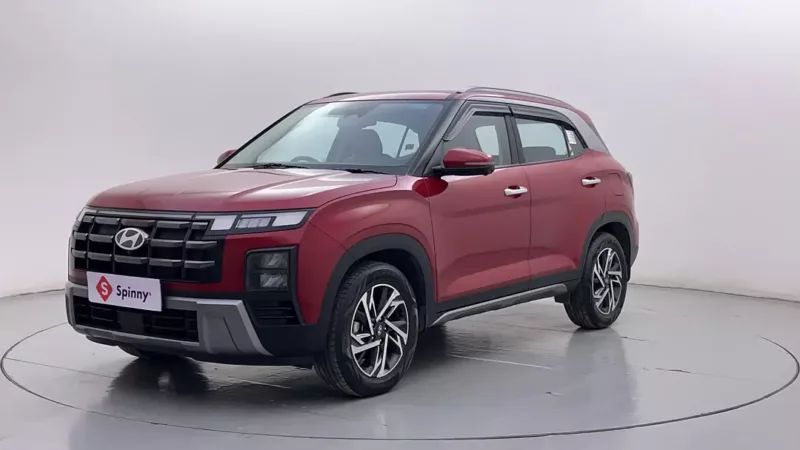
If you’re buying from a reseller, stick to someone credible. Spinny, for instance, lists only condition-checked cars and has become one of the more trusted names in a few Indian cities. You can check their site for actual price details and car availability before making a move.
Know When to Pay
Don’t be in a hurry to transfer the money just because you’ve found a good-looking car. Take your time, double-check the paperwork, and keep exploring options. The best deals in the used car space usually go to the ones who don’t rush.
The Spinny Advantage
What sets Spinny apart is the way the cars are vetted. Each vehicle goes through over 200 inspection points before it’s listed, and only a small fraction make the cut. You can walk into a Spinny hub near you and check the cars in person — no pressure, no sales talk.
They also have a five-day return window, so if the car doesn’t feel right after you’ve bought it, you can return it without any drama and get your full payment back. On top of that, Spinny offers a buyback guarantee: you can return the car within 18 months at a fixed price.
That mix of transparency and after-sale support is what’s made Spinny a strong player in India’s second-hand car market. If you’re still unsure, book a test drive and see for yourself; that’s usually the best way to know if the car, and the seller, are worth it.
Get a free test drive here to validate all of these claims today!
FAQs
Q. When should I buy a used car?
Buy a used car only after checking its RC book, insurance validity, and service records. Also, get its internal and external condition verified by a car expert or mechanic before making a decision.
Q. Are used car loans available in the market?
Yes, several Non-Banking Financial Companies (NBFCs) offer used car loans. Check the loan tenure, interest rates, and other aspects of the loan before availing it to purchase a used car.
Q. Which documents to verify before buying a second-hand car?
Verify the RC, PUC, insurance, service history, and road tax certificate before buying a pre-owned car. Also, ask for a loan NOC from the car owner to ensure that no EMIs are pending from the previous purchase.
Q. Why buy a repainted car?
A car may be repainted to hide any structural flaws, rust, or accidental damage. In the worst case scenario, a stolen car might be repainted to hide its identity. So, you must generally avoid buying repainted cars.
Q. Why buying used cars can be a good decision?
If a well-maintained car is available in good condition and at a reasonable rate, buying it can prove to be the best decision. However, ensure that everything about the second-hand car is right before buying it.
Q. Is it safe to pay in advance for a used car online in India?
Yes, it’s safe when you book through Spinny, as every car is inspected and verified before sale. You also get a 5-day money-back guarantee if the car doesn’t feel right.