



SUV vs MPV vs MUV – What’s the Difference?

Last updated 1 minute ago
Learn the difference between SUV, MPV and MUV vehicles. Compare comfort, space, fuel efficiency and practicality to choose the right car.
Last updated 1 minute ago

You may have encountered terms like SUV, MPV and MUV if you are looking to buy a new car. Even though these types of vehicles may appear to be the same, they’re manufactured for different purposes and have many different advantages. Some have an off-road focus and more rugged versatility than others, while some are about carrying more people in comfort or comfortably handling family errands.

Knowing the distinction between these categories of vehicles can simplify your car purchase a great deal. The ideal decision varies from family to family based on your own demands with respect to size requirements, travel plans and budget. This guide demystifies what SUVs, MPVs and MUVs are, how they differ from one another, and our take on which vehicle would suit your lifestyle the best.

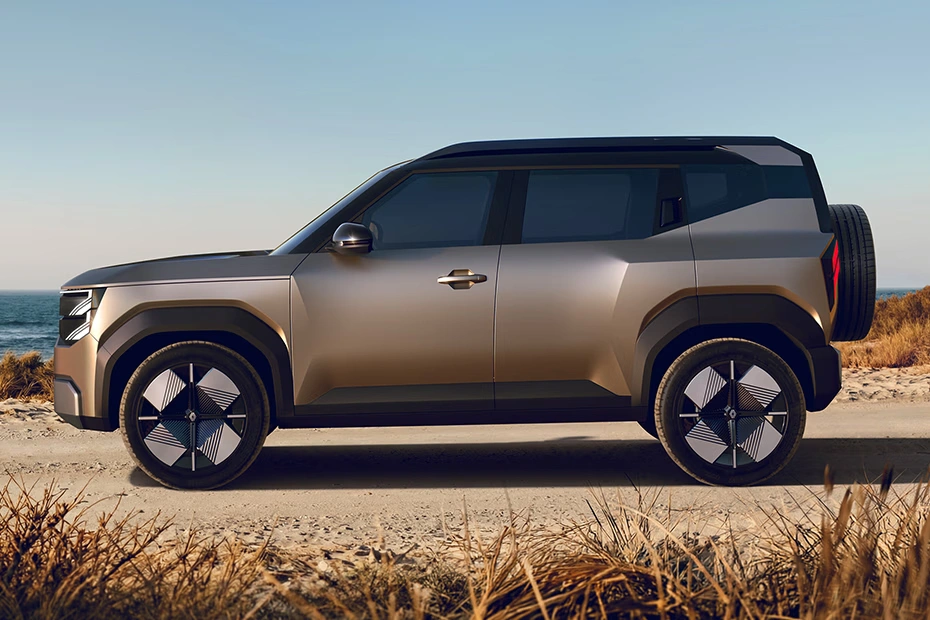
What is an SUV?

SUV stands for Sport Utility Vehicle.

Key Characteristics of SUVs

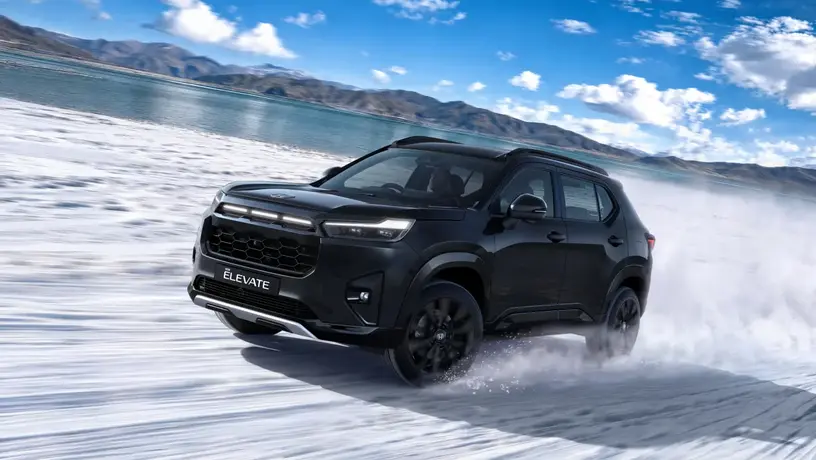
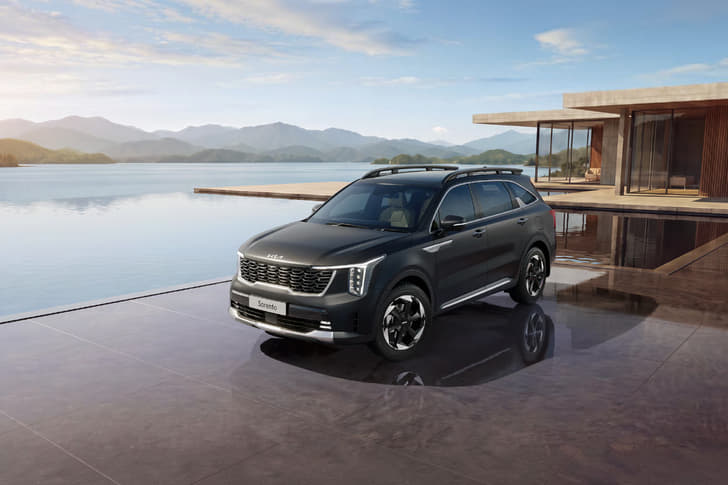
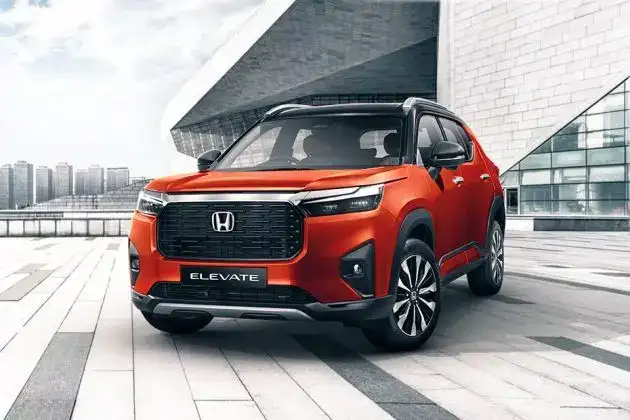
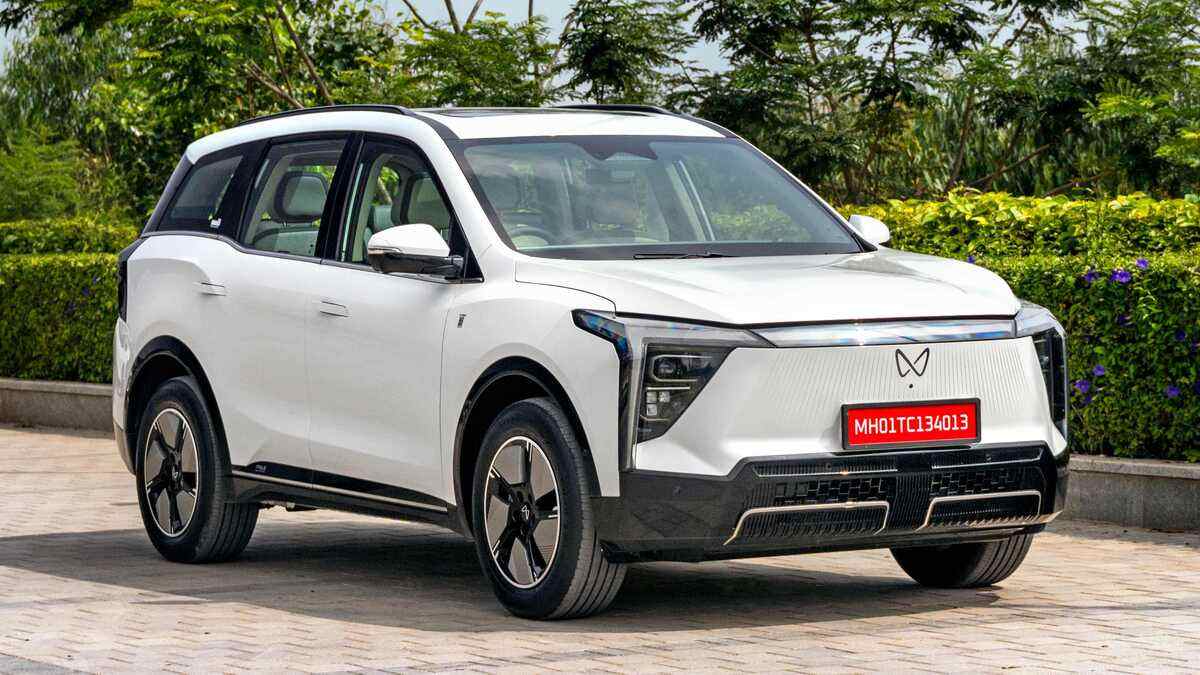
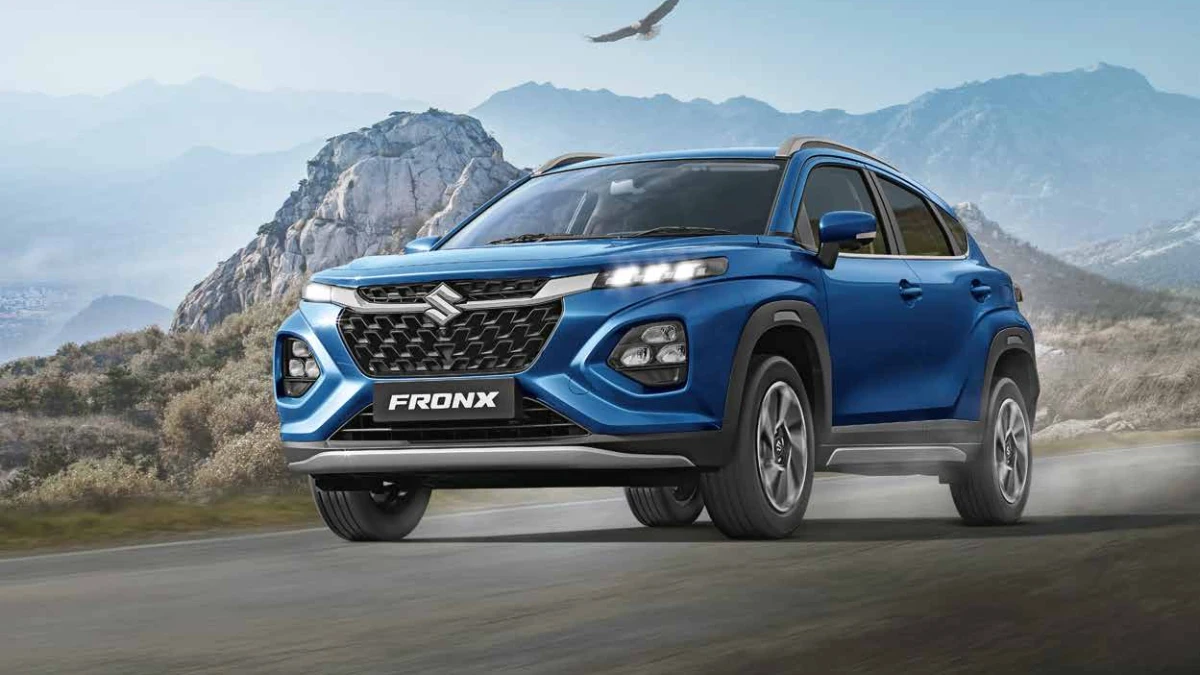
Today, SUVs are among the most popular types of vehicles in India. They’re meant to fit a balance between passenger car comfort and the practicality and versatility you need for all sorts of driving conditions. A defining characteristic of an SUV is that it has higher ground clearance, which aids the SUV in handling rough roads, potholes and speed breakers.

In addition, most SUVs provide a raised driving position, roomy interiors and an assertive exterior that helps them stand out on the road. Although certain SUVs are made for challenging terrain and off-road trails, most of today’s designs were built specifically to handle city commutes as well as long-distance highway travel.

Advantages of SUVs

  • Great road adaptability thanks to high ground clearance.
  • Higher riding position for better visibility.
  • Muscular and rugged exterior styling.
  • More cabin space in a way that ends passenger comfort
  • From the available compact, mid-size and full-size segments.
  • Ideal for both city and long-distance travel activity.

Limitations of SUVs

  • Can be more expensive than comparable MPVs.
  • Larger dimensions may make parking difficult in crowded areas.
  • Fuel efficiency is often lower than similarly sized MPVs.
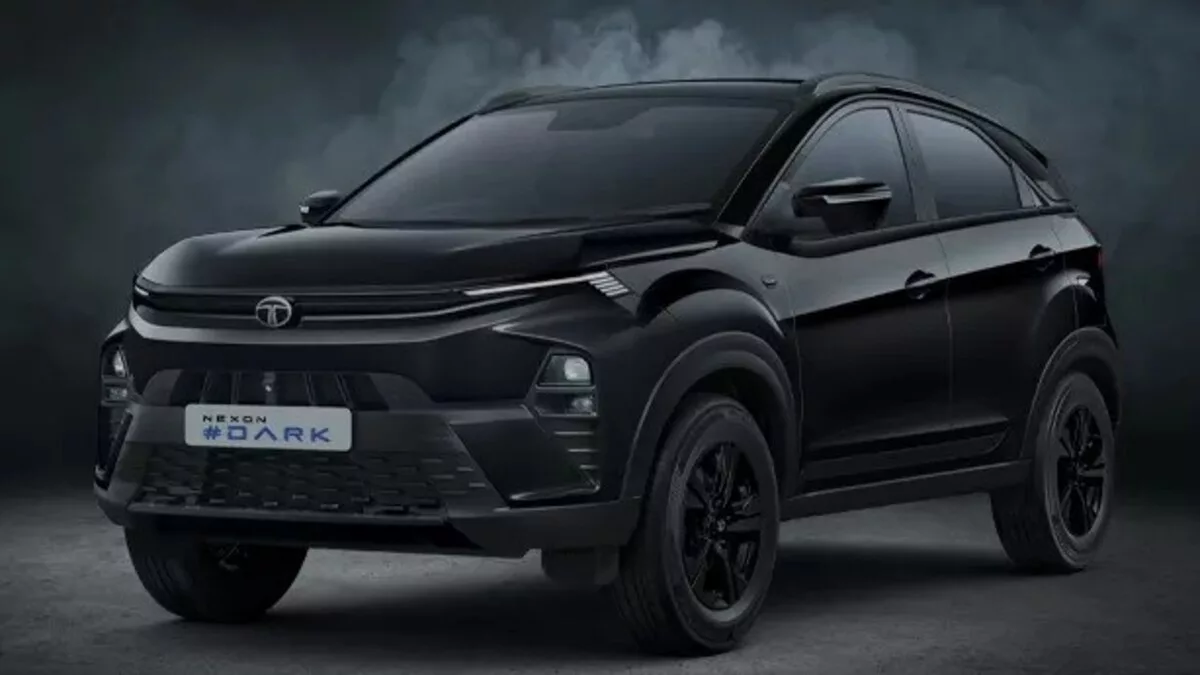
  • Hyundai Creta
  • Kia Seltos
  • Tata Harrier
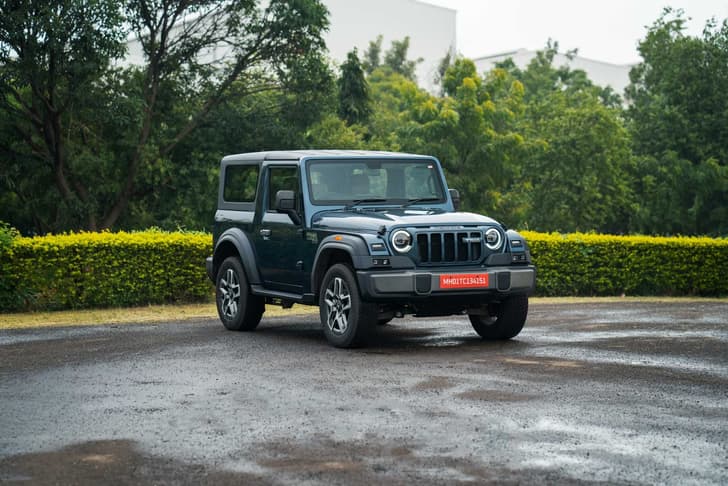
  • Mahindra Scorpio N
  • Toyota Fortuner

Many buyers simply want something with a little bit of everything they value about cars when they take their pick from the SUV market range, especially if it goes so far as to deliver some measure of comfort and everyday utility featuring modern technology handling varied road conditions.

Also Read: Top Selling SUVs in India

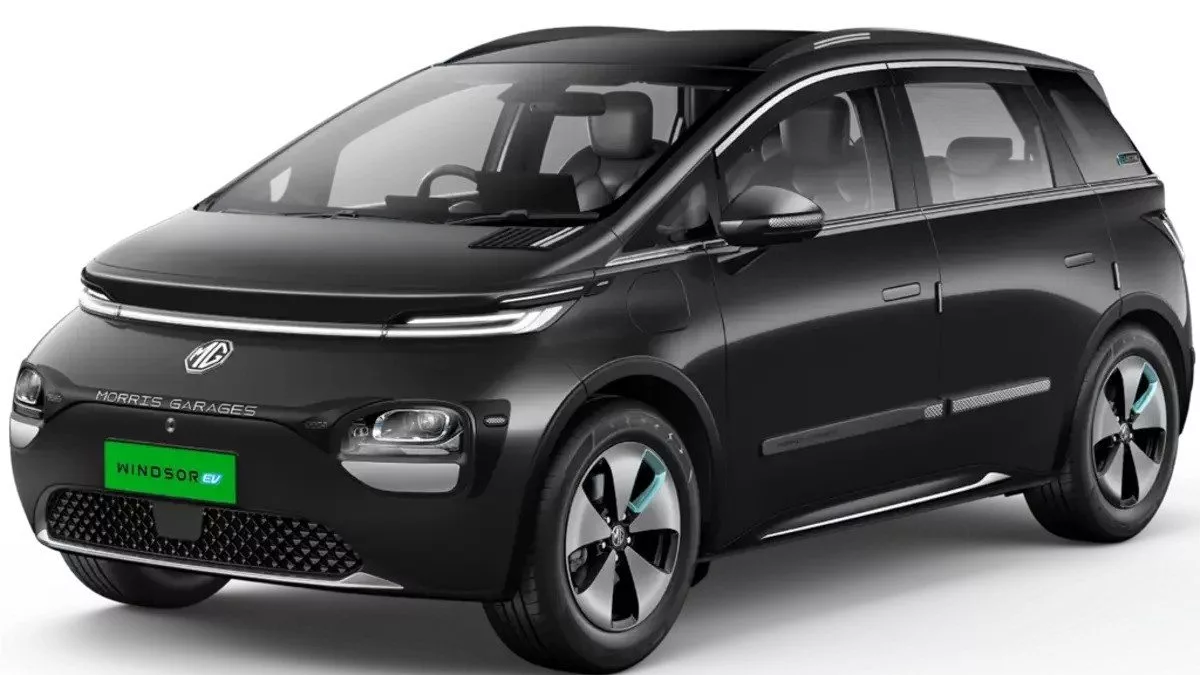
What is an MPV?

MPV stands for Multi-Purpose Vehicle.

Key Characteristics of MPVs

MPVs are designed to meet multiple transport purposes with emphasis on passenger comfort and practicality, as the name suggests. These are designed to be maximised with interior space and therefore ideal for families or buyers who regularly travels with multiple passengers.

While SUVs are often styled for the ultimate in road presence and rugged looks, an MPV focuses on packing as much room into a package as possible, with flexible seat arrangements through the back and easy access to all rows. With seating for six or seven but plenty of luggage space, most MPVs are big money-spinning hits with families and people mooching about on the school run.

Advantages of MPVs

  • A Cabin Designed to be One Of the Most Comfortable for Passengers cuideachd
  • Flexibility in seating arrangements that include multiple seating configurations.
  • Accessibility to the middle and final row of seats
  • Large windows and airy interiors.
  • Design practicality favored usability over ruggedness.
  • Well suited for family travel and daily commuting.

Limitations of MPVs

  • Lower ground clearance compared to many SUVs.
  • Less sporty appearance.
  • Limited off-road capability.
  • Maruti Suzuki Ertiga
  • Toyota Rumion
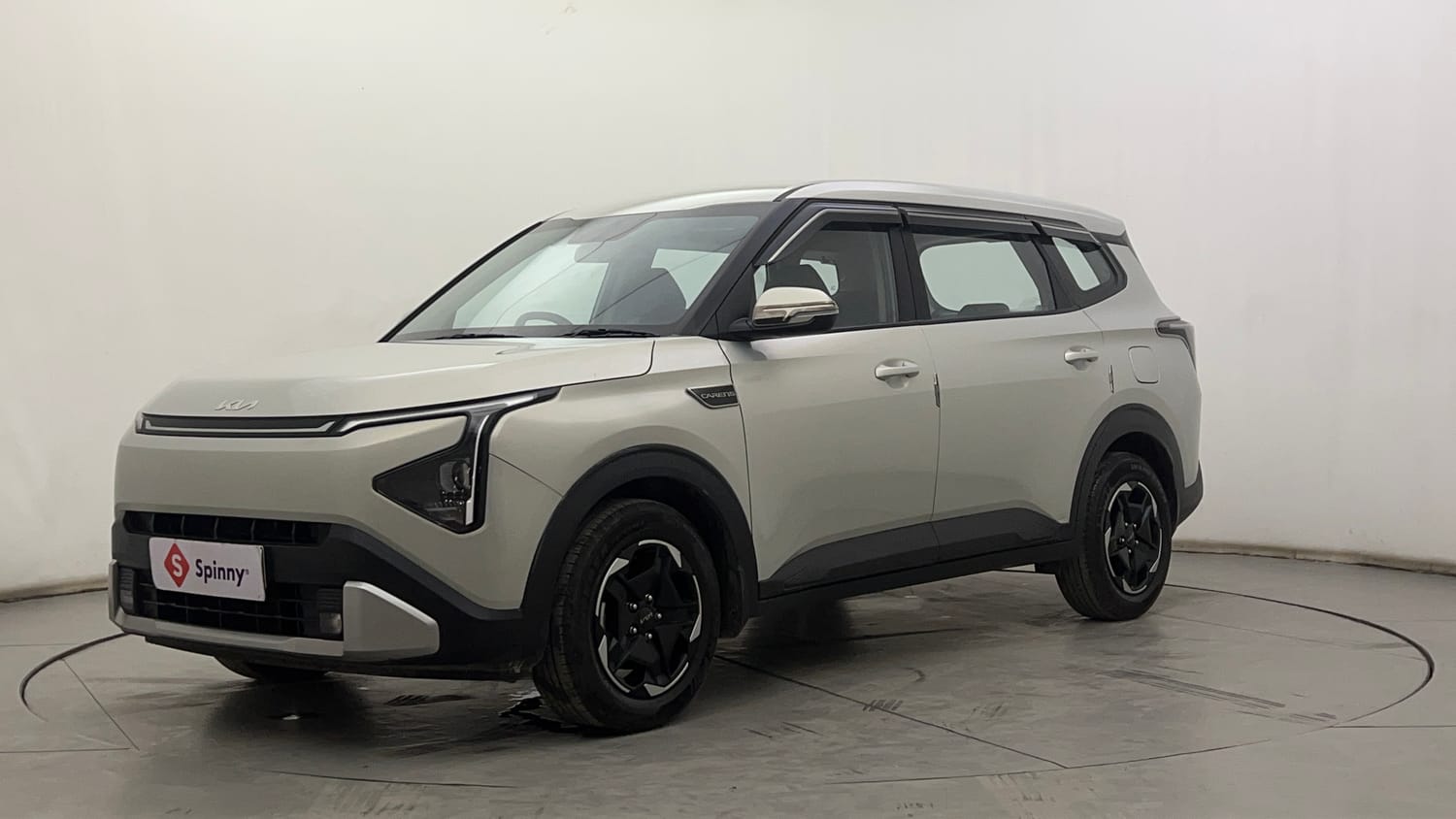
  • Kia Carens
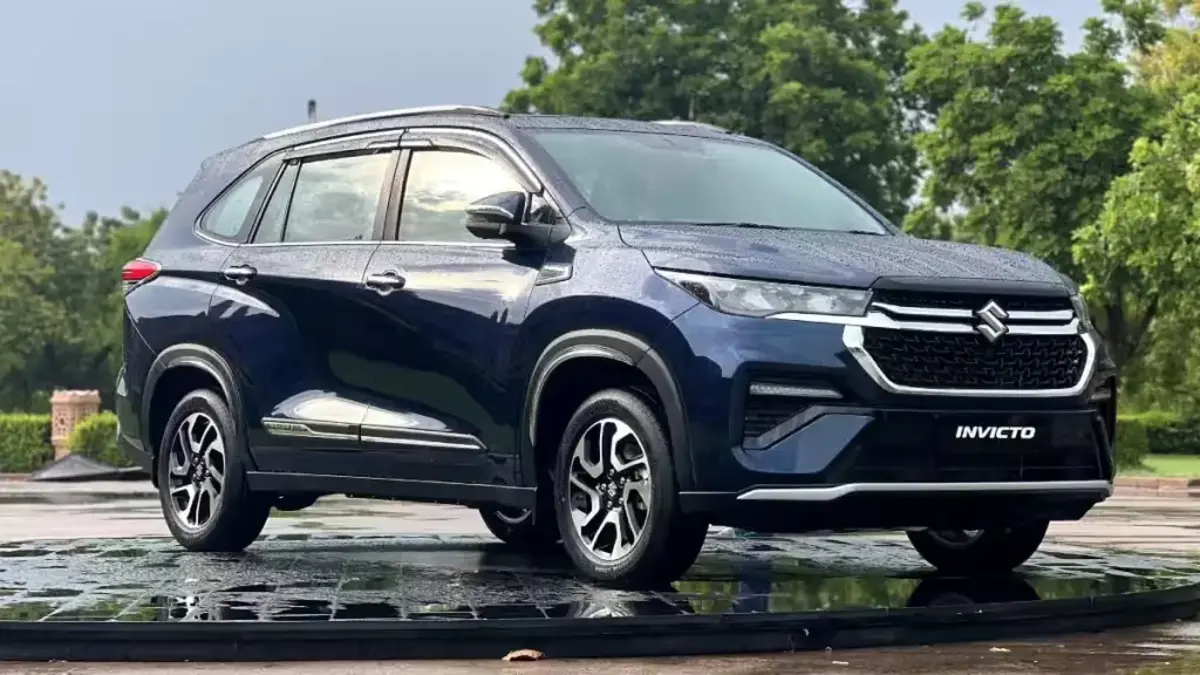
  • Toyota Innova Hycross

The buyers who are looking for space, comfort and practicality over rugged styling are ideal for an MPV. An MPV can be a more comfortable and practical choice than an SUV for large families or for those who frequently travel with multiple passengers.

Also Read: Types of Cars in India: Car Body Types Explained

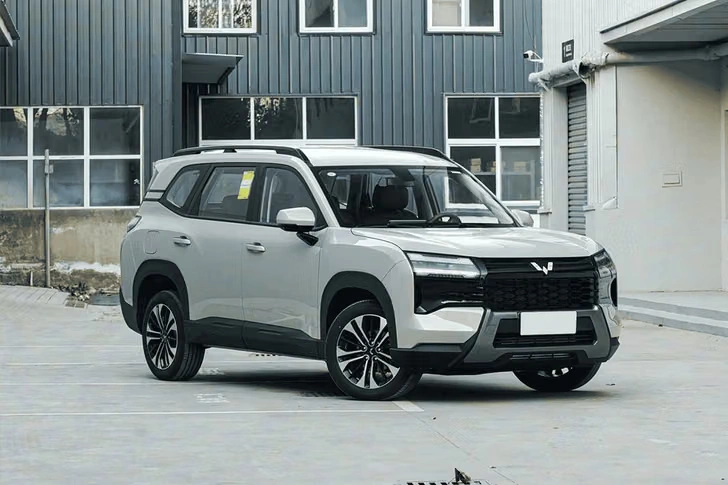
What is an MUV?

MUV stands for Multi-Utility Vehicle.

Key Characteristics of MUVs

MUVs emphasise practicality, robustness and versatility. They are designed to transport large volumes of passengers, luggage and in some cases even commercial cargo. MUVs are generally known to be widely used by large family members, fleet operators and businesses as they are built tough and can withstand even harshest conditions.

The line between MPVs and MUVs has blurred somewhat over the years, but generally speaking, MUVs tend to emphasize toughness and utility over premium features or stylish design. They are typically built for off-road and heavy-duty usage while also providing enough seating capacity.

Advantages of MUVs

  • Constructed with strong emphasis on sturdiness and usefulness.
  • It can carry many passengers and a substantial amount of luggage.
  • Built to support high-frequency, high-demand use.
  • Generally have large interiors with flexible seating arrangements.
  • More often suited for harder road conditions.
  •  Suitable for both personal and commercial applications.
  • Commonly known as reliable and low on maintenance.

Limitations of MUVs

  • Interiors can come off as a bit less premium than contemporary SUVs.
  • Driving impressions generally feel more detached.
  • There are aspects of practicality over comfort and features among some models.
  • Toyota Innova Crysta
  • Mahindra Bolero
  • Mahindra Marazzo
  • Force Citiline

MUVs will be best suited for buyers who want a vehicle that can accommodate people, offers them the benefits of being more spacious and can take heavy day-to-day usage. They are all about utility and longevity, which is precisely why they appeal to big families, rural users and commercial operators alike.

Also Read: Best MUV Cars in India

SUV vs MPV vs MUV – Key Differences

FeatureSUV (Sport Utility Vehicle)MPV (Multi-Purpose Vehicle)MUV (Multi-Utility Vehicle)
Primary PurposeVersatility, Lifestyle & Off-roadPremium Passenger & Family ComfortMaximum Utility & Fleet Practicality
Seating CapacityUsually 5 to 7Usually 6 to 8Usually 7 to 9
Ground ClearanceHigh (typically 180mm – 210mm+)Moderate (typically 165mm – 185mm)Moderate to High (Utilitarian setup)
Ride ComfortGood (can be stiff in rugged models)Excellent (plush, car-like monocoque)Good / Functional
Luggage SpaceModerate (limited with 3rd row up)High (highly flexible/foldable seating)High (designed for cargo + people)
Highway PerformanceStrong & PowerfulComfortable CruisingPractical & Linear
Off-Road AbilityBetter (AWD/4WD options available)Limited (typically Front-Wheel Drive)Limited (mostly Rear-Wheel Drive/Utilitarian)
Fuel EfficiencyModerateBetter (heavily adopting Strong Hybrids)Moderate to Better (highly reliant on CNG/Diesel)
Road PresenceStrong & AggressivePremium & SophisticatedFunctional & Utilitarian
Typical BuyerLifestyle, individuals & small familiesLarge families & luxury tourersLarge budget families & commercial fleets

Which Offers the Most Comfortable Seating?

MPVs are generally more comfortable when it comes to seating. They are engineered specifically to make the most of interior space and passenger comfort, affording legroom, headroom and shoulder room for all occupants in three rows. This especially keeps them in the right spot long enough to use as great family runners and road beasts.

Some modern MPVs are also equipped with captain seats, flexible seat arrangements, and wide-opening doors, allowing passengers to enter, exit, and circulate comfortably in the cabin. Instead, it focuses on making the experience comfortable for everyone aboard, not just the people sitting up front.

While some SUVs can offer a plush ride (especially premium models), they’re often built for style and geared toward high ground clearance and presence. Much the same as other three-row SUVs, the third-row seats in here are typically a better fit for kids or short trips. MUVs have high seating capacity along with good practicality; however, comfort could be subjective to personal and commercial usage of the vehicle.

An MPV is generally the best choice for buyers who frequently carry six or seven passengers, due to their large cabin and fuss-free passenger focus.

Which Vehicle Type is Best for Indian Roads?

The type of vehicle that suits you best really depends on how and where you drive. Since Indian road conditions differ vastly from smooth expressways, bustling city streets, to pot-holed rural roads and everything in between, all vehicle types provide unique advantages.

SUVs

SUVs are often said to be the most versatile vehicles for Indian roads. They have a higher ground clearance, which takes care of potholes, broken surfaces and large speed breakers with confidence. With their high driving position and heavy-duty construction, SUVs can cater to those who dabble with rougher terrain or have longer journeys on the horizon.

Also Read: Why India loves SUVs

MPVs

MPVs are perfect for those buyers who value comfort over passenger travel. They are especially good on city streets and on the highway, with a comfortable ride, space in all rows and easier access. If you have a large family and the majority of your time is spent in urban areas or on well-maintained roads, an MPV can be high on practicality.

MUVs

Muvs are designed for ruggedness and practicality. They are built tough and designed to last, great for rural roads, or any parts of the world where the road quality is lacking. They also make a smart option for purchasers who often travel with their entire family and luggage or want a car to perform double duty as both commercial & personal.

And while SUVs are the most capable all-rounders for the varied roads we have in our country, MPVs provide ample comfort on long family trips and MUVs rule for their ruggedness and utilitarian aspect. Which one is best for you depends on how much driving you do day in and day out, how many passengers you have to carry most of the time and what kinds of roads you drive on the most.

Which Offers Better Fuel Efficiency?

As for fuel efficiency, MPVs get the edge over comparably sized SUVs. They’re usually designed for practicality, passenger transport and daily usability; a central theme that leads to lighter weight and better efficiency. Hence, the MPVs can be more fuel-efficient, particularly for daily city usage and highway travelling.

In contrast, SUVs traditionally have more ground clearance, bigger wheels and a tougher exterior. When such characteristics are rounded in weight and drag aerodynamic, they may have an effect on fuel economy measurements. But sophisticated engine technology and lightweight design have made most SUVs much better on gas than past generations.

Most MUVs lie somewhere in the middle. Size, engine and purpose are primary factors influencing their fuel economy. Models with greater capacity or seating could be less economical than their smaller counterparts but not necessarily so, especially when loaded to full capacity.

Please note that mileage will be different based on several elements such as engine type, transmission, vehicle weight, driving style, traffic conditions and road quality. Though we know MPVs would still be ahead overall, many SUVs have mileage numbers approaching those of MPVs these days so the gap has been less than it once was as older generations of both vehicles did a much better job of solidifying their distinctions.

Which Vehicle Type Has More Practical Boot Space?

MPVs and MUVs are innately better luggage carriers than SUVs, so their boot/rear space is usually pretty practical. They all offer great space efficiency, which suits families and group travel and when both passengers and luggage can be accommodated comfortably.

As a result, MPVs have more flexible seating arrangements with foldable, sliding or split-folding seats. That way, it’s easy for owners to reconfigure the cabin to add even more cargo whenever needed. From luggage for a family holiday to daily shopping, there’s an MPV proven to match the storage requirements.

MUVs, too, are designed with a purpose of practicality in mind and can transport multiple passengers along with plenty of luggage. These cars can work well with their roomy interiors, practicality and utility design for long-distance travel, family use or commercial application too.

Two-row SUVs typically have a reasonably good boot space. However, the luggage space can get a bit tight when all three rows of seats are in use. Consequently, customers regularly take journeys headed for the complete cabin, and junked reviews of hefty baggage might agree with MPVs and MUVs to be more prevalent options.

MPVs led the segment in maximum flexibility and cargo-carrying capacity, closely followed by MUVs with their strong utility and passenger-carrying focus.

Ownership Costs – SUV vs MPV vs MUV

FactorSUV (Sport Utility Vehicle)MPV (Multi-Purpose Vehicle)MUV (Multi-Utility Vehicle)
Purchase PriceHigher (Due to styling demand, AWD tech & heavy safety structures)Moderate to Higher (Entry segments are moderate, premium hybrids are high)Lower to Moderate (Highly competitive pricing targeted at fleet/budget buyers)
Fuel CostsModerate to High (Boxy aerodynamics & heavier body-on-frame builds)Lower (Driven by high-efficiency Strong Hybrid & refined monocoque platforms)Moderate ( Kept economical via extensive factory CNG & Diesel options)
Maintenance CostsModerate to High (Suspension, brakes, and 4WD mechanical parts wear faster)Moderate (Engine parts are reliable, but premium tech/batteries add up over time)Lower (Simplified mechanicals built for high-mileage fleet abuse and cheap parts)
Tyre ReplacementHigher (Large wheel sizes, 17″-19″+, deep all-terrain treads cost significantly more)Lower to Moderate (Standard, comfort-oriented passenger car tyre profiles)Moderate (Thicker sidewalls for load-bearing, but smaller rim sizes keep costs low)
Insurance CostsHigher (Driven by peak IDV value, complex body panels, and larger engine sizes)Moderate to Higher (Matches SUVs in premium brackets due to higher engine displacement)Moderate (Lower base asset value reduces annual comprehensive premium)

Note: Actual ownership costs vary significantly depending on the specific vehicle, engine type and usage pattern.

SUV vs MPV vs MUV Summary

MUVs, MPVs and larger SUVs are meant for a different set of buyers. Midsize SUVs, on the other hand, are for those who want more road presence from a vehicle and or ground clearance without going overly high (and tall) as well as with that kind of flexibility. MPVs are the best-selling car types for big families and buyers who truly value passenger comfort, space and practicality in a vehicle. MUVs prioritise robustness and utility, usually serving better for rural driving, work purposes or when ferrying both people and luggage is equally paramount.

We have no overall winner among the three vehicles. If you like style and all-around capability, then an SUV could be the one for you. Typically, if priority goes to comfort and capacity for multiple passengers, the MPV is often ahead. An MUV still makes a good choice for buyers looking for tough and practical use. The bottom line, however, is that the best car for you is the one that fits your lifestyle needs, driving tendencies and how you drive daily.

FAQs About SUV vs MPV vs MUV

  1. Q. Which is better for a large family: SUV, MPV or MUV?

    MPVs are generally the best choice for large families because they offer better cabin space, easier access to all rows and greater passenger comfort.

  2. Q. Is an MUV the same as an MPV?

    Not exactly. While both focus on practicality, MUVs traditionally place greater emphasis on utility and durability, whereas MPVs focus more on passenger comfort.

  3. Q. Which vehicle type offers better mileage?

    MPVs often deliver slightly better fuel efficiency than similarly sized SUVs, although the difference varies between models.

  4. Q. Do SUVs have more ground clearance than MPVs?

    Yes. Most SUVs offer higher ground clearance, making them better suited for rough roads and uneven surfaces.

  5. Q. Which vehicle type is best for Indian roads?

    For mixed road conditions, SUVs are often preferred due to their higher ground clearance. However, MPVs and MUVs can also be excellent choices depending on your priorities and usage requirements.

Share

Leave a Comment

Your email address will not be published. Required fields are marked *

A-Z Glossary

Every car part & feature, explained

News

The latest from the automotive world
Best Cars

The crème de la crème of cars

Rules & Regulations

Every law & regulation, explained

Car Ownership

Everyday car-care tips & advice

Buying a car

Make the right buying decision

Selling a car

Make the right selling decision

Miscellaneous

Cars & eveything in-between

5,000,000+ Readers

We’re ❤️ne big family!

Follow us for accurate, impartial & up-to-date information around everything related to cars – Latest news & developments, best options for every budget & lifestyle, ownership tips, buying & selling advice and a lot more on Spinny Magazine.

Unbiased
Rated 4.5 out of 5
Reliable
Rated 4.5 out of 5
Helpful
Rated 4.5 out of 5
Scroll to Top

Want to Sell your Car?

Choose your brand below to get started: