


Chinese carmakers have become major players in the global automobile industry, particularly in electric vehicles, batteries, connected technology and affordable premium features. Brands such as BYD, Geely, SAIC, Chery, Nio and XPeng now compete across several international markets.
Their presence in India, however, remains limited. BYD is currently the most prominent Chinese-origin passenger-car brand operating under its own name. MG is also relevant to this discussion because the originally British brand is owned by China’s SAIC Motor. Its Indian business now operates as JSW MG Motor India through a partnership with the JSW Group.
These two companies follow different strategies. MG sells petrol, diesel and electric cars across several price segments. Its range begins with compact urban EVs and extends to large SUVs, luxury electric MPVs and electric sports cars. BYD focuses entirely on electric passenger vehicles in India, with products positioned mainly in the premium market.
Chinese car brands are known for large touchscreens, connected features, electric powertrains and competitive equipment levels. Their biggest challenge in India is not usually product technology, but dealership reach, resale confidence, long-term parts availability and public understanding of ownership structures.
List of Chinese Car Brands in India
The following table covers brands currently selling passenger cars in India that are either Chinese in origin or owned by a Chinese automobile group.
| Brand | Ownership and Origin | Popular Models in India | Approximate Price Range |
| BYD | Chinese-origin EV manufacturer | Atto 3, eMAX 7, Seal, Sealion 7 | ₹24.99-55 lakh |
| MG Motor | British-origin brand owned by China’s SAIC Motor; Indian JV with JSW | Comet EV, Windsor EV, Astor, Hector, Gloster, Cyberster, M9 | ₹7-75 lakh |
BYD
BYD, short for Build Your Dreams, is a Chinese automobile and battery manufacturer with a strong focus on electric and plug-in hybrid vehicles. In India, its passenger-car range is currently fully electric.
The company’s biggest strength is its control over important EV components. BYD develops batteries, electric motors, power electronics and vehicle platforms internally. This level of vertical integration allows it to design the battery and drivetrain as part of the complete car rather than relying heavily on outside suppliers.
Its Blade Battery is one of the brand’s most recognised technologies. It uses lithium iron phosphate chemistry, which is known for thermal stability, durability and resistance to overheating. The battery is integrated into several BYD models sold in India.
The Atto 3 is the most accessible BYD passenger car in India. It is a five-seat electric SUV with a practical range, comfortable cabin and distinctive interior. Its rotating touchscreen and unusual dashboard design make it feel different from conventional petrol SUVs.
The eMAX 7 is aimed at larger families. It offers six- and seven-seat layouts and combines MPV practicality with an electric powertrain. It is particularly suitable for buyers who want three rows but do not want a petrol or diesel vehicle.
The Seal is BYD’s electric sedan. Its low seating position, rear-wheel-drive or all-wheel-drive configurations and quick acceleration give it a more performance-oriented character. It competes with premium electric cars rather than mass-market sedans.
The Sealion 7 sits at the upper end of BYD’s Indian range. It is a premium electric SUV with a spacious cabin, strong performance and a large battery. Higher variants use dual motors and all-wheel drive.
BYD cars generally offer a high level of standard equipment. Large displays, panoramic roofs, powered seats, advanced safety systems and connected functions are common. The cabins tend to feel modern, although some buyers may find the interface and styling unconventional.
The main concern is network reach. BYD’s dealership and service presence is smaller than those of established Indian, Japanese and Korean manufacturers. Buyers outside major cities should check the distance to the nearest authorised workshop before purchasing.
Home charging is also essential for convenient ownership. While public charging is improving, regular dependence on public chargers can make an EV less convenient. Buyers should assess their parking arrangement and daily driving before choosing a BYD.
BYD Brand Highlights
- Country of Origin: China
- India Powertrain Focus: Fully electric
- Entry Model: BYD Atto 3
- Family Model: BYD eMAX 7
- Sedan Model: BYD Seal
- Premium SUV: BYD Sealion 7
- Key Technology: Blade Battery and e-Platform
- Suitable For: Buyers seeking premium electric vehicles with strong technology
MG Motor
MG has a more complicated identity. Morris Garages began as a British automobile brand, but it is now owned by SAIC Motor, one of China’s largest automobile manufacturers. Its Indian operations are run through JSW MG Motor India.
MG entered India with the Hector, which built its identity around connected-car technology, a large touchscreen and a spacious cabin. Since then, the company has expanded into compact SUVs, large SUVs and electric cars.
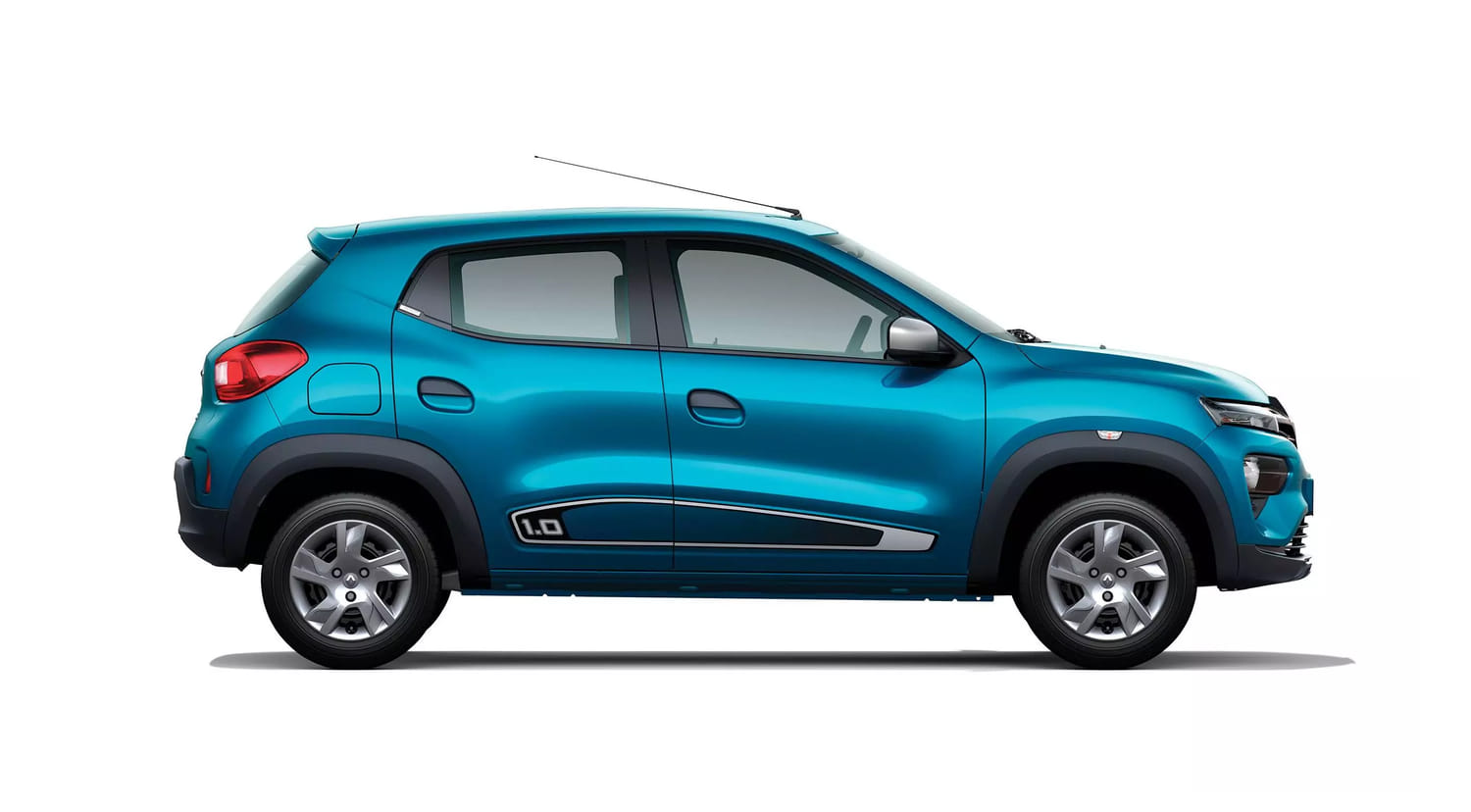
The Comet EV is the smallest MG sold in India. Its two-door body and tiny footprint make it suitable for urban commuting and tight parking spaces. It is not designed as a primary family car, but it works well as a second vehicle for short city journeys.
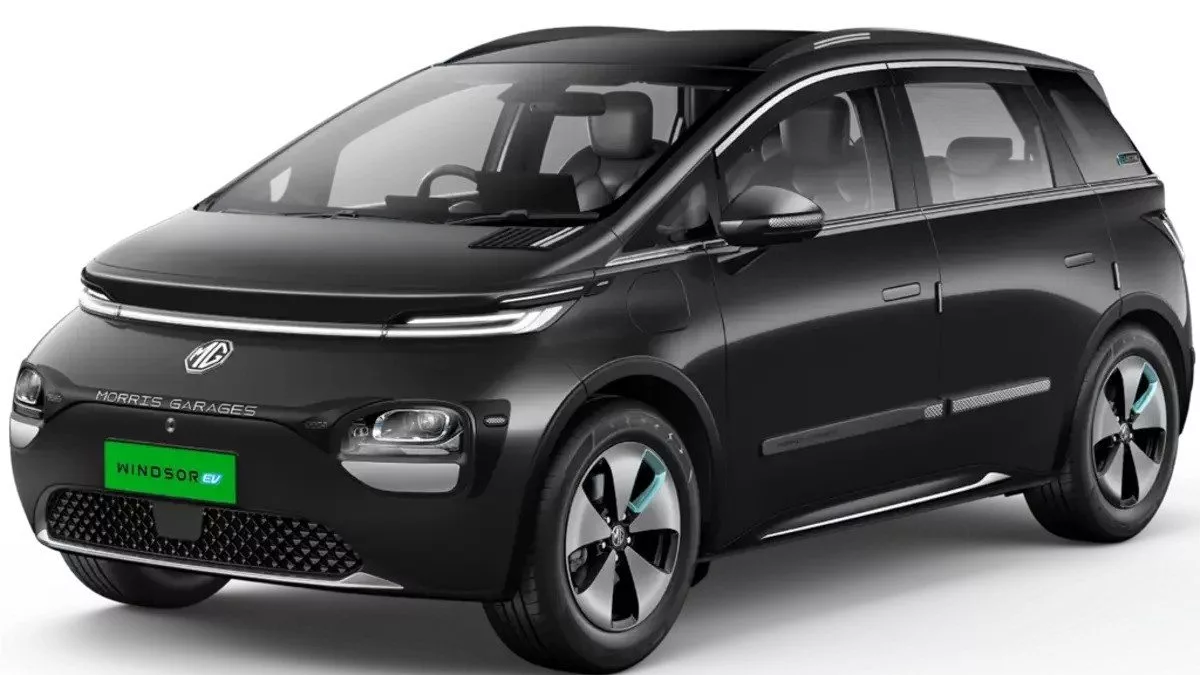
The Windsor EV has become central to MG’s electric-car strategy. It combines a spacious rear seat, flat floor and crossover-like body with an electric powertrain. Its Battery-as-a-Service option separates part of the battery cost from the purchase price, although buyers should understand the per-kilometre charges before choosing this plan.
The ZS EV is a more conventional electric SUV. It offers a larger battery and greater highway capability than the Comet, while maintaining the familiar shape and seating position of a compact SUV.
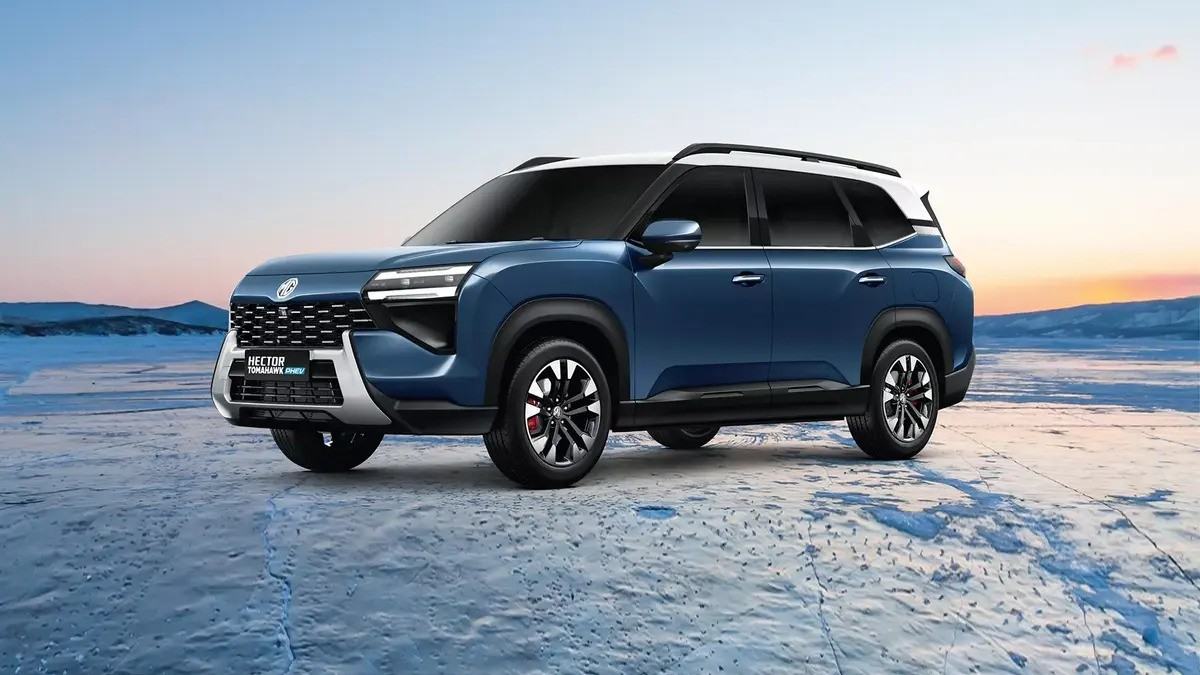
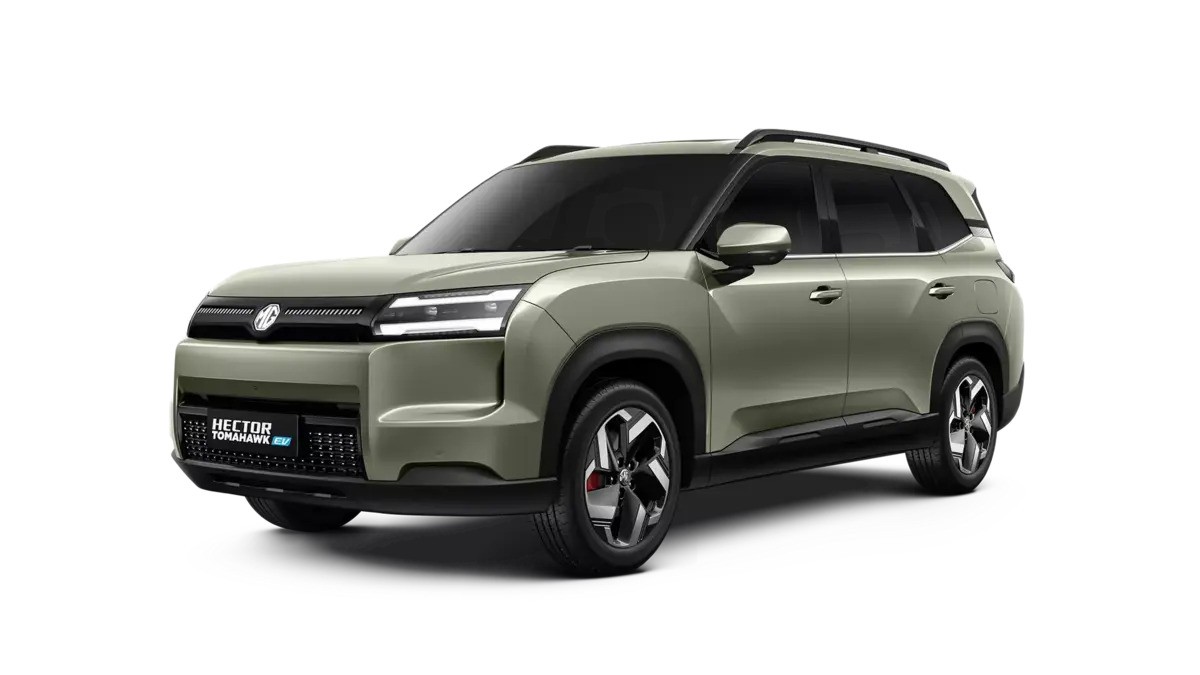
MG also continues to sell internal-combustion vehicles. The Astor is a five-seat petrol SUV focused on features and safety technology. The Hector offers a larger cabin and strong road presence, while the Gloster and Majestor serve buyers seeking large diesel SUVs.
At the premium end, MG Select handles models such as the Cyberster and M9. The Cyberster is a two-seat electric roadster with high performance and dramatic scissor-style doors. The M9 is a large electric luxury MPV designed around reclining rear seats and chauffeur-driven comfort.
MG’s main advantage over BYD is its broader model range and larger Indian retail presence. Buyers can choose between petrol, diesel and electric vehicles instead of committing only to EV ownership.
The brand is also more established in India’s used-car market. Models such as the Hector, Astor and ZS EV have been available for several years, making resale pricing and maintenance expectations easier to understand.
However, MG cars are often feature-heavy and electronically complex. Buyers should pay attention to warranty coverage, software updates and service packages. In used examples, the infotainment system, driver-assistance features, cameras and connected-car functions should be checked carefully.
MG Motor Brand Highlights
- Original Brand Origin: United Kingdom
- Current Global Owner: SAIC Motor, China
- India Business: JSW MG Motor India
- Entry EV: MG Comet EV
- Popular EV: MG Windsor EV
- Petrol SUVs: Astor and Hector
- Large SUVs: Gloster and Majestor
- Premium EVs: Cyberster and M9
- Suitable For: Buyers wanting feature-rich petrol, diesel or electric cars
Chinese-Owned Global Car Brands
Ownership and brand origin are not always the same. Several well-known European car brands are owned partly or fully by Chinese companies, but that does not make them Chinese-origin brands.
Volvo Cars is a Swedish brand owned by China’s Geely Holding. Its design, brand identity and historical origin remain Swedish. It should therefore be described as a Chinese-owned Swedish manufacturer rather than a Chinese car brand.
Lotus is a British sports-car brand in which Geely holds a controlling stake. Its origin, motorsport history and brand identity remain British.
MG is included in this article because its current vehicles, platforms and global operations are closely connected to SAIC Motor. Even so, it is more accurate to call it a British-origin, Chinese-owned brand rather than simply a Chinese brand.
Clear classification prevents confusion, particularly when comparing manufacturing origin, ownership and engineering responsibility.
Upcoming Chinese Car Brands in India
Several Chinese brands have been linked with possible Indian entry, but future plans should not be treated as confirmed showroom availability.
Leapmotor is one of the most discussed names. Stellantis has an international partnership with the Chinese EV company and may use its existing dealer network to introduce Leapmotor vehicles in India. However, buyers should wait for official launch announcements, prices and dealership information.
Other companies such as Chery, Geely, Great Wall Motor, Nio and XPeng are major global or Chinese-market players but are not currently selling passenger vehicles through regular official dealerships in India.
Past announcements have not always resulted in launches because market conditions, investment regulations, localisation requirements and diplomatic factors can affect entry plans.
Chinese Car Brands Summary
BYD and MG are currently the two most relevant names when discussing Chinese automobile influence in India.
BYD is the clearer Chinese-origin brand. Its strength lies in EV batteries, electric platforms and premium electric cars. The Atto 3 works as a family SUV, the eMAX 7 serves larger families, the Seal provides sedan performance and the Sealion 7 offers a premium SUV experience.
MG offers the broader and more accessible range. The Comet is suited to short city use, while the Windsor provides a more practical family EV. The Astor and Hector serve petrol-SUV buyers, and the Gloster or Majestor cater to premium diesel-SUV customers. The Cyberster and M9 extend the brand into luxury EVs.
Buyers should not choose solely on touchscreen size or feature count. Dealer reach, warranty coverage, battery terms, charging access, service quality and resale demand are equally important.
For EV buyers with dependable charging and access to an authorised workshop, BYD and MG offer competitive technology. Buyers in smaller cities should confirm service support before making a final decision.
Also Read:
Best MUV Cars in India
List of Best EV Cars in India
FAQs About Chinese Car Brands in India
Q. Which Chinese car brands are available in India?
BYD is a Chinese-origin brand officially selling passenger cars in India. MG is also relevant because it is owned by China’s SAIC Motor, although the MG brand originally came from Britain.
Q. Is MG a Chinese car company?
MG is a British-origin brand currently owned by SAIC Motor of China. Its Indian business operates as JSW MG Motor India.
Q. Is BYD a Chinese brand?
Yes. BYD is a Chinese automobile, electric-vehicle and battery manufacturer headquartered in Shenzhen.
Q. Which BYD cars are sold in India?
BYD currently offers the Atto 3, eMAX 7, Seal and Sealion 7 in India.
Q. Which MG electric cars are available in India?
MG’s electric range includes the Comet EV, Windsor EV, ZS EV, Cyberster and M9.
Q. Is Volvo a Chinese car brand?
No. Volvo is a Swedish-origin brand owned by China’s Geely Holding. It is more accurate to call it Chinese-owned rather than Chinese in origin.
Q. Are Chinese cars reliable?
Reliability depends on the model, maintenance and service support. Buyers should examine warranty terms, authorised-service reach and long-term ownership feedback rather than judging only by country of origin.
Q. Will more Chinese car brands enter India?
More Chinese brands may enter through partnerships or local companies, but buyers should rely only on confirmed launches and official dealership announcements.