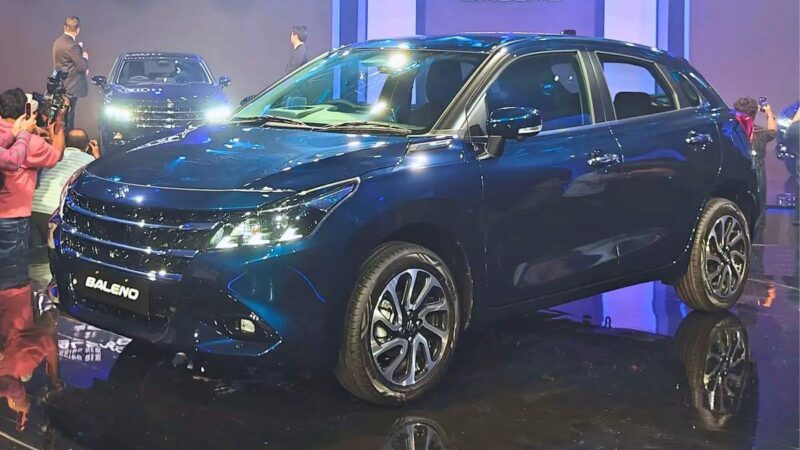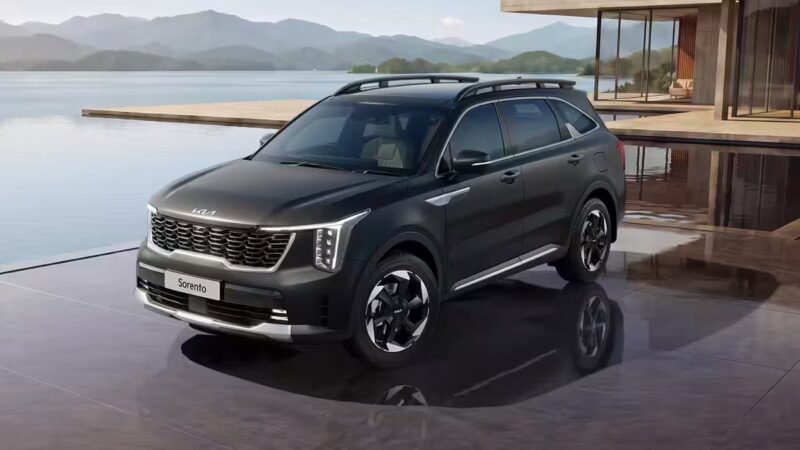
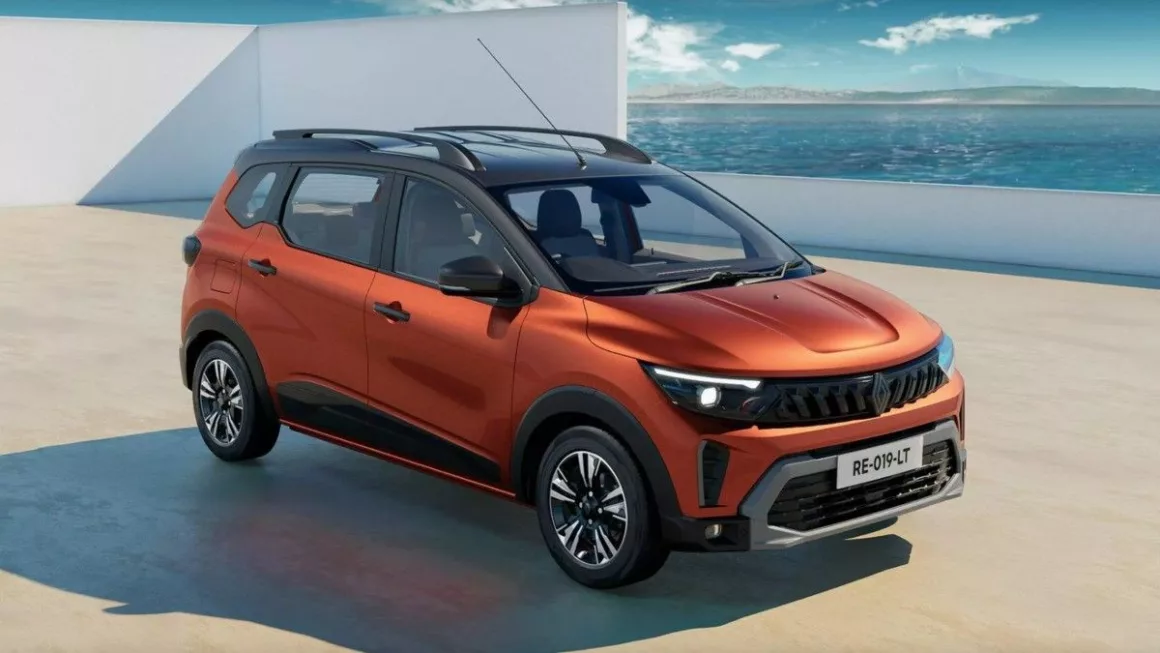
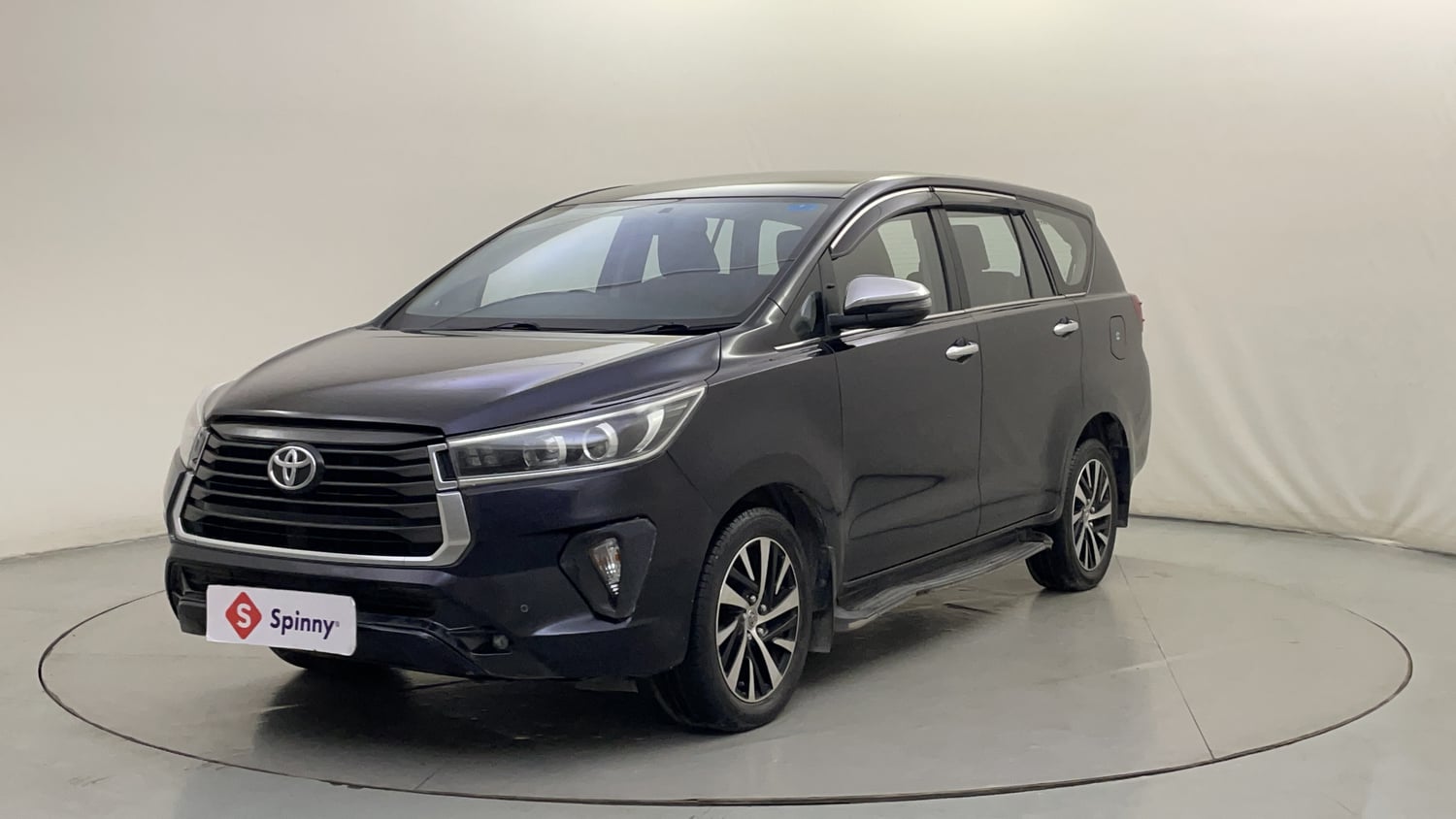
The Renault Triber and the Toyota Innova Crysta are both family cars that can carry 7 occupants. However, both belong to different segments of the MPV segment with very varied performance. The current model of Innova Crysta features a 2.4-litre diesel engine that has a 5-speed manual gearbox. In contrast with that, the Renault Triber features a 1.0-litre petrol engine and has both manual and AMT variants available. The Crysta has a mileage of approximately 15.10 km/l however the Triber with a manual has a stated mileage of 19.76 km/l. But which of the two manages to actually provide better mileage on Indian roads?
The Innova Crysta first launched in India in 2016 and remains one of the country’s most established long-distance family MPVs. The current 2026 model is diesel-manual only, with the earlier petrol and automatic versions no longer offered. The Triber, launched in 2019 and facelifted in 2025, focuses on affordable seven-seat flexibility, compact dimensions and low running costs. The Triber is clearly more fuel-efficient, but the Crysta counters with far greater power, torque, cabin space and full-load capability.
Table of Contents
Toyota Innova Crysta vs Renault Triber Specs
The Toyota Innova Crysta is equipped with a 2.4-litre four-cylinder turbo-diesel engine with a power output of 150 PS and torque of 343 Nm. The diesel engine is paired exclusively with a 5-speed manual transmission, which transfers the power to the rear wheels. The Innova Crysta uses a ladder-frame setup and has a weight of around 1.7 tonnes, making it much heavier than the Triber. So, it is clear that this additional weight contributes directly to increased fuel consumption especially during repeated acceleration in city driving conditions.
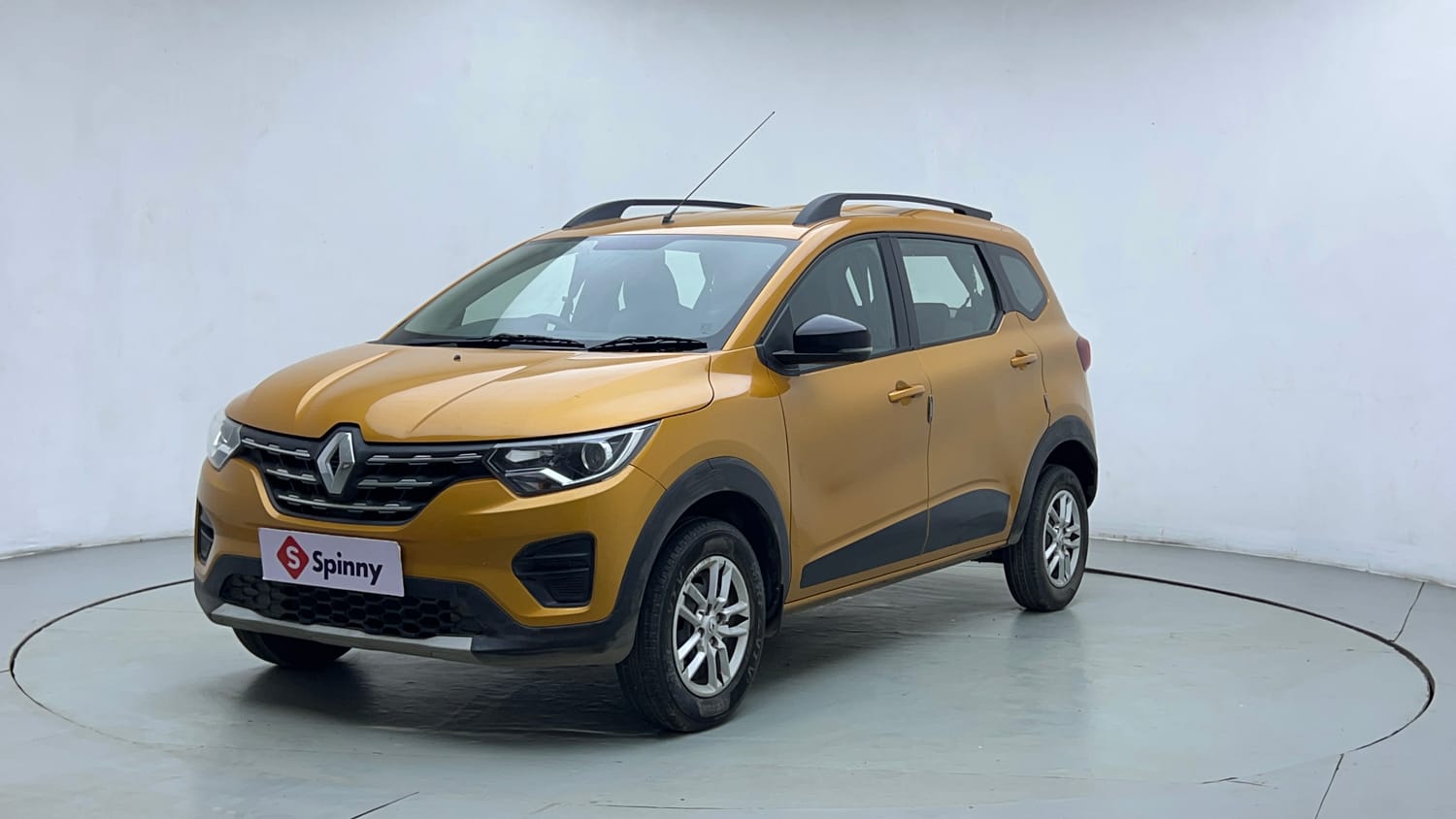
The Triber takes the opposite approach. Its 999cc three-cylinder petrol engine produces 72PS and 96Nm, with either a 5-speed manual or a 5-speed AMT. It uses a lighter monocoque platform, front-wheel drive and weighs under one tonne in lighter variants. The smaller engine has much less performance reserve, particularly with all seven seats occupied, but the combination of low weight and modest power output allows it to use much less fuel.
| Specification | Toyota Innova Crysta | Renault Triber |
| Engine | 2.4L turbo-diesel | 1.0L naturally aspirated petrol |
| Displacement | 2,393cc | 999cc |
| Power | 150PS | 72PS |
| Torque | 343Nm | 96Nm |
| Transmission | 5-speed manual | 5MT / 5AMT |
| Drive layout | RWD | FWD |
| Kerb weight | Around 1,730kg | Under 1 tonne in lighter variants |
| Fuel tank capacity | 55 litres | 40 litres |
The Innova Crysta’s mechanical design is definitely made for load carrying than run cost efficiency. Given its torque output of 343 Nm the Innova behaves well while tackling hills or bypass on highways. Meanwhile, the Triber gives up this performance characteristic for lower running costs as well as easier manoeuvrability in the city.
Toyota Innova Crysta vs Renault Triber ARAI Mileage Figures
The current Innova Crysta’s 2.4-litre diesel manual carries an ARAI mileage figure of approximately 15.10 km/l. Since Toyota no longer offers the petrol or automatic Crysta in 2026, there is only one powertrain to consider. For a large rear-wheel-drive ladder-frame MPV, the figure is reasonable, although actual city mileage can fall substantially below it.
The smaller petrol engine of the Triber provides it with the official advantage in terms of mileage. The manual transmission claims mileage of 19.76 km/l and the AMT variant comes close with its mileage of 19.59 km/l. Thus, the Triber with a manual transmission has an official mileage advantage of more than 4.5 km/l compared to the Innova.
| Car | Engine & Transmission | Fuel Type | ARAI Mileage |
| Toyota Innova Crysta | 2.4L diesel, 5MT | Diesel | 15.10 km/l |
| Renault Triber | 1.0L petrol, 5MT | Petrol | 19.76 km/l |
| Renault Triber | 1.0L petrol, 5AMT | Petrol | 19.59 km/l |
According to official mileage data, Renault has the mileage advantage, but ARAI figures do not present a complete picture. While the bigger diesel engine used in the Innova would require more fuel, cheaper diesel prices plus great highway efficiency help in minimizing running cost disadvantage for the car compared to the Triber.
Also Read: Comparison: Used Renault Triber vs New Renault Triber
Toyota Innova Crysta vs Renault Triber Real-World Fuel Efficiency
In real-world driving, the Innova Crysta diesel generally returns around 10–11 km/l in city conditions and 13–14 km/l on highways. A combined reference of approximately 12 km/l is therefore reasonable for fuel-cost calculations. Considering its weight, rear-wheel-drive system and large diesel engine, this is respectable, but it remains significantly lower than the Triber’s figures.
The Triber manual typically has a mileage of about 13–15 km/l in city driving and 18–19 km/l on highways. The average combined mileage reported by the owners is around 17.76 km/l. For instance, the Triber AMT has been tested and shown to achieve 13.64 km/l in the city and 17.86 km/l on highways for an average figure of about 14.69 km/l. Thus, the manual has the best economy overall, while AMT compromises some fuel efficiency for more driving comfort.
| Innova Crysta Diesel MT | Renault Triber MT | Renault Triber AMT | |
| City | ~10–11 km/l | ~13–15 km/l | 13.64 km/l |
| Highway | ~13–14 km/l | ~18–19 km/l | 17.86 km/l |
| Average | ~12 km/l | ~17.76 km/l | ~14.69 km/l |
| Tank range | ~660 km | ~710 km | ~588 km |
The tank range gives a different result. The Crysta has a much bigger 55-litre tank, but its efficiency is lower, so the theoretical mileage is 660km with its combined mileage. The Triber manual, although it has only 40 litres of fuel tank capacity, may still be able to travel about 710 km. The estimated range of the AMT total is around 588 km because of its lower fuel efficiency.
Also Read: Toyota Innova Crysta Real World Mileage
Toyota Innova Crysta vs Renault Triber Fuel Cost Comparison
For this comparison, we have assumed 1,500 km of monthly driving, equivalent to 18,000 km annually. Fuel prices are based on New Delhi rates in September 2026 at approximately ₹102.12 per litre for petrol and ₹95.20 per litre for diesel. The table uses real-world combined mileage rather than ARAI figures because those numbers provide a more realistic estimate of actual ownership expenditure.
| Innova Crysta Diesel | Renault Triber MT | Renault Triber AMT | |
| Monthly Running | 1,500 km | 1,500 km | 1,500 km |
| Monthly Fuel Use | 125 litres | 84.5 litres | 102.1 litres |
| Average Monthly Fuel Cost | ₹11,900 | ₹8,625 | ₹10,428 |
| Average Yearly Fuel Cost | ₹1.43 lakh | ₹1.04 lakh | ₹1.25 lakh |
| 5-Year Fuel Cost | ₹7.14 lakh | ₹5.18 lakh | ₹6.26 lakh |
In terms of recurring costs, the Triber manual is bound to save around ₹3,275 per month as opposed to the Crysta. In one year, the amount saved will reach ₹39, 300, while five years of driving at 18,000 km a year is equal to a fuel economy of nearly ₹1.97 lakh.
The Triber AMT narrows the gap because of its lower mileage, but it still costs approximately ₹1,470 less per month to fuel than the Crysta. Over five years, that becomes a difference of roughly ₹88,000. The Crysta’s lower diesel price helps reduce the disadvantage, but the Triber’s much stronger kilometre-per-litre figure remains enough to keep fuel bills lower.
The comparison becomes more complex in case buyers plan to regularly carry six or seven people in a car. While the Triber is very fuel-efficient, the 72PS engine has to work hard with full loading, which negatively affects its fuel economy. The Crysta runs on a 343 Nm diesel engine having plenty of power, making the difference between its fuel efficiency figures smaller compared to the Triber in real life when traveling.
Also Read: Toyota Innova Crysta Variants Guide: Choose the Best Variant
Toyota Innova Crysta vs Renault Triber Price
Purchase price is where the difference becomes much larger than the mileage gap. The current Innova Crysta starts at around ₹19.72 lakh ex-showroom, while the Triber begins at approximately ₹5.81 lakh. Even the top Triber AMT costs less than half the entry Crysta, making the two very different ownership propositions despite both offering three-row seating.
| Model | Variant | Price (ex-showroom) |
| Toyota Innova Crysta | GX 7-seat | ₹19.72 lakh |
| Toyota Innova Crysta | GX+ 7-seat | ₹21.15 lakh |
| Toyota Innova Crysta | VX 7-seat | ₹24.93 lakh |
| Toyota Innova Crysta | ZX 7-seat | ₹26.63 lakh |
| Renault Triber | Authentic MT | ₹5.81 lakh |
| Renault Triber | Evolution MT | ₹6.70 lakh |
| Renault Triber | Emotion MT | ₹8.00 lakh |
| Renault Triber | Emotion AMT | ~₹8.48 lakh |
As a result, there is no traditional fuel cost break-even analysis, wherein the Crysta’s diesel efficiency would eventually make up for its higher price. The Triber costs less to buy and to fuel. Crysta buyers are willing to pay a lot more for the vehicle because of features such as a bigger cabin space, a more powerful engine, improved long-distance performance, rear-wheel drive, and superior travel comfort.
For a family that uses seven seats occasionally and mostly drives within the city, the Triber is vastly more economical. For buyers who regularly travel with seven adults, cover long highway distances or use the vehicle commercially, the Crysta’s additional purchase and fuel costs may be justified by its durability, performance and greater passenger comfort.
Summary
In this comparison, the Renault Triber is undoubtedly the mileage champion. Thanks to its very low weight, compactness, and 1.0-litre engine, the manual version of the model is reportedly able to achieve around 17.76 km/l under current conditions, while the Innova Crysta shows a more realistic figure of 12 km/l in mixed conditions. Even the AMT version of the Triber manages to outperform the larger Toyota model with its 14.69 km/l efficiency.
The Crysta’s higher fuel consumption has to be considered in context. It weighs hundreds of kilograms more, uses a 2.4-litre diesel producing 343 Nm, and is designed to transport seven or eight occupants comfortably over long distances. Its real-world 10–11 km/l city and 13–14 km/l highway figures are therefore respectable for a vehicle of its size and capability.
For buyers who search for the lowest price and city usability paired with fuel economy, the Renault Triber is a natural choice. However, for customers who frequently travel with a full load and appreciate performance, durability, highway comfort, and long-distance capability rather than only mileage, the Innova Crysta is still the better product despite higher running costs.
Also Read: Toyota Innova Hycross vs Renault Triber: Real-World Mileage Comparison
FAQs About Toyota Innova Crysta vs Renault Triber Mileage
Q. Which has better mileage, Toyota Innova Crysta or Renault Triber?
The Renault Triber has better mileage. The manual claims 19.76 km/l and has a current owner-reported combined figure around 17.76 km/l. The Innova Crysta diesel claims 15.10 km/l and typically returns around 12 km/l in mixed real-world driving.
Q. What is the real-world mileage of the Innova Crysta diesel?
The Innova Crysta diesel generally returns around 10–11 km/l in city driving and 13–14 km/l on highways. A mixed-use figure of approximately 12 km/l is a reasonable ownership reference.
Q. What is the real-world mileage of the Renault Triber manual?Q
The Triber manual typically returns around 13–15 km/l in city conditions and approximately 18–19 km/l on highways. Current owner-reported combined mileage is around 17.76 km/l.
Q. What is the real-world mileage of the Renault Triber AMT?
The Triber AMT has returned approximately 13.64 km/l in city driving and 17.86 km/l on highways in instrumented testing. Its combined tested figure is roughly 14.69 km/l.
Q. Which is cheaper to run, Innova Crysta or Renault Triber?
The Renault Triber is cheaper to run. At 1,500km per month, using the mileage and fuel prices in this comparison, the Triber manual costs about ₹8,625 per month, compared with approximately ₹11,900 for the Innova Crysta diesel.
Q. Which is better for a seven-member family?
The Triber is suitable for families that use all seven seats occasionally and prioritise affordability. The Innova Crysta is far better suited to regularly carrying seven or eight occupants because its 150PS diesel, 343Nm torque, larger cabin and stronger chassis provide significantly better full-load performance and highway comfort.