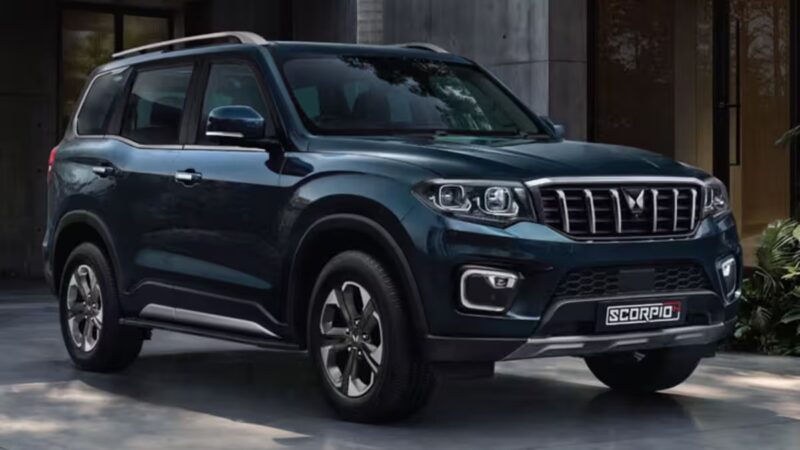
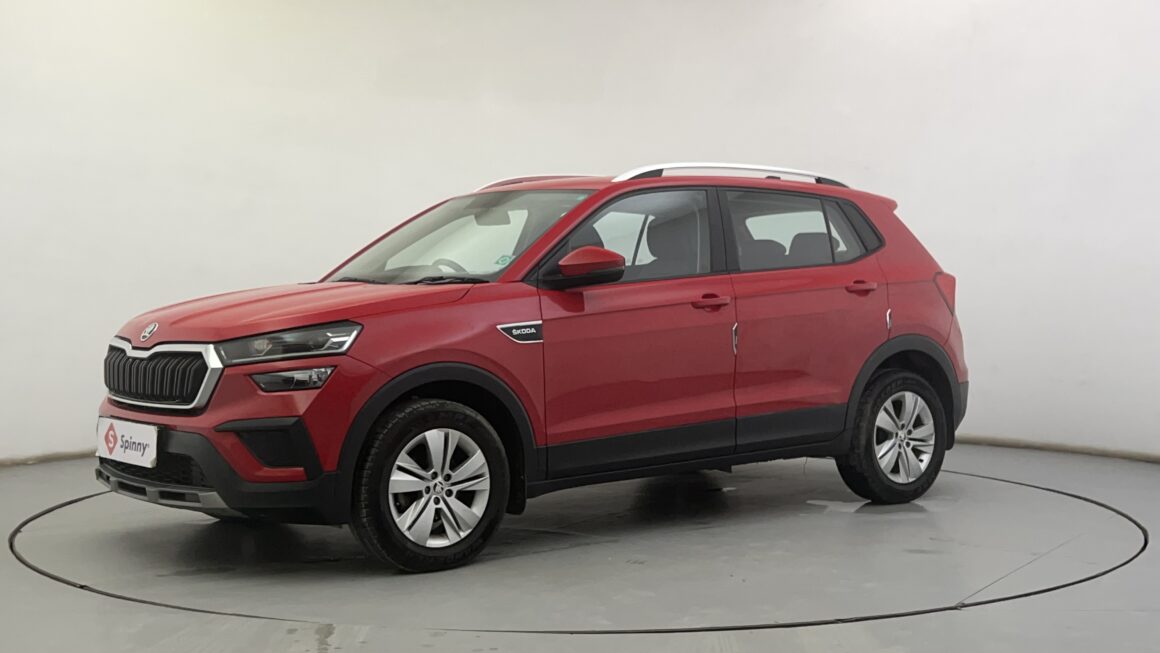
The compact SUV segment consists of two models, namely Skoda Kushaq and Maruti Grand Vitara, which clearly target customers for whom practicality, comfort while covering long distances, and versatile engine options are what they need. The Kushaq builds on a powerful engine, giving customers two turbo-petrol engine options of 1.0-litre and 1.5-litre capacity, while the Grand Vitara is equipped with a 1.5-litre petrol engine along with a hybrid engine and CNG. Based on theory, the Kushaq gives a mileage of 19.66 kilometres per litre, and the hybrid variant of the Grand Vitara offers 27.97 kilometres per litre of mileage. The key question is how the two vehicles perform on the road under actual driving conditions in India.
The 2026 Kushaq facelift introduced an updated 8-speed automatic with the 1.0 TSI, while the more powerful 1.5 TSI continues with a 7-speed DCT. The Grand Vitara takes a very different approach by prioritising efficiency rather than outright performance. Its regular petrol versions are already competitive on mileage, while the strong hybrid can run on electric power during low-speed driving and the CNG version offers even lower fuel costs. This makes the comparison less about finding one universal winner and more about deciding whether stronger turbo performance or lower running costs matter more.
Table of Contents
Skoda Kushaq vs Maruti Grand Vitara Specs
The two turbo petrol engines of the Kushaq, which comprise the 1.0-litre TSI engine with a power output of 115hp at 178Nm torque, as well as the 1.5-litre TSI engine with 150hp power output and 250Nm torque paired with a 7-speed DCT transmission, gives Skoda significant edge as far as power is concerned. The only notable difference that comes into consideration is with respect to the hybrid variant of the Grand Vitara, which, althoughit does not give as much power output as the Kushaq, does possess an engine that is much more efficient in nature.
The Grand Vitara offers more powertrain variety. Its regular 1.5-litre petrol makes around 103hp and 139Nm and is available with manual and automatic gearboxes. The strong hybrid combines a 1.5-litre petrol engine with an electric motor for a combined output of around 116hp and uses an e-CVT. A factory CNG option is also available, while selected petrol variants add AWD. The Grand Vitara is generally lighter than comparable Kushaq automatic versions, which also helps its fuel economy.
| Specification | Skoda Kushaq | Maruti Grand Vitara |
| Engine | 1.0L TSI / 1.5L TSI | 1.5L petrol / strong hybrid / CNG |
| Power | 115hp / 150hp | ~103hp petrol / 116hp hybrid |
| Torque | 178Nm / 250Nm | 139Nm petrol / electric assistance in hybrid |
| Transmission | 6MT / 8AT / 7DCT | MT / 6AT / e-CVT |
| Drive layout | FWD | FWD / AWD |
| Kerb weight | Approx. 1,270–1,322kg for automatics | Approx. 1,140–1,285kg |
| Fuel tank capacity | 50 litres | 45 litres |
Regarding performance, the Kushaq evidently performs better than the Grand Vitara, especially in the case of the 1.5 TSI variant. On the other hand, the Grand Vitara isn’t as quick but is more efficient than the Kushaq; it’s a hybrid version.
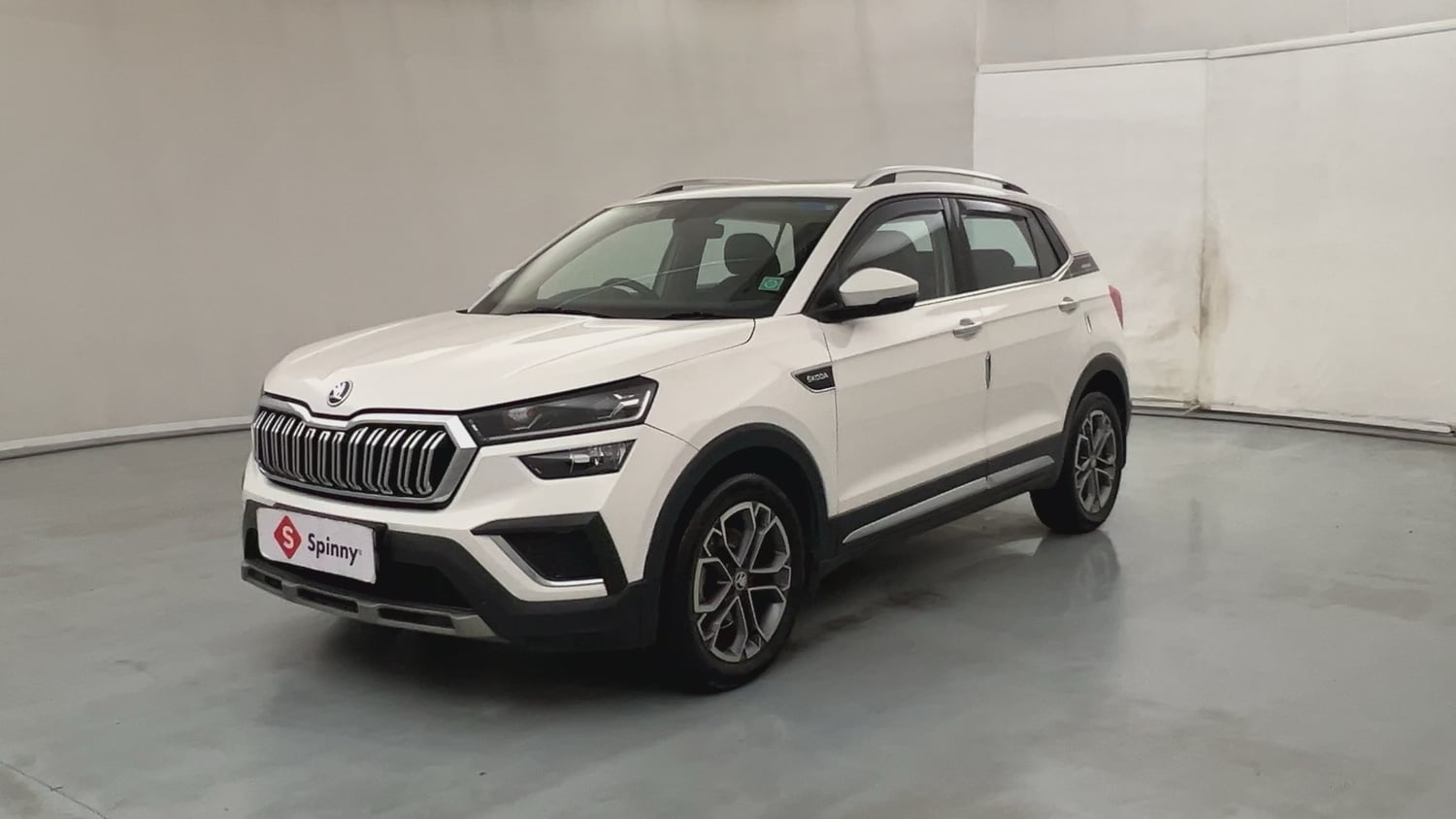
Skoda Kushaq vs Maruti Grand Vitara ARAI Mileage Figures
The Kushaq 1.0 TSI manual is the most efficient version on paper, with an ARAI figure of 19.66 km/l. The new 1.0 TSI 8-speed automatic claims 19.09 km/l, while the 1.5 TSI DCT is rated at 18.72 km/l. Interestingly, the efficiency penalty for choosing the much more powerful 1.5 is fairly small in official testing.
The Grand Vitara holds an edge over other contenders with regard to claimed mileage. According to the figures, the manual petrol variant claims mileage of 21.11 km/l, while the automatic variant has a mileage of 20.58 km/l. In the case of the strong hybrid version, the mileage shoots up to 27.97 km/l, while the CNG variant claims 26.6 km/kg. Therefore, even if we compare the conventional petrol variant, the Grand Vitara is ahead of the Kushaq in terms of mileage.
| Car | Engine & Transmission | Fuel Type | ARAI Mileage |
| Skoda Kushaq | 1.0 TSI, 6MT | Petrol | 19.66 km/l |
| Skoda Kushaq | 1.0 TSI, 8AT | Petrol | 19.09 km/l |
| Skoda Kushaq | 1.5 TSI, 7DCT | Petrol | 18.72 km/l |
| Maruti Grand Vitara | 1.5L petrol, MT | Petrol | 21.11 km/l |
| Maruti Grand Vitara | 1.5L petrol, AT | Petrol | 20.58 km/l |
| Maruti Grand Vitara | Strong hybrid, e-CVT | Petrol hybrid | 27.97 km/l |
| Maruti Grand Vitara | 1.5L CNG, MT | CNG | 26.6 km/kg |
If we are just considering mileage, the Grand Vitara is a clear winner. But some real-world tests indicate the gap between the regular petrol versions isn’t as wide as it seems compared to the strong hybrid variant.
Skoda Kushaq vs Maruti Grand Vitara Real-World Fuel Efficiency
The 2026 Kushaq 1.0 TSI automatic has returned approximately 10.7 km/l in the city and 15.1 km/l on highways, giving a simple combined average of around 12.9 km/l. The 1.5 TSI DCT returned roughly 9.55 km/l in the city and 15.29 km/l on highways, averaging about 12.42 km/l. The larger engine therefore uses more fuel in town, but cylinder deactivation helps it perform surprisingly well on open roads.
The standard variant of the Grand Vitara with a petrol engine and automatic transmission has shown an approximate mileage of 11.6 km/l in urban areas and 15.3 km/l on highways. This gives it an overall mileage score closer to 13.45 km/l, which ultimately puts it ahead of the Kushaq 1.0 automatic by a slight margin. The strong hybrid, on the other hand, stands way out in terms of mileage. This variant gives an average of around 23.77 km/l in city conditions and approximately 20.39 km/l on highways, with a total average score of almost 22.08 km/l. The mileage number is this high due to the fact that the vehicle can operate on electric power only while taking advantage of regenerative braking.
| Kushaq 1.0 AT | Kushaq 1.5 DCT | Grand Vitara Petrol AT | Grand Vitara Strong Hybrid | |
| City | 10.7 km/l | 9.55 km/l | 11.6 km/l | 23.77 km/l |
| Highway | 15.1 km/l | 15.29 km/l | 15.3 km/l | 20.39 km/l |
| Average | ~12.9 km/l | ~12.42 km/l | ~13.45 km/l | ~22.08 km/l |
| Tank capacity | 50L | 50L | 45L | 45L |
| Approx. range | ~645 km | ~621 km | ~605 km | ~994 km |
Therefore, the standard petrol Grand Vitara has only a slim margin when it comes to the efficiency gained over the Kushaq 1.0 automatic. However, with the hybrid vehicle, the number of kilometres travelled can exceed 1,000 kilometres on a full tank based on combined fuel economy numbers.
Also Explore: Skoda Kushaq Image Gallery: Interior and Exterior
Skoda Kushaq vs Maruti Grand Vitara Fuel Cost Comparison
For this comparison, we have assumed 1,500 km of driving every month, equal to 18,000 km annually. Petrol is calculated at approximately ₹102.12 per litre in New Delhi in September 2026. The calculations use tested real-world mileage rather than ARAI figures, making them more useful for estimating actual ownership costs.
| Kushaq 1.0 AT | Kushaq 1.5 DCT | Grand Vitara Petrol AT | Grand Vitara Strong Hybrid | |
| Monthly Running | 1,500 km | 1,500 km | 1,500 km | 1,500 km |
| Reference Mileage | 12.9 km/l | 12.42 km/l | 13.45 km/l | 22.08 km/l |
| Monthly Fuel Use | 116.3L | 120.8L | 111.5L | 67.9L |
| Monthly Fuel Cost | ₹11,874 | ₹12,333 | ₹11,389 | ₹6,938 |
| Annual Fuel Cost | ₹1.42 lakh | ₹1.48 lakh | ₹1.37 lakh | ₹83,250 |
| 5-Year Fuel Cost | ₹7.12 lakh | ₹7.40 lakh | ₹6.83 lakh | ₹4.16 lakh |
The regular Grand Vitara petrol automatic variant saves only about ₹485 on a monthly basis when compared with Kushaq 1.0 AT. Over the period of one year, it totals about ₹5800 and ₹29000 in 5 years, which makes it impractical to be a deciding factor when considering the difference in costs of purchase between various units of these vehicles.
The strong hybrid changes the calculation dramatically. Compared with the Kushaq 1.0 AT, it saves nearly ₹4,940 per month, close to ₹59,000 per year and roughly ₹2.96 lakh over five years. Buyers covering 20,000km or more annually would recover a large part of the strong-hybrid premium much faster than low-mileage users.
Grand Vitara CNG Running Cost
Additionally, what is more likely is that the Grand Vitara CNG model would give the owners the lowest operating costs. This variant has a claimed mileage of 26.6 km/kg whereas the actual mileage reported by real owners is around 17.9 km/kg. Based on the cost of CNG being around ₹83, it can allow travelling at a lower price than with the turbo petrol Kushaq cars.
CNG does involve compromises, including reduced performance, fewer convenient filling stations in some areas and additional refuelling stops on long journeys. The strong hybrid costs more upfront but delivers low running costs without changing normal petrol-refuelling habits.
Skoda Kushaq vs Maruti Grand Vitara Price
Kushaq has a starting price of around ₹10.69 lakh and the most expensive model is about ₹18.99 lakh. Grand Vitara’s ex-showroom price for the least expensive model is around ₹10.77 lakh, and the maximum price for its strongest hybrid models is ₹19.5 lakh. The entry price of both models is quite similar, but in terms of the engine, there is a significant difference in the petrol engines.
| Model | Variant | Price (ex-showroom) |
| Skoda Kushaq | Classic+ 1.0 TSI MT | ₹10.69 lakh |
| Skoda Kushaq | Classic+ 1.0 TSI AT | ₹12.89 lakh |
| Skoda Kushaq | Sportline 1.0 TSI AT | ₹15.74 lakh |
| Skoda Kushaq | Prestige 1.0 TSI AT | ₹17.59 lakh |
| Skoda Kushaq | Prestige 1.5 TSI DCT | ₹18.79 lakh |
| Skoda Kushaq | Monte Carlo 1.5 TSI DCT | ₹18.99 lakh |
| Maruti Grand Vitara | Sigma Petrol MT | ₹10.77 lakh |
| Maruti Grand Vitara | Delta Petrol MT | ₹12.10 lakh |
| Maruti Grand Vitara | Delta Petrol AT | ₹13.45 lakh |
| Maruti Grand Vitara | Delta CNG | ₹13.00 lakh |
| Maruti Grand Vitara | Strong Hybrid Delta+ | ₹16.63 lakh |
| Maruti Grand Vitara | Strong Hybrid Zeta+ | ₹17.92 lakh |
| Maruti Grand Vitara | Strong Hybrid Alpha+ | ~₹19.50 lakh |
The Grand Vitara does not offer much of an ownership edge compared to normal petrol automatics due to its small monthly fuel savings. The strong hybrid is a different story, as the vehicle gives back almost ₹5,000 per month in saved fuel when compared to the Kushaq 1.0 AT. This means that customers with high driving mileage can make back a good portion of the additional cost within a minimal amount of time.
The Kushaq’s price premium in higher variants is easier to justify for buyers who value performance. The 1.5 TSI DCT produces 150hp and 250Nm, figures the Grand Vitara cannot match even in hybrid form. Buyers are therefore paying for acceleration, turbo response and a more performance-focused drivetrain rather than superior fuel economy.
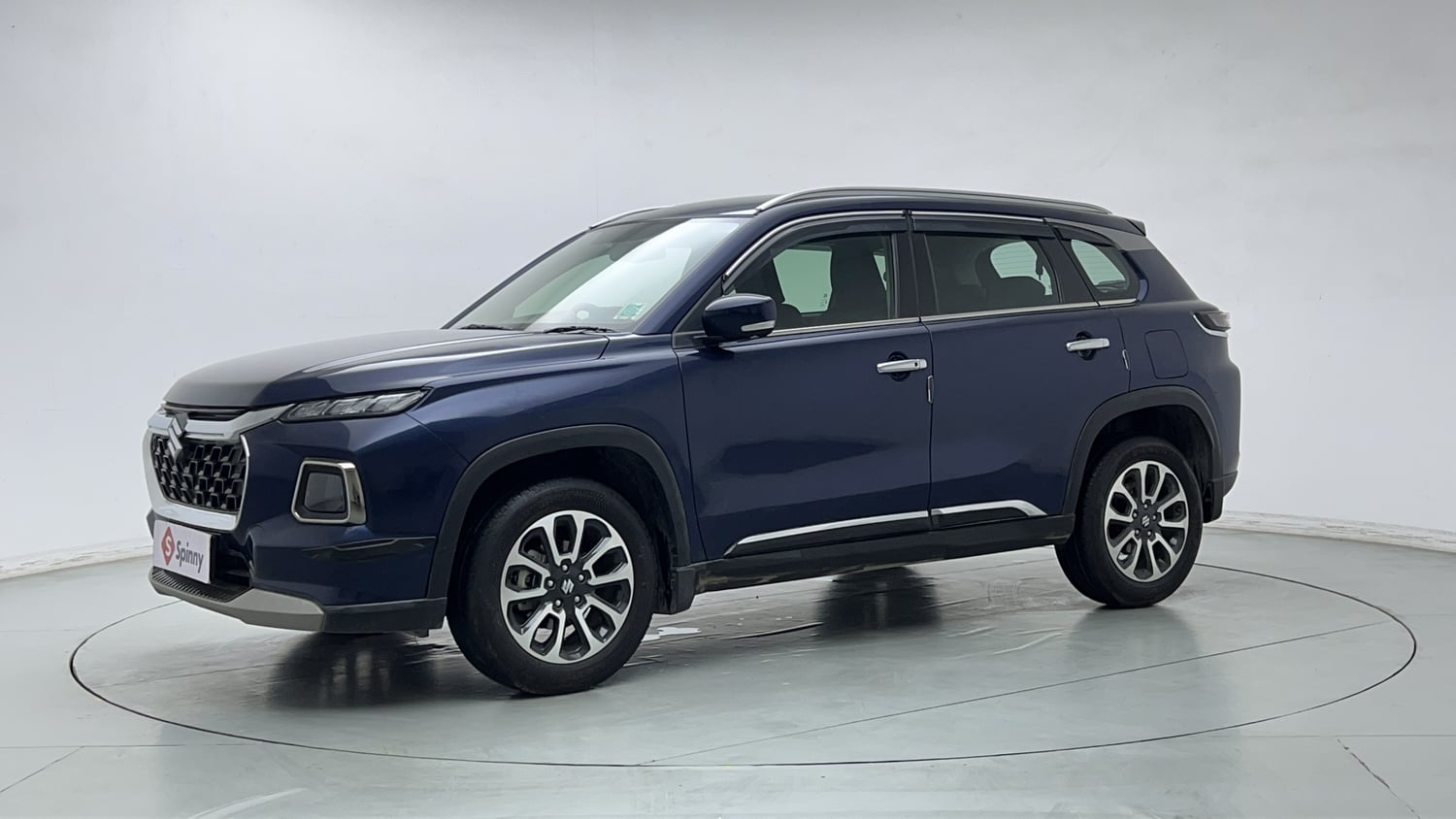
Summary
When it comes to mileage, Maruti Grand Vitara surely outperforms all competitors, especially in the strong hybrid version. With the mileage of roughly 22.08 km/l, Maruti Grand Vitara is way ahead of its competitors, the Kushaq 1.0 AT’s 12.9 km/l and the 1.5 DCT’s 12.42 km/l. Even the regular Grand Vitara petrol automatic has a distance of around 13.45 km/l.
The Kushaq, however, offers significantly stronger performance. The 1.0 TSI already develops more torque than the regular Grand Vitara petrol, while the 1.5 TSI’s 150hp and 250Nm place it in a different performance category. Its highway efficiency is also respectable, with the 1.5 DCT managing around 15.29 km/l despite its much higher output.
In conclusion, the Grand Vitara should be your preference if fuel economy, lower costs at the pumps, as well as long driving range matter. Those who cover high annual distance or spend a lot of time in city traffic will find the strong hybrid to be particularly interesting. Go for Kushaq if you are ready to spend somewhat more on fuel in exchange for more spirited turbo performance and a more exciting driving experience.
Also Read: Complete Guide to Buying a Skoda Kushaq
FAQs
Q. Which has better mileage, Skoda Kushaq or Maruti Grand Vitara?
The Maruti Grand Vitara has better mileage. Its strong hybrid claims 27.97 km/l and returns around 22.08 km/l in real-world testing, while the Kushaq 1.0 automatic averages about 12.9 km/l in tested conditions.
Q. What is the real-world mileage of the Skoda Kushaq 1.0 automatic?
The 2026 Kushaq 1.0 TSI 8-speed automatic has returned approximately 10.7 km/l in the city and 15.1 km/l on highways, giving an average of around 12.9 km/l.
Q. What is the real-world mileage of the Kushaq 1.5 TSI DCT?
The Kushaq 1.5 TSI DCT has returned around 9.55 km/l in the city and 15.29 km/l on the highway, with a simple average of approximately 12.42 km/l.
Q. What is the real-world mileage of the Grand Vitara strong hybrid?
The Grand Vitara strong hybrid has returned approximately 23.77 km/l in the city and 20.39 km/l on highways, giving a combined reference of around 22.08 km/l.
Q. Which automatic is more economical, Kushaq or Grand Vitara?
The regular Grand Vitara petrol automatic is slightly more economical than the Kushaq 1.0 automatic, at around 13.45 km/l versus 12.9 km/l. The Grand Vitara strong hybrid is significantly more efficient than both.
Q. Which is cheaper to run, Kushaq or Grand Vitara?
The Grand Vitara is generally cheaper to run, especially in strong-hybrid or CNG form. At 1,500km per month, the strong hybrid can save nearly ₹5,000 per month in petrol compared with the Kushaq 1.0 automatic.