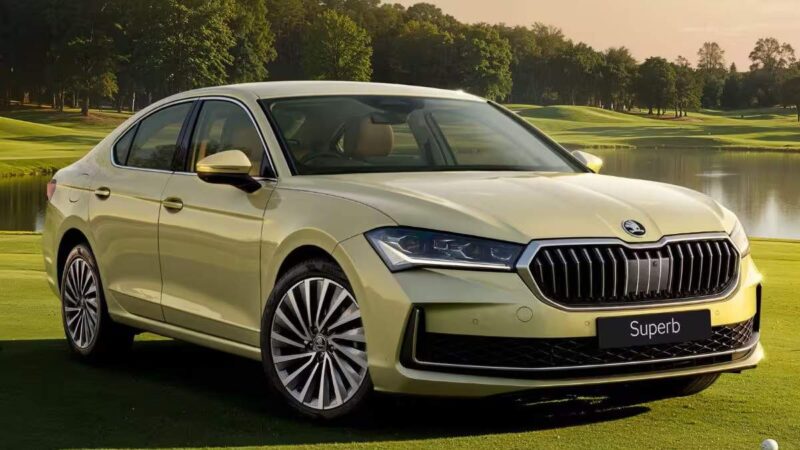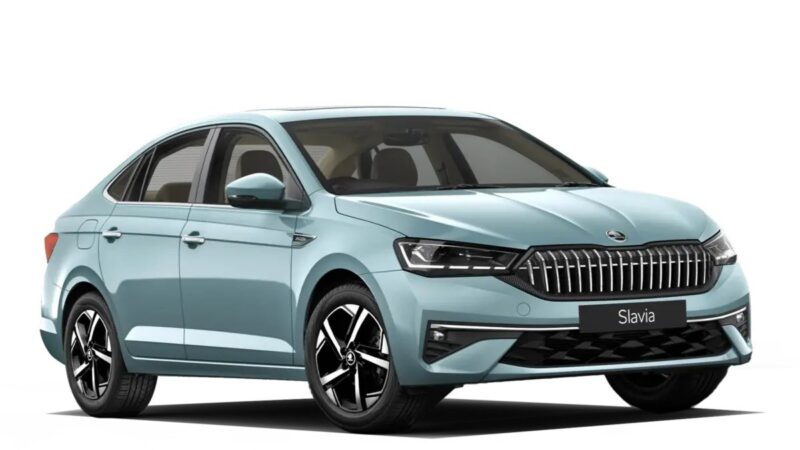
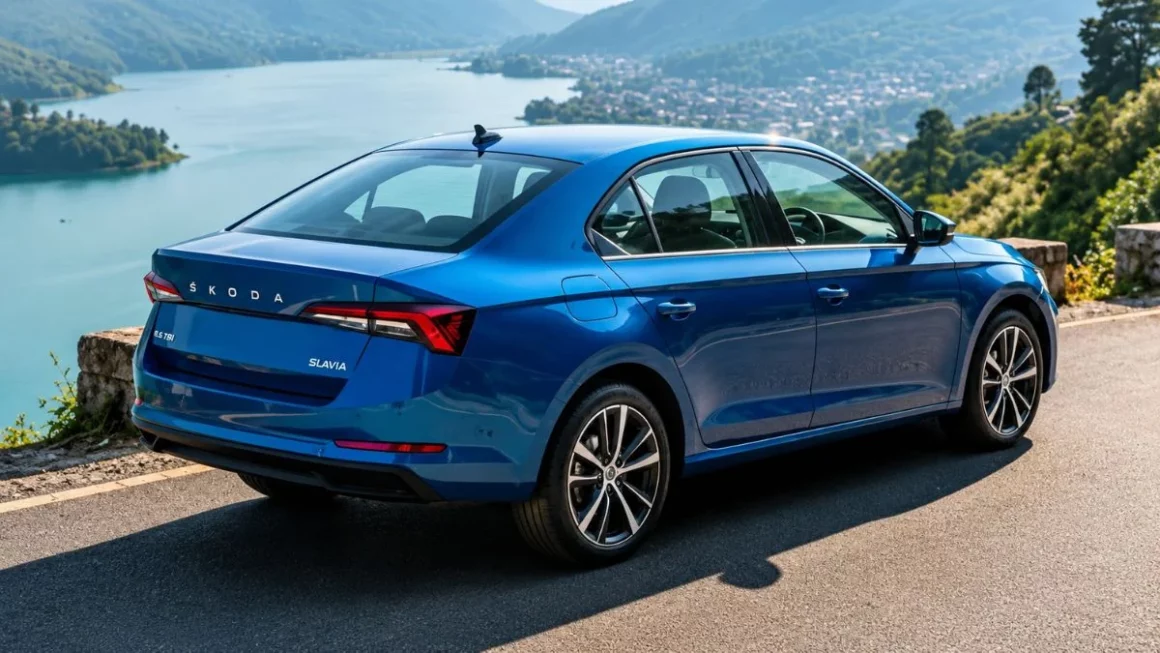
The Volkswagen Virtus, Honda City, and Hyundai Verna are three of the key contenders in India that can be regarded as stronger competitors of Skoda Slavia. Out of the three, Virtus is built on similar principles of a turbo-petrol experience, whereas Verna’s specifications are higher in terms of power and an added list of features. Lastly, City is known for its features, including a strong hybrid that provides seamless functioning and rear comfort.
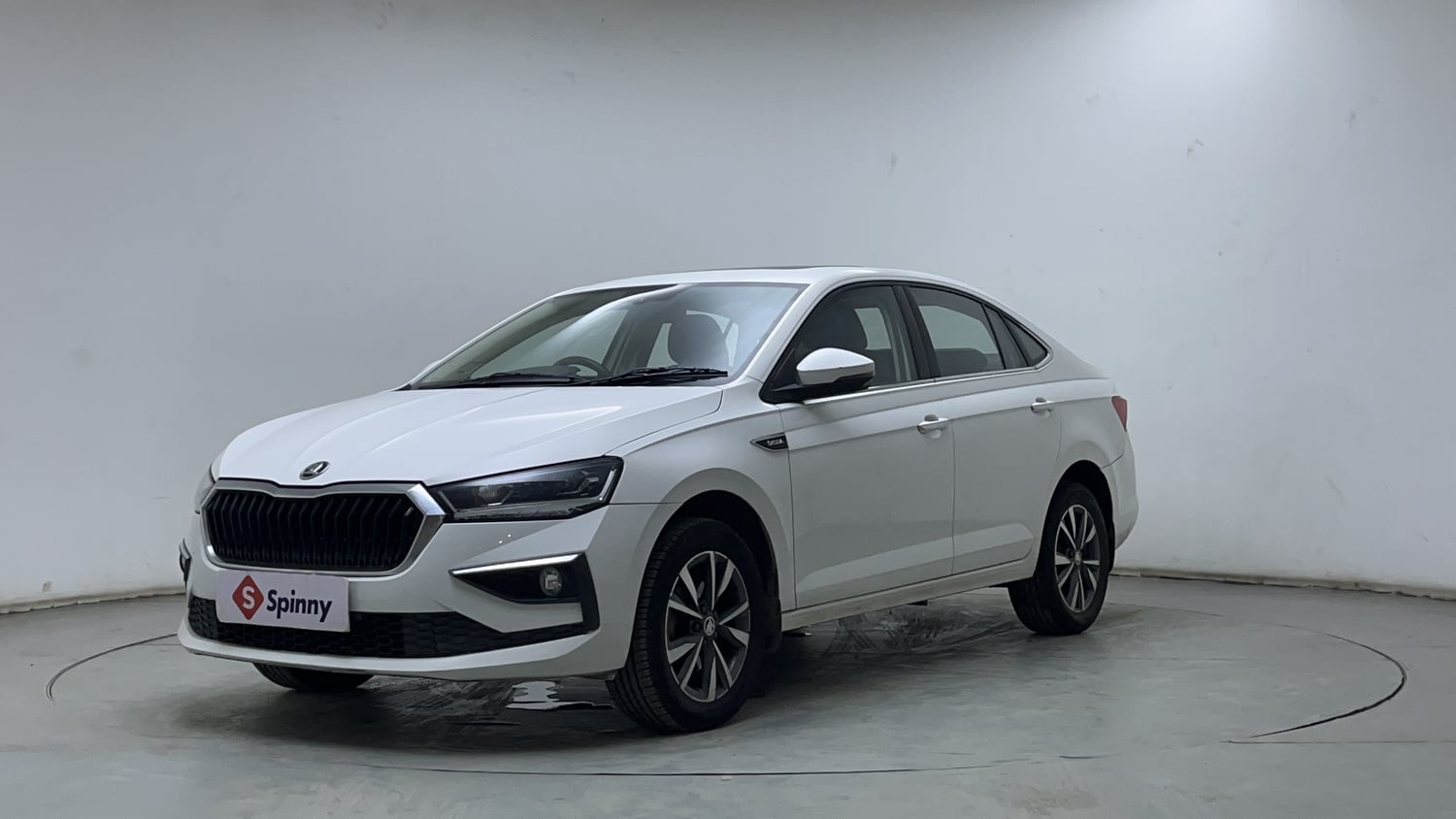
The current Skoda Slavia is priced from approximately ₹10 lakh to ₹18.19 lakh ex-showroom and offers 1.0-litre and 1.5-litre TSI turbo-petrol engines. The smaller engine produces 115 PS and 178 Nm, while the 1.5 TSI delivers 150 PS and 250 Nm. With strong safety credentials, a 521-litre boot, generous ground clearance, and engaging performance, the Slavia remains a compelling midsize sedan, but each of these alternatives has clear advantages for different buyers.
Table of Contents
Price and Mileage Comparison with Skoda Slavia
The amazing aspect of the Slavia is its remarkable balance between efficiency and performance. In its 1.0 TSI version, maximum mileage is 20.32 km/l, and the 1.5 TSI engine uses Active Cylinder Technology to ensure a balance between performance and fuel consumption. Virtus uses the same technology, while Verna offers a choice of naturally aspirated and turbo-petrol engines. The City effectively features a strong-hybrid technology as well.
| Car | Ex-showroom Price Range | Fuel Type | Claimed Mileage |
| Skoda Slavia | ₹10.00 – ₹18.19 lakh | Petrol | 18.73 – 20.32 km/l |
| Volkswagen Virtus | ₹10.71 – ₹18.85 lakh | Petrol | Around 18.1 – 20.8 km/l |
| Hyundai Verna | ₹10.99 – ₹18.25 lakh | Petrol | Around 18 – 20.6 km/l |
| Honda City | ₹12.00 – ₹21.00 lakh | Petrol, Strong Hybrid | 17.77 – 17.97 km/l petrol; 27.26 km/l hybrid |
Top Alternatives to Skoda Slavia in India
Volkswagen Virtus
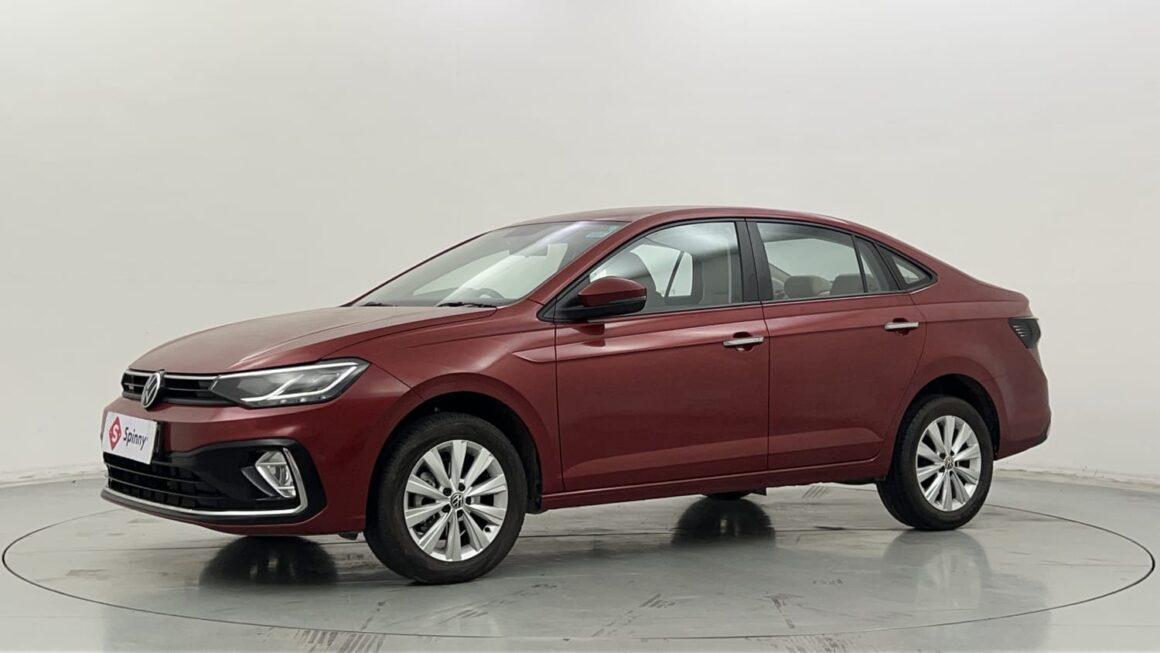
The Volkswagen Virtus can be regarded as the closest alternative to Skoda Slavia. Both cars are built on the MQB-A0-IN platform with the variant choice of one-litre and one-five-litre turbo-petrol engines. The former generates an output of 115 PS and torque of 178 Nm, whereas the latter provides an output of 150 PS and torque of 250 Nm.
The Virtus is available with manual and automatic gearbox options depending on the powertrain, including a torque-converter automatic with the 1.0 TSI and a seven-speed DSG with the 1.5 TSI. It also offers a large 521-litre boot and a five-star Global NCAP safety rating, keeping its core strengths extremely close to the Slavia.
Why it is better than Skoda Slavia
The Virtus appeals to buyers who prefer the mechanics of the Slavia but desire a different exterior look, interior design, or even GT positioning of the brand Volkswagen. The variants with the GT label do not have a vulgar 1.5-litre TSI engine but have an extra sporty identity because of the special exterior design elements.
The Virtus also offers slightly different variant combinations, allowing buyers to access the same basic 1.0 TSI and 1.5 TSI powertrains with equipment packages that may suit them better. Performance is nearly identical to the Slavia, so the decision largely comes down to styling, dealership preference, variant pricing, and feature availability.
Price Comparison: Volkswagen Virtus vs. Skoda Slavia
The prices for the Virtus start slightly higher than for the Slavia, with the highest 1.5-litre TSI DSG model being slightly more expensive than the last offering from Skoda.
| Variant | Volkswagen Virtus | Skoda Slavia |
| Base-variant | Around ₹10.71 lakh | Around ₹10.00 lakh |
| Mid-variant | Around ₹13.5 – ₹15.0 lakh | Around ₹13.5 – ₹15.5 lakh |
| Top-variant | Up to ₹18.85 lakh | Up to ₹18.19 lakh |
Also Read: Complete Guide to Buying a Volkswagen Virtus
Hyundai Verna
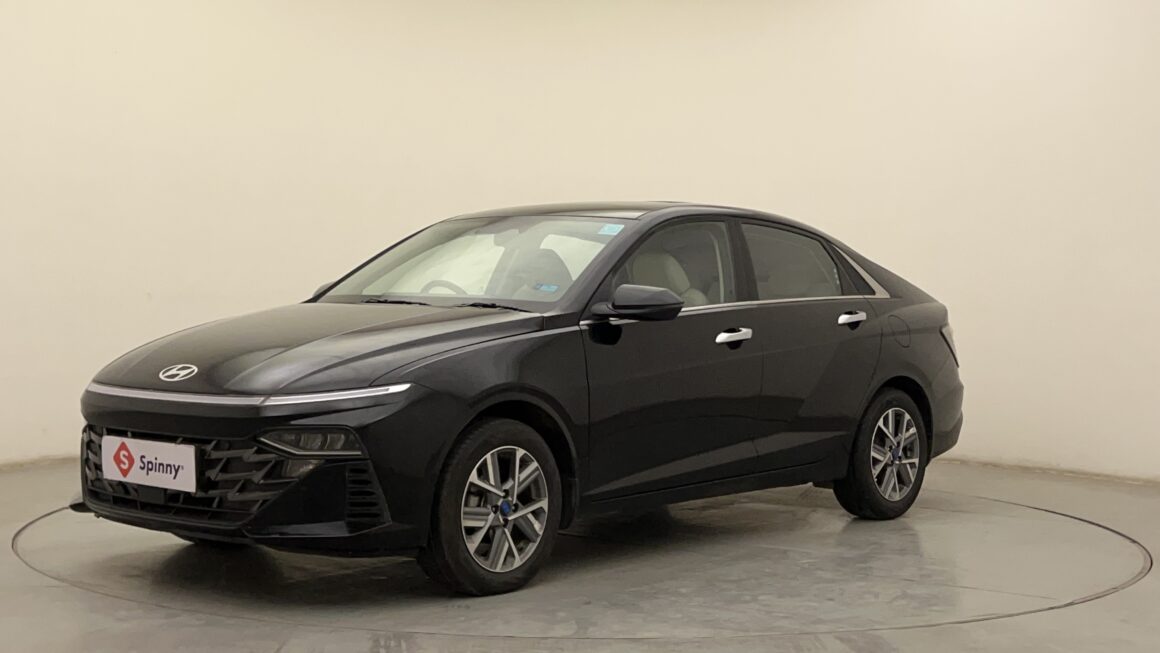
The Hyundai Verna is one of the strongest competitors of the Slavia model. It has two engines, with a 1.5-litre petrol engine for better output. The naturally aspirated MPi engine gives about 115 PS and 143.8 Nm of torque, while the turbocharged GDi produces 160 PS and 253 Nm of torque.
The naturally aspirated engine comes with a six-speed manual or IVT, while the turbo-petrol offers a six-speed manual and seven-speed DCT. The Verna is also slightly larger than the Slavia in width and wheelbase, with a 2,670mm wheelbase helping provide a spacious passenger compartment.
Why it is better than Skoda Slavia
The key selling point of the Verna is its performance. The 1.0-litre turbo engine of the Verna is far more powerful than that of the Slavia at 160 PS and greater in torque production as well,l at 253 Nm, and people who are keen about swift acceleration may consider a turbo-petrol sedan from Hyundai.
The Verna is also more feature-heavy. Higher variants offer dual 10.25-inch displays, ventilated and heated front seats, Bose audio, a powered driver’s seat, ambient lighting, Level 2 ADAS, and a factory-fitted dual-camera dashcam. The Slavia counters with European driving manners and a larger boot, but the Verna provides more equipment for buyers who value cabin technology and convenience.
Price Comparison: Hyundai Verna vs. Skoda Slavia
The Verna is approximately ₹1 lakh pricier than the Skoda Slavia. However, the Verna turbo-DCT model is priced just about the same as the Slavia’s flagship variant.
| Variant | Hyundai Verna | Skoda Slavia |
| Base-variant | Around ₹10.99 lakh | Around ₹10.00 lakh |
| Mid-variant | Around ₹13.2 – ₹16.1 lakh | Around ₹13.5 – ₹15.5 lakh |
| Top-variant | Up to ₹18.25 lakh | Up to ₹18.19 lakh |
Also Read: How to Get the Best Resale Value for Your Hyundai Verna
Honda City
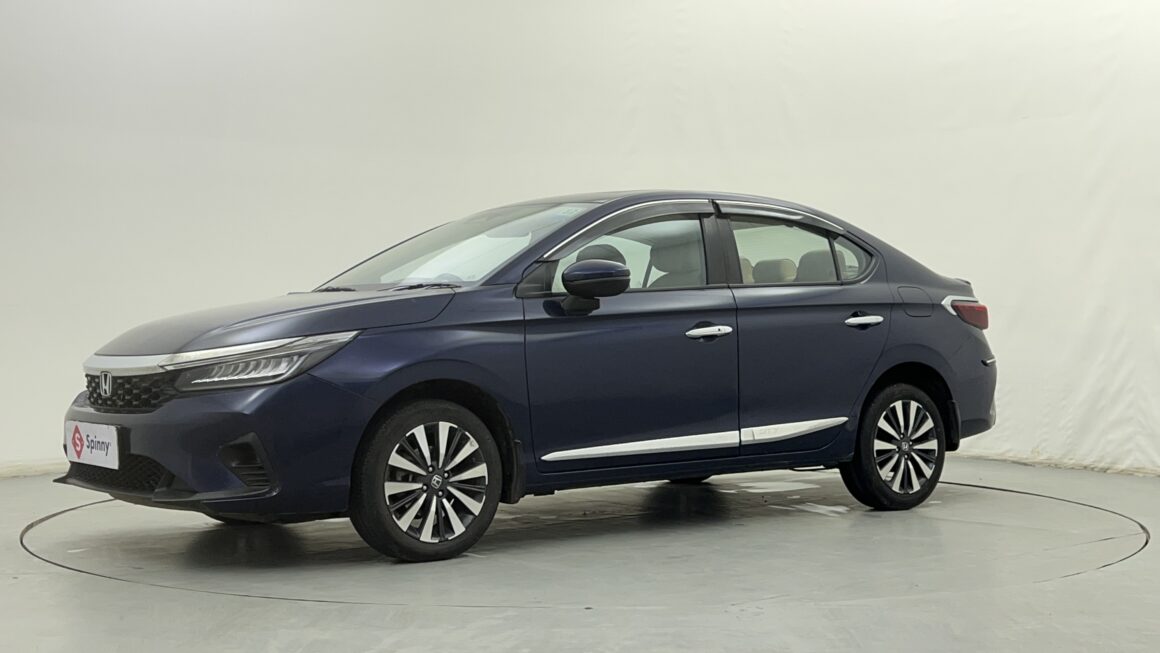
The Honda City adopts a different engine strategy compared to the turbo petrol Slavia. The normal petrol variants come with a naturally aspirated 1.5-litre four-cylinder engine that puts out 121 PS of power and 145 Nm of torque. It comes with a six-speed manual or an easy-to-use CVT.
Honda also offers the City e: HEV strong hybrid, which combines a petrol engine with an electric drive system. The hybrid delivers a claimed 27.26 km/l and is particularly attractive for buyers who spend significant time in urban traffic. The current City is offered in SV, V, ZX, and ZX+ grades, with the hybrid available in the ZX+ trim.
Why it is better than Skoda Slavia
The main feature of the City is its smoothness. The naturally aspirated petrol engine provides smooth power delivery and predictable performance, unlike turbocharged engines, which have abrupt torque delivery. The CVT is also quite handy, especially in congested urban traffic.
Rear-seat comfort is another important City strength, making it popular with owners who are frequently chauffeur-driven. The e: HEV adds a major fuel-efficiency advantage, returning up to 27.26 km/l compared with the Slavia’s maximum figure of around 20.32 km/l. Higher City variants also offer Honda Sensing ADAS, a sunroof, upgraded infotainment, and additional safety equipment.
Price Comparison: Honda City vs. Skoda Slavia
The City is priced the highest here, with its strong-hybrid variant making the prices cross those of the Slavia’s top variant.
| Variant | Honda City | Skoda Slavia |
| Base-variant | Around ₹12.00 lakh | Around ₹10.00 lakh |
| Mid-variant | Around ₹13.3 – ₹16.3 lakh | Around ₹13.5 – ₹15.5 lakh |
| Top-variant | Up to ₹21.00 lakh | Up to ₹18.19 lakh |
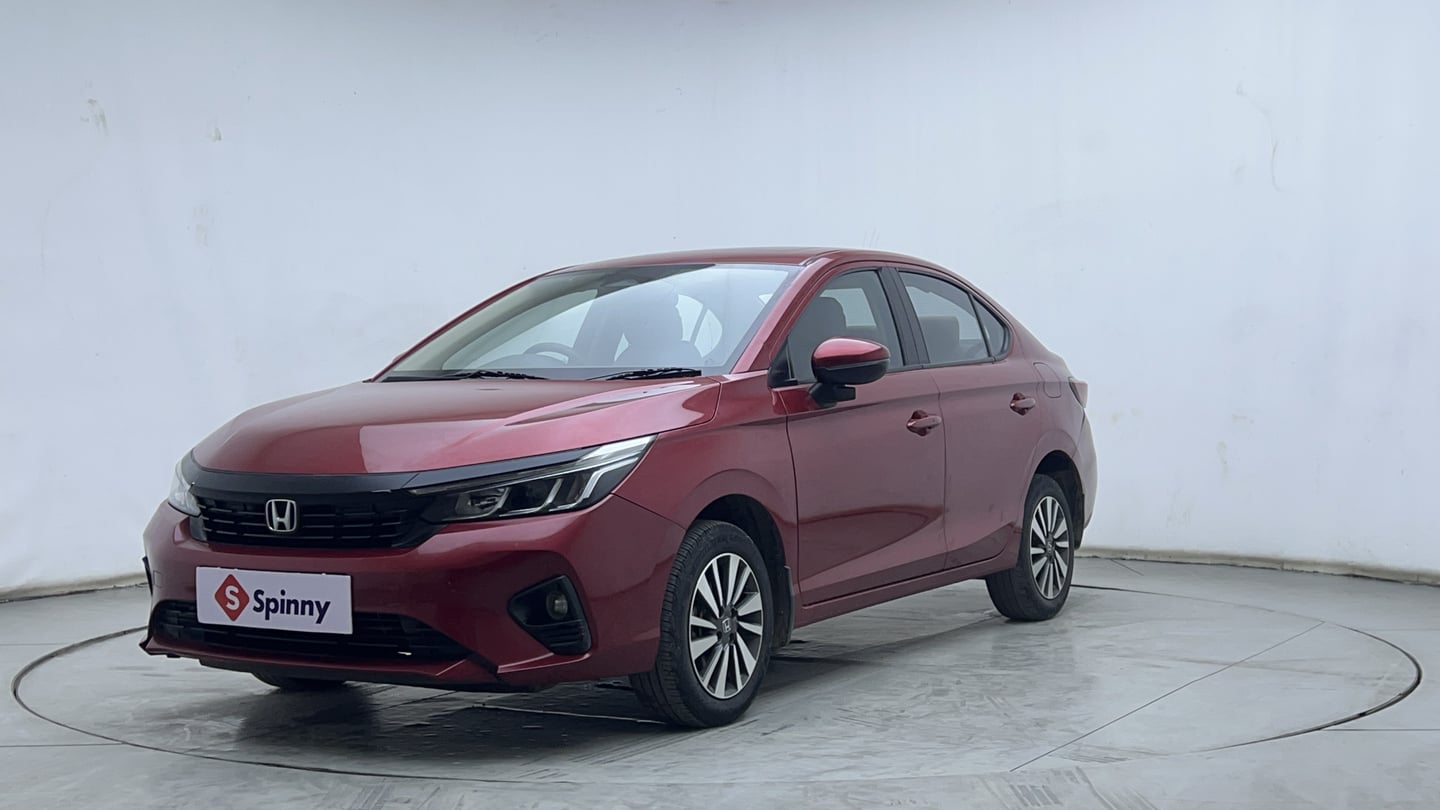
Also Read: Honda City Variants Guide: Choose the Best Variant
Summary
For buyers who prefer turbo-petrol capability, good refinement on the highways, high safety ratings, sufficient ground clearance, and a spacious 521-litre boot, the Skoda Slavia is a great midsize sedan. The availability of both options with the TSI engines allows buyers to select efficient engine options as well as an enthusiast’s choice.
Choose the Volkswagen Virtus for a closely related driving experience with different styling, the Hyundai Verna for stronger performance and more features, or the Honda City for refinement, rear-seat comfort, and strong-hybrid efficiency. The Slavia remains particularly appealing when driving dynamics, safety, and practicality are the main priorities.
Related Reads:
Volkswagen Virtus Alternatives: Competitors of Volkswagen Virtus
Hyundai Verna Alternatives: Competitors of Hyundai Verna
FAQs About Skoda Slavia Alternatives
Q. What are the best alternatives to the Skoda Slavia?
The Volkswagen Virtus, Hyundai Verna, and Honda City are three of the strongest alternatives to the Skoda Slavia in India.
Q. Which is better, Skoda Slavia or Volkswagen Virtus?
Both cars share their platform and engines, so performance and space are very similar. The choice mainly depends on styling, variant pricing, equipment, and brand preference.
Q. Which is more powerful, Skoda Slavia or Hyundai Verna?
The Hyundai Verna turbo is more powerful. It produces 160 PS and 253 Nm, compared with 150 PS and 250 Nm from the Slavia 1.5 TSI.
Q. Which Slavia alternative offers the best mileage?
The Honda City e: HEV offers the highest claimed efficiency at 27.26 km/l. Among regular petrol sedans, the Slavia and Virtus remain highly competitive.
Q. Does the Skoda Slavia have a diesel engine?
No. The current Slavia is petrol-only and offers 1.0-litre and 1.5-litre TSI turbocharged engines.
Q. Which Skoda Slavia alternative is best for rear-seat comfort?
The Honda City is particularly strong for rear-seat comfort, while the Hyundai Verna also offers a spacious cabin thanks to its long 2,670mm wheelbase.