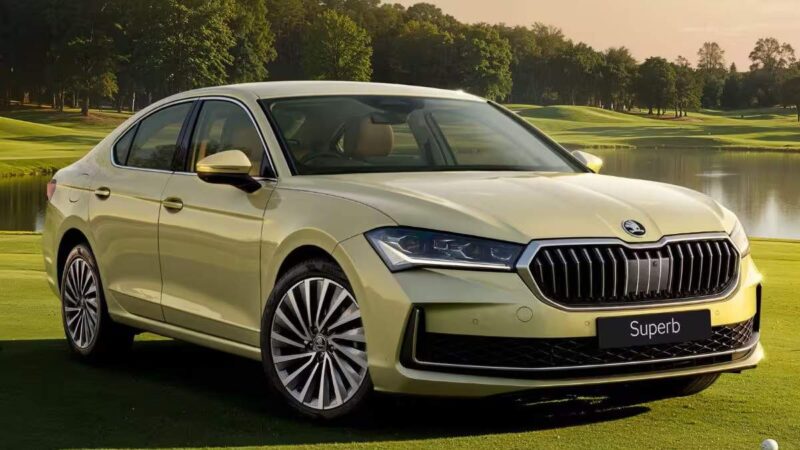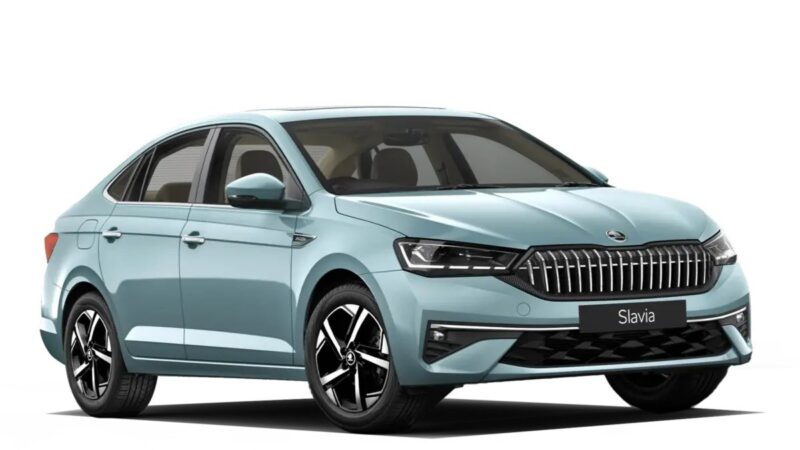
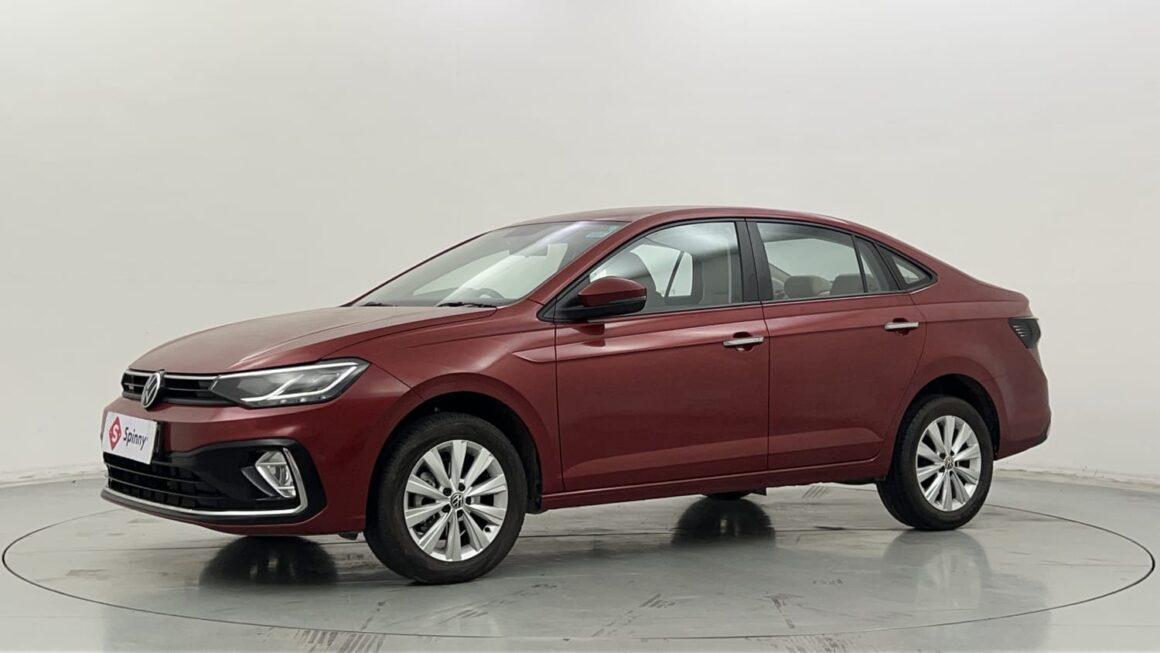
The Skoda Slavia, Hyundai Verna, and Honda City are three of the best substitutes for the Volkswagen Virtus in India. The Skoda Slavia offers virtually identical engines and driving characteristics, with a different layout and features, while the Hyundai Verna has better turbo-petrol performance and more cabin technology. The Honda City, however, focuses on refinement, backseat comfort, and hybrid performance.
The Volkswagen Virtus currently costs approximately ₹10.71 lakh to ₹19.20 lakh ex-showroom. It is available with 1.0-litre and 1.5-litre TSI turbo-petrol engines, producing 115 PS and 150 PS respectively. Buyers can choose manual, torque-converter automatic, and DSG transmissions depending on the engine and variant. With a five-star Global NCAP rating, 521-litre boot, 179mm unladen ground clearance, and strong highway manners, the Virtus remains one of the most driver-focused midsize sedans in India.
Quick Summary
- The Skoda Slavia is the closest Virtus alternative because both cars share their platform, engines, transmissions, and several mechanical components.
- The Hyundai Verna is the stronger option for buyers who want more turbo-petrol power, a longer feature list, and Level 2 ADAS.
- The Honda City is ideal for buyers prioritising a smooth naturally aspirated petrol engine, rear-seat comfort, and hybrid fuel efficiency.
- The Volkswagen Virtus costs approximately ₹10.71 lakh to ₹19.20 lakh ex-showroom.
- Its 1.0 TSI produces 115 PS and 178 Nm, while the 1.5 TSI delivers 150 PS and 250 Nm.
- Claimed Virtus mileage ranges from around 18.70 km/l to 20.19 km/l depending on engine and transmission.
- The Virtus and Slavia offer some of the largest boots in the segment at 521 litres.
- Buyers should choose based on whether driving dynamics, features, refinement, or fuel economy matter most.
Price and Mileage Comparison with Volkswagen Virtus
The Volkswagen Virtus strikes a strong balance between turbocharged performance and fuel efficiency. The 1.0 TSI manual is rated at 20.19 km/l, and the automatic version returns 18.70 km/l. Despite providing much higher performance, the 1.5 TSI DSG still offers a very economical fuel consumption figure of 19.62 km/l. The Skoda Slavia follows the same principles as the Virtus, while the Verna has naturally aspirated and turbo-petrol options. Meanwhile, the City focuses only on a hybrid powertrain.
Compared with many similarly priced compact SUVs, these sedans also offer larger boots, longer wheelbases, and lower-slung driving positions. That makes the comparison especially relevant for buyers who still prefer sedan comfort and highway stability over an SUV-style body.
| Car | Ex-showroom Price Range | Fuel Type | Claimed Mileage |
| Volkswagen Virtus | ₹10.71 – ₹19.20 lakh | Petrol | 18.70 – 20.19 km/l |
| Skoda Slavia | ₹10.00 – ₹18.19 lakh | Petrol | 18.73 – 20.32 km/l |
| Hyundai Verna | ₹10.99 – ₹18.25 lakh | Petrol | Around 18 – 20.6 km/l |
| Honda City | ₹12.00 – ₹21.00 lakh | Petrol, Strong Hybrid | 17.77 – 17.97 km/l petrol; 27.26 km/l hybrid |
Top Alternatives of Volkswagen Virtus in India
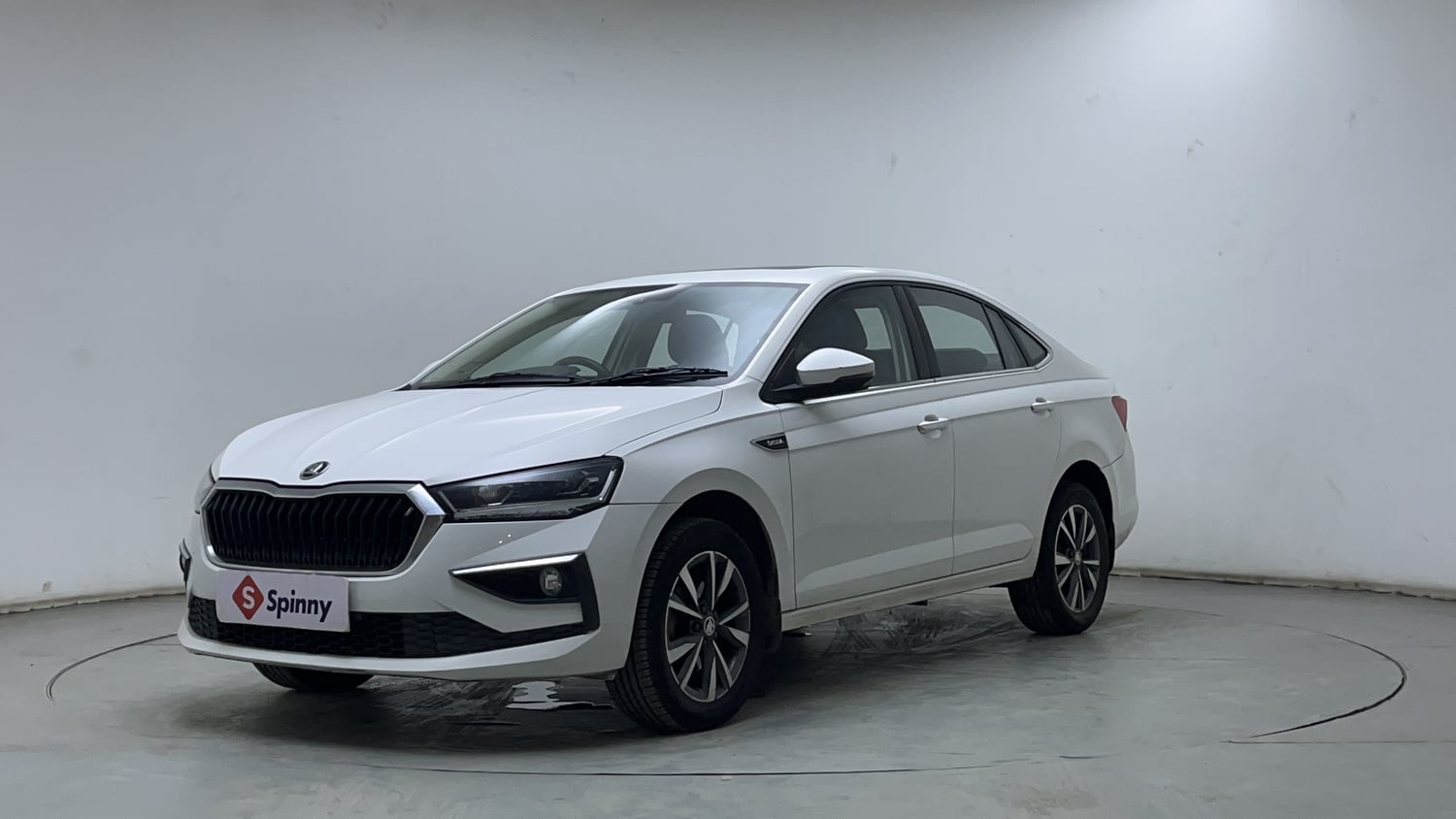
Skoda Slavia
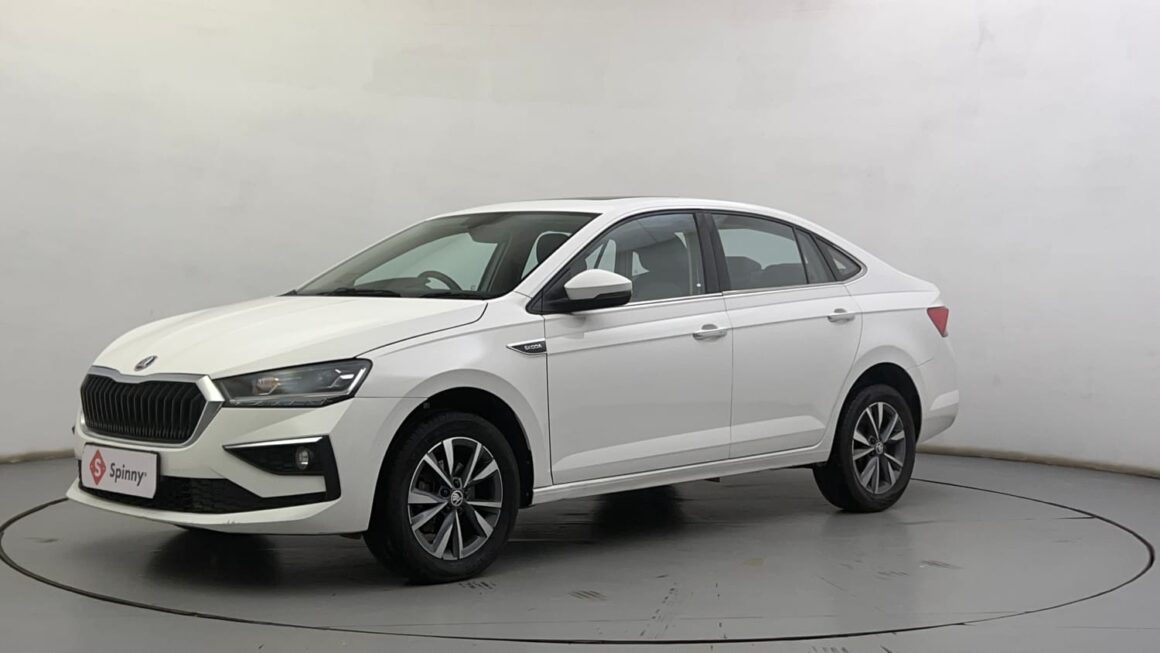
The Skoda Slavia is the best substitute for the Virtus because the two sedans are based on the MQB-A0-IN platform and share most of the mechanical package. The 1.0-litre TSI develops 115 PS and 178 Nm of torque, while the more powerful 1.5-litre TSI produces 150 PS and 250 Nm of torque. Both cars offer manual and automatic gearboxes, including a torque-converter automatic with the smaller engine and a seven-speed DSG with the 1.5 TSI.
The Slavia measures 4,541mm in length and has a 2,651mm wheelbase, making its overall proportions very close to the Virtus. It also offers a 521-litre boot and a five-star Global NCAP rating. The biggest differences are styling, interior design, variant packaging, and how each brand positions its sportier trims.
Why it is better than Volkswagen Virtus
The Slavia is a better option for buyers who want similar TSI performance but are willing to pay less. The starting price of the Skoda Slavia is about ₹10 lakh, while the Volkswagen Virtus starts at around ₹10.71 lakh, resulting in substantial savings for budget-conscious buyers.
It also offers a different cabin design and trim strategy, including Sportline and Monte Carlo versions for buyers who want a sportier appearance. The Virtus counters with its GT branding and slightly different equipment combinations. Since the two cars are mechanically so closely related, the better choice often comes down to pricing, design preference, dealer experience, and the exact features offered on the variant being considered.
Price Comparison: Skoda Slavia vs. Volkswagen Virtus
The main advantage of the Skoda Slavia is that it is cheaper than the Volkswagen Virtus, although both vehicles come with the same engine and transmission options.
| Variant | Skoda Slavia | Volkswagen Virtus |
| Base-variant | Around ₹10.00 lakh | Around ₹10.71 lakh |
| Mid-variant | Around ₹13.3 – ₹15.5 lakh | Around ₹13.5 – ₹15.3 lakh |
| Top-variant | Up to ₹18.19 lakh | Up to ₹19.20 lakh |
Hyundai Verna
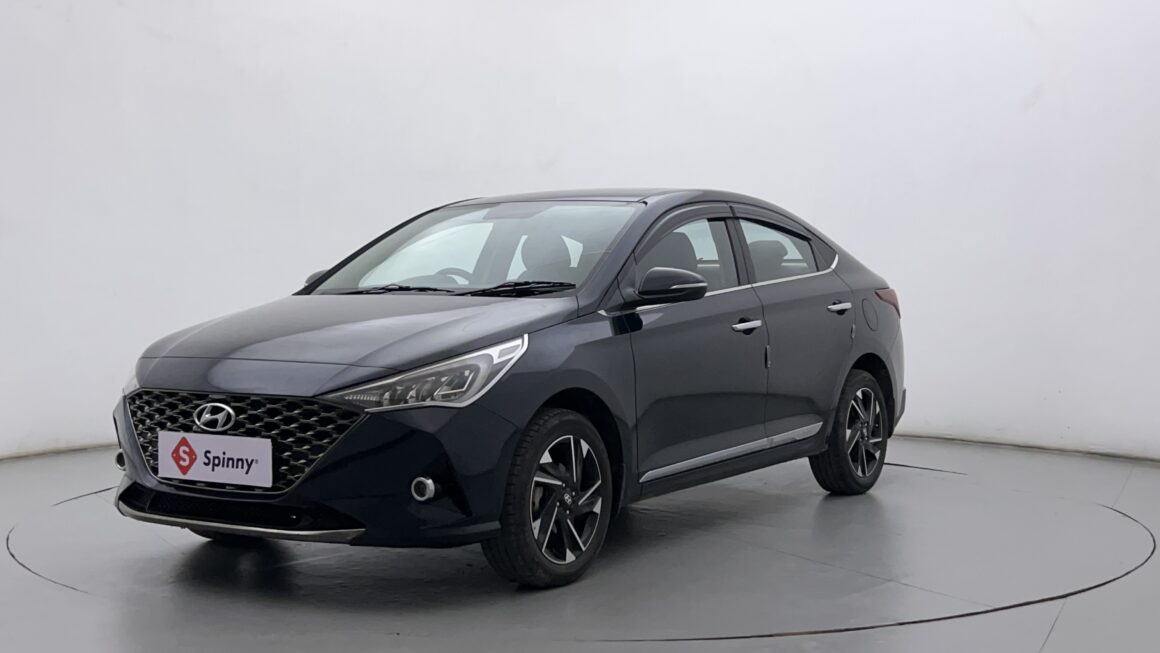
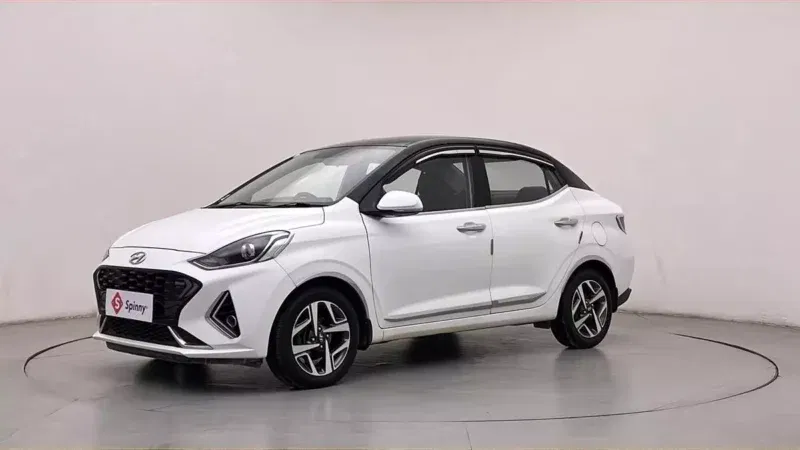
Hyundai Verna is one of the best alternatives for people looking for performance and features. It is available with a 1.5-litre naturally aspirated petrol engine that produces around 115 PS and 143.8 Nm, and a 1.5-litre Turbo petrol engine that delivers 160 PS and 253 Nm. The naturally aspirated engine is provided with a six-speed manual gearbox or IVT, while the turbo-petrol comes with a six-speed manual or seven-speed DCT.
The current Verna measures 4,565mm in length and has a 2,670mm wheelbase, giving it a slightly longer wheelbase than the Virtus. Its broad cabin and long feature list make it particularly attractive to buyers who want a sedan that feels more technology-focused without giving up strong performance.
Also Read: How to Get the Best Resale Value for Your Hyundai Verna
Why it is better than Volkswagen Virtus
The Verna’s main merit is its phenomenal turbo-petrol performance. Its 160 PS and 253 Nm output is better than the Virtus 1.5 TSI’s output of 150 PS and 250 Nm, making this sedan one of the most powerful cars in the segment. So, customers looking for strong straight-line speed have an excellent choice in the Hyundai Verna.
It also offers more comfort and technology features on higher trims, including dual 10.25-inch displays, ventilated and heated front seats, a powered driver’s seat, Bose audio, ambient lighting, a factory-fitted dashcam, and Level 2 ADAS. The Virtus remains highly appealing for driving dynamics and highway composure, but the Verna offers more equipment and slightly stronger performance.
Price Comparison: Hyundai Verna vs. Volkswagen Virtus
The starting price of the Verna is close to that of the Virtus, while its top turbo-DCT version is much lower than the most expensive Virtus GT Plus Sport model.
| Variant | Hyundai Verna | Volkswagen Virtus |
| Base-variant | Around ₹10.99 lakh | Around ₹10.71 lakh |
| Mid-variant | Around ₹13.2 – ₹16.1 lakh | Around ₹13.5 – ₹15.3 lakh |
| Top-variant | Up to ₹18.25 lakh | Up to ₹19.20 lakh |
Also Read: Complete Guide to Buying a Volkswagen Virtus
Honda City
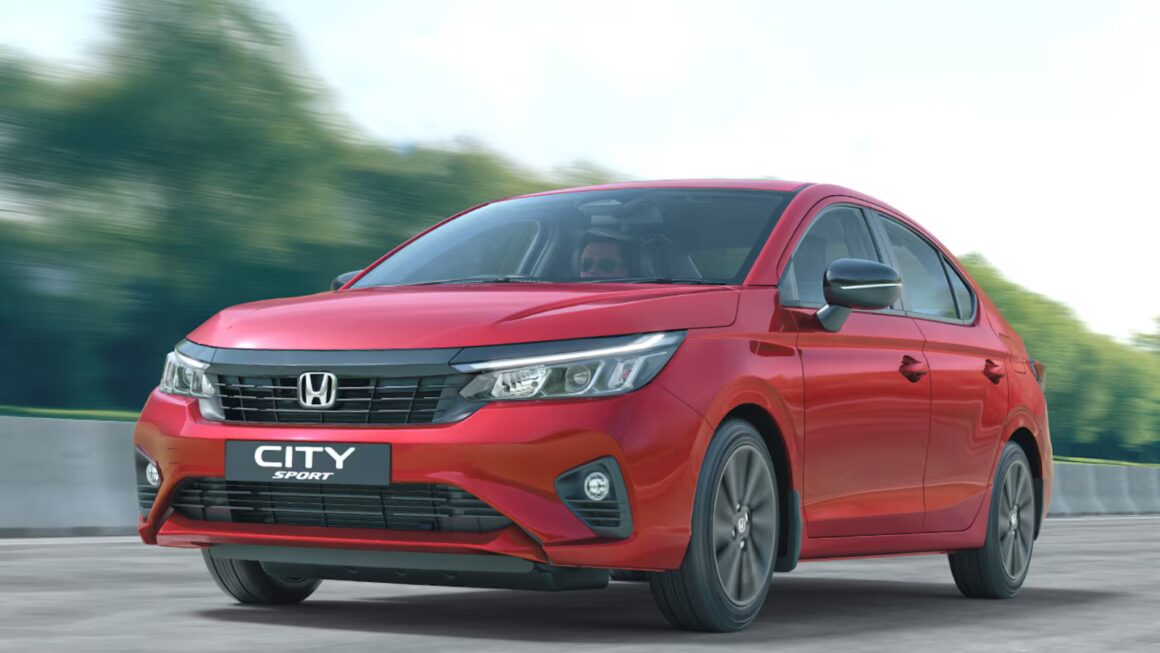
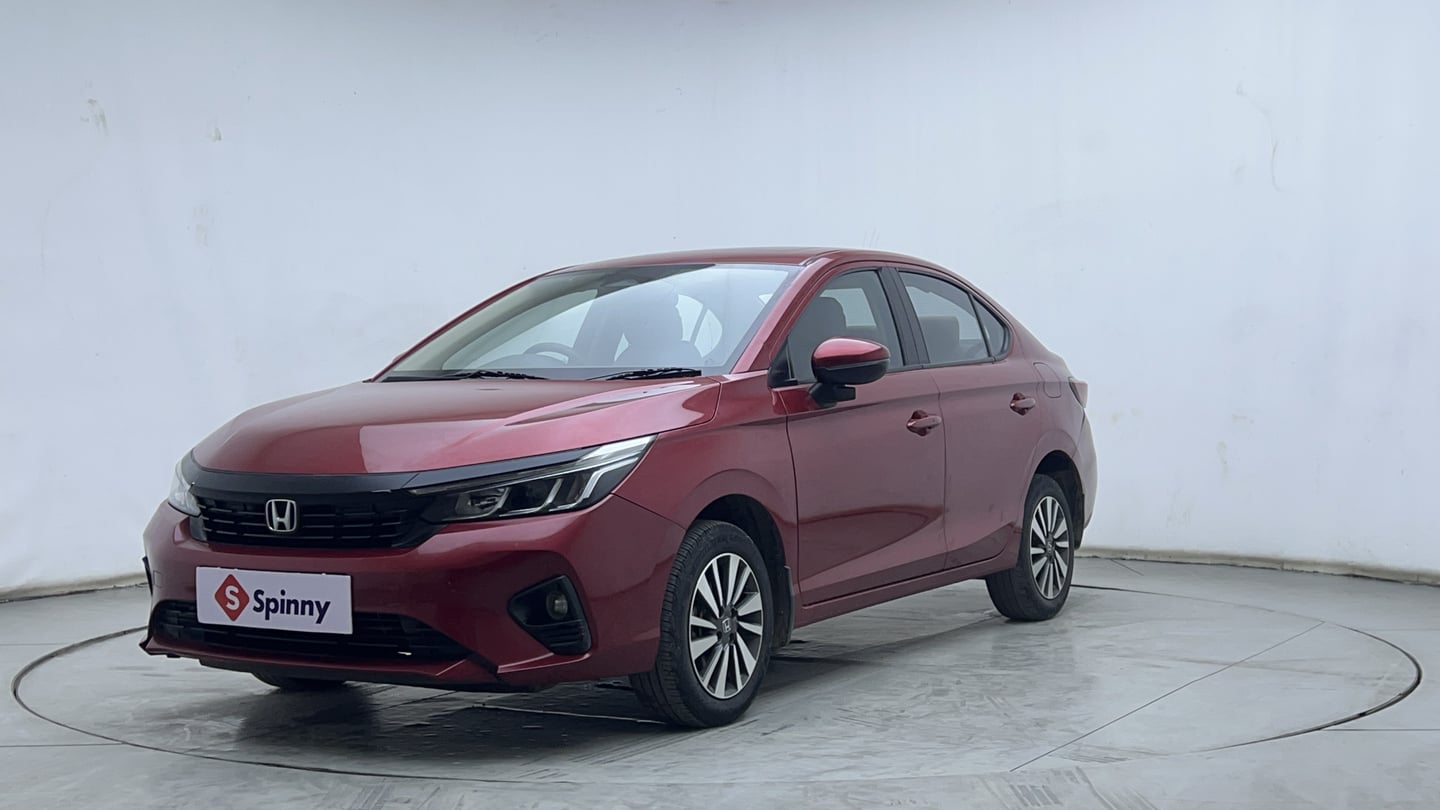
The Honda City focuses on comfort and refinement. Its conventional petrol version is equipped with a 1.5-litre four-cylinder naturally aspirated engine that develops around 121 PS and 145 Nm, and can be paired with either a 6-speed manual or a CVT. Unlike the turbocharged Virtus, the City delivers power more linearly
The current City also offers a strong-hybrid e: HEV version. Its electric-focused hybrid system gives it a major advantage in city fuel economy, with claimed efficiency of up to 27.26 km/l. The City has long been known for rear-seat comfort, making it particularly relevant for buyers who are frequently chauffeur-driven.
Why it is better than Volkswagen Virtus
Refinement is the City’s biggest advantage. The cross-country, naturally aspirated 4-cylinder engine feels very smooth and predictable, and the CVT works perfectly in heavy traffic, which benefits city dwellers. Those who prefer easier urban driving over mid-range torque will find the City convenient.
The City e: HEV is also far more fuel-efficient than any Virtus variant. Its claimed figure of 27.26 km/l is substantially higher than the Virtus 1.0 TSI manual’s 20.19 km/l. Higher City variants add Honda Sensing ADAS, a sunroof, rear sunshades, connected features, and premium upholstery. The Virtus remains stronger for turbocharged performance and boot space, while the City suits buyers prioritising refinement, rear-seat comfort, and economy.
Also Read: Honda City vs Volkswagen Virtus Real World Mileage Comparison
Price Comparison: Honda City vs. Volkswagen Virtus
The City starts above the Virtus, while the strong-hybrid version pushes its top-end price higher.
| Variant | Honda City | Volkswagen Virtus |
| Base-variant | Around ₹12.00 lakh | Around ₹10.71 lakh |
| Mid-variant | Around ₹13.3 – ₹16.3 lakh | Around ₹13.5 – ₹15.3 lakh |
| Top-variant | Up to around ₹21.00 lakh | Up to ₹19.20 lakh |
Summary
The Volkswagen Virtus remains a reliable mid-sized sedan for those who value a turbo-petrol powertrain, sure-footed highway driving, safety, ground clearance, and a spacious 521-litre boot. The 1.0 TSI engine is ideal for those looking for efficiency along with performance, and the 1.5 TSI DSG suits those who are looking for more performance.
Choose the Skoda Slavia for nearly identical mechanical strengths at a slightly lower entry price, the Hyundai Verna for more power and features, or the Honda City for refinement, rear-seat comfort, and strong-hybrid efficiency. The Virtus remains particularly attractive when driving dynamics and turbocharged performance are the main priorities.
Also Read: Volkswagen Virtus Image Gallery: Interior, Exterior
FAQs
Q. What are the best alternatives to the Volkswagen Virtus?
The Skoda Slavia, Hyundai Verna, and Honda City are three of the strongest alternatives to the Volkswagen Virtus in India.
Q. Is the Skoda Slavia better than the Volkswagen Virtus?
The Slavia shares its platform and engines with the Virtus and starts at a lower price. The final choice mainly depends on styling, variant features, pricing, and brand preference.
Q. Which is more powerful, Volkswagen Virtus or Hyundai Verna?
The Hyundai Verna turbo is more powerful, producing 160 PS and 253 Nm compared with 150 PS and 250 Nm from the Virtus 1.5 TSI.
Q. Which Volkswagen Virtus alternative offers the best mileage?
The Honda City e: HEV offers the highest claimed efficiency at 27.26 km/l. Among regular petrol sedans, the Slavia and Virtus remain closely matched.
Q. Does the Volkswagen Virtus have a diesel engine?
No. The current Virtus is petrol-only and is offered with 1.0-litre and 1.5-litre TSI turbocharged engines.
Q. Which Virtus alternative is best for rear-seat comfort?
The Honda City is particularly strong for rear-seat comfort, while the Hyundai Verna also offers good cabin space thanks to its long wheelbase.