
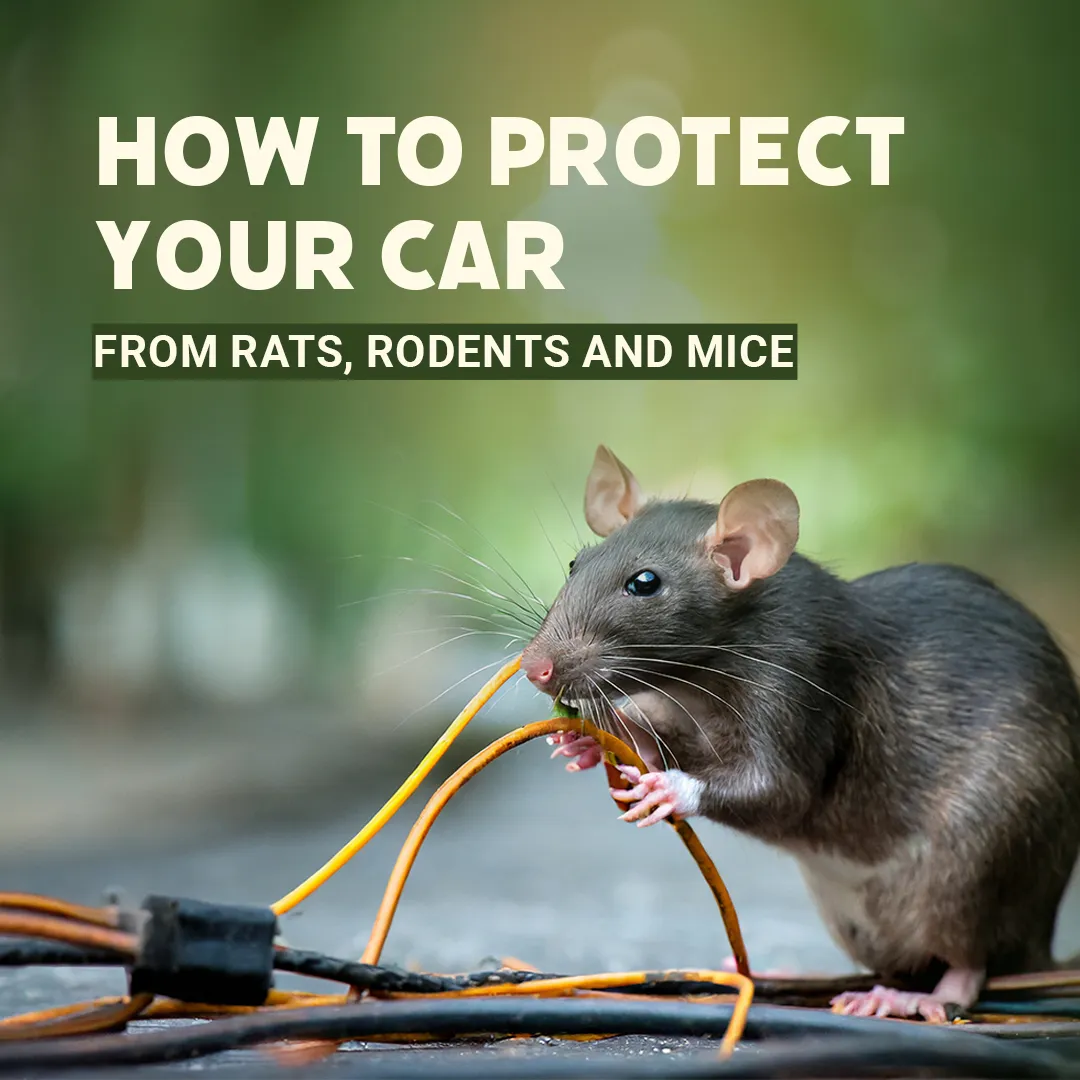
Rats can cause serious damage to a parked car without leaving an obvious sign at first. They may enter the engine bay, build nests, store food and chew electrical wires, hoses, insulation or plastic components.
The first symptom may be a warning light, a starting problem, rough engine operation or an electrical feature that suddenly stops working. In severe cases, damaged wiring can create a short circuit or leave the vehicle unable to start.
Cars provide rats with shelter from rain, heat and predators. A recently used engine bay may also remain warm for some time after parking. Vehicles that remain unused for several days are especially attractive because rodents can nest without regular disturbance.
There is no single method that can make a car completely rat-proof. The most effective approach combines a clean parking area, regular vehicle use, frequent inspections and professional pest control where necessary.
Why Do Rats Enter Cars?
Rats do not usually enter a car because they want to eat the vehicle itself. They enter because the car provides a protected hiding place.
Common attractions include:
- A warm and sheltered engine bay
- Food waste in or around the parking area
- Long periods without vehicle movement
- Nearby garbage bins or drains
- Cardboard, cloth or paper that can be used for nesting
- Easy access from walls, pipes or vegetation
- Existing rodent activity in the building
Food smells inside the cabin can also attract rodents. Snack packets, pet food, takeaway containers and crumbs under the seats may be enough to encourage repeated visits.
Once a rat identifies the vehicle as a safe location, it may return even after the visible nest is removed. This is why prevention must also address the surrounding parking area.
Signs That Rats May Be Entering Your Car
Finding the problem early can prevent a minor visit from becoming an expensive repair.
Check for:
- Rat droppings in the engine bay, boot or cabin
- Torn paper, cloth, foam or insulation
- Food shells or scraps near the battery or air filter
- Bite marks on wires and hoses
- A strong urine or musty smell
- Scratching sounds after parking
- Warning lights on the dashboard
- Electrical features that stop working
- Difficulty starting the engine
- Rough idling or engine misfiring
- Damaged cabin or engine air filters
- Pieces of nesting material near the AC intake
Do not continue driving if you find heavily damaged wires, fuel hoses, brake-related wiring or exposed electrical conductors. Have the car inspected before use.
Keep the Parking Area Clean
The most important preventive step is removing the reason rats visit the parking area.
Do not leave garbage bags, food containers, pet food or bird feed near the car. Waste bins should have tight lids and should be emptied regularly.
Remove piles of cardboard, old newspapers, cloth, wood and unused household items. These provide nesting material and hiding places.
Keep plants and bushes trimmed around outdoor parking areas. Rats can use vegetation, drainage pipes and wall ledges to reach the vehicle.
In apartment parking areas, report open drains, waste accumulation and rodent sightings to the building management. Protecting one car will be difficult if the entire parking area has an active infestation.
Also Read: Petrol Car Maintenance Tips for Best Reliability
Do Not Leave Food Inside the Car
Even a clean-looking cabin can contain food crumbs under the seats and floor mats.
Remove:
- Snack packets
- Fruit
- Takeaway boxes
- Pet treats
- Grocery bags
- Used cups
- Tissue containing food residue
Vacuum the seats, floor and boot regularly when there is no rodent contamination. Clean sticky drink spills and empty the door pockets.
Avoid storing dry food in the car overnight. This includes sealed packets because rodents may still detect the smell and chew through the packaging.
Use the Car Regularly
Cars parked without movement for long periods give rats enough time to build a nest.
Drive the car regularly rather than only starting the engine while it remains parked. Movement, vibration, noise and changes in location make the vehicle less attractive as a permanent shelter.
If the car will not be used for several days:
- Inspect the engine bay before leaving
- Clean the cabin and boot
- Remove all food
- Park in a clean, well-lit area
- Ask someone to inspect the vehicle periodically
- Check beneath the bonnet before starting it again
Starting the engine alone is not always sufficient. A short drive also helps move the car away from the exact location rodents may have started using.
Inspect the Engine Bay Frequently
Open the bonnet at least once every few days if rats are common in your area.
Use a torch to check around:
- The battery
- Fuse box
- Air-filter housing
- Engine cover
- Firewall
- Wiring harnesses
- Washer-fluid tank
- Cabin air intake
- Corners where nesting material can collect
Do not place your hands into hidden sections without looking first. A frightened rat may bite.
Look for fresh droppings, gnaw marks or displaced insulation. Early signs should be addressed immediately rather than waiting for an electrical problem.
Keep the Engine Bay Clean
Oil, food residue and nesting material should not be allowed to remain inside the engine compartment.
A professional engine-bay cleaning can remove odours and contamination that encourage repeat visits. Avoid directing high-pressure water at electrical connectors, fuse boxes, sensors and control units.
Do not wash a hot engine. Sudden temperature changes and water entering electrical areas may cause damage.
If you find nesting material, first confirm that no animal is present. Wear gloves and follow safe disinfection practices before removing droppings or contaminated material.
Use Rodent-Repellent Products Carefully
Several repellents are marketed for cars, including sprays, coatings, tapes and ultrasonic devices.
Rodent-Repellent Sprays
These products are usually applied around selected wiring, plastic covers and entry areas. Use only a product intended for automotive applications.
Do not spray:
- Hot exhaust components
- Belts or pulleys
- Brake parts
- Electrical connectors
- Air-intake openings
- Cabin air filters
Follow the product instructions and reapply only at the recommended interval.
Rodent-Deterrent Tape
Specialised tape may be wrapped around vulnerable sections of wiring. It can add protection but should be fitted carefully.
Incorrect wrapping can trap heat, moisture or dirt. Ask an authorised workshop or qualified automotive electrician to identify suitable areas.
Ultrasonic Devices
Ultrasonic deterrents are designed to emit high-frequency sound. Their effectiveness can vary according to installation, power supply, surroundings and the rodent population.
They should be treated as an additional measure rather than the main solution. Make sure any device fitted inside the engine bay is designed for automotive heat, moisture and vibration.
Poorly installed electrical accessories can create battery drain, short circuits or warranty concerns.
Avoid Unsafe Home Remedies
Home remedies such as tobacco, mothballs, chilli powder, phenyl, poison and strong chemical mixtures are sometimes recommended for rat prevention.
These methods can create new risks.
Mothballs and chemicals may release harmful fumes. Powders can enter the air intake or damage electrical parts. Poison may cause a rat to die inside the dashboard, air-conditioning system or engine bay, creating smell and hygiene problems.
Flammable substances should never be placed near a hot engine.
Strong-smelling home remedies may offer only temporary deterrence and should not replace cleaning and pest control.
Also Read: How to Increase Maruti Suzuki Swift Mileage
Consider Physical Barriers
In some vehicles, trained professionals may be able to install protective mesh around specific entry points or air-intake areas.
Any barrier must be fitted without:
- Blocking ventilation
- Restricting cooling
- Interfering with moving parts
- Touching hot components
- Preventing service access
- Creating rattling noises
Do not seal the entire engine bay. Cars require airflow for cooling, and water must be able to drain normally.
Ask the authorised service centre whether a safe, model-specific solution is available before installing aftermarket mesh.
Use Traps and Professional Pest Control
If rats are active in the parking area, treating only the car will not solve the problem.
Use a licensed pest-control service to identify:
- Entry points
- Burrows
- Food sources
- Drain access
- Nesting locations
- The scale of the infestation
Traps should be placed around the parking area rather than loose inside the engine bay. Keep them away from children and pets.
Rodenticides must be handled carefully and according to product instructions. Professional placement is preferable, particularly in shared buildings.
What to Do If You Find Rat Droppings
Rodent droppings and urine can carry disease. Do not touch them with bare hands.
Avoid dry sweeping, brushing or vacuuming the contaminated area immediately. This can disturb contaminated dust.
A safer approach is to:
- Move the vehicle to a ventilated location where practical.
- Wear rubber or disposable gloves.
- Spray the droppings and affected area with a suitable disinfectant.
- Allow the disinfectant to remain for the instructed contact time.
- Wipe the material using disposable towels.
- Place the waste in a sealed bag.
- Clean the surrounding surface again.
- Wash your hands thoroughly after removing the gloves.
A heavily contaminated engine bay, AC system or cabin should be cleaned by professionals.
Do not start the blower or AC if nesting material may be present in the cabin air intake.
What to Do If Rats Have Chewed the Wiring
Do not attempt a temporary twist-and-tape repair on important automotive wiring.
Modern cars use complex harnesses connected to airbags, sensors, engine controls, cameras, ADAS and safety systems. A poor repair can cause intermittent faults, incorrect signals or overheating.
Take photographs before the damage is disturbed. Have the car inspected by an authorised service centre or experienced automotive electrician.
The workshop should determine whether:
- Only the outer insulation is damaged
- Individual wires can be repaired safely
- Connectors need replacement
- A complete wiring section or harness is required
- Sensors or control modules have been affected
- The car is safe to drive
Request a written estimate before authorising repairs.
Is Rat Damage Covered by Car Insurance?
Rodent damage is not handled identically by every insurer or policy.
Third-party insurance will not cover damage to your own vehicle. A comprehensive or own-damage policy may cover sudden rodent damage in some cases, while other policies may exclude infestation or require a specific add-on.
Read the policy wording instead of relying only on the term “comprehensive.”
If damage is discovered:
- Photograph the affected area
- Inform the insurer before repairs
- Ask whether an inspection is required
- Obtain a workshop estimate
- Retain damaged parts and invoices when requested
- Confirm the deductible and claim effect
Do not assume that warranty coverage will apply. Vehicle warranties generally cover manufacturing defects, not external damage caused by animals.
A Simple Rat-Prevention Routine
A practical weekly routine can significantly reduce risk:
- Remove food and waste from the car
- Inspect under the bonnet
- Check for droppings or nesting material
- Look at visible wires and hoses
- Drive the car regularly
- Keep the parking area clean
- Report rodent activity promptly
- Reapply approved deterrent products as directed
- Arrange pest control if signs continue
This routine is more dependable than relying on a single spray or electronic device.
Conclusion
Protecting a car from rats requires more than placing a strong-smelling product inside the engine bay. The most effective strategy is to remove food and nesting sources, keep the parking area clean, use the car regularly and inspect it frequently.
Automotive repellents, protective tape and ultrasonic devices may provide additional help, but none should be treated as a complete solution.
If you notice droppings, bite marks or electrical problems, act quickly. Clean contaminated areas safely and have damaged wiring inspected professionally. Early action can prevent a small rodent visit from becoming an expensive electrical repair.
FAQs About Protecting Cars from Rats
Q. Why do rats chew car wires?
Rats naturally gnaw to control the growth of their teeth. Wires, insulation, hoses and plastic parts may also be convenient materials inside a sheltered engine bay.
Q. Does parking in a well-lit place keep rats away?
Lighting may reduce hiding opportunities, but it does not guarantee protection. Cleanliness and removal of food sources are more important.
Q. Do ultrasonic rat repellents work in cars?
Results vary. They may help in some situations but should be combined with cleaning, inspection and pest control.
Q. Can I spray rat repellent directly on car wires?
Use only an automotive product and follow its instructions. Avoid electrical connectors, hot parts, belts and air intakes.
Q. Can mothballs be placed in the engine bay?
They are not recommended. Their fumes can be harmful, and loose products may come into contact with hot or moving components.
Q. How often should I inspect the engine bay?
Check it every few days when rodent activity is common. Cars parked for long periods should be inspected before starting.
Q. Will car warranty cover rat damage?
Usually not, because animal damage is not a manufacturing defect. Insurance coverage depends on the individual policy.
Q. Should I drive after finding chewed wires?
Do not drive if important wires or hoses are damaged. Have the vehicle inspected or towed to a workshop.