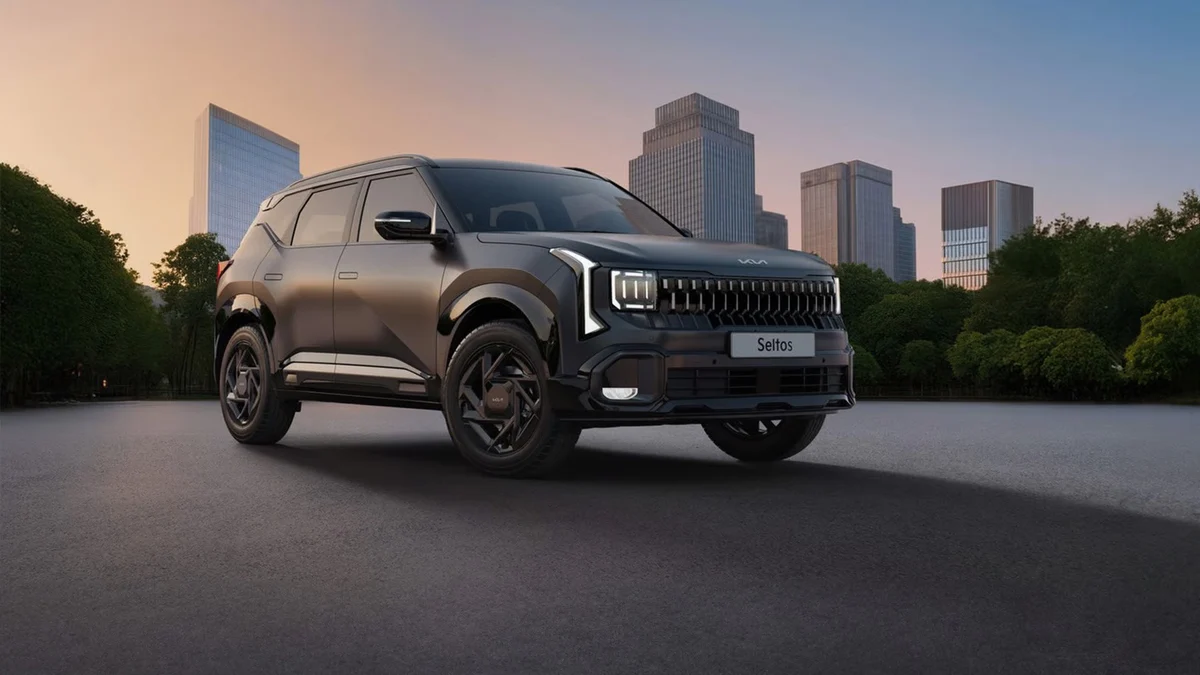


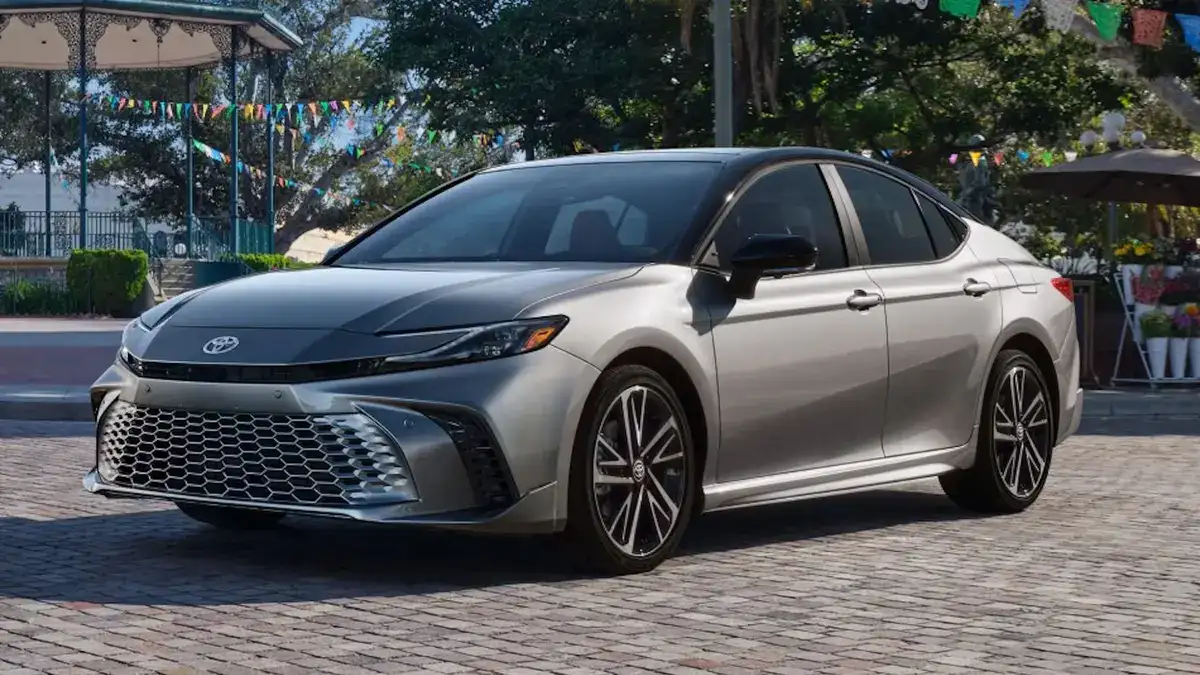




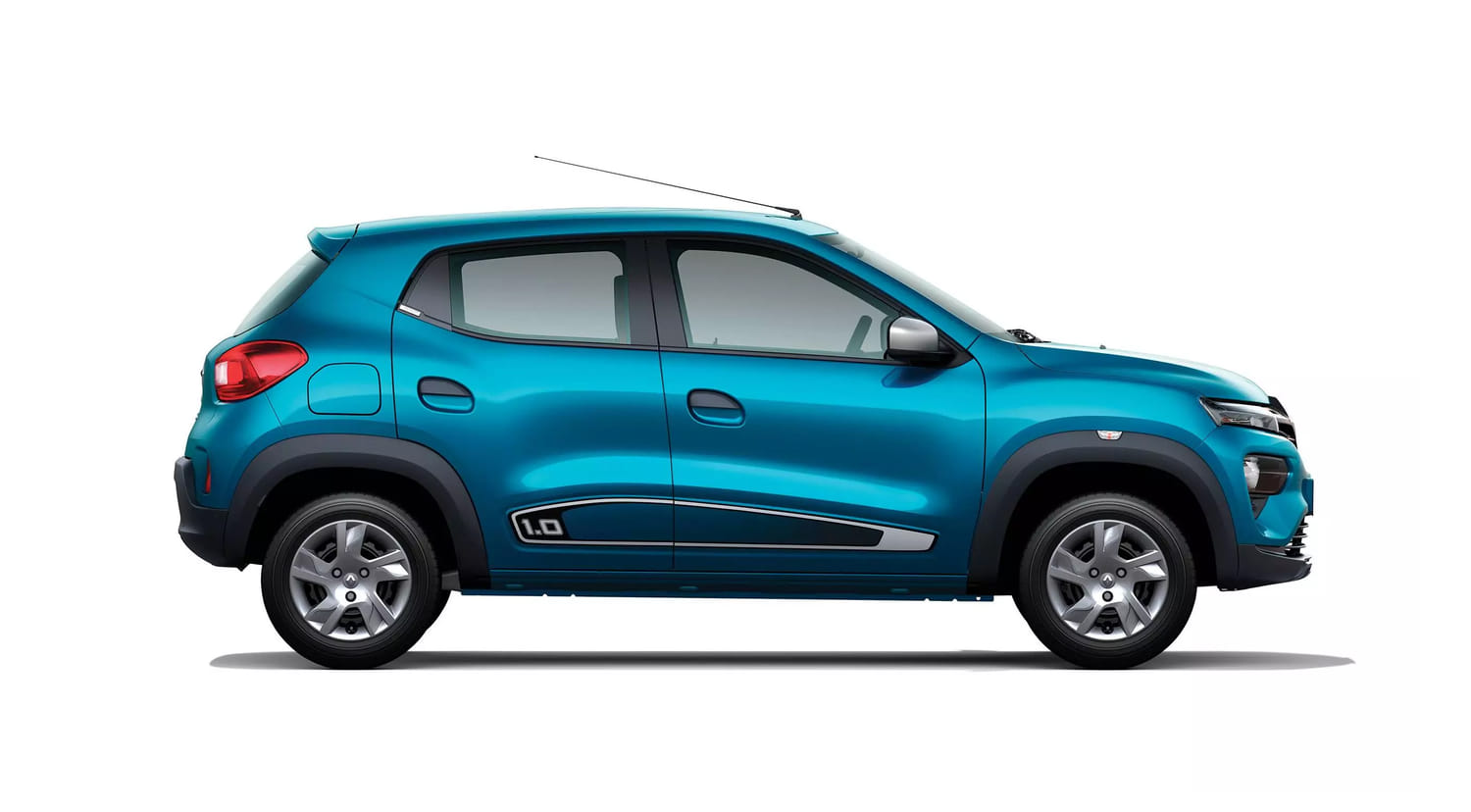
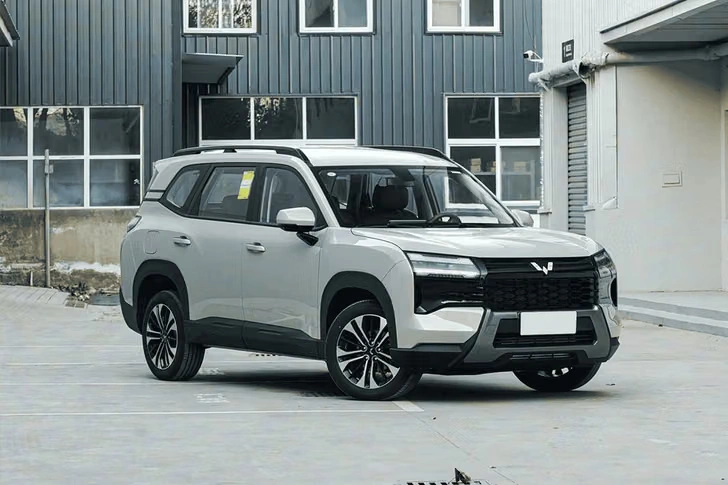



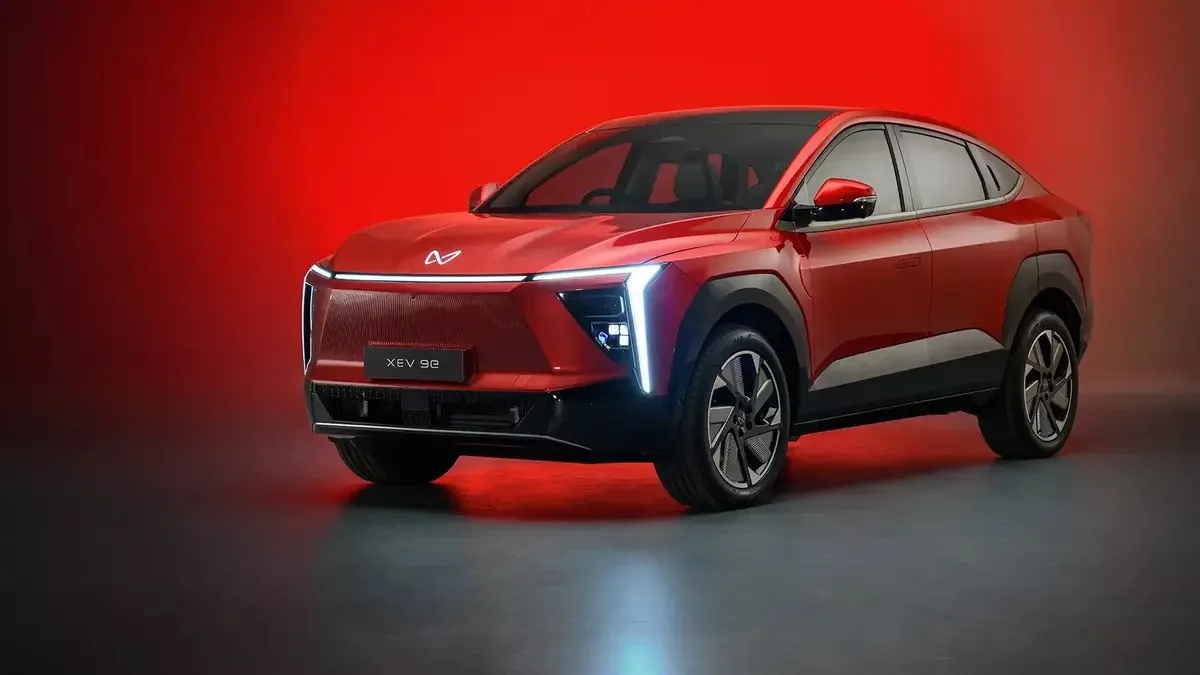
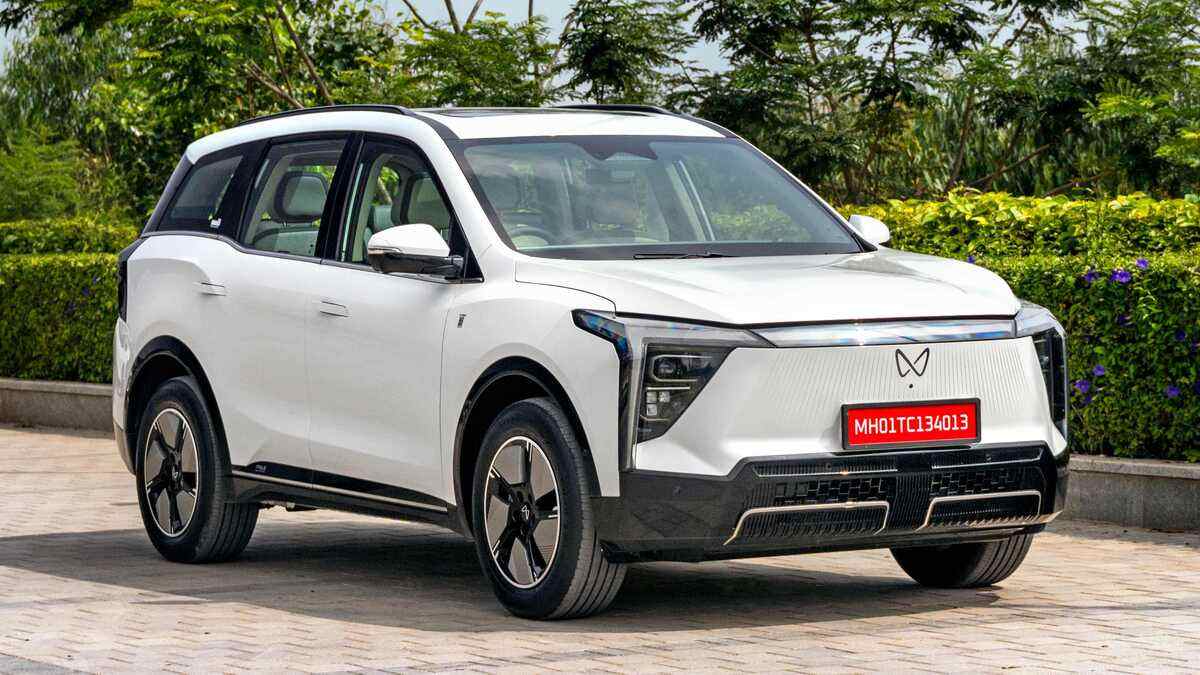
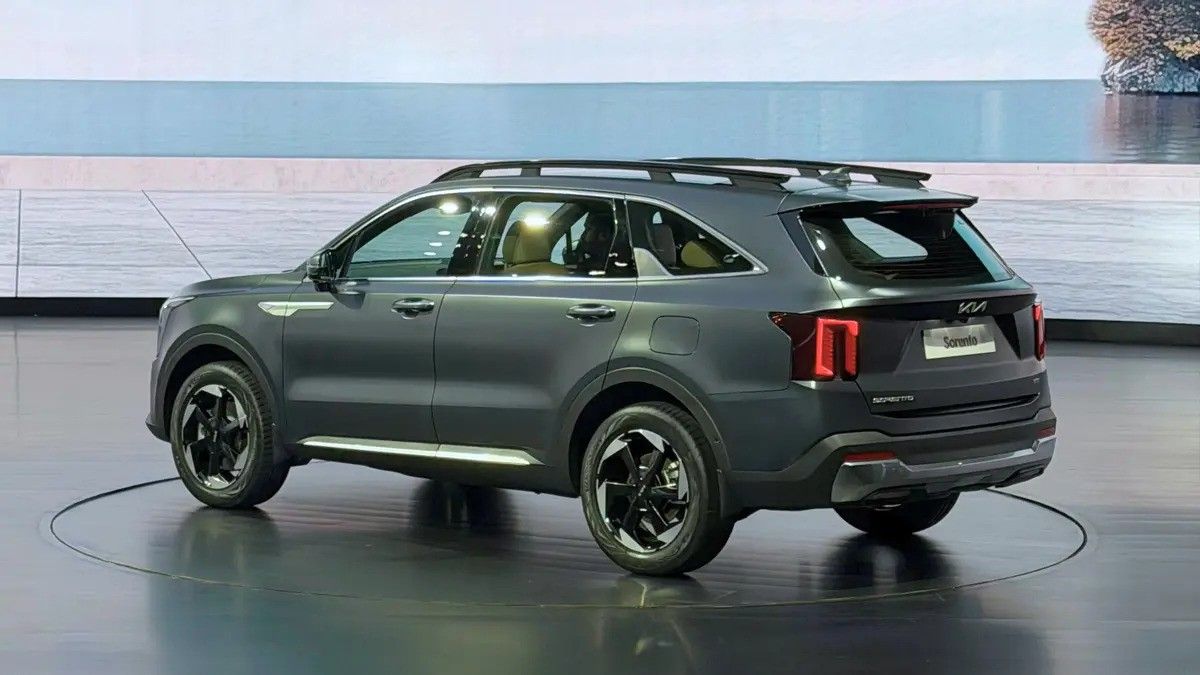
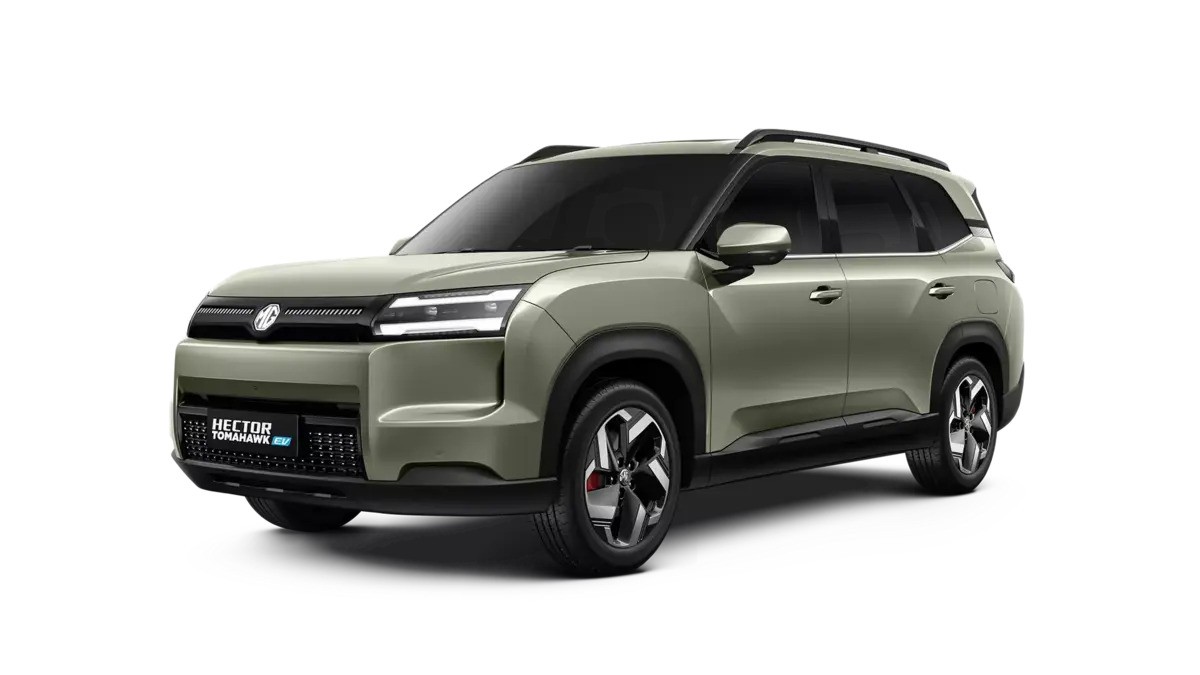





Chassis for a car is analogous to the skeleton for a human body. Chassis, also known as ‘Frame’, is the foundation structure of any car that supports it from underneath. The purpose of the chassis is to bear the weight of the car in its idle and dynamic states. Given that, most people don’t get to choose the chassis of their car and many may not really care about them as much. However, if you have some level of know-how about chassis, it can help to determine the abilities of your car. Here are four main types of chassis.
What is a Car Chassis?
Ever stopped to consider what actually keeps your vehicle together? It’s not just nuts and bolts—it’s the car chassis.
Imagine your car’s chassis to be the backbone. Just as a skeleton holds the human form in place, the car chassis holds in place everything from the wheels and engine to the steering, suspension, and braking system. Take it away, and your car is merely a collection of parts lying in a heap with no destination in sight.
Now, here’s the catch: not all chassis are the same. It can be the tough and durable ladder frame chassis that is seen in SUVs like the Fortuner, or the light and agile monocoque chassis that is seen in regular hatchbacks and sedans, but the kind of chassis certainly contributes heavily to the performance of your car on the road.
So, next time somebody uses the term automobile chassis, you’ll appreciate that it is more than a mere technical term—it’s the actual structure that provides your automobile with form, strength, and steadiness.
Chassis Vs. Frame
Let’s get one of the most talked-about automobile misconceptions straight: chassis vs. frame. Two terms that are frequently interchangeable, but not exactly one and the same.
The entire framework that holds the vehicle is the chassis, and it encompasses the framework but also contains essential parts such as the suspension system, the steering assembly, the braking system, and even the fuel tank in most cars. In essence, if your car had no outer shell, then what you would observe rolling on the road is the chassis in motion.
The frame, however, is the skeletal structure—literally the platform onto which everything else (the engine, the body, wheels, and even the parts of the chassis) is bolted. In traditional or larger cars, such as off-roaders and trucks, the body and the frame are distinct (the body-on-frame construction). In newer cars with monocoque chassis, however, the body and the frame are integrated into a single structure.
Still a bit unclear? Worry not—we’ve got you covered here with this easy-to-understand breakdown:
| Feature | Chassis | Frame |
| Definition | The entire load-bearing structure, including suspension, steering, and more | The base skeletal structure that supports the vehicle’s body |
| Components Included | Frame, suspension, steering, fuel system, brakes, etc. | Only the base support structure (longitudinal and cross members) |
| Used In | All vehicles – it’s what makes a car a car | Mostly in body-on-frame vehicles like trucks and SUVs |
| In Monocoque Design | The frame and body are integrated as one unit | No separate frame—it’s part of the chassis |
| Purpose | Supports all major mechanical systems and defines driving dynamics | Provides structural support and rigidity |
What Is The Difference Between A Chassis And A Car Platform?
Here’s another set of terms that confuse buyers: car chassis and car platform. And no, they are not interchangeable terms.
The chassis is literally the backbone of the car. It’s what supports the entire crucial components, such as the suspension, wheels, and steering assembly. When you hear someone refer to a monocoque chassis or a ladder frame, they are referring to the composition of the car’s structure. It is something that affects the strength, handling, and even the safety experience on the road.
The automobile platform is a shared blueprint through which carmakers construct various models. It encompasses the framework design but incorporates the motor layout, electronics, and even the wheelbase of the car. This is how businesses construct a variety of cars with various appearances and features based on the same skeletal structure underneath.
For instance, you may find yourself encountering a hatchback and a small SUV that handle and feel eerily alike. Odds are, they share the same platform. If you’re trying to decide between two models in the same dealership and are stumped, knowing their platform may well be the deciding factor, because it will reveal to you how much of the vehicle is actually new, and how much is simply re-engineered from an older or simpler model.
Here is a simple explanation to aid in understanding it all:
| Feature | Car Chassis | Car Platform |
| Definition | The structural framework of the car | A shared set of design, structure, and components used across multiple models |
| Scope | Includes suspension, wheels, and frame | Includes chassis, powertrain layout, electronics, and wheelbase |
| Physical Structure? | Yes – it’s the actual metal framework | Not always – it’s a design concept shared across models |
| Impact on Car | Affects strength, handling, safety | Affects pricing, feature availability, and overall driving feel |
| Buying Relevance | Helps you understand build quality | Helps compare models and spot value across variants |
What is the Function of a Car Chassis?
So, what does a car chassis actually do? More than you might expect.
On the surface, it may appear to be nothing but a structure holding everything together. But the vehicle chassis is actually much more significant in how your car handles, feels, and even safeguards you. Here is a closer look at what it’s actually doing:
Support
Fundamentally, it is the automobile chassis that offers a structure. It supports everything, ranging from the engine and gearbox to the axles and fuel tank. A car cannot exist, let alone move, without this sturdy platform.
Structural Integrity
The chassis prevents the car from bending or twisting in response to pressure. When you’re trying to get over a speed hump or corner hard at high speed, it holds everything in line and in form.
Stability and Handling
Does your vehicle handle curves and traction on the road? You can thank the car’s chassis. A well-designed chassis structure spreads the power and weight in a manner that provides you with improved control.
Safety
During an accident, the crash energy is absorbed and diverted by the chassis, lessening the shock experienced by passengers. Particularly in monocoque chassis, the crumple zones are integrated into the structure, providing improved protection.
Weight Distribution
From sports coupes with front engines to rear-engine sports cars, a car’s handling is heavily influenced by weight distribution, and the framework makes that balance a reality.
Absorb and Distribute Crash Energy
Good chassis design not only withstands a crash, but it also actively safeguards against it. It directs crash impacts away from the cabin, keeping you safe in collisions.
Support Different Car Components
All critical components—braking, steering, suspension—are attached to the chassis. It’s the backbone that holds everything together in harmony.
Balance Car Structure
Whether a tough SUV with a ladder frame platform or an urban car with a monocoque chassis that is lighter in weight, the chassis design optimises the structure in keeping with the intention, whether off-roading or daily usage.
What are the types of Car Chassis?
Ladder Frame Chassis

Named after the shape it replicates, the ladder-frame chassis is one of the oldest chassis types. This chassis is characterised by two long heavy beams that are supported by two smaller ones. Its quality of being easily manufactured not only made it contemporarily popular but also eased the way for its mass production. Since ladder frame chassis is significantly heavy it’s usually used for vehicles that transport heavy material.
Benefits
- Easy to manufacture and easy assembling of the car over it.·
- Heavy and strong tensile strength.
Drawbacks
- Poor cornering ability due to weak torsional rigidity
- Its heaviness doesn’t make it suitable for performance cars and hatchbacks.
Applications
The ladder frame chassis is a time-tested stalwart in heavy-duty and off-road vehicles. It is specifically designed to suit vehicles that are put through heavy usage and are capable of handling heavy loads. Some of the best examples are the Toyota Fortuner, Mahindra Thar, and Ford Endeavour, all of which are well-known for durability and off-road capabilities. Also, commercial vehicles such as buses and goods carrier vans utilise ladder frames in fulfilling their load-bearing demands.
Backbone Chassis

Similar to the ladder frame chassis, the backbone chassis is also named after the shape it reflects. The hollow rectangular cross-section and a cylindrical tube passing through it connecting the front and rear suspension, like a backbone. The cylindrical tube surrounds the driveshaft. You can find backbone chassis in one of the most popular cars, Skoda Rapid.
Benefits
- Its crafting allows better contact between the half axle and ground making it preferable for off-roading.
- A cylindrical tube covering the driveshaft saves it from any damage while off-roading.
- The structure’s torsional toughness is relatively more supple than ladder chassis.
Drawbacks
- In case the driveshaft fails, the whole chassis needs to be dismantled as the driveshaft is covered with the cylindrical tube of the chassis.
- The manufacture of backbone chassis is costly and increases the overall cost of the car.
Applications
Backbone chassis are largely seen in sports cars and off-road vehicles, where a compromise is required between structure and weight. Some of the vehicles that use this design are the Lotus Elan, De Tomaso Mangusta, and the DMC DeLorean. In India, the Škoda Rapid and vintage cars like the Škoda Popular also use backbone chassis, but provide a characteristic combination of sturdiness and performance.
Monocoque Chassis

Monocoque is French for ‘single shell’. This unibody frame is named after its structural outlook. The monocoque frames were firstly used in ships, next in aeroplanes, and manufacturers took quite a while to find them pertinent for cars as well. A monocoque is like an endoskeleton of a car crafted by fitting chassis and complete basic frame in a single unit. Monocoque chassis is the most popularly used chassis as of now given its number of advantages over the other two types of chassis.
Benefits
- Best torsional rigidity
- Its cage-like design makes it relatively safer.
- Easy to repair.
Drawbacks
- The amalgamation of frame and chassis makes it fairly heavy.
- The production of monocoque chassis on a small scale isn’t financially plausible, thereby it can prove fairly costly for the cars that are produced in small numbers.
Applications
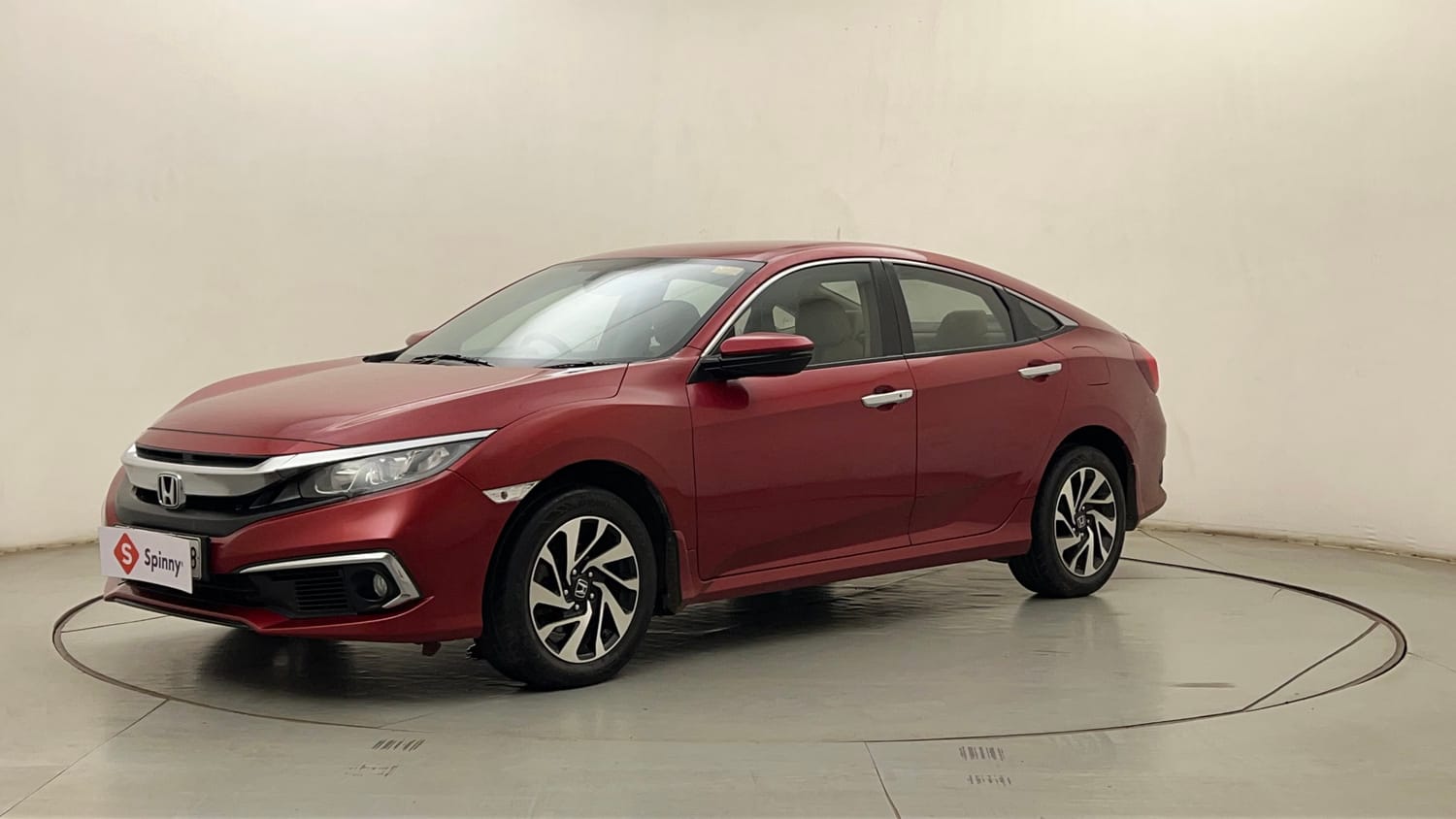
Unibody constructions, or monocoque chassis, are found in most modern cars, particularly in passenger cars. Integrated into their structure are improved safety, fuel economy, and handling. Some of the most popular cars featuring monocoque construction include the Honda Civic, Hyundai i20, and BMW 3 Series. Electric cars and hybrids are no exception to this, reflecting the increasing demands of city commuting.
Tubular Chassis

A three-dimensional derivative of ladder chassis, Tubular chassis are mainly used in performance cars given their excellent safety. Rarely seen in passenger cars, tubular chassis is much stronger than ladder chassis and they popularised the utilization of stronger structure underneath the doors to accomplish more consolidated strength.
Benefits
- Comparatively better rigidity for the chassis of the almost same weight
- Nice ratio of rigidity and weight making a car strong while being light-weighted.
- Highly preferred for race cars
Drawbacks
- Tubular chassis are quite complex in design, conclusively they can’t be manufactured by conventional methods.
- They are very time-consuming in production, and can’t be mass-produced.
- Not suitable for passenger cars
- The tubular chassis elevates the doors a bit making it slightly hard to access the cabin.
Applications
Tubular chassis, or space chassis, form the underpinning of racing and high-performance cars. Such a lightweight but rigid structure is best suited where pure performance is necessary. Classic models such as the Caterham 7 and TVR Griffith utilise a tubular chassis to realise high agility and speed. Outside the world of racing tracks, this design is applied in off-road buggies and bespoke motors, where strength and weight reduction are essential.
Structure and Components of a Car Chassis
1. Frame
Since it supports every other component, the frame is the vehicle’s main structural component. Common frame types include monocoque ladder and backbone structures, each of which has unique advantages in terms of rigidity, weight, and strength.
2. Suspension System
By joining the chassis and wheels, this system enables controlled motion and absorbs shocks from uneven roads. To keep tyres in contact with the road and provide stability and comfort, various components such as control arms, shock absorbers, and springs work together.
3. Steering Mechanism
The driver can control the direction of the vehicle thanks to the steering system. Links that convert driver input into wheel movement are usually included along with the steering wheel column, rack and pinion and other components.
4. Braking System
The braking system is crucial for safety because it enables the car to stop or slow down. It consists of parts mounted on the chassis, including brake pedals, master cylinders, brake lines, callipers and discs or drums.
5. Engine and Transmission Mounts
To keep the engine and transmission in place and absorb vibrations, the chassis contains mounts for them. By reducing movement and noise, these mounts guarantee that power is transferred to the drivetrain effectively.
6. Wheels and Tires
Wheels and tyres are essential for handling and traction and are connected to the suspension system. For the best possible contact with the road surface, the chassis offers the support and alignment that are required.
Manufacturing Processes for Car Chassis Components
CNC Machining: Precision at Its Finest
The master of accuracy in automobile production is computer numerical control (CNC) machining. Suspension arms, brackets, and structural supports are among the parts that CNC machining precisely shapes with computer-guided tools. This procedure ensures that every component meets precise requirements essential for your car’s performance and safety. Additionally, engineers can test and improve designs prior to mass production, thanks to CNC machining, which is essential for prototyping.
Sheet Metal Fabrication: Shaping Strength and Style
The intricate shapes that make up your car’s body and chassis are created by sheet metal fabrication from flat metal sheets. Materials like aluminium and high-strength steel are shaped into panels, reinforcements and frames by cutting, bending and assembling. By striking a balance between weight and strength, this method improves fuel economy without sacrificing safety. Furthermore, customisation is possible with sheet metal fabrication, giving producers the ability to produce distinctive features and designs.
Die Casting: Moulding Durability and Efficiency
Melted metal is injected into moulds during die casting to produce highly strong, intricately shaped parts. This process works especially well for creating components like engine blocks, transmission cases, and chassis structural components. Die casting eliminates the need for extra machining by providing a superior surface finish and dimensional accuracy. It’s an economical way to produce large quantities while guaranteeing dependability and consistency in each component.
Gaining knowledge of these manufacturing procedures helps you appreciate the painstaking craftsmanship that goes into the chassis of your car. Every method is essential to providing your car with the durability, performance, and safety you demand.
Common Materials for Making Car Chassis Parts
The materials used to construct an automobile’s chassis have a significant impact on the vehicle’s efficiency, safety and performance.
Aluminium: Lightweight and Corrosion-Resistant
Aluminium is praised for its corrosion resistance and light weight. It is ideal for improving fuel efficiency and reducing emissions due to these qualities. Aluminium alloys provide a balance between strength and malleability, like 6061 and 7075, which are frequently used in parts like body panels, engine blocks and suspension parts. However, due to its lower fatigue strength than steel, aluminium requires careful engineering when used in high-stress situations.
Steel: Strength and Durability
Due to its exceptional strength and durability, steel has long been a staple in the automotive industry. Safety cages and chassis frames are two examples of places where it is most frequently utilised and where high structural integrity is required. Although it is heavier than aluminium, improvements in high-strength steel alloys have made it possible to create lighter, thinner parts without sacrificing safety.
Magnesium Alloys: Ultra-Lightweight Applications
Approximately 33% lighter than aluminium, magnesium alloys are among the lightest structural metals. This makes them appealing for uses like racing cars and sports cars, where weight reduction is crucial. Magnesium alloys can be more brittle and prone to corrosion, despite their lightweight advantage, necessitating protective coatings and careful design considerations.
Composites: High Performance and Flexibility
A remarkable strength-to-weight ratio is provided by composite materials such as carbon fibre-reinforced polymers. They are being utilised more and more in luxury and high-performance cars to reduce weight without compromising structural integrity. Composites give engineers more flexibility by enabling intricate shapes and designs. But widespread adoption may be constrained by their higher cost and more intricate manufacturing procedures.
Conclusion
Appreciating how cars meet their performance, safety and efficiency objectives requires an understanding of the materials used in their chassis construction. Every material has advantages and disadvantages of its own, whether it be composites, steel, magnesium alloys or aluminium. The incorporation of these materials will develop further as automotive technology progresses, spurring creativity in vehicle manufacturing and design.
Also Read: What is a Car Chassis?
FAQs about Types of Chassis
Q. Which Indian cars have ladder frame chassis?
A. Some popular cars in India that have ladder frame chassis are Toyota Fortuner, Mahindra Thar, Ford Endeavour, Force Gurkha, Mahindra Alturas G4, and Mercedes AMG G63.
Q. What is the biggest disadvantage of Backbone chassis?
A. The most critical disadvantage of the Backbone chassis is that it needs to be opened up completely if anything needs to be repaired in the drive train.
Q. Is the differential part of the chassis?
A. A differential is an element of the transmission system; thus, it doesn’t perform as the foundation or chassis of any car.
Q. Is the chassis the same as the frame of the car?
A. A chassis is a minimum requirement or foundation for any vehicle to move. On the other hand a frame is the main structure of the chassis, and all the body components along with the chassis are fastened to it.
Q. Can I replace the monocoque chassis of my car?
A. Most modern cars come with monocoque chassis. In case you find the monocoque chassis damaged, there are only two options before you. You could either get it repaired, if possible, at an affordable cost or buy a new car since the replacement of a monocoque chassis is almost the replacement of the whole car.
Important Links
7 Seater Cars | Best Mileage Cars | Used Cars In Bangalore | Used Cars In Delhi | Hybrid Cars in India | Sunroof Cars | Used Cars In Gurgaon | Used Cars In Hyderabad | Used Cars In Noida | Used Cars In Pune | CNG Cars in India | Jeeps in India | Used Cars In Mumbai | Used Cars In Ahmedabad | Types of Cars | Car Brands in India | Used Cars In Chennai | Used Cars In Kolkata | Used Cars in Lucknow | Automatic Cars in India | Luxury Cars in India | Used Cars in Chandigarh | Used Cars in Coimbatore | Used Cars in Indore | Used Cars in Jaipur