


Honda has consistently excelled in the engineering department, and its i-VTEC petrol engine is one of its most notable innovations. Designed to offer the ideal combination of power, fuel efficiency, and durability, i-VTEC technology has powered over a million Honda cars worldwide, from everyday city cars to high-performance sedans and SUVs.
Through innovative changes in valve timing and lift, this engine adapts to various driving conditions, delivering smooth drivability in urban stop-and-go traffic and pulse-stimulating acceleration on the highway, all while maintaining optimal fuel efficiency and emissions.
Whether you are a car enthusiast or a prospective future owner of a Honda, learning how i-VTEC works will help you understand why it is the benchmark for petrol engine technology today.
What is VTEC and i-VTEC?
VTEC stands for Variable Valve Timing & Lift Electronic Control. It’s how Honda varies the valve lift and duration by changing camshaft profiles. It’s an attempt to achieve both good performance (high RPM power) and good efficiency (torque, economy, and smoothness at low RPM).
On the other hand, i-VTEC builds on that with “Intelligent.” Essentially, it combines VTEC’s variable duration and lift with VTC (Variable Timing Control), allowing the timing of the intake camshaft to be advanced or retarded on the fly (or in increments) as a function of engine load/RPM/other variables. That’s additional flexibility and efficiency.
History and Evolution
Honda engineer Ikuo Kajitani created the first VTEC. It was created in the 1980s and implemented into production for application in Honda DOHC engines. Later, Honda had different needs, like emissions controls, fuel efficiency, and customer demand for smoother, more efficient engines.
To address these needs, they further developed VTEC with more cam phasing, improved control, and more sets of performance vs. economy. i-VTEC was one of them. It first appeared around 2001 on Honda’s K-series fours. In 2002, the majority of four-cylinder Hondas sold in countries like the United States came equipped with i-VTEC.
Honda doesn’t rest on its laurels. It also couples i-VTEC with other technologies (such as direct injection, cylinder deactivation in some models, and hybrids) to further increase efficiency/emissions.
How Does i-VTEC Work?
To fully comprehend i-VTEC, it’s crucial to analyse its parts and functions:
Key Components
- Camshafts
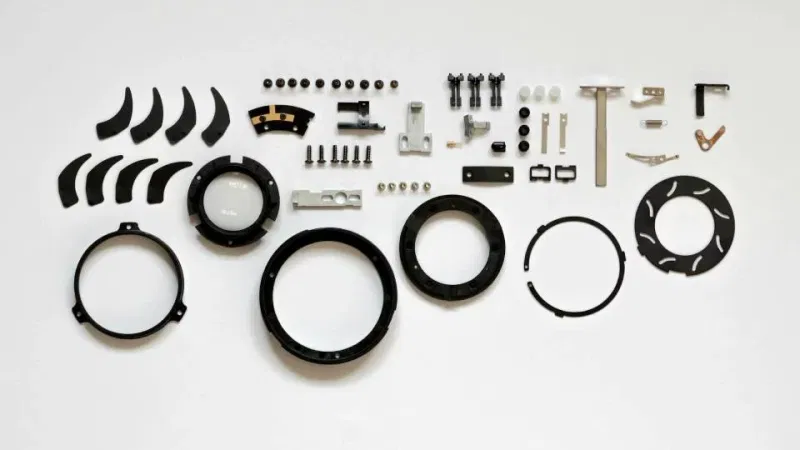
Presence of one or multiple intake camshafts (in DOHC engines, in some SOHC configurations, intake and exhaust share camshafts). In most i-VTEC configurations, there is more than one cam lobe for each valve (particularly on the intake side) to accommodate various valve behaviours.
- VTEC Solenoid/Oil Pressure Control
Oil pressure is employed to open or release various rocker arms through pins, allowing for switching between low-lift/short-duration cam profiles and high-lift/longer-duration profiles.
- VTC (Variable Timing Control)
A phasing device (usually an oil-controlled cam sprocket or gear) that enables intake camshaft timing to be advanced or retarded against the crankshaft. This changes valve opening/closing timing in a more refined, more gradual manner.
- ECU/Engine Management
Keeps track of various parameters, including RPM, load (throttle position), engine temperature, and oxygen sensors, and determines when to switch profiles or adjust timing by manipulating solenoids, oil flow control, and other components.
Mechanism in Different RPM/Load Zones
- At light load/low RPM, the engine employs the “economy” cam profile, characterised by reduced valve lift, shorter duration, and possibly one intake valve partially open to enhance better fuel atomization and combustion.
Additionally, reduced overlap between the intake and exhaust helps prevent unburnt gases and improves emissions & efficiency. Valve idling (one intake valve in service) can be employed on occasion.
- With increased load or higher RPM, the ECU instructs the VTEC to activate the high-lift cam lobe(s) via oil pressure and a pin mechanism. The higher profile opens valves sooner, provides more lift, and has a longer duration, thus allowing more air-fuel mixture to pass through, making the power more.
- A phasing mechanism (often an oil-driven cam sprocket or gear) that allows the intake camshaft timing to be advanced or retarded relative to the crankshaft. This changes the timing of valve opening/closing in a finer, more continuous way.
- The combination provides smoother power delivery, more usable torque across the entire rev range, and improved fuel economy compared to fixed-cam or worse valve-timing systems.
Types and Variants of i-VTEC Engines
Honda uses i-VTEC in many engines. But not all i-VTEC systems are identical. Broadly, they can be grouped by intent (performance vs economy) and by physical layout (DOHC vs SOHC, number of valves, direct injection, etc.). Here are some major variants:
| Engine Layout/Series | Main Features | Performance vs Economy Focus |
| Performance i-VTECK-series engines DOHC | High-lift big cam lobes, full VTEC switching on both intake and exhaust, aggressive timing curves, higher revving, and often more durable valvetrain components. Combined with VTC for cam phasing. | Focused on power, responsiveness, and sporty feel. |
| Economy i-VTEC | Might use fewer lobes; sometimes only one intake cam is used to load one valve, or a smaller lobe is used for low RPM to improve fuel efficiency, with less aggressive high-RPM lift/duration. VTC may be less aggressive, tuned for smoothness/emissions. | Optimised for fuel economy, smoother torque, and emissions compliance. |
| Special Versions | These add further control: under certain conditions, reduce the number of active cylinders; hybrid modes; lean burn (in some markets); and tighter emission control. | Balance of efficiency, emissions, and power depending on application. |
Technical Specifications and Key Components
To gain a sense of how well i-VTEC performs, it’s useful to understand some key numbers and component design:
Valve Timing and Lift Profiles
The contrast between low lift and high lift can be significant; the greater the valve lift, the longer the duration, and the greater the overlap when VTEC engages. Specific numbers vary by engine. For example, a 2.4-litre i-VTEC engine in the Honda CR-V develops ~184 horsepower at 6,400 rpm (SAE net).
Cam Phasing Range
With VTC, intake camshafts can be advanced or retarded normally over a certain degree range (e.g., up to ~50° in most DOHC i-VTEC engines).
Engine Bore and Stroke/Displacement
The range is quite wide. Honda K-series engines range from ~1.8 L to 2.4 L in most markets. SOHC versions can be smaller (1.3 L, 1.5 L, etc.), depending on the model. The material of construction is usually aluminium block/heads to reduce weight.
Compression Ratios
The range depends on the version, market (quality of fuel), and performance versus economy tune. High-performance variants will have higher compression ratios. Values are model-dependent.
Fuel Systems
Some i-VTEC engines employ direct injection, while others utilise port injection. Some newer models use both (dual injection). This enhances combustion efficiency, reduces emissions, and supports lean burn under certain conditions.
Advantages of i-VTEC Petrol Engines
Here’s why customers of Honda prefer its i-VTEC petrol engines:
- Broader Usable RPM Range: More torque in the mid-range, with powerful high RPMs, but idling remains smooth.
- Better Fuel Efficiency: With low RPM/loading, i-VTEC provides less lift, lower duration, less overlap, and even a single intake valve in some models. This implies less wastage of fuel.
- Lower Emissions: With improved combustion timing, overlap, and valve opening and closing, emissions (particularly unburnt hydrocarbons and NOx) are minimised.
- Improved Throttle Response and Performance: At high RPM/high load, the VTEC profiles fully expand, allowing for increased air intake. As a result, the engine breathes more efficiently and produces more horsepower. Good for overtaking, spirited driving.
- Versatility: The same basic engine can serve as both a day-to-day commuter and a racing engine (depending on the model), with a reduced need for dramatically different engine platforms.
Common Issues with i-VTEC Petrol Engines
A few of the things to watch out for with i-VTEC petrol engines are:
Cost and Complexity
An Increased number of moving parts (extra cam lobes, rocker arms, hydraulic control, VTC systems) means higher manufacturing costs and possibly more things to wear out or break.
Maintenance Sensitivity
Maintaining oil, ensuring proper oil pressure, changing oil quality intervals, inspecting timing belt/chain condition, etc., is more critical. Lowering of oil pressure, or clogging of the hydraulic system, may cause VTEC switching or cam phasing to act erratically.
Fuel Quality Issues
Higher performance variants with increased compression and increased cam profiles require good petrol (octane rating) to prevent knock. In regions with poorer fuel quality, performance or reliability can suffer.
Wear & Failure Points
VTEC solenoids, oil passages, rocker arms, VTC unit, or cam phaser are parts that are prone to wear or clogging.
Repair Cost
If something fails, VTEC parts replacement is generally more expensive than that of the simpler fixed-camshaft engines.
New Challenges and Emissions Regulations
Even i-VTEC engines can require supplementation by after-treatment systems, direct fuel injection, and hybridisation to keep pace with evolving emission standards (e.g., Euro 6/BS6), which incur costs and complexity.
i-VTEC Engine Maintenance Tips
To achieve optimal performance, dependability, and longevity from an i-VTEC petrol engine, remember the following:
- Always use high-quality oil to the proper specification. Clean oil keeps hydraulic systems (VTEC solenoids, VTC) functioning smoothly.
- Follow recommended oil change schedules. Change the oil filter periodically since clogged filters or aged oil can cause low pressure.
- Ensure regular servicing of valve clearances, where applicable, and check the VVT/VTC systems (if audible noise or rough idle is present, inspect for failures).
- Maintain good cooling & do not let it overheat. Excessive heat can wear down parts, particularly the head, valves, and hydraulic controls.
- Maintain quality fuel (octane) and avoid contamination. In performance models with increased compression, it is particularly critical.
- Look for signs such as uneven idle, lack of power at high RPM, engine misfires, odd noises, and the check engine light regarding cam timing/VTEC, etc. Early detection can prevent costly damage.
- Keep the air intake & filter system clean. Blocking of the air intake can disturb the balance (particularly when under high RPM operation).
Summary
Honda’s i-VTEC petrol engines exemplify the quintessential balancing act, combining power and fuel efficiency in one engine. By combining variable valve lift and duration (through VTEC) with variable camshaft timing (through VTC), Honda achieves smoother power delivery, acceptable emissions, and a smooth driveability over a broad range of RPMs.
If you’re the owner of a manual or future i-VTEC, you’ll achieve the best performance by knowing the variant you have (sport or economy), ensuring regular maintenance, using high-quality fuel and oil, and maintaining courteous load & driving conditions.
The technology is available and proven, offering numerous benefits, but its complexity requires ongoing maintenance.
FAQs about Honda i-VTEC Engine
Q. What is the Honda i-VTEC engine?
The i-VTEC engine is Honda’s advanced variable valve timing technology that improves both performance and fuel efficiency.
It adjusts valve timing based on driving conditions, delivering smooth acceleration, optimal power output, and impressive fuel economy without compromising engine reliability.Q. How does i-VTEC improve fuel efficiency?
i-VTEC optimises valve timing depending on speed and load, ensuring efficient combustion. At low RPMs, it improves fuel economy; at higher RPMs, it boosts power. This smart balance allows drivers to enjoy both performance and better mileage on city and highway drives.
Q. Which Honda models feature i-VTEC engines?
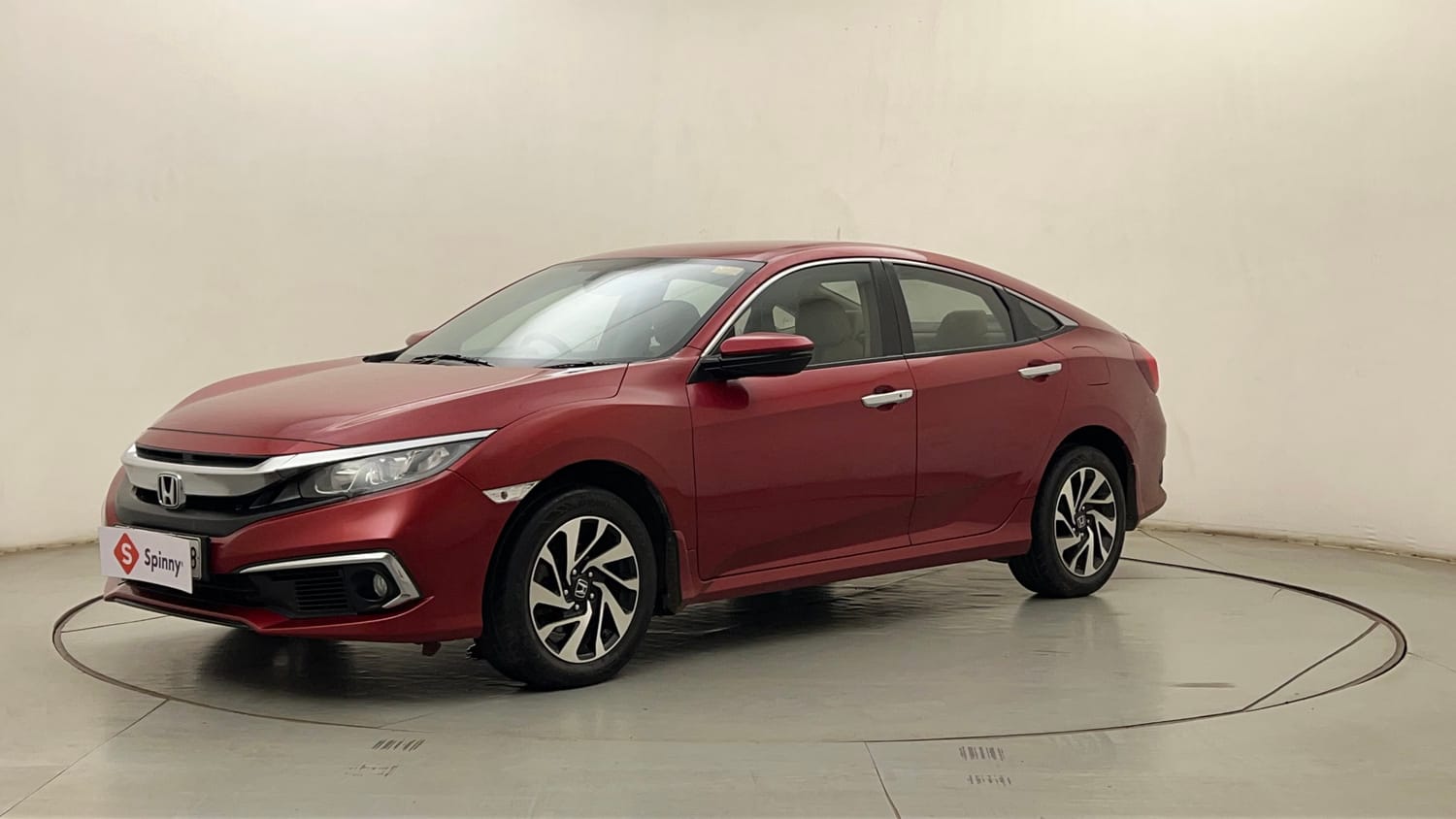
Honda equips its i-VTEC engines in a wide range of models, including the Honda City, Civic, WR-V, CR-V, and Accord. This technology ensures that each model delivers a seamless blend of smooth power, fuel efficiency, and a refined driving experience.
Q. Is the i-VTEC engine reliable for long-term use?
Yes. The i-VTEC engine is known for its durability and low maintenance needs. Honda’s precise engineering ensures long-term reliability, consistent performance, and minimal wear, making it a dependable choice for daily commuting and long-distance drives alike.
Q. How is i-VTEC different from regular VTEC?
While VTEC focuses on enhancing high-RPM performance, i-VTEC adds intelligence by adjusting valve timing across all RPMs. This results in better fuel efficiency, smoother power delivery, and improved emissions, making i-VTEC more versatile and eco-friendly than traditional VTEC engines.
Q. Do i-VTEC engines require special care?
They do not require special upkeep, but routine servicing, decent engine oil, and good fuel are essential. With i-VTEC utilising oil pressure for its mechanism, skipping oil changes or using low-quality oil can lead to problems.
Important Links
7 Seater Cars | Best Mileage Cars | Used Cars In Bangalore | Used Cars In Delhi | Hybrid Cars in India | Sunroof Cars | Used Cars In Gurgaon | Used Cars In Hyderabad | Used Cars In Noida | Used Cars In Pune | CNG Cars in India | Jeeps in India | Used Cars In Mumbai | Used Cars In Ahmedabad | Types of Cars | Car Brands in India | Used Cars In Chennai | Used Cars In Kolkata | Used Cars in Lucknow | Automatic Cars in India | Luxury Cars in India | Used Cars in Chandigarh | Used Cars in Coimbatore | Used Cars in Indore | Used Cars in Jaipur


Thank you For Sharing Very Useful Infomation.