September 2026 promises to be a crucial month as various new cars and their much-needed facelifts are likely to enter the Indian automotive market. New launches and updates that are expected to arrive in September 2026 include Kia’s new flagship ICE SUV, the facelifted Maruti Suzuki Baleno, the updated BMW 7 Series and i7, and the Skoda Superb. The month will conclude with the physical display of the Porsche Cayenne Electric.
Here is a list of all the cars that are speculated to be launched this month in India, along with the expectations for the same.
Upcoming Cars in September 2026
| Car | Expected Launch Date | Expected Price |
| Kia Sorento | September 4, 2026 | Rs 25 lakh |
| Maruti Suzuki Baleno facelift | September 5, 2026 | Rs 6.80 lakh |
| BMW 7 Series and i7 facelifts | September 11, 2026 | Rs 1.80 crore / Rs 2.10 crore |
| Skoda Superb 2026 | September 18, 2026 | Rs 50 lakh |
| Porsche Cayenne Electric | September 30, 2026 | Rs 1.77 crore onwards |
Kia Sorento
Launch date: September 4, 2026
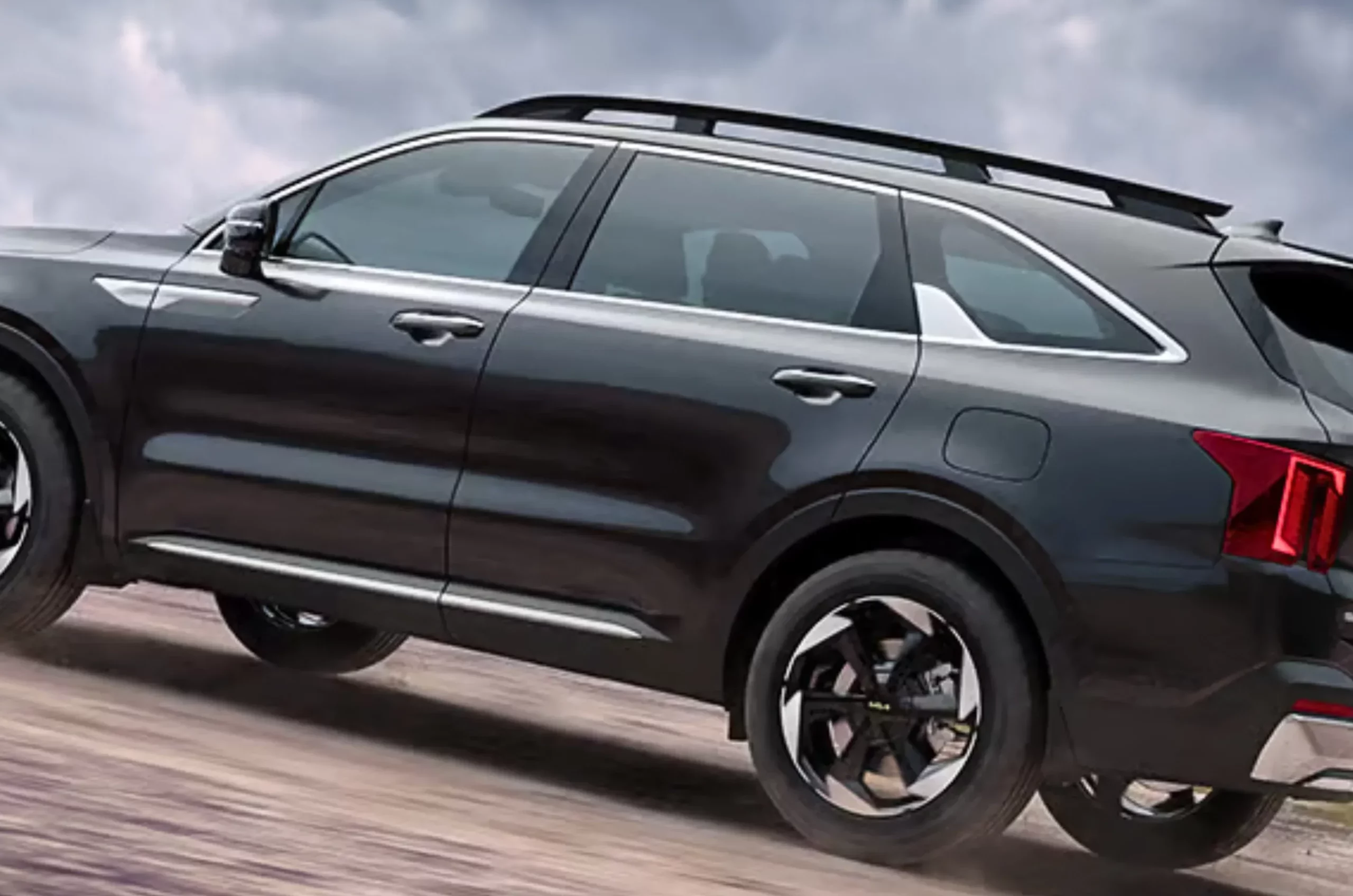
The Kia Sorento is set to launch this September and will become the brand’s new flagship Internal Combustion Engine (ICE) model in India. Kia is expected to offer the SUV with two powertrain options, including a 1.6-litre strong-hybrid and a 2.0-litre diesel. The hybrid powertrain produces 238hp and 380Nm, while the diesel engine develops 202hp and 441Nm.
The Sorento follows Kia’s latest design language, with the brand’s signature Tiger Nose grille positioned between large vertical LED headlights, while the front-end design is further complemented by Y-shaped LED daytime running lights, LED fog lamps and vertical aero vents. Although Kia has not revealed the alloy wheel size yet, the wheels are likely to be 19-inch units.
The design continues towards the rear with squarish tail-lamps featuring an inverted L-shaped LED signature, and a large roof spoiler and two-tone bumper complete the SUV’s exterior styling.
Inside, the Sorento features a connected display system for the infotainment system and instrument cluster. Kia has not revealed the exact screen sizes, although both are expected to measure 12.3 inches. The cabin will also feature ADAS, ventilated front seats, a digital interior rearview mirror, an electrically operated tailgate, dual-zone climate control, ambient lighting and a panoramic sunroof.
The Sorento is expected to be available with both six- and seven-seat layouts. Kia has already started accepting bookings for the SUV, which will compete with the Skoda Kodiaq, Volkswagen Tayron and Jeep Meridian.
Also Read: Performance Luxury Cars in India
Maruti Suzuki Baleno Facelift
Launch date: September 5, 2026
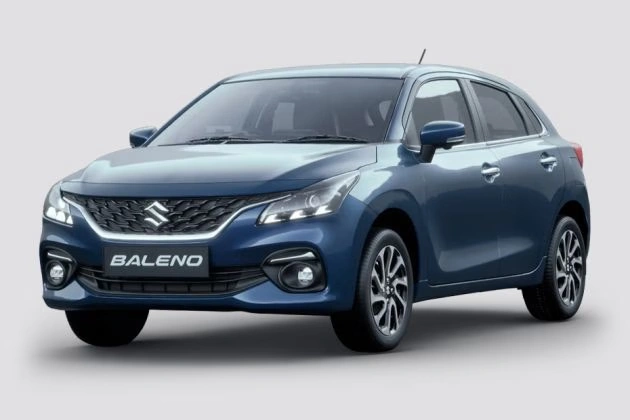
The Maruti Suzuki Baleno will follow the Sorento just a day later with a facelift. The current-generation Baleno was launched in 2022, and the upcoming update is expected to bring changes to its exterior along with some updates inside the cabin.
Based on previous spy shots, the front-end could receive the most noticeable changes. The facelift is expected to feature a new grille with a horizontal bar connecting the headlights, while the bumper could also be redesigned. Test mules have been seen without the front fog lamps available on the current model.
The changes are expected to be more limited towards the sides, where the Baleno could get a new alloy wheel design. At the rear, the bumper could be redesigned, while the existing tail-lamps are likely to remain unchanged.
The cabin is expected to retain the current 9-inch touchscreen, although the facelift could bring updated upholstery and new features. Mechanically, the Baleno is expected to continue with its existing powertrain options.
The petrol version uses a 90hp 1.2-litre naturally aspirated petrol engine, which is available with a 5-speed manual and 5-speed AMT. The CNG version produces 77.5hp and is offered only with a manual gearbox.
BMW 7 Series and i7 Facelifts
Launch date: September 11, 2026
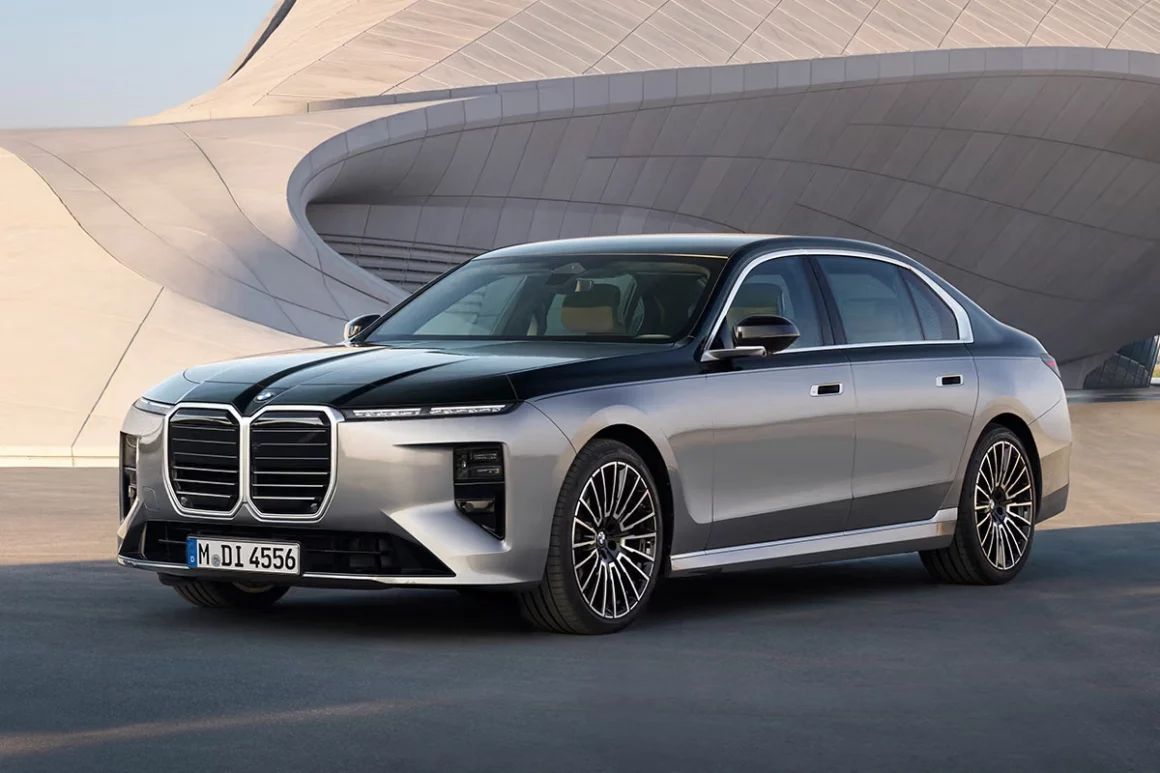
BMW will bring its updated flagship sedans to India in the middle of September, with the facelifted 7 Series and i7 scheduled to arrive on September 11. Bookings for both models were opened on August 1 following their global debut earlier this year.
The updated versions receive changes across their design, cabin, technology and powertrains. BMW currently sells the 740i petrol and 740d diesel versions of the 7 Series in India, while the i7 is offered in eDrive 50 and M70 xDrive forms. However, the exact variant lineup for the updated models has not yet been confirmed.
For the 7 Series, the facelifted 740i and 740d continue to use 3.0-litre straight-six engines in international markets. The 740i now produces 400hp and 580Nm, while the 740d develops 313hp and 670Nm. Both versions continue to feature 48V mild-hybrid technology, an 8-speed automatic gearbox and BMW’s xDrive all-wheel-drive system.
The exterior has also been given a more monolithic appearance. The updated models feature new split LED headlights along with slimmer and more upright kidney grilles surrounded by illuminated elements. Larger bumper air intakes add to the revised front-end design, while changes at the rear include new wraparound LED tail-lamps, a redesigned tailgate and a revised bumper.
The biggest changes inside are centred around technology. The dashboard now features a 17.9-inch infotainment touchscreen, a 14.6-inch passenger display and BMW’s pillar-to-pillar Panoramic Vision display at the base of the windscreen. The steering wheel has also been redesigned as a four-spoke unit, while the centre console and transmission tunnel receive updates.
BMW continues to focus heavily on rear-seat comfort, with powered rear seats offering heating, ventilation, massage and lumbar support. Rear passengers can also use the 31.3-inch 8K Theatre Screen, which can now be operated by touch. The cabin further gets ambient lighting, a Bowers & Wilkins surround sound system and four-zone climate control.
The all-electric i7 receives similar design and interior updates but also gets changes to its battery and powertrain. Both variants now use a larger 112.4kWh battery, compared with the earlier 101.7kWh unit. The lower 50 trim now comes only with xDrive all-wheel drive and produces 455hp and 660Nm, while the M70 xDrive develops 680hp and 1,100Nm. Charging speeds have also been improved.
Skoda Superb 2026
Expected launch date: September 18, 2026
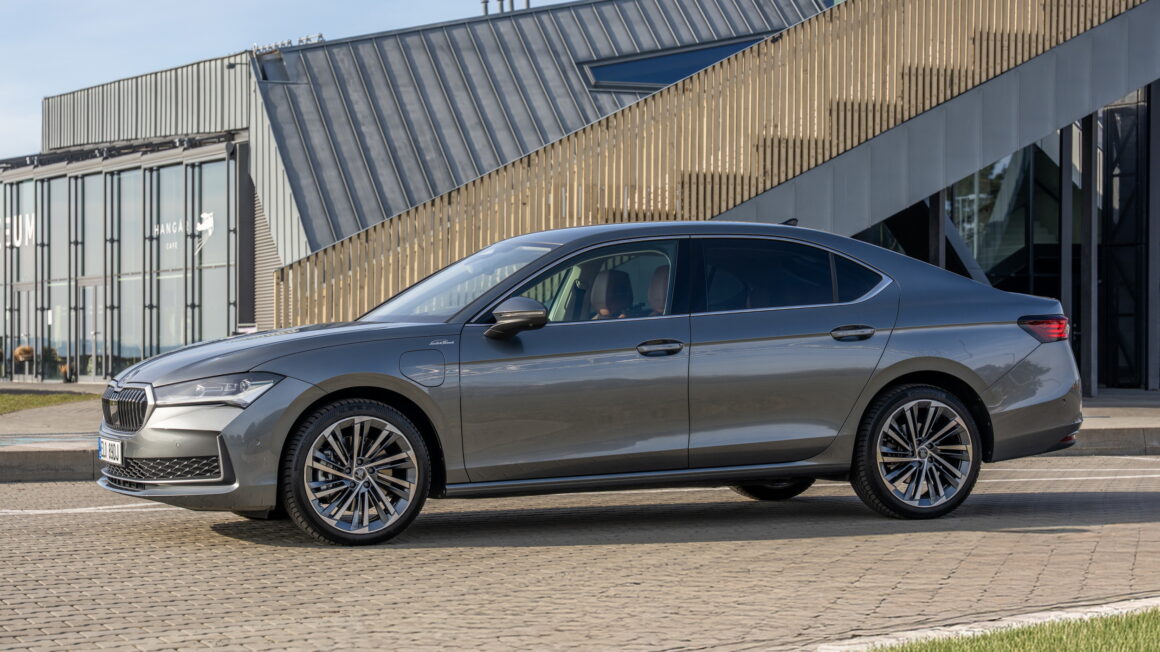
The Skoda Superb 2026 is expected to join the September launch list on September 18, with an estimated price of Rs 50 lakh. The premium sedan has already been revealed in India and is expected to be offered with a diesel engine and an automatic transmission.
The Superb 2026 is listed with a 1,968cc diesel engine producing 148bhp and 360Nm, with an automatic gearbox. The model is expected to be available in multiple variants, while a 2.0-litre turbo-petrol engine with a 7-speed direct-shift gearbox is also mentioned as a possible powertrain setup.
The new Superb brings changes to the design while focusing on a more luxurious cabin experience. Among the features highlighted for the model are ventilated seats with a massage function, a new floating 13-inch touchscreen infotainment system and Level-2 ADAS.
Porsche Cayenne Electric
Debut: September 30, 2026
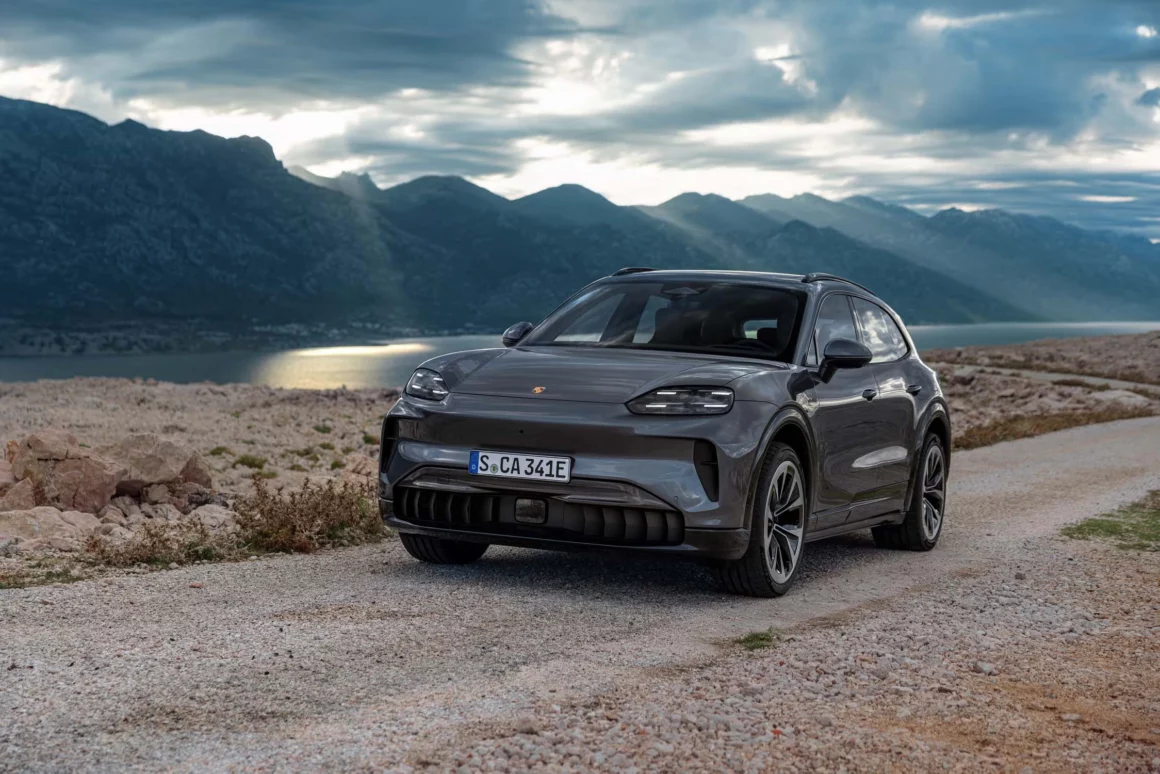
September will conclude with the physical showcase of the Porsche Cayenne Electric. Porsche had already announced the prices for the electric SUV, with the standard Cayenne Electric priced at Rs 1.77 crore and the Cayenne Turbo Electric priced at Rs 2.27 crore, both ex-showroom.
Both versions use a 113kWh battery and a dual-motor all-wheel-drive system. The Turbo Electric is the more powerful version, producing up to 1,156hp and 1,500Nm with Launch Control. It can accelerate from 0-100kph in 2.5 seconds and has an electronically limited top speed of 260kph. Its claimed WLTP range stands at 537km.
The standard Cayenne Electric produces 442hp and 835Nm with Launch Control. It takes 4.8 seconds to accelerate from 0-100kph, while its top speed is electronically limited to 230kph. Its claimed WLTP range is slightly higher at 542km.
While the electric Cayenne retains the overall shape of the ICE-powered model, its front-end design has been adapted for its electric powertrain. It gets a closed-off grille along with two air vents on either side of the bumper, which help cool the battery and electrical components. These vents are larger on the Turbo variant.
The rear features a full-width LED light bar with illuminated Porsche lettering, while the bumper has been redesigned with horizontal black elements.
Inside, the Cayenne Electric gets a three-spoke steering wheel and a digital driver’s display. The centre of the dashboard is dominated by a new 14.5-inch curved touchscreen infotainment system, which flows into the centre console. Buyers can also opt for a 14.9-inch passenger display.
The feature list includes 8-way electrically adjustable front seats, four-zone automatic climate control, ventilated front seats, a panoramic sunroof and wireless phone charging.\
Also Read: Top Luxury Car Brands in India: Best Premium Automakers
Upcoming Car Launches in September 2026: Conclusion
September 2026 will bring a varied mix of new cars and updates to the Indian market. The month begins with the Kia Sorento, followed by the Maruti Suzuki Baleno facelift and then the updated BMW 7 Series and i7.
The second half of the month will bring an important Skoda sedan, the Superb 2026 which is expected on September 18. The month will then conclude with the physical showcase of the Porsche Cayenne Electric.
With these models covering everything from premium hatchbacks and sedans to flagship luxury cars and electric performance SUVs, September is expected to be a busy month for new car launches in India.