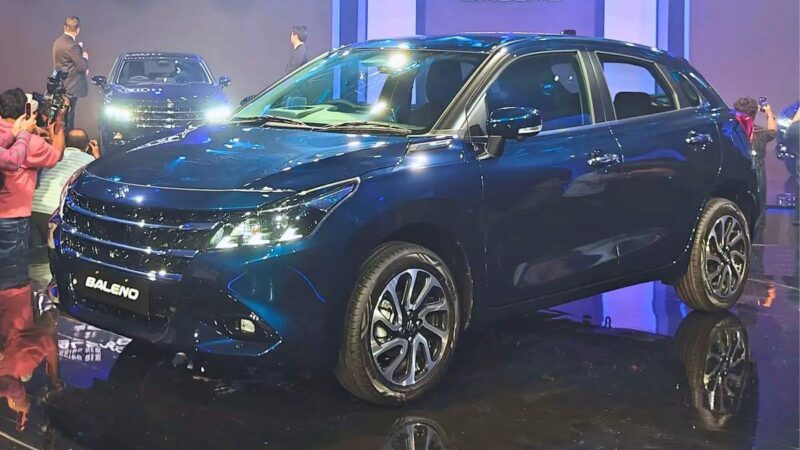

The Tata Punch and Nissan Magnite are two compact SUVs that provide several petrol and CNG options for cost-conscious customers seeking economical driving solutions. The 2026 Tata Punch achieves around 20.09 km/l with petrol and 26.99 km/kg with CNG, while the Nissan Magnite can manage 19.9 km/l with the turbo-petrol manual. So, which model fares better on Indian roads in terms of fuel efficiency?
The Punch was originally launched in India in 2021 and received a major facelift in January 2026. Its current range includes a 1.2-litre naturally aspirated petrol, a new 1.2-litre turbo-petrol and factory-fitted CNG, including a CNG-AMT combination. The Magnite arrived in 2020 and received its facelift in 2024. It offers 1.0-litre naturally aspirated and turbo-petrol engines, while CNG is available through an authorised retrofit kit.
Both vehicles may look highly efficient on paper, but actual figures depend on engine and transmission. Specifications, claimed figures, verified mileage and fuel expenses must be considered for an adequate comparison.
Table of Contents
Tata Punch vs Nissan Magnite Specs
The Punch uses larger 1.2-litre engines across its petrol and CNG range, while the Magnite relies on lighter 1.0-litre units. The Nissan is also lighter overall, which helps reduce the amount of energy required during acceleration and contributes to its surprisingly competitive turbo-petrol mileage.
Choosing the transmission type is also essential. The Punch boasts a basic 5-speed AMT paired with its naturally aspirated petrol and CNG engines, whereas the Magnite uses an AMT with the corresponding engine and a more advanced CVT with the turbo-petrol motor. The turbo version of the Punch can only come with a manual gearbox at the moment.
| Specification | Tata Punch | Nissan Magnite |
| Engine | 1.2L NA petrol / 1.2L turbo-petrol / 1.2L CNG | 1.0L NA petrol / 1.0L turbo-petrol / retrofit CNG |
| Displacement | 1,199cc | 999cc |
| Power | 87.8hp NA / 120hp turbo / ~73.4hp CNG | 72PS NA / 100PS turbo |
| Torque | 115Nm NA / 170Nm turbo / 103Nm CNG | 96Nm NA / 160Nm turbo MT / 152Nm turbo CVT |
| Transmission | 5MT / 5AMT / 6MT turbo | 5MT / 5AMT / CVT |
| Drive layout | FWD | FWD |
| Kerb weight | Up to around 1,181kg depending on version | Approx. 1,019–1,103kg |
| Fuel tank capacity | 37 litres petrol | 40 litres petrol |
One key difference relates to CNG. Tata incorporates the CNG system right in the manufacturing process, which also includes its twin-cylinder design. In contrast, the Magnite relies on a retrofit CNG solution approved by the government and adapted via authorized centers. This difference also plays a role in how confidently the official fuel consumption can be compared.
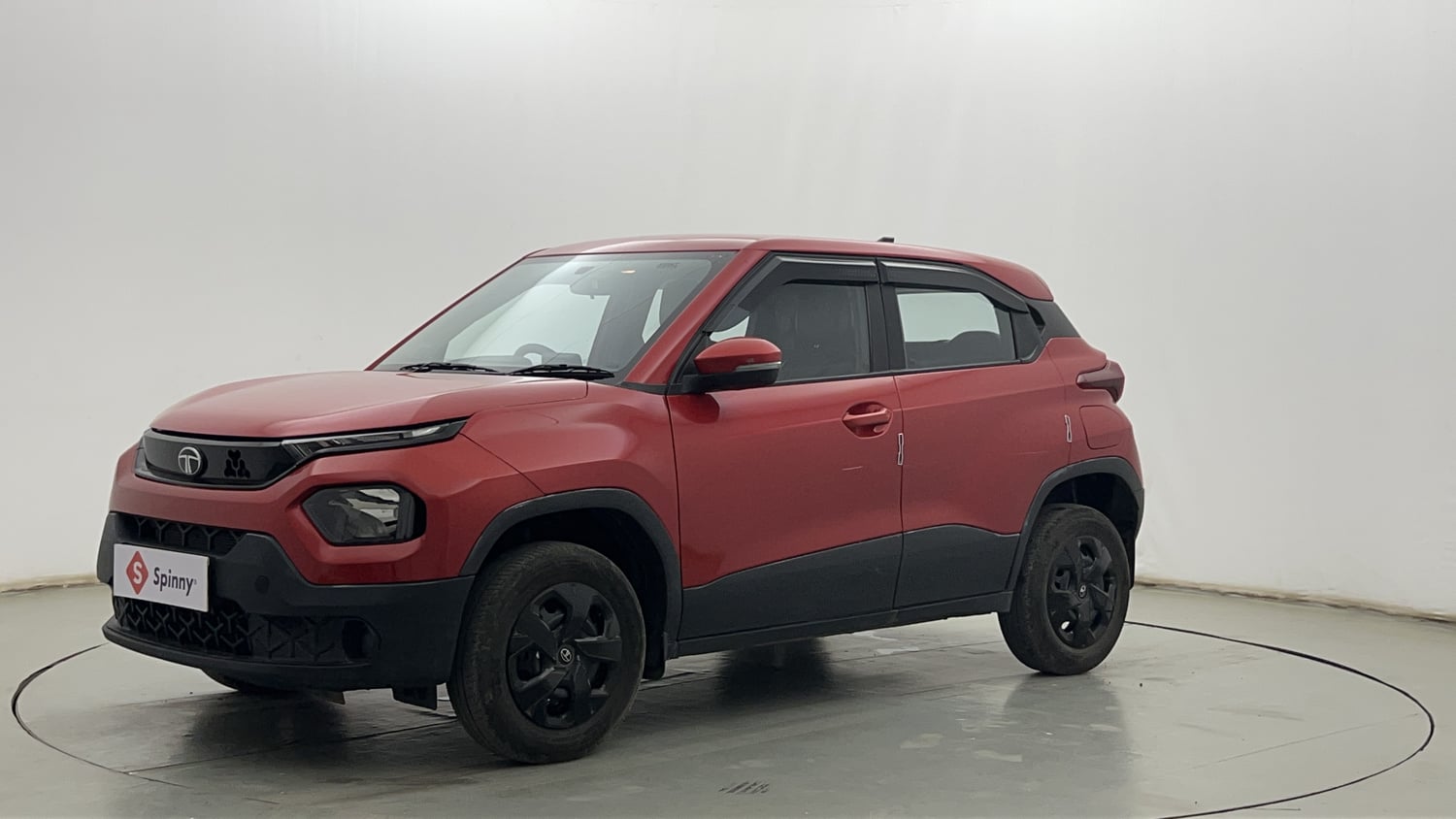
Tata Punch vs Nissan Magnite ARAI Mileage Figures
The naturally aspirated Punch petrol manual is rated at 20.09 km/l, while the AMT delivers 18.8 km/l. The factory CNG version claims up to 26.99 km/kg. A separate certified figure for the new 120hp turbo-petrol Punch is not consistently available, so it is better not to apply the naturally aspirated engine’s mileage to it.
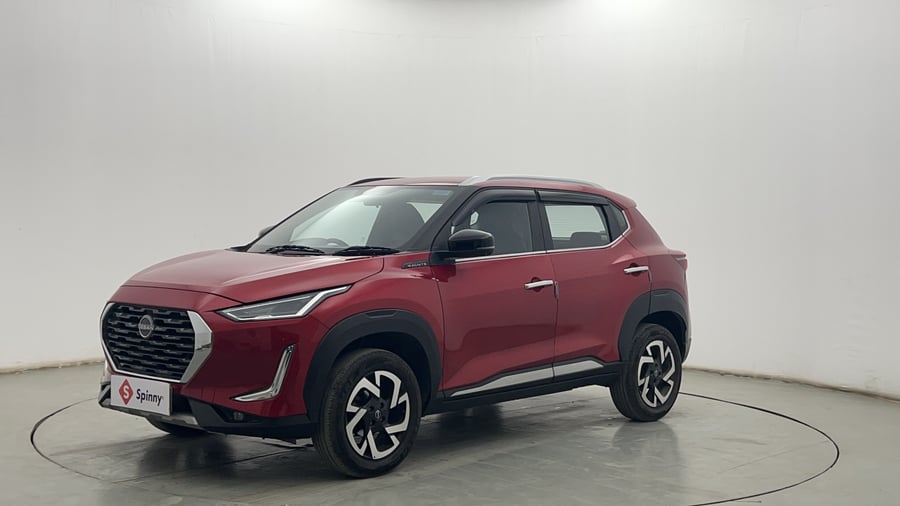
The official figures of the Magnite in terms of petrol vary from 17.9 km/l to 19.9 km/l. On a curious note, the most fuel-efficient petrol version is the turbo-petrol manual, which boasts a claimed mileage of 19.9 km/l, whereas the turbo CVT version has the lowest claimed mileage of 17.9 km/l.
| Car | Engine & Transmission | Fuel Type | ARAI Mileage |
| Tata Punch | 1.2L NA, 5MT | Petrol | 20.09 km/l |
| Tata Punch | 1.2L NA, 5AMT | Petrol | 18.8 km/l |
| Tata Punch | 1.2L CNG | CNG | Up to 26.99 km/kg |
| Tata Punch | 1.2L turbo, 6MT | Petrol | Separate figure not verified |
| Nissan Magnite | 1.0L NA, 5MT | Petrol | 19.4 km/l |
| Nissan Magnite | 1.0L NA, 5AMT | Petrol | 19.7 km/l |
| Nissan Magnite | 1.0L turbo, 5MT | Petrol | 19.9 km/l |
| Nissan Magnite | 1.0L turbo, CVT | Petrol | 17.9 km/l |
| Nissan Magnite | 1.0L NA with CNG retrofit | CNG | Official figure not published |
In terms of the petrol mileage claims, the two manual models seem to be very close to each other. Indeed, the Punch NA manual narrowly leads the Magnite Turbo MT with its efficiency of 20.09 km/l versus 19.9 km/l. However, everything changes after some real-life trials.
Also Read: Tata Nexon vs Nissan Magnite Real-World Mileage Comparison
Tata Punch vs Nissan Magnite Real-World Fuel Efficiency
The Punch naturally aspirated petrol manual has returned around 10.3 km/l in city conditions and 16.1 km/l on highways in instrumented testing. Its AMT performed slightly better, at approximately 10.7 km/l in the city and 16.9 km/l on the highway.
In terms of city mileage, the Magnite Turbo MT makes a definitive impression, scoring 12.8 km/l, and wrapping up with 16.1 km/l on the highway as well. With its city mileage advantage, the Magnite manages an average of about 14.45 km/l as opposed to the Punch Manual’s approximate reading of 13.2 km/l.
The automatic result swings towards Tata. The Magnite Turbo CVT returned around 9.5 km/l in the city and 15.22 km/l on highways, producing a combined average near 12.36 km/l. The Punch AMT’s approximately 13.8 km/l average therefore gives it the better-tested economy, although the Magnite CVT offers significantly stronger performance and smoother operation.
| Tata Punch MT | Tata Punch AMT | Nissan Magnite Turbo MT | Nissan Magnite Turbo CVT | |
| City | 10.3 km/l | 10.7 km/l | 12.8 km/l | 9.5 km/l |
| Highway | 16.1 km/l | 16.9 km/l | 16.1 km/l | 15.22 km/l |
| Average | ~13.2 km/l | ~13.8 km/l | ~14.45 km/l | ~12.36 km/l |
| Tank range | ~488 km | ~511 km | ~578 km | ~494 km |
The data makes it clear that the choice of transmission can impact fuel economy. The manual transmission on the Magnite means low weight, high gearing, and excellent performance within city limits. The CVT system of the vehicle focuses on smoothness as well as responsiveness but leads to somewhat lower fuel economy when stuck in traffic.
CNG Real-World Mileage
The Punch CNG has a much stronger real-world evidence base. Its manual version has returned approximately 20.7 km/kg in the city and 31 km/kg on the highway, resulting in a simple combined average of about 25.85 km/kg.
The CNG variant of the Magnite does not have any official claim for Nissan’s mileage, nor is there any test performed to measure efficiency on highways. However, based on the feedback from car owners, it appears that on average, the mileage can be expected to be around 20-21 km/kg in both city and highway driving.
| Tata Punch CNG | Nissan Magnite CNG | |
| City | 20.7 km/kg | Around 20–21 km/kg reported |
| Highway | 31 km/kg | Detailed tested figure unavailable |
| Average reference | ~25.85 km/kg | ~20.76 km/kg owner-reported |
| Tank range | Depends on CNG fill quantity | Depends on retrofit tank fill |
For buyers only concerned about fuel expense savings on a day-to-day basis, the Punch CNG has the highest performance score in this comparison.
Also Read: Nissan Magnite Mileage Comparison: Petrol vs Turbo Petrol
Tata Punch vs Nissan Magnite Fuel Cost Comparison
For this comparison, we have assumed 1,500 km of driving per month, equivalent to 18,000 km annually. Fuel prices are based on New Delhi rates on September 10, 2026, at approximately ₹102.12 per litre for petrol and ₹86.98 per kg for CNG.
The calculations use real-world combined mileage rather than ARAI claims.
Petrol Fuel Cost
| Punch MT | Punch AMT | Magnite Turbo MT | Magnite Turbo CVT | |
| Monthly Running | 1,500 km | 1,500 km | 1,500 km | 1,500 km |
| Monthly Fuel Use | 113.6 litres | 108.7 litres | 103.8 litres | 121.4 litres |
| Average Monthly Fuel Cost | ₹11,605 | ₹11,100 | ₹10,601 | ₹12,393 |
| Average Yearly Fuel Cost | ₹1.39 lakh | ₹1.33 lakh | ₹1.27 lakh | ₹1.49 lakh |
| 5-Year Fuel Cost | ₹6.96 lakh | ₹6.66 lakh | ₹6.36 lakh | ₹7.44 lakh |
Among the tested petrol configurations, the Magnite Turbo MT is the cheapest in terms of running costs,s which amount to around ₹10,600 a month. Compared to the Punch MT, it can save up to ₹12,000 a year on fuel, at the distance of 18,000 km annually.
Among the automatics represented by instrumented tests, the result reverses. The Punch AMT could save around ₹1,290 per month compared with the Magnite Turbo CVT, or roughly ₹15,500 per year. Over five years, the calculated difference reaches approximately ₹77,500.
Driving costs are also in the Punch’s favour when we compare the two cars in terms of their price among automatic cars. The Punch Accomplished petrol AMT comes at about ₹9.05 lakh while the Magnite Acenta Turbo CVT costs close to ₹9.26 lakh. Given that the Punch is around ₹21,000 cheaper and consumes less fuel, there is no break-even period for the Magnite. It has a clear advantage in the cost matter from the very beginning.
CNG Fuel Cost
For the CNG calculation, the Punch uses its approximately 25.85 km/kg tested average. The Magnite calculation uses the approximately 20.76 km/kg owner-reported reference and should therefore be treated as indicative rather than an instrumented comparison.
| Tata Punch CNG | Nissan Magnite CNG | |
| Monthly Running | 1,500 km | 1,500 km |
| Monthly CNG Use | 58.0 kg | 72.3 kg |
| Average Monthly Fuel Cost | ₹5,047 | ₹6,285 |
| Average Yearly Fuel Cost | ₹60,566 | ₹75,416 |
| 5-Year Fuel Cost | ₹3.03 lakh | ₹3.77 lakh |
Therefore, considering this mileage comparison, the Punch CNG will make the consumer save considerably on fuel costs, with monthly savings of approximately ₹1,240 and yearly, in fact, translating into ₹14,850 in savings in a year, which comes to about ₹74,000 over a period of five years.
The bigger advantage, though, is certainty. Tata’s CNG system is factory-integrated and has independently tested efficiency figures. The Magnite’s retrofit system can still make financial sense, but mileage can vary with installation, traffic, fill pressure and driving conditions.
Also Read: Tata Punch vs Tata Nexon Real World Mileage Comparison
Tata Punch vs Nissan Magnite Price
The Punch and the Magnite are priced closely too. As per the estimate given in September 2026, the Punch starts at ₹5.75 lakh and goes up to ₹10.77 lakh, while the Magnite ranges from ₹5.68 lakh to ₹10.99 lakh on-road.
| Model | Variant | Price (ex-showroom) |
| Tata Punch | Smart Petrol MT | ₹5.75 lakh |
| Tata Punch | Adventure Turbo MT | ₹8.47 lakh |
| Tata Punch | Accomplished Petrol AMT | ~₹9.05 lakh |
| Tata Punch | Accomplished+ S CNG AMT | ₹10.77 lakh |
| Nissan Magnite | Visia Petrol MT | ₹5.68 lakh |
| Nissan Magnite | N-Connecta Turbo MT | ₹8.77 lakh |
| Nissan Magnite | Acenta Turbo CVT | ₹9.26 lakh |
| Nissan Magnite | Tekna+ Turbo CVT | ₹10.99 lakh |
The Magnite may cost ₹7,000 less initially; however, the price of the top variants is comparable to the price of the Punch top variants. One also needs to take into account that if one plans to buy the Magnite CNG, the retrofit kit costs about ₹74,999, while in the case of the Punch CNG, it comes fully equipped with CNG.
Also Read: Complete Guide on Buying a Nissan Magnite
Summary
There is no single mileage winner across every Tata Punch and Nissan Magnite configuration.
Concerning petrol manual vehicles, the most prominent performance here was produced by the Magnite Turbo MT. It is capable of delivering an impressive fuel efficiency of about 12.8 km/l on city roads and 16. 1 km/l on highways. Because of its low weight, the model has an average fuel efficiency of approximately 14.45 km/l while being powered by a powerful version of an entry-level engine that is typically aspirated.
For automatic buyers, the Punch AMT has the advantage on tested economy. Its approximately 13.8 km/l combined figure beats the Magnite Turbo CVT’s roughly 12.36 km/l, although buyers should remember that the CVT offers a noticeably smoother and more powerful driving experience.
The best vehicle from the perspective of fuel consumption is undoubtedly the Tata Punch CNG version. With a result of 20.7 km/kg for cities and 31 km/kg for highways, this model can bring monthly fuel expenses to ₹5,000 when running 1,500 kilometres.
Overall, choose the Magnite Turbo MT if you want strong performance with impressive petrol-manual economy, the Punch AMT if automatic mileage matters more, and the Punch CNG if minimum running cost is the priority.
Related Reads: Comparison: Nissan Magnite vs Tata Punch
FAQs About Tata Punch vs Nissan Magnite Mileage Comparison
Q. Which has better mileage, the Tata Punch or Nissan Magnite?
It depends on the powertrain. In tested petrol-manual configurations, the Magnite Turbo MT averages around 14.45 km/l compared with approximately 13.2 km/l for the Punch petrol MT. The Punch CNG, however, offers substantially lower fuel costs.
Q. What is the real-world mileage of the Tata Punch petrol?
The Punch petrol manual has returned approximately 10.3 km/l in the city and 16.1 km/l on highways. The AMT returns around 10.7 km/l in the city and 16.9 km/l on highways.
Q. What is the real-world mileage of the Nissan Magnite?
The Magnite Turbo MT has returned around 12.8 km/l in the city and 16.1 km/l on highways. The Turbo CVT delivered approximately 9.5 km/l in the city and 15.22 km/l on highways.
Q. Which automatic has better mileage, Punch AMT or Magnite CVT?
Based on instrumented test figures, the Punch AMT is more efficient. Its combined average is approximately 13.8 km/l, compared with roughly 12.36 km/l for the Magnite Turbo CVT.
Q. Is Punch CNG more economical than Magnite CNG?
Based on currently available figures, yes. The Punch CNG has returned approximately 20.7 km/kg in city driving and 31 km/kg on highways. The Magnite CNG retrofit does not have an official Nissan mileage claim, although owner-reported figures of around 20–21 km/kg have been recorded.
Q. Which is cheaper, Tata Punch or Nissan Magnite?
The Magnite currently has the slightly lower starting price at approximately ₹5.68 lakh, compared with around ₹5.75 lakh for the Punch. Their higher variants overlap closely, so engine, transmission and fuel type have a greater impact on overall ownership cost than the small difference in starting price.