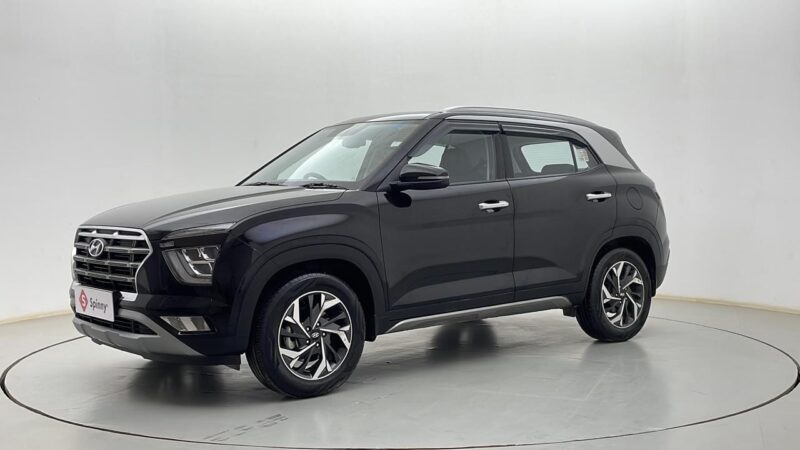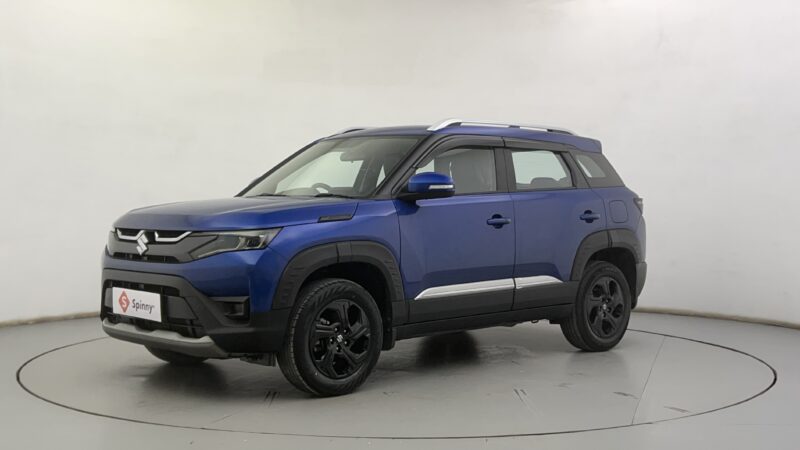
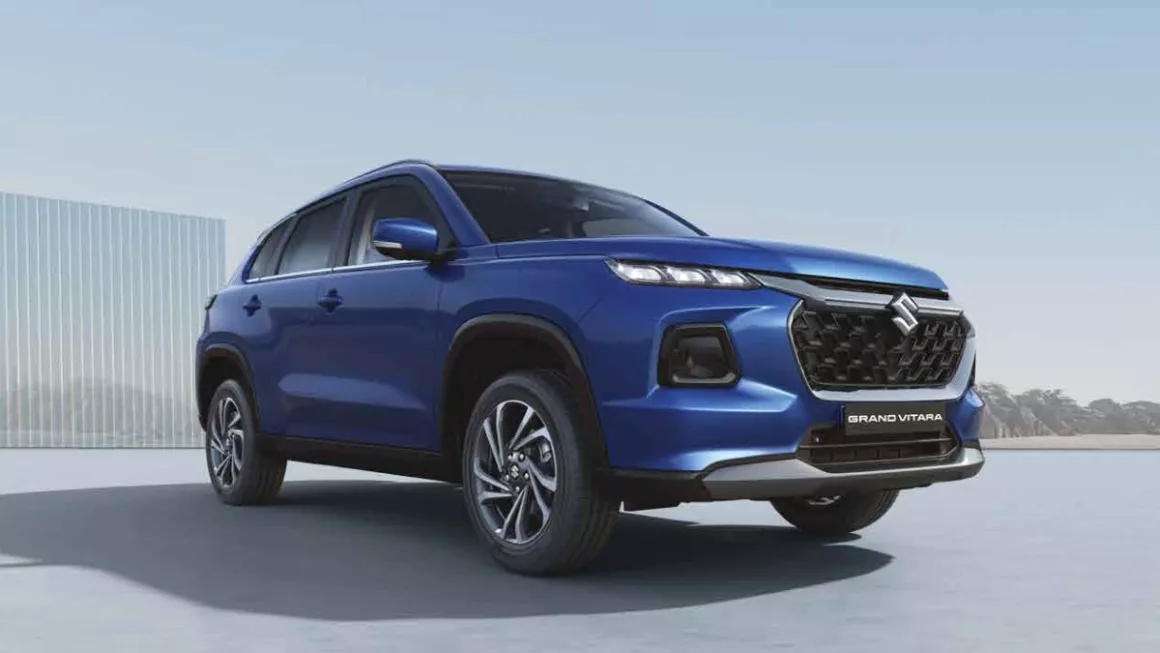
The Maruti Victoris and Maruti Grand Vitara are comparable mid-sized SUVs that utilise the same engine technologies. Both vehicles are equipped with a 1.5-litre smart-hybrid petrol engine, a 1.5-litre strong hybrid technology, a factory-installed CNG option, and an ALLGRIP version for those who want four-wheel drive. The Victoris brand is marketed through the Arena dealership and the Grand Vitara through the NEXA range.
Since their engines and transmissions are similar, the official mileage differences are small. This comparison examines their ARAI and real-world mileage, driving range, fuel costs, and prices to determine which SUV is more economical.
Maruti Victoris vs Maruti Grand Vitara Specs
The following table compares the specifications that have the greatest influence on mileage:
| Specification | Maruti Victoris | Maruti Grand Vitara |
| Engine options | 1.5-litre smart-hybrid petrol; 1.5-litre petrol+CNG; 1.5-litre strong hybrid | 1.5-litre smart-hybrid petrol; 1.5-litre petrol+CNG; 1.5-litre strong hybrid |
| Displacement | Petrol/CNG: 1,462 cc; strong hybrid: 1,490 cc | Petrol/CNG: 1,462 cc; strong hybrid: 1,490 cc |
| Petrol power | 103.06 PS | 103.06 PS |
| Petrol torque | 139 Nm | 139 Nm |
| Strong-hybrid output | 115.56 PS combined system output | 115.56 PS combined system output |
| CNG output | 87.8 PS and 121.5 Nm | Approximately 88 PS and 121.5 Nm |
| Transmission | 5-speed MT; 6-speed AT; e-CVT | 5-speed MT; 6-speed AT; e-CVT |
| Drive layout | FWD; ALLGRIP AWD with petrol AT | FWD; ALLGRIP AWD with petrol AT |
| Kerb weight | 1,145–1,305 kg | 1,140–1,285 kg |
| Petrol tank | 45 litres | 45 litres |
| CNG cylinder | 55 litres water equivalent | 55 litres water equivalent |
With respect to the strong-hybrid vehicles, both utilise the same engine: the K15C four-cylinder engine. The strong-hybrid vehicles rely on the petrol engine using the Atkinson cycle and utilise the same engine along with an electric motor for better performance and e-CVT functionality. The petrol engine can produce around 92.45 PS, while the total system generates around 115.56 PS.
The two hybrid systems operate differently. Smart-hybrid technology assists the engine, enables automatic start-stop, and recovers energy during deceleration. The strong hybrid can use electric, petrol, or combined power, which explains its higher certified and city mileage.
In terms of dimensions, both SUVs have a 2600mm wheelbase and a 45-litre petrol tank capacity. For the CNG Victoris, the CNG cylinder is placed under the vehicle, whereas for the Grand Vitara, it is placed inside the boot. In terms of fuel economy, these differences do not significantly affect mileage.
Maruti Victoris vs Maruti Grand Vitara: ARAI Mileage Figures
The certified mileage figures show a small but consistent Victoris advantage in most front-wheel-drive configurations. The exception is the AWD automatic, where the Grand Vitara is marginally more efficient.
| Engine and Transmission | Fuel Type | Victoris ARAI Mileage | Grand Vitara ARAI Mileage |
| 1.5-litre smart-hybrid MT, FWD | Petrol | 21.18 km/l | 21.11 km/l |
| 1.5-litre smart-hybrid AT, FWD | Petrol | 21.06 km/l | 20.58 km/l |
| 1.5-litre smart-hybrid AT, AWD | Petrol | 19.07 km/l | 19.20 km/l |
| 1.5-litre strong hybrid e-CVT, FWD | Petrol-hybrid | 28.65 km/l | 27.97 km/l |
| 1.5-litre CNG MT, FWD | Petrol+CNG | 27.02 km/kg | 26.60 km/kg |
The Victoris leads the strong hybrid and petrol auto comparisons by 0.68 and 0.48 km/l, respectively. However, since the difference for manual runs is only 0.07 km/l, it can easily disappear in real-life traffic.
The Grand Vitara’s current AWD automatic figure is 19.20 km/l. Some older comparisons list 19.38 km/l, but that figure relates to the earlier manual-AWD configuration. For a current comparison, the 19.20 km/l automatic-AWD figure is the relevant one.
Also Read: Complete Guide to Maruti Grand Vitara Variants: Which One Should You Buy?
Maruti Victoris vs Maruti Grand Vitara: Real World Fuel-Efficiency
Since various tests used different environmental conditions, such as speed and temperature, the numbers below represent a range rather than direct comparison results.
Smart-Hybrid Petrol Mileage
| Driving Condition | Maruti Victoris Smart Hybrid | Maruti Grand Vitara Smart Hybrid |
| City | FWD: approximately 13–17 km/l; AWD AT tests: 8.9–14.8 km/l | MT: approximately 15–17 km/l; AT: approximately 11.6–15 km/l |
| Highway | FWD: approximately 18–21 km/l; AWD AT tests: 14.6–20.2 km/l | MT: approximately 18–20 km/l; AT: approximately 15.3–18 km/l |
| Mixed average | FWD: approximately 15–18 km/l; AWD AT: 11.8–16.1 km/l | MT: approximately 16–18 km/l; AT: approximately 13.5–16 km/l |
| Approximate petrol range | FWD: 675–810 km; AWD AT: 530–725 km | MT: 720–810 km; AT: 605–720 km |
Two tests of the Victoris AWD gave totally different outcomes. One test yielded 14.78 km/l in the city and 20.24 km/l on the highway, while another produced 8.93 km/l and 14.62 km/l. A lot of air conditioning contributed to the poor outcome.
The front-wheel-drive versions are more closely matched. A lightly driven Victoris’ automatic can cross 16 km/l in free-flowing conditions and 20 km/l on the highway. Grand Vitara manual owners report similar figures, while the automatic loses efficiency in dense traffic. Short commutes also return lower mileage because the engine repeatedly accelerates from rest and spends more time warming up.
Strong-Hybrid Mileage
| Driving Condition | Maruti Victoris Strong Hybrid | Maruti Grand Vitara Strong Hybrid |
| City | Approximately 21–24 km/l | Approximately 20–24 km/l |
| Highway | Approximately 15–23 km/l, depending heavily on speed and load | Approximately 20–23 km/l |
| Mixed average | Approximately 20–23 km/l | Approximately 20–23 km/l |
| Approximate petrol range | 900–1,035 km | 900–1,035 km |
A mixed run of the strong hybrid of the Victoris gave 21.28 km/l. Fuel economy dropped to 14.7 km/l after 5 passengers and air conditioning were turned on, at highway speeds of 90-100 km/h. The economy-oriented run at 60-65 km/h with the air conditioning turned off yielded 27.2 km/l.
The Grand Vitara strong hybrid returned 23.77 km/l in a controlled city test and 20.39 km/l on the highway, averaging 22.08 km/l. Regenerative braking helps in the city, while sustained highway speeds make the petrol engine run more frequently.
CNG Mileage
| Driving Condition | Maruti Victoris CNG | Maruti Grand Vitara CNG |
| City | Around 18 km/kg | Approximately 18–21 km/kg |
| Highway | Around 26 km/kg | Approximately 20–24 km/kg |
| Mixed average | Approximately 21–22 km/kg | Approximately 18–22 km/kg |
| Approximate CNG-only range | Around 180 km | Around 145–190 km |
The Victoris CNG achieves its best fuel consumption only at high highway speeds, with traffic constraining its city consumption. The 55-litre cylinder generally holds between 7.4 and 8.0 kg of gas, implying that the CNG-only range is much lower than the petrol range for hybrids.
Grand Vitara CNG mileage also varies with filling pressure, temperature, traffic, and load. It can match the Victoris under favourable conditions, although the Victoris has the higher official figure.
Both can automatically switch to petrol after the CNG tank is empty, so the total usable range is greater than the CNG-only figure shown above.
Also Read:
Maruti Victoris vs Maruti Grand Vitara: Fuel Cost Comparison
The following calculation assumes monthly driving of 1,500 km. Petrol has been valued at ₹112.02 per litre and CNG at ₹95.75 per kg in Pune. Because real-world mileage varies, we used representative mixed figures instead of the best result recorded in any test.
| Powertrain | Victoris Mileage Used | Victoris Monthly Cost | Victoris Five-Year Cost | Grand Vitara Mileage Used | Grand Vitara Monthly Cost | Grand Vitara Five-Year Cost |
| Smart-hybrid petrol | 16 km/l | ₹10,502 | ₹6.30 lakh | 15 km/l | ₹11,202 | ₹6.72 lakh |
| Strong hybrid | 22 km/l | ₹7,638 | ₹4.58 lakh | 22 km/l | ₹7,638 | ₹4.58 lakh |
| CNG | 21.5 km/kg | ₹6,680 | ₹4.01 lakh | 20 km/kg | ₹7,181 | ₹4.31 lakh |
The charges mentioned above are indicative. Charges may be lower on open roads than during city drives. Hybrid vehicles provide savings of approximately ₹3000-₹3500 per month compared with normal petrol vehicles. Although the estimated bill is lowest for CNG, it would require more refuelling.
The five-year estimates cover 90,000 km and only include fuel. Service expenses, insurance, tyres, finance costs, and differences in resale value are excluded. Local fuel-price changes will also alter the final amount, although the relative cost order is likely to remain similar.
The time to recoup the price premium of hybrid/CNG vehicles can vary by variant, annual running time, local fuel prices, and ownership period. Strong hybrids are good for city driving without worrying about CNG availability. CNG vehicles help reduce fuel costs for long-distance running and where CNG is easily available. Moderate runners can afford to choose cheaper smart hybrids at a lower cost.
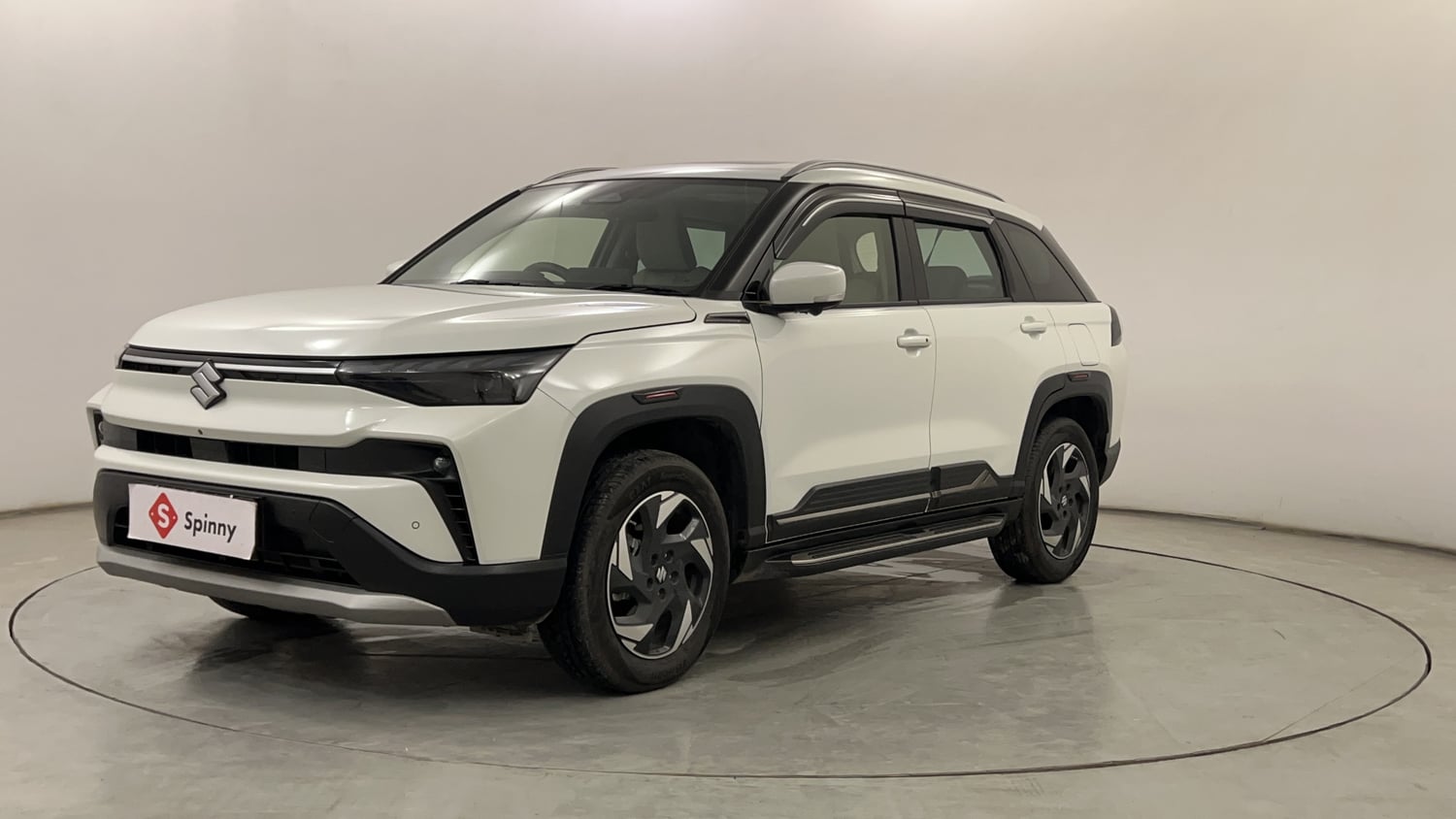
Maruti Victoris vs Maruti Grand Vitara Price
| Model | Variants from Base to Top | Price, Ex-Showroom |
| Maruti Victoris | LXI to ZXI+ (O) | ₹10.50 lakh–₹19.99 lakh |
| Maruti Grand Vitara | Sigma to Alpha+ (O) | ₹10.77 lakh–₹19.72 lakh |
The price of the Victoris is around ₹27,000 less than the Grand Vitara, though the actual difference depends on the model. Costs do not include registration, insurance, accessories, and dealer discounts.
Summary
The Victoris has a small claimed-mileage advantage in its front-wheel-drive petrol, strong-hybrid, and CNG forms, while the Grand Vitara leads marginally with AWD. In real use, both are closely matched because they share their main powertrains. The strong hybrid is best suited to efficient city driving, while CNG offers the lowest estimated fuel cost. Overall, the chosen powertrain matters more than the badge.
Also Read: Maruti Suzuki Victoris Alternatives: Competitors of Maruti Suzuki Victoris
FAQs
Q. Maruti Victoris vs Maruti Grand Vitara: Which delivers better real-world mileage?
The two SUVs deliver broadly similar real-world mileage because they use the same core engines and transmissions. The Victoris has a small certified advantage in most front-wheel-drive versions, but everyday results depend more on traffic, speed, AC use, and driving style.
Q. What is the claimed mileage of the Maruti Victoris?
The Victoris claims 21.18 km/l with the petrol manual, 21.06 km/l with the FWD petrol automatic, 19.07 km/l with the AWD automatic, 28.65 km/l with the strong hybrid, and 27.02 km/kg with CNG.
Q. What is the claimed mileage of the Maruti Grand Vitara?
The Grand Vitara claims 21.11 km/l with the petrol manual, 20.58 km/l with the FWD automatic, 19.20 km/l with the AWD automatic, 27.97 km/l with the strong hybrid, and 26.60 km/kg with CNG.
Q. Which SUV is more fuel-efficient in city traffic?
The strong-hybrid versions are the most efficient petrol choices in city traffic. Both can return around 20–24 km/l under suitable conditions because low-speed electric operation and regenerative braking reduce petrol consumption.
Q. Which version has the lowest running cost?
The CNG versions have the lowest estimated fuel cost per kilometre. The Victoris CNG has a slightly higher certified figure and an underbody cylinder, while the strong hybrids offer a much longer driving range between fuel stops.