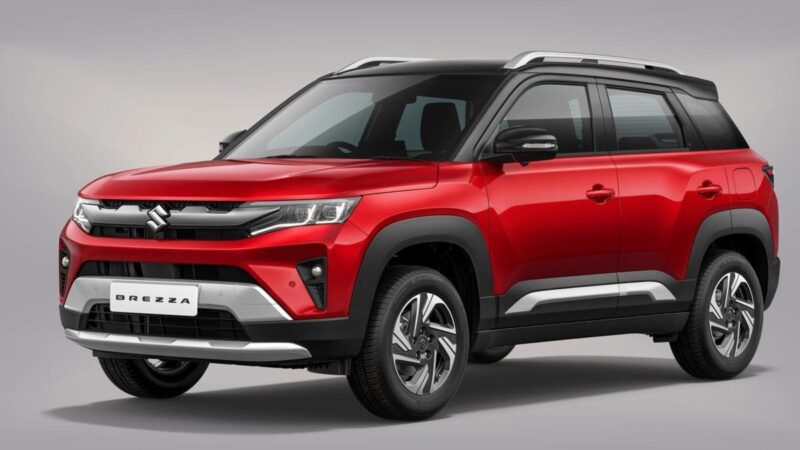
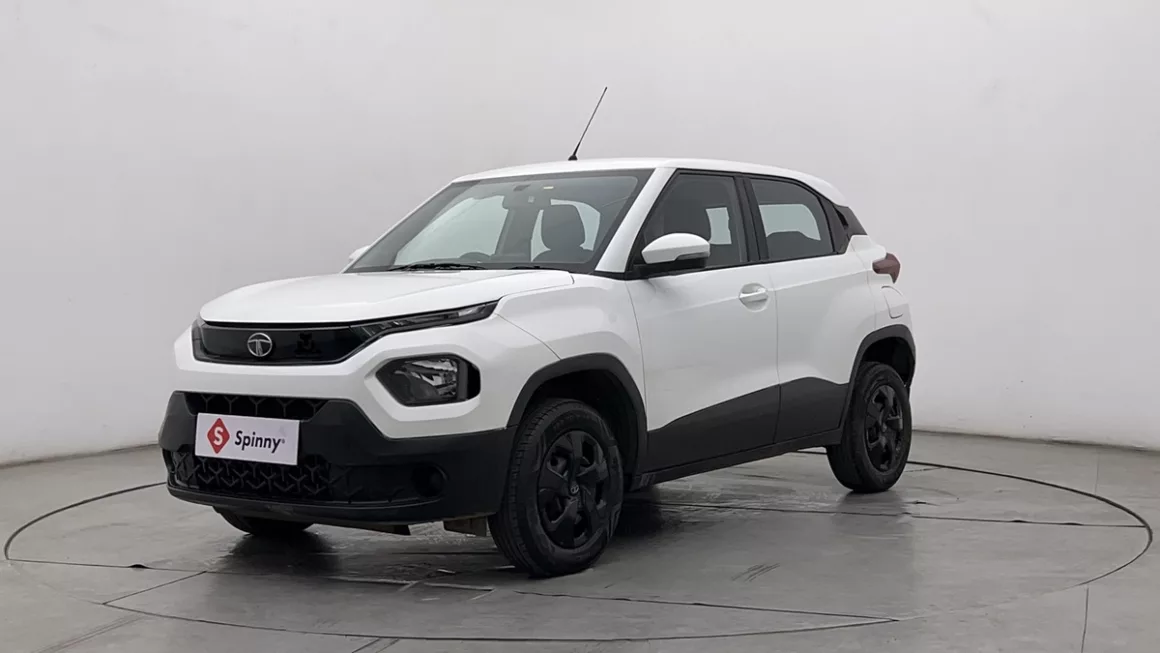
The Tata Punch is designed for urban users with its robust safety specifications, small form factor, and varied battery choices to meet user needs. The Tata Punch product page details a 40 kWh battery with a claimed ARAI range of 468 km, some of the quickest charging times available (20 to 80% charge in 26 minutes), and an unlimited warranty on the HV battery for life.
Reliability matters more in an EV than most people expect because the expensive parts are different. You’re not protecting a clutch or a gearbox rebuild anymore. You’re protecting the battery system, charging hardware, cooling performance, and the software stack that runs everything. Get those right, and long-term ownership is calmer, resale confidence improves, and performance stays consistent over time.
In this guide, we’ll talk about Tata Punch EV’s reliability, preventive maintenance, and early warning signs so the Punch EV stays dependable in harsh Indian conditions like heat, dust, and monsoons.
Understanding Tata Punch EV Reliability
Reliability in an EV is not the same as an ICE car. For instance, one of the most disruptive reality issues in an EV is not ‘my engine won’t start,’ it’s instead, ‘my car won’t charge.’
The Tata Punch EV is built on Tata’s acti.ev platform, which is engineered specifically for electric vehicles. That said, the Punch Electric has an inconsistent reputation for reliability among its owners, who praise its driveability and practicality, but have often reported troubles with charging.
In contrast, the Punch EV’s record for safety is currently very good, thus reinforcing reasonable impressions of its structural integrity as well. The Punch EV achieved a Bharat NCAP score of 31.46/32 for Adult Occupant Protection and a score of 45.00/49 for Child Occupant Protection, giving it a 5-star Bharat NCAP rating.
What this really means: the car’s fundamentals look solid, but day-to-day reliability hinges on charging consistency, electrical health, and software stability, plus the usual wear items like tyres and brakes.
Fuel Type and Tata Punch EV Reliability
As far as fuel goes, with an EV, it is about the battery size and how you charge that battery. The size of your battery and how often you charge it are defining elements of your overall ownership experience, as well as the potential for persistent problems.
Battery pack options and what they imply
Recent coverage of the updated Punch EV indicates 30 kWh and 40 kWh battery options, with ARAI-claimed ranges quoted as 365 km (30 kWh) and 468 km (40 kWh) in multiple sources.
In terms of reliability, this is not just about range. Having a larger battery means you can go longer between charges if you have the same usage pattern; this means you have fewer cycles of charging, which will make your EV ownership easier. However, just because you have a bigger battery does not mean that you will have fewer problems. Charging consistency, charger compatibility, and how hard you push fast charging are bigger factors in real-world conditions.
AC charging vs DC fast charging: the reliability trade-off
Specs and listings commonly cite a DC fast charge time of 26 minutes (20–80%) for the Punch EV. For the updated battery options, one variant breakdown reports 10–100% in 4.5 hours (30 kWh) and 5.3 hours (40 kWh) using a 7.2 kW AC charger.
What these numbers mean in terms of reliability:
- Charge your AC vehicle as often as possible on a standard electric supply; it is less abrupt, creates less heat from repeated fast-charging, and has less potential for “charger handshake drama.”
- DC fast charging should be used sparingly when required, such as on lengthy trips or tight schedules, but should not be part of your daily routine during peak summer temperatures.
Water and monsoons: EV-specific caution, not fear
According to a recent report, the new Punch EV can withstand a water depth of 450 mm. While this is a nice reference point in terms of reliability, it is still suggested to exercise caution. If you must drive through standing water, try not to drive fast; avoid puddles; and if the vehicle has submerged, have the vehicle checked for water intrusion.
Also Read: Should You Buy a Used Tata Punch EV
Transmission Type and Tata Punch EV Reliability
Compared to the petrol Punch, there are no manual or AMT choices available for the Tata Punch EV. The vehicle uses an electric motor coupled to a single-speed reduction gear. From the driver’s perspective, this is like driving an automatic. You put it in Drive or Reverse, and then the electric motor supplies the power directly without needing any shifting of gears.
Generally, fewer moving parts means improved reliability, because there is:
- No clutch assembly.
- No AMT actuator mechanism.
- No gear-shift calibration required.
- Fewer moving drivetrain components overall.
What Actually Matters More in the Punch EV
In an electric vehicle, the focus on maintaining reliability shifts from the gearbox to all of the surrounding components of the vehicle.
1. Tyres and Suspension
Electric motors produce torque instantly, which can lead to increased tyre wear and additional stress on the shock mounts, suspension and drivetrain components due to frequent full throttle accelerations. Gradually applying the throttle and building up speed helps to extend the lives of all these components over time.
2. Braking System
The Punch EV has regenerative brakes that help eliminate the need to use friction brakes more often than not during day-to-day use. While this will minimise how fast the brake pads wear down, it doesn’t mean that brake parts don’t need to be checked regularly, especially after driving in heavy rain or monsoon conditions, because moisture can reduce performance.
3. Software and Drive Calibration
Because power delivery and regen behaviour are software-controlled, ensuring firmware updates are applied during scheduled service helps maintain smooth and consistent operation.
In short, transmission reliability in the Punch EV isn’t about gearboxes. It’s about driving style, tyre care, brake health, and keeping the vehicle’s electronic systems properly maintained.
Preventive Maintenance Tips for Tata Punch EV
EV preventive maintenance isn’t complicated, but it’s specific. Here are some tips you can follow to ensure you get the most out of your Tata Punch EV:
1) Build a clean charging routine
Using AC power will provide stable charging at home & work. If the Punch EV qualifies for fast-charging (accepted at 20%-80% within 26 minutes), you should use this option sporadically.
If you have inconsistent issues with a specific charger & cable (e.g., cutting off before completing a charge / restarting while still plugged in), test with another charger or cable first; if the issues persist, it’s best to get it checked professionally.
2) Keep the charging port and seals clean
Dust and monsoon muck around the charge port can cause unreliable contact or latch/locking issues. Wipe the area clean, don’t blast high-pressure water directly into crevices, and ensure the port cover seals properly.
3) Take thermal performance seriously in Indian summers
EV reliability relates to heat management of the vehicle. If you notice degraded performance in an EV, slow charge times because of heat related to an EV’s operation, or if you observe a change in cooling characteristics, do not dismiss these as “EV behaviour.” While heat-related derating can be expected and normal, if sudden changes occur, it’s best to get it checked.
4) Treat tyres like a core system
Regularly check tyre pressure to maintain efficient driving and stability. Rotate, align and balance tyres according to the owner’s manual schedule (use Tata’s listings for your own unique model).
Watch for uneven wear and tear on tyres if you tend to drive with frequent, quick accelerations.
5) Brakes: regen doesn’t mean zero maintenance
Even if regen does most of the work, you still need periodic inspection for pad condition, rotor surface health, and smooth braking feel. After monsoons, be extra alert for vibration, noise, or inconsistent bite.
Also Read: Tata Punch EV: Price, Specifications, Features
Early Warning Signs of Reliability Issues
Here are Punch EV-specific signs that should trigger action sooner rather than later.
Charging doesn’t complete reliably
If the charging has stopped multiple times or if your car is only charging at small increments each time and then stops charging entirely, then this is not something you need to “live with”. You can potentially try a different charger, and if it doesn’t work, it’s recommended to get it checked by an expert as soon as possible.
Sudden, sustained range drop
Range varies with heat, traffic, and AC use. But if your typical usage suddenly starts delivering materially less range for similar routes and weather, check tyre pressure first, then look at thermal/charging behaviour and error logs.
Repeated error messages after rain or washing
If you have been seeing your warning messages frequently after severe weather events (heavy rains, major flooded areas or washouts), then it might be due to either moisture or connector sensitivity. Don’t ignore these messages, as these issues are likely to worsen over time if not taken care of.
Unusual fan noise or constant high fan operation
EV cooling fans can run more than people expect, especially in heat or during/after charging. But a new sound profile, constant aggressive fan behaviour, or performance limitations that feel new should be checked.
Brake feel changes (even if you mostly use regen)
Safety and reliability concerns include vibrations, grinding noise, longer stopping distances, and an inconsistent feel of brakes. Having a regenerative braking system does not help if your brake system needs repairs.
Summary
The Tata Punch EV has strong safety credentials, with Bharat NCAP scores listed at 31.46/32 (AOP) and 45.00/49 (COP). Recent reports also report 30 kWh and 40 kWh battery options with ARAI-claimed ranges like 365 km and 468 km, and a commonly cited fast-charging benchmark of 20–80% in 26 minutes.
Reliability when owning an electric vehicle is also influenced less by the physical components and more by developed daily habits. These include using your AC to charge daily (when available), keeping your charging equipment clean and your charging port clean, good thermal management, keeping your tyres and brakes within their guidelines, and making sure you are up-to-date with any software updates.
FAQs
Q. What battery options does the latest Tata Punch EV offer?
Most recent reports and listings cite 30 kWh and 40 kWh battery options.
Q. What is the claimed range for the Punch EV battery packs?
ARAI-claimed figures commonly reported include 365 km for the 30 kWh pack and 468 km for the 40 kWh pack.
Q. How fast can the Punch EV charge on DC fast charging?
Multiple listings cite 20–80% in 26 minutes as the fast-charging benchmark.
Q. What is a common reliability complaint to watch for in real ownership?
Charging reliability can be a pain point in most cases. It’s important to use the right cable while charging and ensure ideal conditions are met.
Q. What basic maintenance matters most for Punch EV reliability?
A steady charging routine (prefer AC when you can), keeping the charging port clean, monitoring cooling behaviour in summer, tyre care, brake inspections even with regen, and ensuring software updates/diagnostics are done during service visits.