



Electric vehicles (EVs) are becoming the future of transportation, providing an eco-friendly option without compromising on performance or looks. While buying an electric vehicle, the battery warranty is an important factor to consider.
A long battery warranty provides peace of mind to the EV owner, along with the manufacturer’s confidence in their product. From sleek sedans to rugged electric trucks, there are a number of car brands offering long battery warranties on their products.
List of EV Car Brands with the Longest Battery Warranty
While the battery warranty of an electric vehicle may vary depending on the car model and the manufacturer, a general comparison can provide a quick overview.
Here is a list of the brands offering the longest battery warranty on electric cars:
| EV Car Brand | Warranty Period |
| VinFast | 10 years or 2,00,000 km (vehicle & battery warranty) |
| Tata Motors | Lifetime battery warranty (up to 15 years, unlimited km) for first owner; 8 years or 1,60,000 km for second owner |
| Tesla | Vehicle: 4 years or 80,000 km; Battery: 8 years or 1,92,000 km |
| Mercedes-Benz | Battery: 8 years or 1,60,000 km (EQC); Vehicle extended warranty up to 5 years with unlimited km |
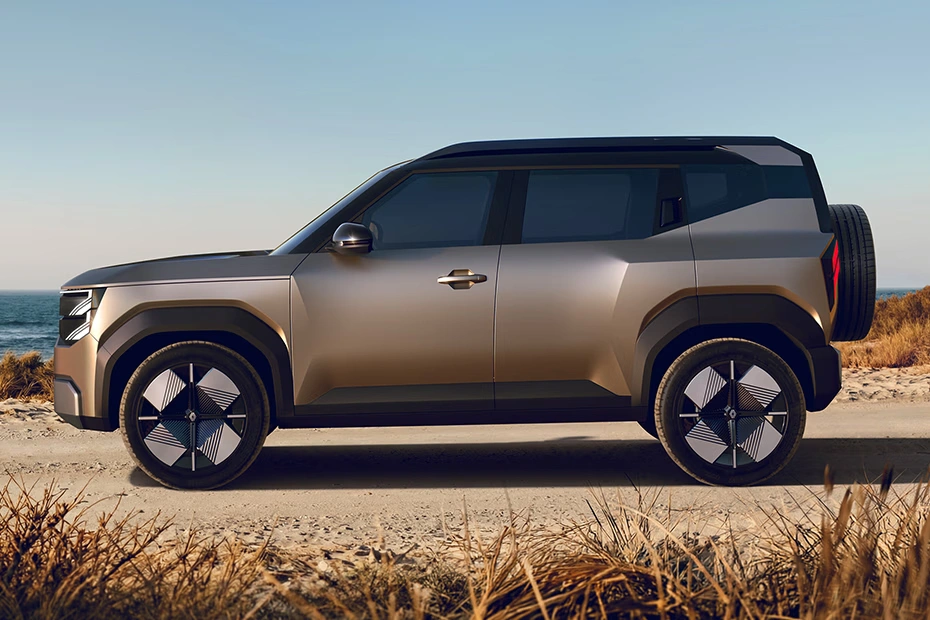
| Kia | Vehicle: 3 years, unlimited km; Battery: 8 years or 1,60,000 km (capacity protection up to 70%) |
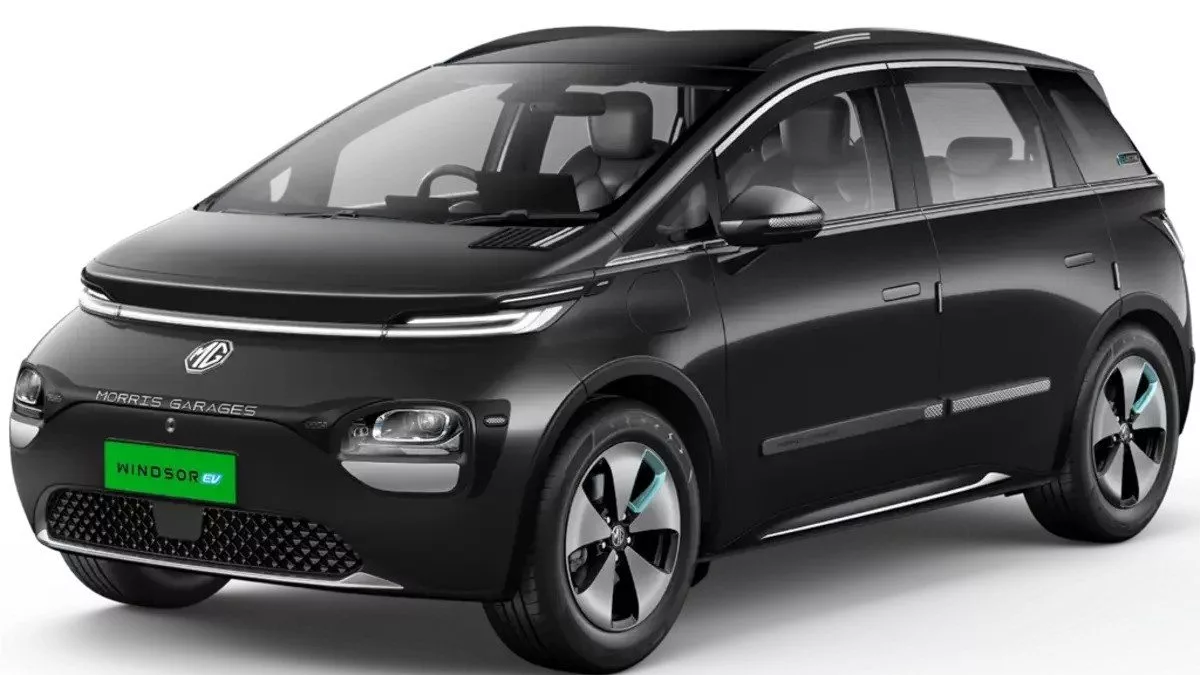
| MG Motors | Lifetime battery warranty (Windsor Pro – early buyers only); ZS EV: 8 years or 1,50,000 km; Comet EV: 8 years or 1,20,000 km |
| Mahindra | Lifetime battery warranty for first private owners (BE6 & XEV 9e); On resale: 10 years or 200,000 km |
VinFast

VinFast is creating a sensation in the EV market with its warranty offer. It is providing a 10-year or 2,00,000 km warranty on new VinFast EVs. This coverage protects against defects in materials and includes provisions for battery degradation. However, specific capacity thresholds are not publicly detailed.
Such extensive coverage makes VinFast appealing to drivers who travel long distances or take frequent road trips. Its unlimited-mile warranty shows a strong commitment to building customer trust.
Tata Motors

Tata Motors has taken an innovative route in the warranty of its electric vehicles. It offers a lifetime battery warranty on some of its models, like the Harrier EV, Curvv EV, and Nexon EV 45, though with certain conditions applied. For the first owner, Tata Motors offers up to 15 years of battery life with unlimited kilometres.
This is one of the longest battery warranties offered on electric vehicles in the mass market segment. However, in the case of second owners of Tata Motors vehicles, the battery life warranty will be applicable only up to 8 years or 160,000 kilometres, whichever is earlier.
Also, the battery life warranty will be applicable only for privately owned vehicles and will remain valid only when the vehicles are serviced at Tata Motors-approved service centres.
Tesla

The entry of Tesla into the Indian market is noteworthy, especially when it comes to battery life warranties as well. Tesla introduced its Model Y into the Indian market and offers a standard 4-year vehicle warranty of 80,000 kilometres.
In addition to this standard warranty on the entire vehicle, Tesla also offers a battery life warranty of up to 8 years and 1,92,000 kilometers on its vehicles in India, whichever is earlier. This battery warranty further highlights Tesla’s confidence in its powertrain technology.
Mercedes-Benz

Mercedes-Benz is a luxury EV manufacturer that provides excellent warranty support, keeping in line with the luxury segment. In India, the Mercedes-Benz EQC comes with an 8-year battery warranty, along with a limit of 1,60,000 km.
This warranty eliminates any battery concerns for the end consumer over a long period of time. It also highlights Mercedes-Benz’s commitment to providing dependable EVs that are long-lasting and come with excellent performance capabilities.
Along with the battery warranty, the Mercedes-Benz EQC comes with 5 years of roadside assistance, 5 years of a comprehensive service package, and an extended vehicle warranty of 5 years, along with unlimited kilometres.
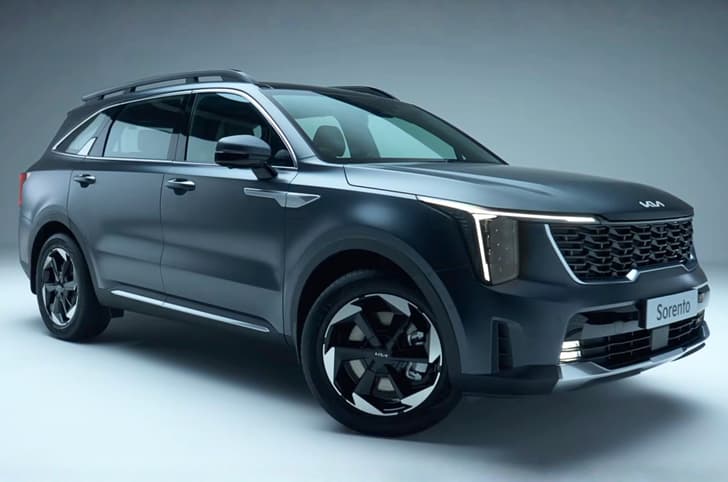
Kia

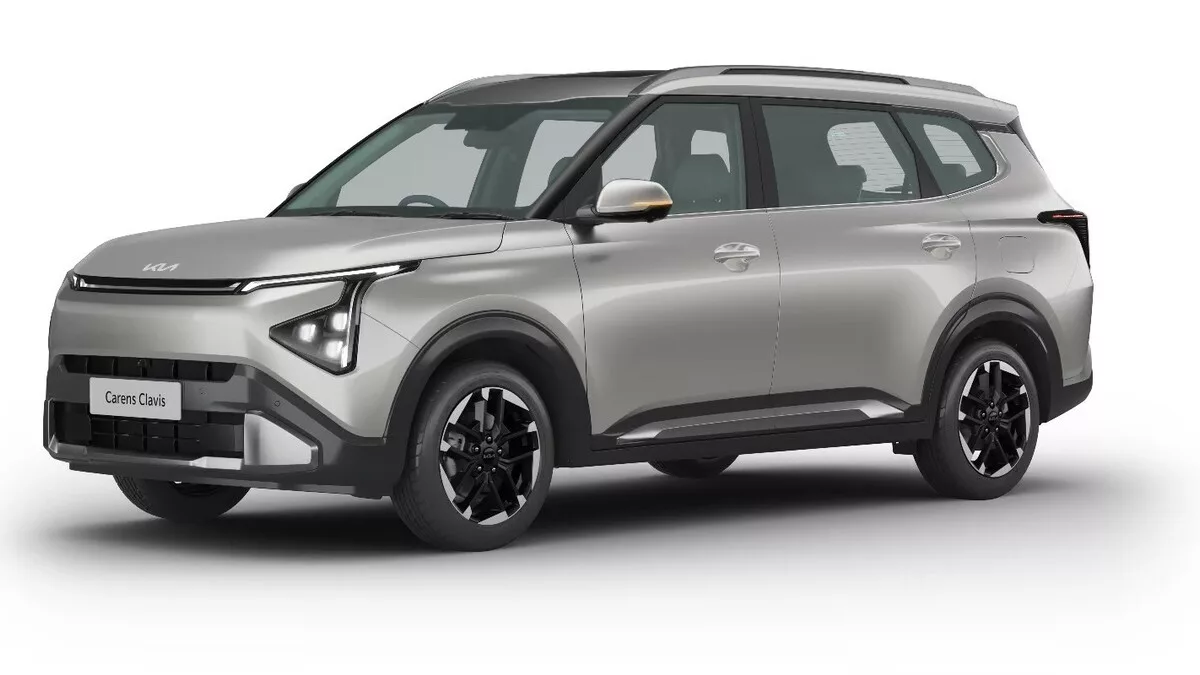
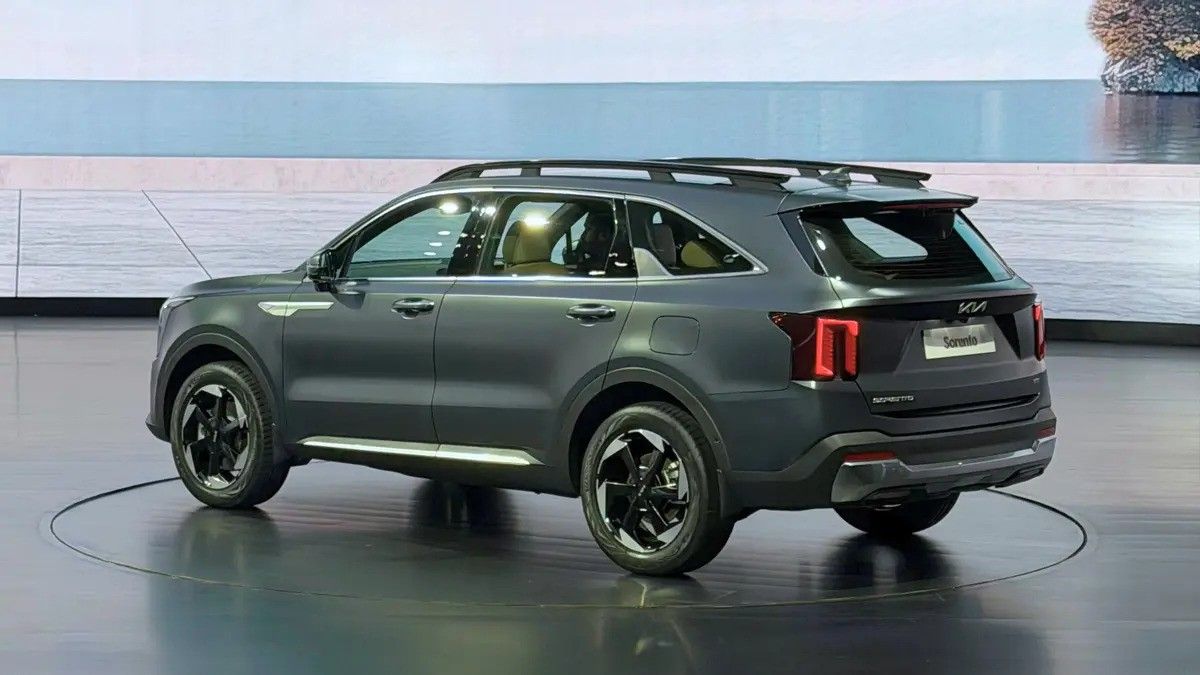
Kia’s EV warranty package is clearly designed to focus on battery health and powertrain reliability. For its electric offerings, including the Kia EV6 and Kia Carens Clavis EV, Kia provides a 3-year vehicle warranty with unlimited kilometres. It covers defects in materials, ensuring repairs through authorised Kia service centres.
Kia also has a high-voltage battery warranty. The lithium-ion battery pack is covered for 8 years or 1,60,000 kilometres, whichever comes first. The brand offers battery capacity protection for up to 96 months or 160,000 kilometres, applicable if the battery capacity drops below 70% of its original level.
Under this coverage, Kia will repair battery components as required to restore usable capacity to at least 70%, securing long-term battery performance.
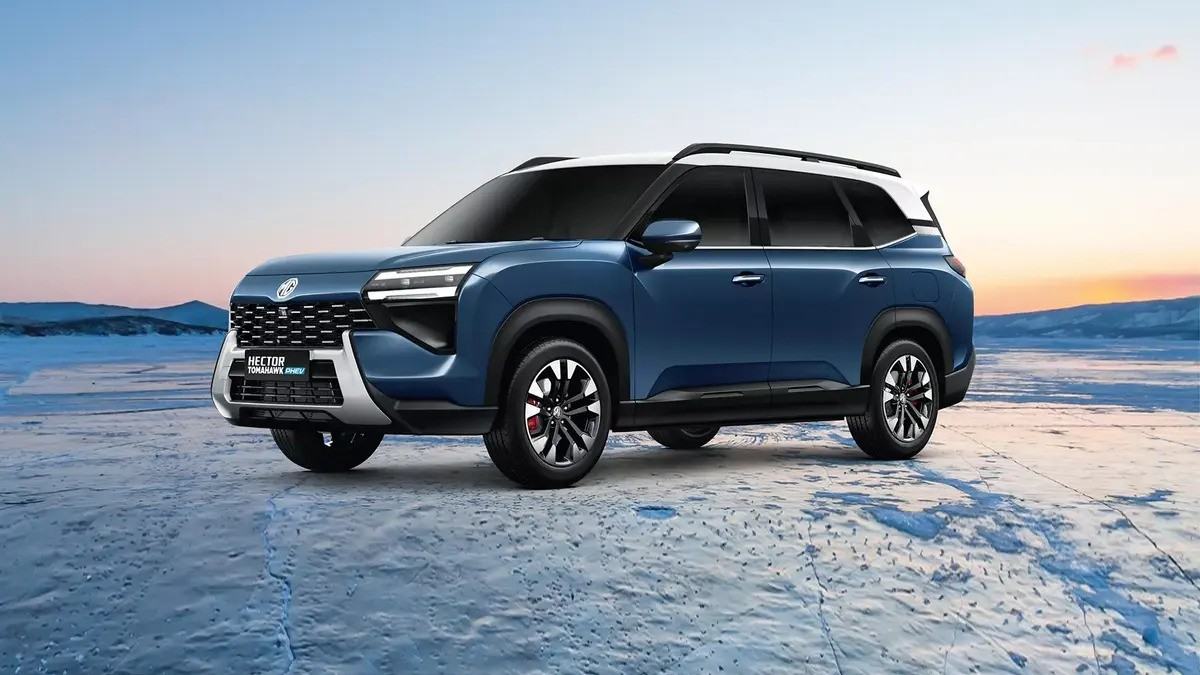
MG Motors

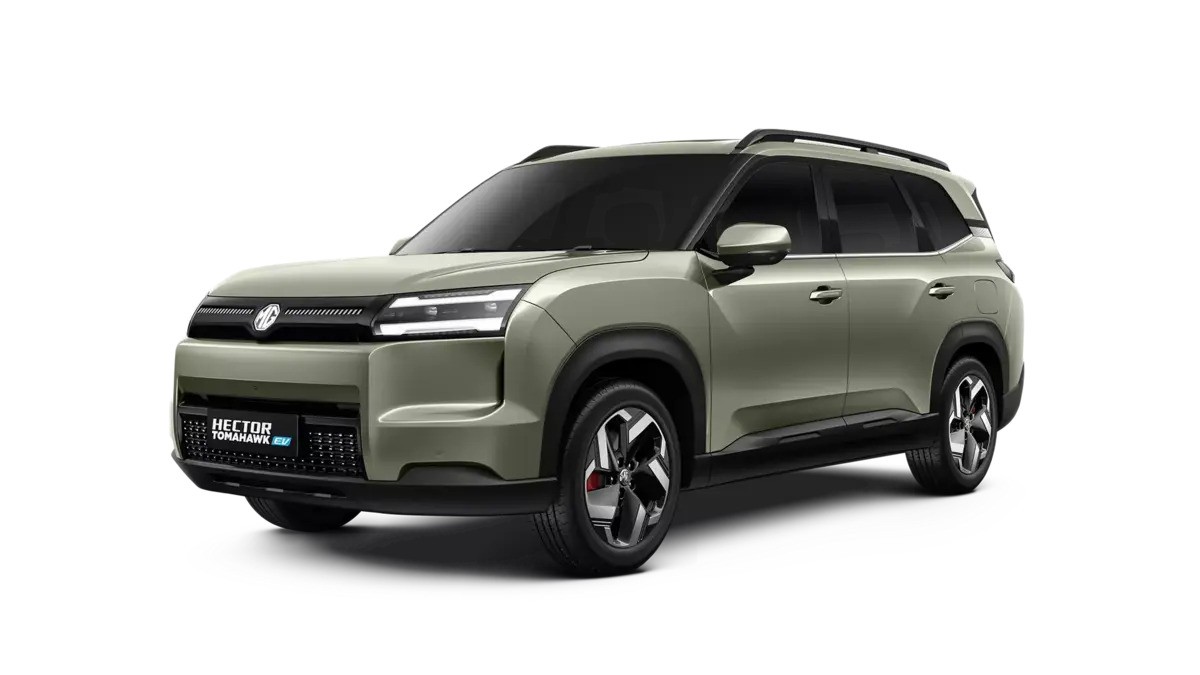
MG’s battery warranty policy is diverse and EV-centric. Like Kia, MG also offers different battery warranty policies for different models in its electric vehicle range. The newly launched MG Windsor Pro offers a lifetime battery warranty. However, this applies only to initial buyers of this EV.
The brand has clearly defined long-term battery warranty policies. The MG ZS EV comes with a battery warranty of 8 years and 1,50,000 km, while the MG Comet EV comes with an 8-year and 1,20,000 km battery warranty. These terms align well with industry standards for urban and family-focused EV buyers alike.
Overall, MG’s warranty approach shows a flexible, model-specific strategy that focuses on battery assurance and adapts to different customer segments within the EV market.
Mahindra

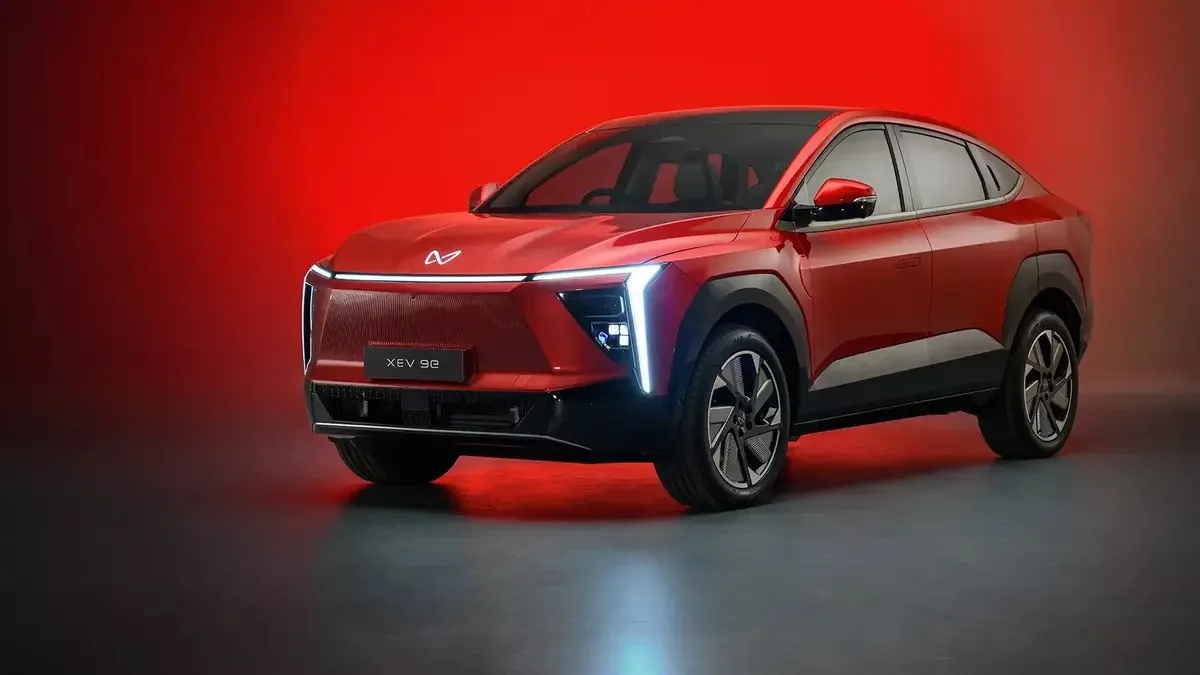
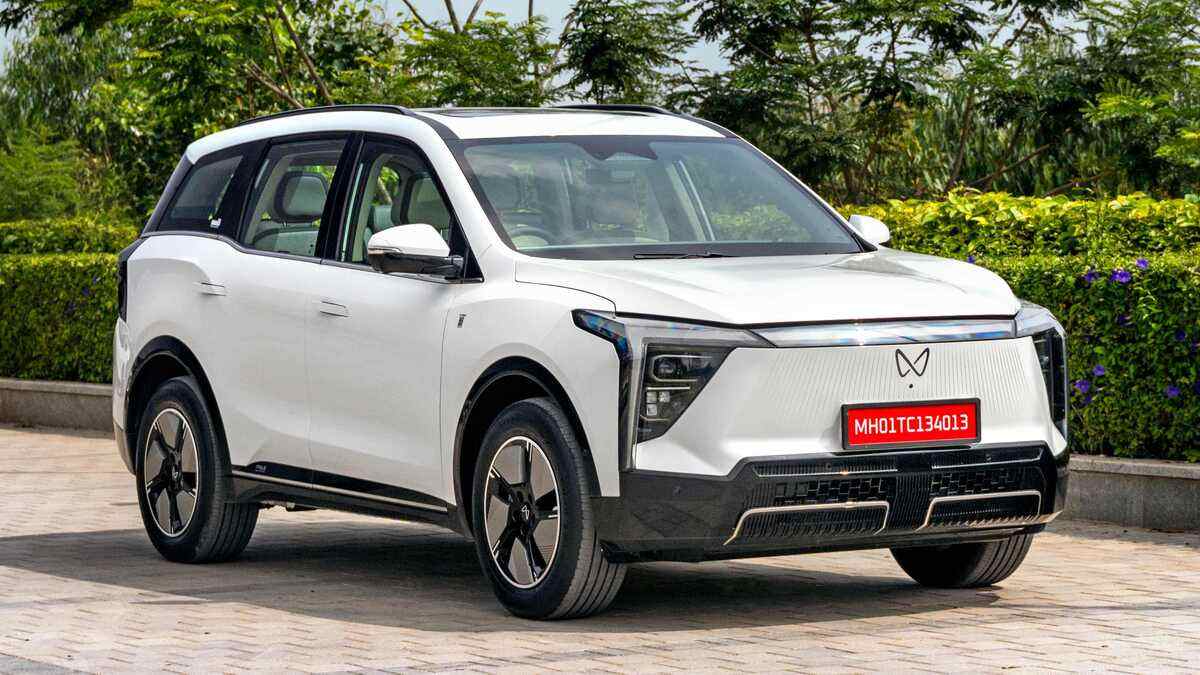
For the first private owner, Mahindra provides a lifetime warranty for the batteries used in its electric vehicles. When these Mahindra EV cars are resold, the warranty will be for 10 years or 200,000 kilometres, whichever comes first.
It is applicable for privately owned vehicles and will remain valid if the EVs are serviced at Mahindra-authorised service centres. While the lifetime warranty is a key selling point for early buyers, it is unclear if the same terms are still available, as more units of these models have already been sold.
Summary
The EV car brands offer models suited for daily commuting and long-distance travel. However, aside from environmental benefits, battery life is a major concern when purchasing an electric vehicle.
Thus, car manufacturers are providing long EV battery warranties in India, ensuring the reliability and peace of mind. As technology advances, electric vehicles are becoming a great option for modern drivers.
FAQs about EV Car Brands with the Longest Battery Warranty
Q. Which EV company offers the longest battery warranty in India?
Tata Motors offers the longest battery warranty in India, providing a lifetime battery warranty (up to 15 years with unlimited km) for first owners on select models. VinFast is another company that offers a 10-year or 2,00,000 km vehicle and battery warranty globally.
Q. Does an EV battery warranty cover battery degradation?
Yes, an EV battery warranty does cover degradation to a certain extent. However, this may differ for various automobile companies. For instance, Kia and MG offer a capacity-based warranty for battery degradation, which is applicable only when the battery capacity drops below 70%.
Q. Is the EV battery warranty transferable to a second owner?
Yes, the EV battery warranty is transferable to the second owner of the vehicle, but only on revised terms and conditions. Tata Motors offers a battery warranty of 8 years or 1,60,000 km for the second owner of the vehicle, while MG offers standard terms and conditions once the special terms expire.
Q. Which luxury EV company offers the best battery warranty?
Mercedes-Benz offers the best luxury EV battery warranty in India by providing an 8-year or 1,60,000 km battery warranty and 5 years of comprehensive vehicle support.
Q. Why is battery warranty important when buying an electric vehicle?
EV batteries are expensive to replace, often costing thousands. A strong warranty ensures protection against defects, degradation, and repair costs, safeguarding your investment over time.