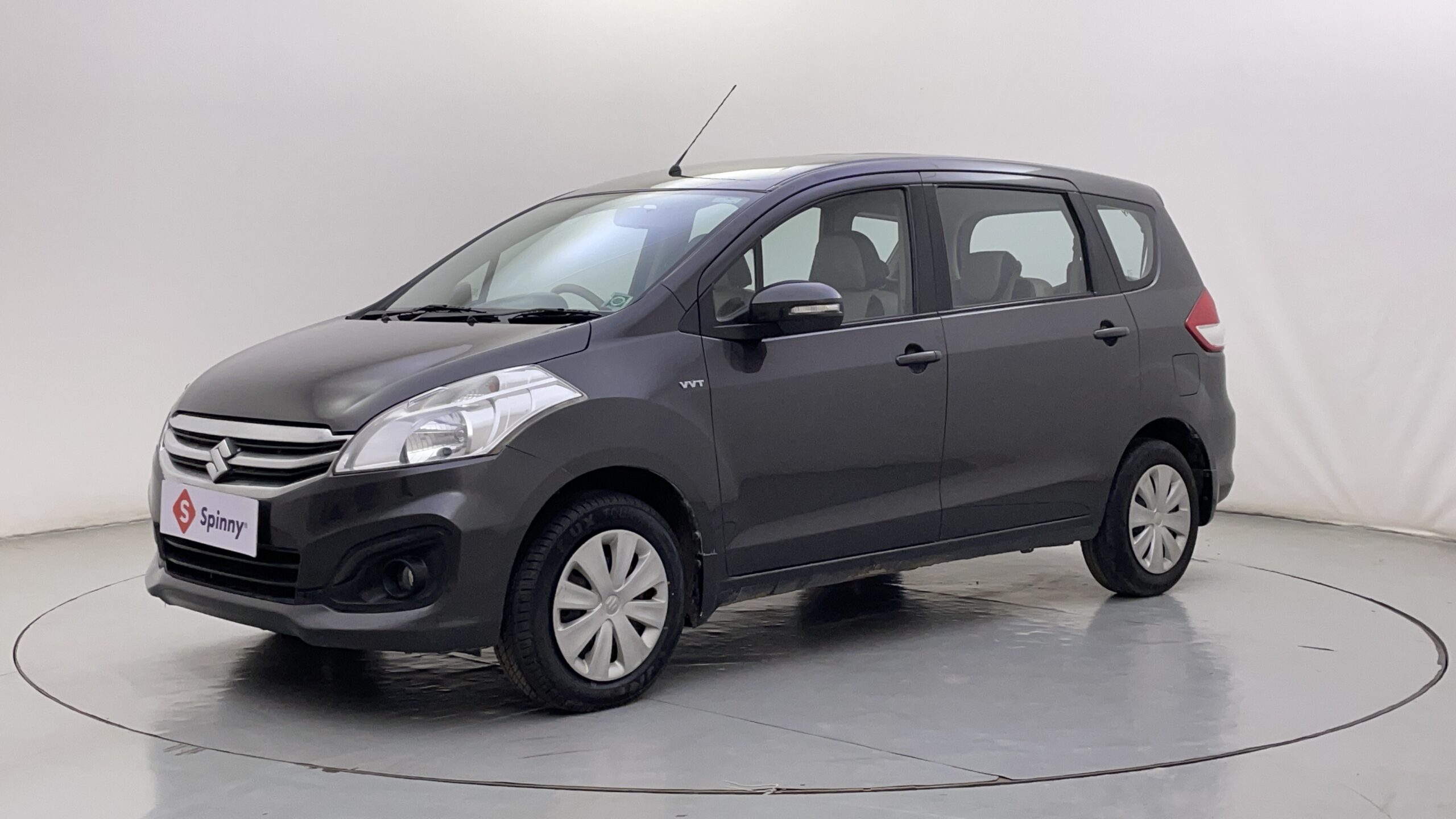
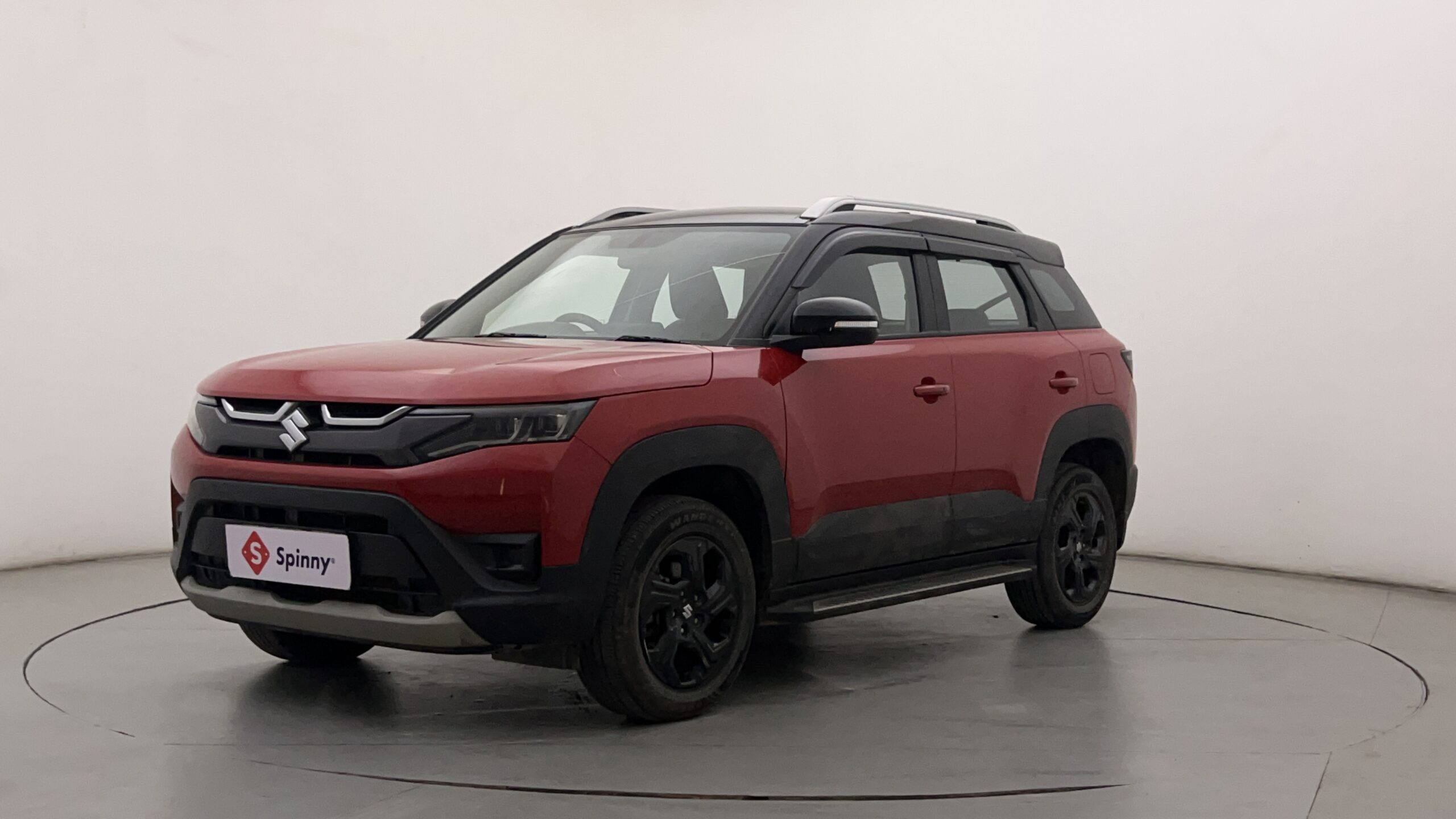
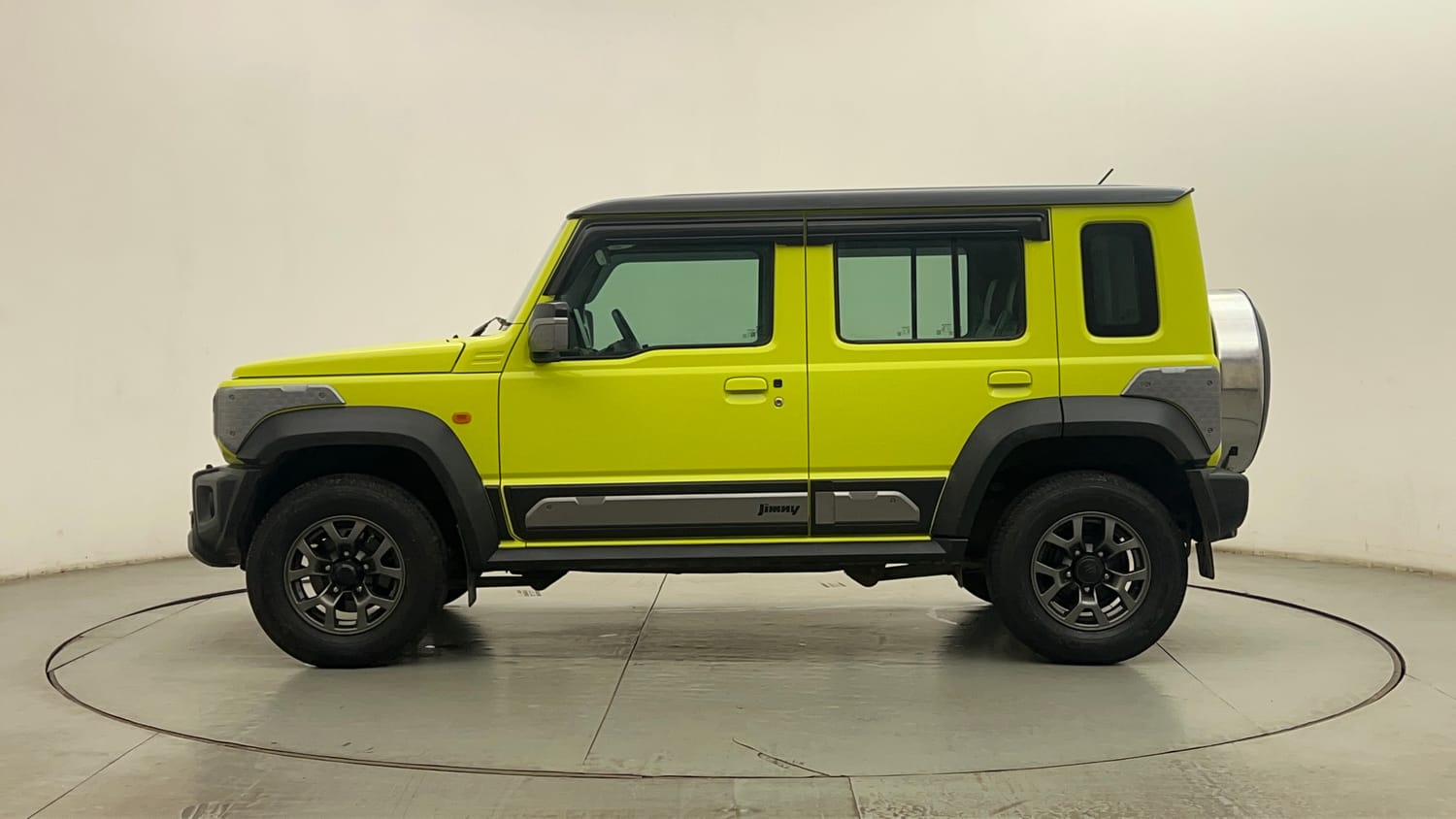
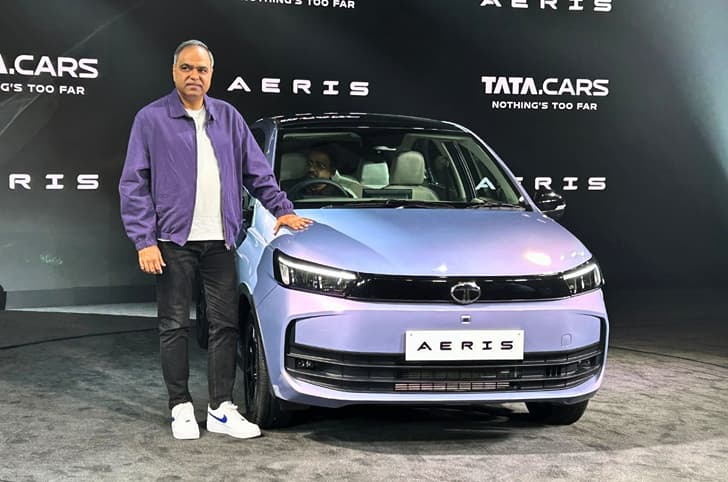


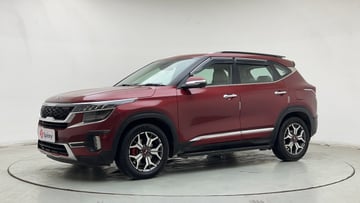

With an E20 mandate on the horizon in 2025 in India, Toyota has been steadily optimising its portfolio to achieve the new standard. From 1st April 2023 onward, all Toyota petrol variants in India are now formally certified to be E20-compliant.
But it gets confusing here: Toyota has itself conceded that cars built as early as 2013 are fine to run on E20 with no real issues. But older-model motorists have been issued mixed replies by service centres, yes to running on E20 in some cases, and no to running an “E10-only” car on E20 in case it invalidates the warranty on faults related to the fuel.
For Toyota motorists, clarity is essential. Compatibility has an impact on performance, emissions, warranty coverage, and resale value.
What is E20 fuel?
E20 is a petrol with 20 per cent ethanol. Ethanol is made from crops like sugarcane and maize and is a locally produced renewable source. The benefits are reduced importation of oil and reduced carbon emissions.
The compromises: lower energy density in ethanol than in pure petrol decreases mileage by 2-4%. It will be harmful to non-E20-specific fuel-system parts as well. That’s why manufacturers like Toyota equipped their cars to be E20-compatible from April 2023, so their engines, seals, injectors and fuel lines are strong enough to cope with the blend.
Toyota Cars Compatible with E20 Fuel
Toyota has confirmed two tiers of compatibility:
- Fully certified from April 2023 onwards – every petrol model is designed and validated for E20.
- Material-compatible since 2013 – older petrol cars can technically run on E20, but warranty assurances are less clear.
Models fully E20 compliant (April 2023 onwards):
| Model | E20 Introduction Year |
| Toyota Glanza | 2023 |
| Toyota Innova Crysta (Petrol) | 2023 |
| Toyota Innova Hycross | 2023 |
| Toyota Urban Cruiser Hyryder | 2023 |
| Toyota Urban Cruiser Taisor | 2023 |
| Toyota Fortuner (Petrol) | 2023 |
| Toyota Hilux | 2023 |
| Toyota Vellfire | 2023 |
Older models considered E20-compatible (2013–2022):
| Model | Production Years |
| Toyota Etios | 2013–2020 |
| Toyota Etios Liva | 2013–2020 |
| Toyota Corolla Altis | 2013–2020 |
| Toyota Innova Crysta Petrol | 2016–2022 |
| Toyota Fortuner Petrol | 2013–2022 |
| Toyota Camry | 2013–2022 |
| Toyota Yaris | 2018–2022 |
| Toyota Glanza | 2019–2022 |
| Toyota Urban Cruiser | 2020–2022 |
Toyota Glanza
The Glanza hatchback, based on Maruti’s Baleno, offers a 1.2L petrol engine with manual and AMT options. Mileage is around 20–22 km/l, making it one of Toyota’s most fuel-efficient offerings.
Warranty Guidelines for Toyota Glanza on E20 Fuel
| Model | Warranty Period |
| Toyota Glanza | 3 years or 100,000 km (standard), extendable up to 5 years/220,000 km |
All Glanza cars produced after April 2023 are completely E20-certified. For lower versions (2019-2022), Toyota has mentioned compatibility but advises verifying this in the manual or at a service centre to avoid ambiguity regarding warranty.
Toyota Innova Hycross
The Innova Hycross is Toyota’s premium MPV, powered by a 2.0L petrol engine and a strong-hybrid version. Petrol mileage is about 16–17 km/l, while the hybrid claims 20+ km/l.
Warranty Guidelines for Toyota Innova Hycross on E20 Fuel
| Model | Warranty Period |
| Toyota Innova Hycross | 3 years or 100,000 km (standard), extendable further |
Since its launch, the Hycross has been E20-ready. Warranty remains valid with E20 use.
Toyota Urban Cruiser Hyryder
The Hyryder SUV comes with 1.5L petrol and strong-hybrid petrol options. Mileage is around 17–18 km/l for petrol and 27 km/l+ for the hybrid.
Warranty Guidelines for Toyota Hyryder on E20 Fuel
| Model | Warranty Period |
| Toyota Urban Cruiser Hyryder | 3 years or 100,000 km (standard), extendable further |
The Hyryder launched with E20 certification, so the warranty remains intact when running on E20.
Toyota Fortuner (Petrol)
The Fortuner petrol variant comes with a 2.7L petrol engine paired with a manual or automatic transmission. Mileage is about 10–12 km/l, focused more on power than economy.
Warranty Guidelines for Toyota Fortuner (Petrol) on E20 Fuel
| Model | Warranty Period |
| Toyota Fortuner Petrol | 3 years or 100,000 km (standard), extendable further |
Petrol Fortuners from the buildup in April 2023 are full E20-proof. Earlier Fortuner petrols (2013 and above) are reportedly material-compatible, but it is advisable to verify the terms of warranty with service centres.
Toyota Hilux
The Hilux lifestyle pickup, launched in India in 2022, features a 2.7L petrol option internationally, though India mainly offers diesel. The petrol version (where sold) is E20-certified from 2023.
Warranty Guidelines for the Toyota Hilux on E20 Fuel
| Model | Warranty Period |
| Toyota Hilux | 3 years or 100,000 km (standard), extendable further |
All petrol Hilux units sold post-2023 are E20-compliant.
Toyota Vellfire
The Vellfire luxury MPV comes with a 2.5L petrol-hybrid setup, delivering mileage around 19–20 km/l.
Warranty Guidelines for Toyota Vellfire on E20 Fuel
| Model | Warranty Period |
| Toyota Vellfire | 3 years or 100,000 km (standard), extendable further |
The 2023 Vellfire is fully certified for E20 fuel, with warranty protections intact.
How to Check if Your Toyota is E20-Compatible
Toyota has confirmed that all petrol cars available in the Indian market since 2013 are E20 fuel-capable, and all petrol cars available in the market since April 1, 2023, are individually certified. However, in case of motorists having pre-2013 or post-2022 cars, it’s always best to check again before refuelling with E20. Do this way:
Owner’s Manual
This is always where you first look. Toyota recommends the optimum percentage of ethanol to use in the car. The pre-2023 guides may simply state “E10,” but the vehicle is designed to accept up to E20. If it is just “E10”, do not assume it is unsafe; instead, consider the guide and check again.
Fuel Lid Sticker
On the vast majority of newer cars post-April 2023, Toyota imprints an “E20” code inside the petrol cap. If you look for it, then the car is 1100 per cent compliant. Older cars will only display “E10”, which is the source of the confusion many motorists are facing.
Manufacture Date
Do not depend on registration by itself. A car registered in mid-2023 may have been manufactured in late 2022. Refer to the VIN (Vehicle Identification Number) or RC (Registration Certificate) to check the month and year of production.
Service Centre Confirmation
For 2013- to 2022-model vehicles, the best course of action is to contact or visit an authorised Toyota service outlet with your VIN. They will be able to check up on factory records and give you an official reply specific to your actual model and build.
Official Toyota and Government Communication
Toyota’s press releases and government circulars in April 2023 verify widespread suitability. However, as policies on warranties for older vehicles have been specified inconsistently, it is always best to verify this information directly with Toyota.
Impact of E20 on Toyota Cars
E20 fuel has both pros and cons, and its impact varies depending on whether your Toyota is a new-generation (post-2023) model or an older one. Here’s what owners should expect:
Mileage
Ethanol is less energy-dense per litre compared to petrol and thus loses slightly on fuel efficacy. For a typical car, consider a 2-4% loss on miles. As an example, a Toyota Hyryder of typical mileage of 18 km/l on E10 will deliver an estimated 17.3-17.5 km/l on E20. For older cars like the Corolla Altis, the loss will be higher and specifically apparent on highways.
Performance
Toyota’s E20-qualified cars are designed to maintain their drivability silky-smooth with no loss in throttle response or acceleration. The hybrids like the Hycross and Camry will do ethanol blends nicely with their electric boost. The older cars (2013–2022) will accept the E20, but may exhibit minor changes, such as rougher cold starts or gentle engine lag at full load.
Durability
The biggest issue with ethanol is that it corrodes rubber, plastics, and some metal parts. The parts are designed to be ethanol-resistant in post-2023 Toyotas on the whole fuel system, so it’s okay. With pre-2023 Toyotas, though the parts are listed by the manufacturer in E20-compatibility specs, extended-term E20 running may induce accelerated long-term wear.
Warranty
For full-qualified 2023 and newer vehicles, the warranty is unchanged using E20. For older vehicles, Toyota has, in some cases, warned that operating “E10-only” vehicles on E20 will invalidate cover on related fuelling system issues. Newer reports now say E20 has “no significant impact.” The takeaway: if your Toyota is an older vehicle, verify the warranty terms and conditions before implementing E20 as your standard fuel.
Maintenance
Service centres may recommend periodic checks of injectors, pumps, and seals on older vehicles, especially if used intensively on E20. New Toyotas will need no special attention besides the regular schedule.
Resale Value
In the used market, post-2023 E20-certified Toyotas will command stronger resale value. For older cars, buyers may hesitate unless you can show official confirmation of E20 compatibility.
Summary
Toyota has accepted all petrol vehicles in India manufactured on or after April 1, 2023, as fully E20-Compliant. The Glanza, Innova Hycross, Hyryder, Taisor, Fortuner, Hilux, and Vellfire are among these.
At the same time, Toyota and authorities have been clear that all petrol cars bought since 2013 are equally adept at running on E20, though often with patchy coverage on earlier cars in relation to warranties. Pre-2023 car owners should check their manuals and consult service centres before switching.
Generally speaking, if you’re driving a 2023 or newer Toyota, it’s OK on E20 with full warranty. For earlier vehicles, exercise caution and check compatibility.
FAQs
Q. Which Toyota cars are E20-compatible?
All petrol models from April 2023 onwards are certified. Cars sold since 2013 are also material-compatible but may have mixed warranty conditions.
Q. Will using E20 void my Toyota warranty?
Not for certified 2023+ models. For older ones, Toyota has given mixed messages; it’s best to confirm with a service centre.
Q. Does E20 affect Toyota mileage?
Yes, slightly. Expect a 2–4% dip in fuel efficiency, regardless of model year.
Q. How do I check my Toyota’s compatibility?
Look at the manual, fuel lid, or confirm VIN at a service centre.
Q. Are hybrid Toyotas like the Hycross and Camry E20-ready?
Yes. All petrol-hybrids sold post-2023 are fully E20-certified, with warranty protections intact.


