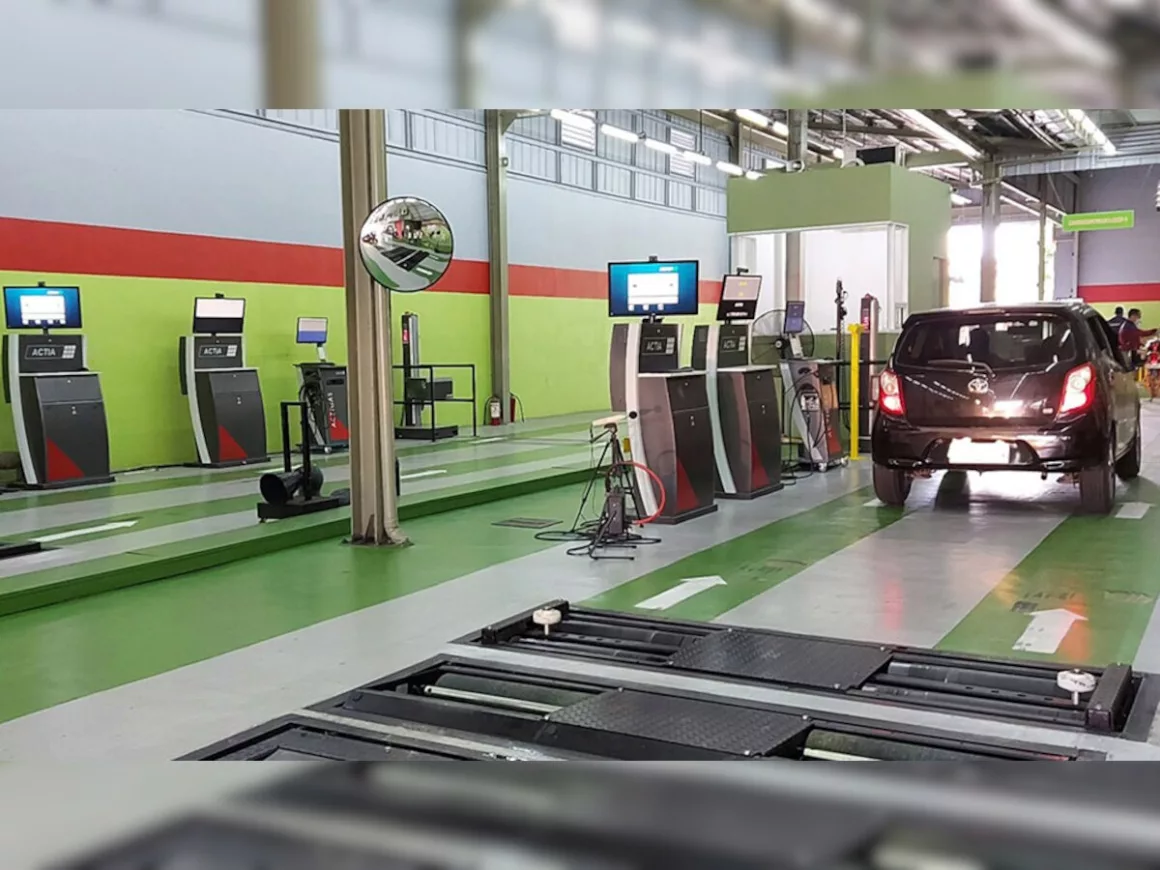
Buying a used car involves finding the model you want within your budget. However, the process doesn’t end there. One has to perform a number of checks to ensure whether the vehicle is in good condition or not. Thus, the car can appear tidy on the surface but still have bad records of accidents it has been in that result in lingering issues, penalties imposed by the authorities, and a faulty maintenance service history and some other serious mechanical complications waiting to be discovered sooner or later.
This is why a proper vehicle inspection and auto check are important before buying any used car. Vehicle inspection helps you understand the car’s physical and mechanical condition. An auto check helps you verify ownership, documents, legal status, insurance, challans, and service records.
These checks are relevant because they allow you to make a correct decision on whether or not to buy the chosen used vehicle to avoid unpleasant surprises.
What Is a Vehicle Inspection?
A vehicle inspection is a physical and mechanical check of the car’s condition. It helps you understand how well the car has been maintained, whether it has visible damage, and if any major repairs may be needed soon.
A used car inspection usually covers:
- Exterior condition
- Paint quality and accident repair signs
- Tyres and wheels
- Engine bay
- Fluid levels and leaks
- Battery health
- Brakes and suspension
- Interior wear
- AC and electronics
- Underbody condition
- Test drive behaviour
Checking the car will provide not only information on its overall condition but also on the estimated costs needed to fix possible faults of both noticeable and hidden problems.
Exterior Inspection
Start from the body panels. Inspect the hood, doors, fenders, bumpers, roof, trunk, and panels. Panel gaps should be equal on both sides. If any gap is bigger on one side or if any door won’t close correctly, the car is probably damaged before.
Also check for colour mismatch. Fresh paint on one panel can mean a dent repair or repaint. This is not always a deal-breaker, but the seller should be transparent about it.
Tiny scratches and minor dents are normal in a used car. Look for structural damage, bad welding spots, or poor repairs.
Interior Inspection
The interior tells you how the car has been used. A car with low mileage should not have extremely worn seats, pedals, steering wheel, and gear knob. If the interior wear does not match the odometer reading, check the service history more carefully.
Check all switches and controls. Power windows, central locking, infotainment, steering-mounted controls, ORVM adjustment, cabin lights, reverse camera, parking sensors, and charging ports should work properly.
Also Read: The Ultimate Pre Purchase Inspection Checklist
Engine and Fluid Checks
The engine is one of the most important parts of a used car inspection. Even if you are not a mechanic, a basic engine bay check can reveal leaks, poor maintenance, and warning signs.
When looking at the engine, look at it when it’s cooled down. A cold engine will help to detect things like rough idling, smoke, strange engine sounds, or engine starting delays. If the seller has warmed up the car beforehand, ask him about the reason.
Check the engine oil level and colour. Low oil levels can suggest poor maintenance. Very dark or sludgy oil may indicate delayed oil changes. Milky oil can suggest coolant mixing with engine oil, which is a serious warning sign.
Tyres, Brakes and Suspension
Tyres are expensive to replace, and their condition can also reveal alignment, suspension, or driving style issues. Check all four tyres and the spare tyre.
Estimate how deep the tread is and look for potential tyre failure signs. If one tyre is more worn than the others, your car’s suspension might be faulty and require attention. Check the age of the tyre, as tyres can become hard and dangerous due to their age even if enough tread is still present.
AC and Electrical Inspection
Modern cars have many electrical features, and repairs can become expensive if multiple systems are faulty. Check everything patiently.
Instead of ignoring the air conditioning system, switch it on for a few minutes. The cooling effect should be consistent and effective. Listen for any strange sounds from the compressor. If there is an unpleasant odour, then it means that there could be issues with the filters, moisture, as well as other problems.
Underbody Inspection
The underbody is often ignored because it is not easy to see. However, it can reveal rust, leakage, accident damage, and rough usage.
Have the car checked by an expert on the most technical aspects while buying a used car. Check if the vehicle has already been used for off-road driving and also check its journey history.
Test Drive Checklist
A test drive is one of the most important parts of a used car inspection. Do not keep it too short. Drive in traffic, on an open road, over speed breakers, and on a slightly rough patch if possible.
In the case of automatic vehicles, make sure to check the transmission functionality, which should work smoothly without any jerks or delays. For manual transmission cars, check the clutch operation and its bite point, as a high clutch bite point indicates that the clutch needs to be replaced.
After the test drive, park the car and check for fresh leaks under it. Spinny’s own pre-purchase inspection guide also recommends checking for leakages after a test drive by parking the car and waiting for some time.
Also Read: Spinny Inspection
Auto Check: Documents to Verify Before Buying
Document check is equally important and needs to be carried out along with physical inspection. Make sure that you check the documents such as the registration certificate before making any payments.
| Document or Record | What to Verify |
| RC | Owner name, registration number, fuel type, registration validity |
| Chassis and engine number | Should match the RC and car body/engine |
| Insurance | Validity, policy type, owner name, claim history if available |
| PUC | Valid pollution certificate |
| Service history | Regular maintenance and odometer consistency |
| Challans | Pending traffic fines |
| Loan/hypothecation | Whether finance has been cleared |
| NOC | Needed for some interstate transfers |
| Form 29 and Form 30 | Required for ownership transfer |
| Owner ID proof | Should match the RC owner |
| Duplicate key | Useful for convenience and security |
Do not purchase a used vehicle only on the basis of verbal statements. Documentation is necessary to ensure that every required document is complete and no legal issues will arise during transfer of ownership.
How to Check Odometer Tampering
Odometer tampering can make a car look less used than it actually is. While modern digital odometers are harder to tamper with than older mechanical ones, fraud is still possible.
Don’t decide only on the basis of the mileage shown. Compare the mileage with the age of the vehicle, service history, condition of the tyres, and the interior.
Check for:
- Service records that do not match the odometer
- Excessive wear on steering, pedals, and driver seat
- Tyres replaced too early or too late
- Missing service invoices
- Long gaps in maintenance history
- Very low mileage for an old car
- Inconsistent mileage entries in service bills
Even if a vehicle is less used, it has its own set of problems because it might have been neglected and hardly driven or must have sat in a garage or parking for long.
Also Read: How to Remove Fog from Car Glass
Should You Buy from a Certified Used Car Platform?
Buying a certified used automobile may help with the ordeal because the vehicle undergoes rigorous inspection before it goes out on sale. However, it is advisable that you carry out your own vehicle inspection as well.
For example, Spinny states that its certified cars go through a 200-point inspection covering exteriors, interiors, engine performance, road test, tyres, and papers before being listed. It also provides the inspection report for buyers.
When buying from any certified platform, review:
- Inspection report
- Service history
- Warranty coverage
- Return policy, if available
- RC and ownership transfer process
- Insurance and document support
- Final on-road condition during test drive
With the help of a certified used car platform, buying becomes an easier affair than going through multiple local dealers while being concerned about spam. However, you still have to read the vehicle’s condition report attentively.
Also Read: Top 13 Must-Have Accessories For Your Car
When Should You Walk Away?
Some problems are not worth the risk, especially if the seller is not transparent. It is better to walk away than buy a car that may become difficult or expensive to own.
Avoid the car if you find:
- Major structural accident damage
- Flood damage signs
- Chassis or engine number mismatch
- Seller refusing document verification
- Pending loan without clear closure proof
- Missing RC or incorrect owner details
- Odometer mismatch with service records
- Serious engine smoke or overheating
- Multiple dashboard warning lights
- No service history for an expensive car
- Poorly done aftermarket wiring
- Fake or suspicious documents
When buying used cars, it is essential that you make sure that the vehicle is in a condition where it will not cost you too much. If the car has too many uncertainties, consider rethinking your decision and finding a better one.
Final Used Car Inspection Checklist
Before making the final payment, use this quick checklist.
| Final Check | Done |
| Exterior inspection completed |  |
| Interior inspection completed | |
| Engine and fluids checked | |
| Tyres, brakes, and suspension checked | |
| AC and electricals checked | |
| Underbody checked | |
| Test drive completed | |
| Service history reviewed | |
| RC details matched | |
| Chassis and engine number matched. | |
| Insurance checked | |
| PUC checked | |
| Pending challans checked | |
| Loan or hypothecation checked | |
| Ownership transfer documents ready | |
| Final price negotiated after inspection | |
Do not make a hasty decision while purchasing a used car; go ahead only after you have thoroughly inspected its condition and verified all the documents.
Final Thoughts
A proper vehicle inspection and auto check can protect you from buying a damaged used car. The physical inspection tells you how the car has been used and maintained. The auto check tells you whether the records, ownership, insurance, challans, and legal details are clear.
The inspection of the vehicle should best be done when there is daylight. You will also need to take the car for a test drive, go through the vehicle documents and records available, and check whether the seller has provided you with the maintenance record of the car. This is especially important if the car is very costly or belongs to the luxury, automatic, or diesel category or has some unknown history.
A good used car should not only look clean. It should drive well, have clear documents, match its service history, and give you confidence before you pay.
Also Read: How to perform a pre-delivery inspection (PDI) of a car
FAQs on Vehicle Inspection and Auto Check
Q. What is vehicle inspection?
Vehicle inspection is the process of checking a car’s physical, mechanical, and functional condition before buying it. It includes checking the exterior, interior, engine, tyres, brakes, suspension, electronics, and test drive behaviour.
Q. What is an auto check for a used car?
An auto check verifies the car’s records and legal status. It includes checking RC details, insurance, PUC, service history, challans, ownership details, loan or hypothecation status, and transfer documents.
Q. What is checked during a used car inspection?
A used car inspection checks the body condition, paint, accident signs, engine health, oil and coolant levels, tyres, brakes, suspension, AC, electricals, interior wear, underbody, and test drive performance.
Q. How do I inspect a used car before buying?
Inspect the car in daylight, check the exterior and interior carefully, look for leaks, verify engine condition, check tyres and brakes, test all features, take a proper test drive, and verify all documents before payment.
Q. What documents should I check before buying a used car?
You should check the RC, insurance policy, PUC certificate, service history, challan status, loan or hypothecation details, seller ID proof, chassis and engine number, and ownership transfer forms.
Q. How do I check pending challans before buying a used car?
Pending challans can be checked through the official eChallan portal using details such as the vehicle number, challan number, or driving licence number. Ask the seller to clear any pending challans before transfer.
Q. How do I know if a used car has accident damage?
Look for uneven panel gaps, paint mismatch, overspray, poorly aligned doors, fresh welding marks, replaced lights on one side, bent panels, or bonnet and boot alignment issues. If unsure, get a professional inspection.
Q. Is a professional vehicle inspection worth it?
Yes, a professional inspection is worth it, especially for expensive cars, automatic cars, diesel cars, luxury cars, high-mileage cars, or cars with incomplete service history. It can help identify hidden problems before purchase.
Q. What are the biggest red flags in a used car?
Major red flags include structural accident damage, flood damage, engine smoke, overheating, odometer mismatch, missing documents, pending loan, chassis number mismatch, warning lights, and seller refusal for inspection.
Q. Should I buy a used car without service history?
It is risky to buy a used car without service history, especially if it is expensive, high-mileage, automatic, diesel, turbocharged, or luxury. If service records are missing, get a professional inspection before deciding.
Q. How do I check if a car has a loan or hypothecation?
Check the RC for hypothecation details. If the car was financed, ask for loan closure proof, bank NOC, and updated RC status before completing the purchase.
Q. What should I check during a test drive?
During a test drive, check starting behaviour, engine noise, acceleration, gear shifts, clutch, brakes, steering, suspension noise, AC performance, temperature gauge, and dashboard warning lights.