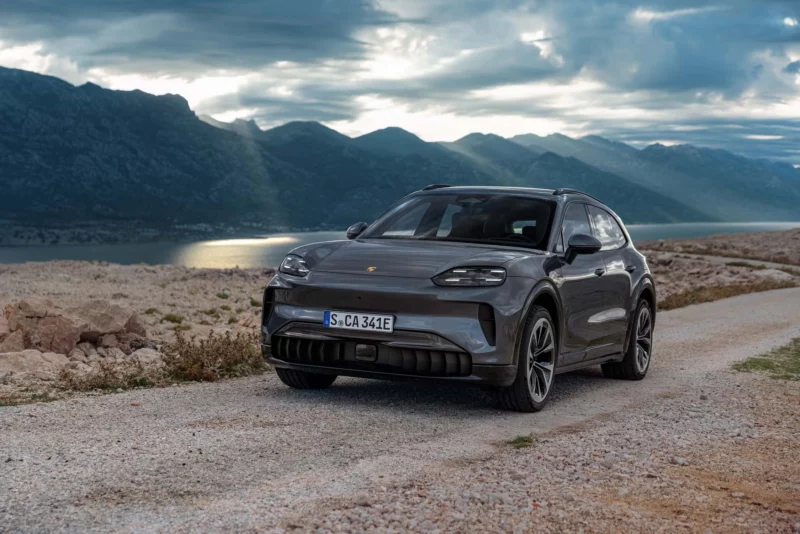
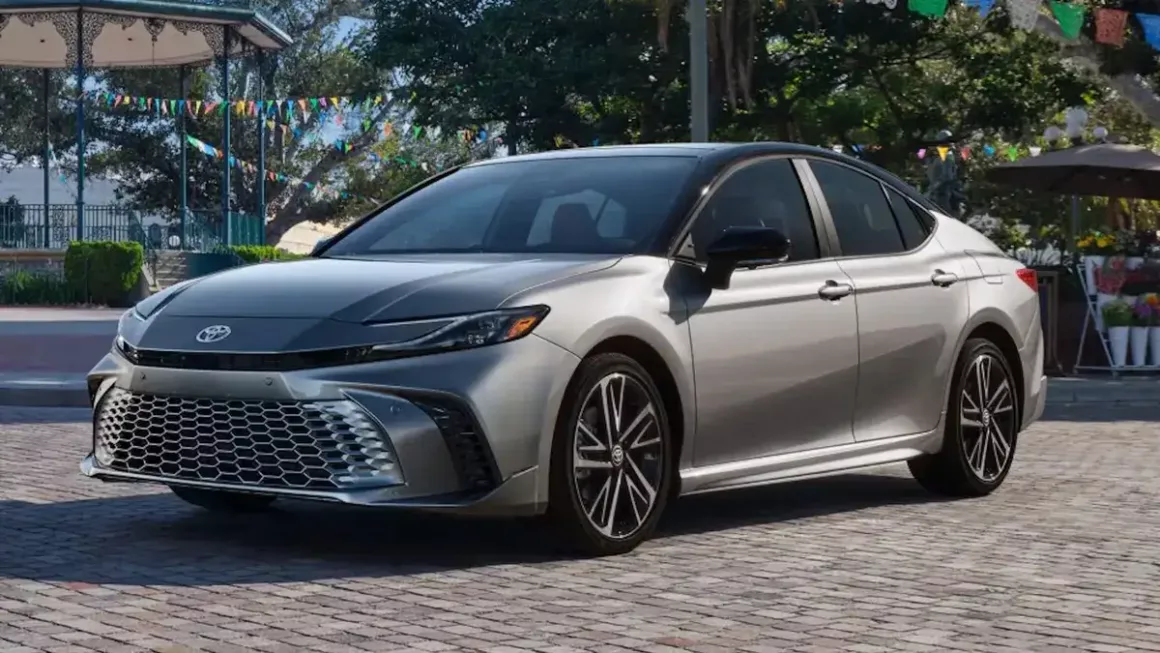
The Audi A4, BMW 3 Series LWB, and Lexus ES 350h are top contenders against the Toyota Camry in India. Many consumers appreciate the Camry for its satisfying executive sedan characteristics, good rear seat space, hybrid efficiency, and Toyota’s reliable reputation. However, buyers in the ₹45-70 lakh bracket now prefer options that beat the Camry’s offer in performance, interior luxury, or luxury-brand cachet.
The Audi A4 is the closest alternative on price and offers stronger turbo-petrol performance. The BMW 3 Series LWB is significantly more powerful and provides a longer wheelbase with better rear-seat room. At the same time, the Lexus ES 350h follows the Camry’s strong-hybrid philosophy but moves it into a more luxurious package. Here is how these three competitors compare with the Toyota Camry on price, mileage, performance, comfort and features.
Table of Contents
Quick Summary
- The Toyota Camry is currently priced at approximately ₹48.69 lakh ex-showroom.
- It is available in Elegant and Sprint Edition versions, both priced the same.
- The Camry uses a 2.5-litre strong-hybrid petrol powertrain producing around 230 PS combined.
- Its claimed fuel efficiency is approximately 25.49 km/l, one of the strongest figures in the executive sedan segment.
- The Camry is particularly well suited to chauffeur-driven buyers because of its spacious rear seat, reclining backrests and three-zone climate control.
- The Audi A4 is the closest alternative on price and offers a 204 hp turbo-petrol engine with stronger acceleration.
- The BMW 3 Series LWB provides rear-wheel drive, a much longer wheelbase and significantly stronger petrol and diesel engines.
- The Lexus ES 350h is the closest alternative in philosophy, combining a strong-hybrid powertrain with greater luxury and refinement.
- Buyers who prioritise fuel efficiency and ownership costs may prefer the Camry, while those looking for stronger performance or a luxury badge have more compelling alternatives.
- The Skoda Superb is not currently a new-car rival in India, which makes these three sedans the more relevant 2026 alternatives.
Price and Mileage Comparison with Toyota Camry
The Camry sits squarely between modern premium sedans and entry-level luxury cars. This means that the A4 is a cheaper option among competitors, whereas the BMW 3 Series LWB and Lexus ES 350h are much pricier.
Fuel efficiency is where the Toyota has a major advantage. Its 25.49 km/l claimed figure is substantially higher than the Audi A4 and BMW 3 Series LWB. The Lexus ES 350h comes closest with a claimed 25.22 km/l, making it the strongest direct hybrid alternative.
| Car | Ex-showroom Price Range | Fuel Options | Best Claimed Mileage |
| Toyota Camry | ₹48.69 lakh | Strong Hybrid | 25.49 km/l |
| Audi A4 | ₹46.88–55.83 lakh | Petrol | 17.4 km/l |
| BMW 3 Series LWB | ₹62.70–64.20 lakh | Petrol, Diesel | 19.61 km/l diesel |
| Lexus ES 350h | ₹66.10–71.80 lakh | Strong Hybrid | 25.22 km/l |
Prices are approximate ex-showroom figures and may vary by variant, location, and future revisions.
Top Alternatives of Toyota Camry in India
Audi A4
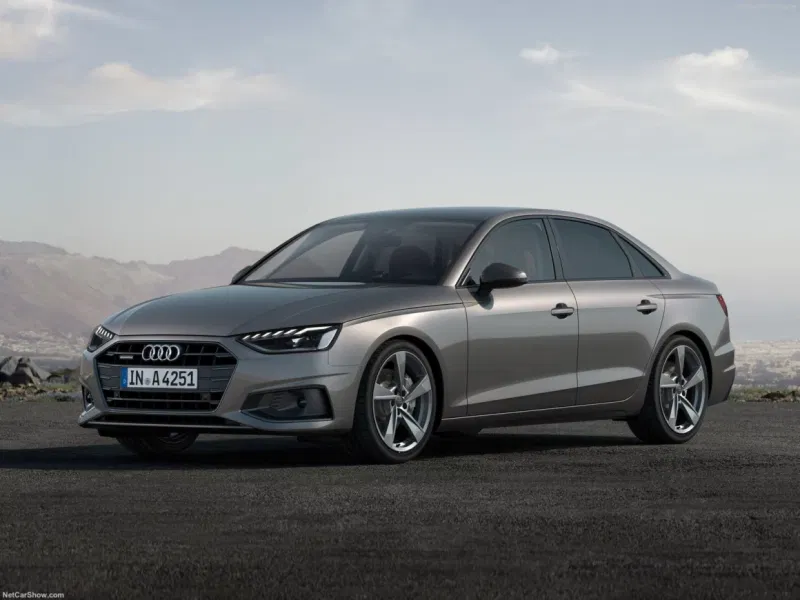
The Audi A4 is priced similarly to the Toyota Camry, making it one of the easiest upgrades to a German luxury option without spending much more.
The A4 is powered by a 2.0-litre turbo-petrol engine producing around 204 hp and 320 Nm, paired with a 7-speed dual-clutch automatic gearbox. It is front-wheel drive and can accelerate from 0–100 km/h in roughly 7.1 seconds, giving it significantly stronger performance than the Camry’s efficiency-focused hybrid system.
With the Audi A4 available in Premium, Premium Plus, and Technology variants, it’s easy to choose between a reasonably uncomplicated luxury sedan and a full-featured, top-end luxury sedan.
Why it is better than the Toyota Camry
The A4’s biggest advantage is performance. Its 320 Nm turbo-petrol engine delivers stronger mid-range acceleration and a more responsive feel than the Camry’s hybrid system, which is tuned mainly for smoothness and efficiency.
Besides its compact size, the A4 is also easy to drive in congested areas, as the Camry measures nearly five metres. In contrast, the A4 is much smaller, making driving through aerodromes and city traffic much easier.
The Audi badge is another important advantage for some buyers. The A4 offers a conventional European luxury-car experience with a clean cabin design, premium materials and a more driver-focused layout.
Higher variants bring in features such as Audi Virtual Cockpit, a 10.1-inch infotainment system, three-zone climate control, electrically adjustable front seats with memory function, premium Bang & Olufsen audio, Park Assist and a powered boot.
However, the Camry remains the stronger choice for rear-seat comfort and fuel efficiency. Its larger cabin, hybrid smoothness and 25.49 km/l claimed mileage make it better suited to buyers who spend significant time being driven rather than driving themselves.
Price Comparison: Audi A4 vs Toyota Camry
The Audi A4 starts slightly below the Camry but becomes more expensive in its upper variants.
| Variant | Audi A4 Price Range | Toyota Camry Price Range |
| Base-variant | Premium: ₹46.88 lakh | Elegant: ₹48.69 lakh |
| Mid-variant | Premium Plus: ₹51.85 lakh | Not offered |
| Top-variant | Technology: ₹55.83 lakh | Sprint Edition: ₹48.69 lakh |
This suggests that the Audi A4 starts lower than the Camry, but its top Technology variant is priced over ₹7 lakh.

Also Read: Complete Guide to Buying an Audi A4
BMW 3 Series LWB
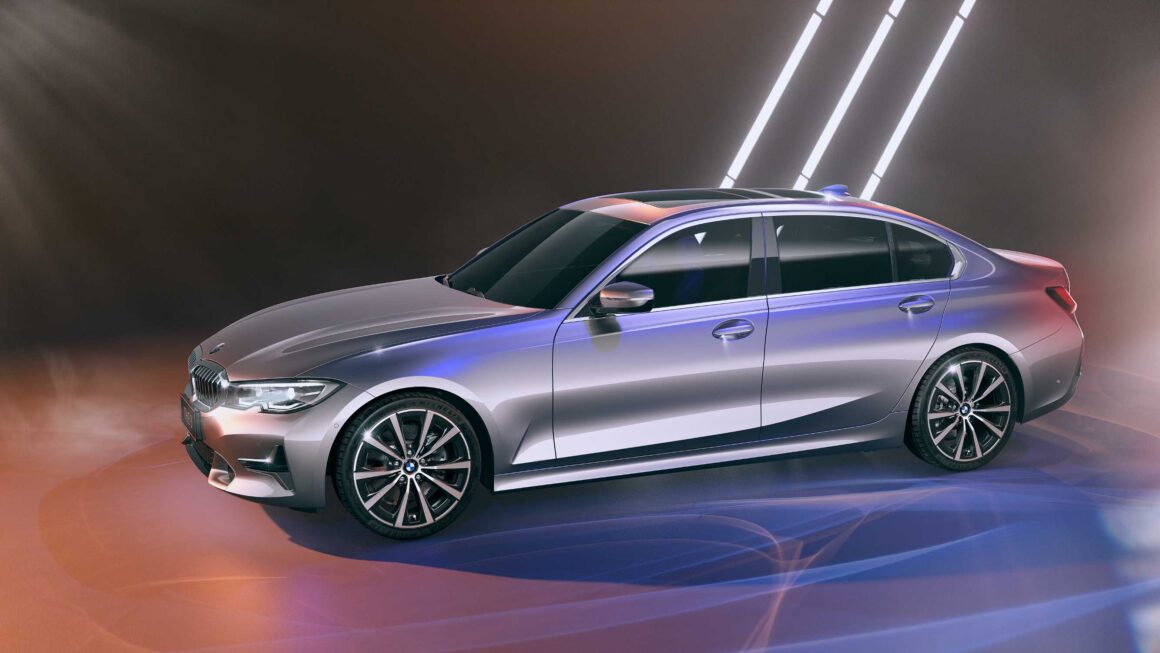
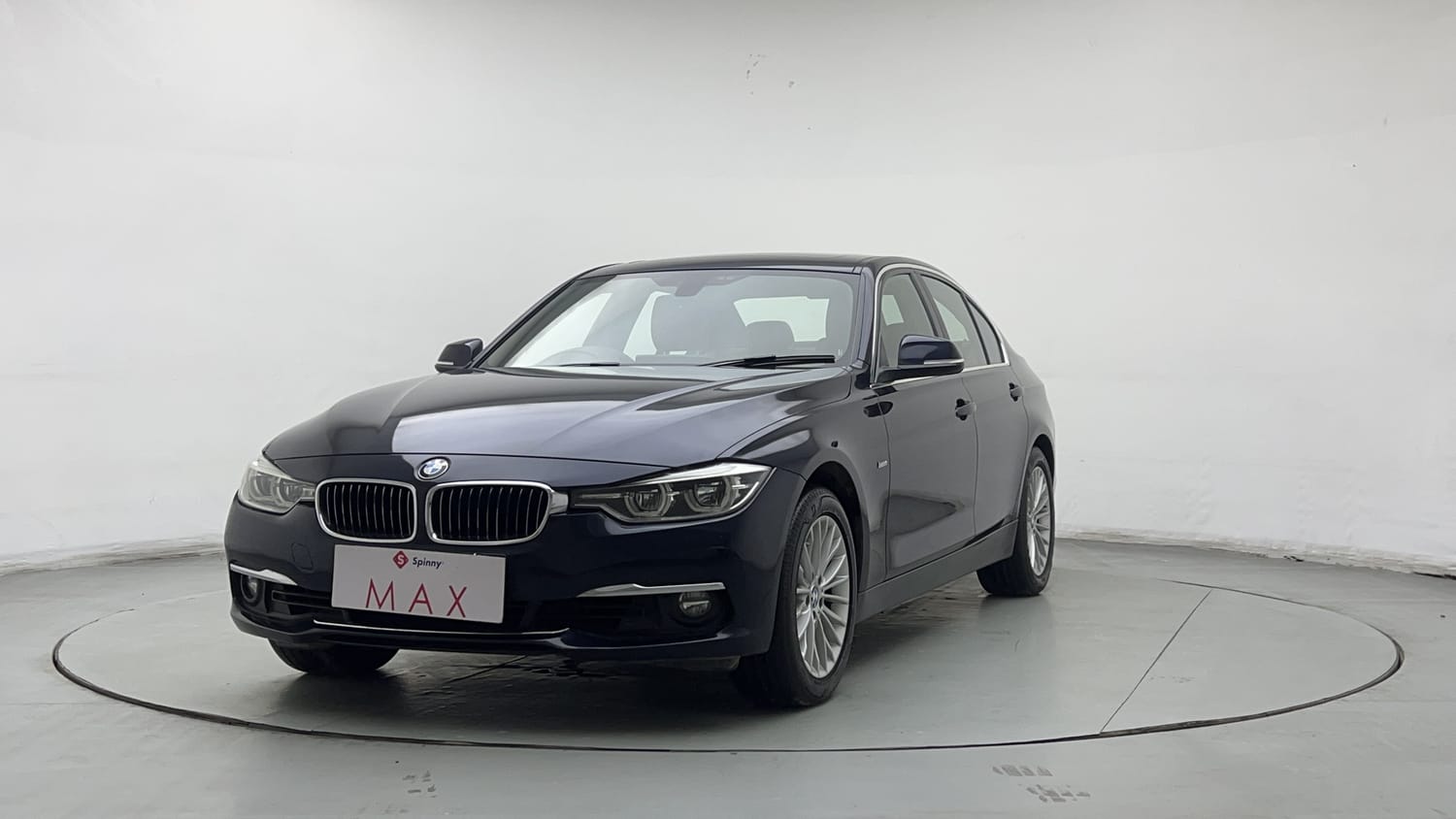
The BMW 3 Series Long Wheelbase is a strong alternative for buyers who like the Camry’s spacious rear seat but want significantly stronger performance and a more engaging driving experience.
The 3 Series LWB is available with petrol and diesel engines. The 330Li is powered by a 2.0-litre petrol engine that produces around 258 hp and 400 Nm of torque. On the other hand, the 320Ld runs on a diesel engine, producing 190 hp and the same torque. Both the variants use an 8-speed automatic transmission with a rear-wheel-drive system.
One of its defining features is its 2,961mm wheelbase, which is considerably longer than the Camry’s 2,825mm wheelbase. This gives the BMW excellent rear legroom while retaining the driving dynamics associated with the 3 Series.
Why it is better than the Toyota Camry
Performance is the key takeaway here. The 330Li accelerates from 0 to 100 km/h in about 6.2 seconds, making it significantly faster than the Camry. It boasts a powerful petrol engine with 258 hp and 400 Nm of torque, which guarantees much better acceleration and performance.
Rear-wheel drive also gives it a more balanced and engaging character. Buyers who enjoy driving themselves will find the BMW considerably more involving than the front-wheel-drive Camry.
The extended wheelbase acts as another key benefit. Although the 3 Series LWB model is more performance-oriented, it has been tailored to increase space for back-seat passengers. This makes it one of the few options that appeals to both chauffeur-driven buyers and those who want to drive themselves.
Its equipment list is also more sophisticated. Depending on the variant, it offers a 14.9-inch infotainment display, 12.3-inch digital cluster, panoramic glass roof, Harman Kardon audio, powered seats with memory, 360-degree camera and Parking Assistant Plus.
The 3 Series offers a diesel alternative, giving you another option not available with the Camry. It is considered efficient at around 19.61 km/l.
The Camry still costs roughly ₹14–15 lakh less and delivers substantially better claimed fuel economy. Buyers who prioritise running costs and hybrid efficiency may therefore find the Toyota easier to justify.
Price Comparison: BMW 3 Series LWB vs Toyota Camry
The 3 Series LWB is priced one level above the Toyota Camry, but there is a significant price difference between the variants of both cars.
| Variant | BMW 3 Series LWB Price Range | Toyota Camry Price Range |
| Base-variant | 330Li M Sport: ₹62.70 lakh | Elegant: ₹48.69 lakh |
| Mid-variant | Not offered | Not offered |
| Top-variant | 320Ld M Sport: ₹64.20 lakh | Sprint Edition: ₹48.69 lakh |
For the extra cost, buyers get better performance and rear-wheel drive, plus the prestige of driving a luxury automobile. Still, the Toyota Camry offers better value for money.
Also Read: BMW 3 Series Image Gallery: Interior, Exterior
Lexus ES 350h

The Lexus ES 350h is arguably the closest alternative to the Toyota Camry in terms of overall philosophy. Both are large Japanese sedans powered by strong-hybrid systems and designed around smoothness, efficiency and rear-seat comfort.
The newest version of the ES 350h incorporates a 2.5-litre powerful-hybrid petrol system which makes approximately 244 horsepower in total. It also has an e-CVT automatic transmission system under the hood. Just like the Camry, it comes with a front-wheel-drive system.
However, the ES is considerably larger. It measures around 5,145mm in length and has a 2,950mm wheelbase, giving it a clear advantage in cabin space and overall road presence.
Why it is better than the Toyota Camry
Lexus ES is a great option for those who love Camry’s hybrids but desire greater luxury.
Cabin quality is the clearest difference. The ES uses richer materials, better insulation and more sophisticated interior detailing, making it feel like a genuine luxury sedan rather than an executive Toyota.
Seats in the back are all more comfortable as well. Due to a longer space between the two axles, there is more legroom for the people aboard. The Lexus pays more attention to insulation from noise and smoothness of driving. This car is particularly attractive for those who order a limousine service and need a car with more comfort.
The hybrid powertrain produces around 244 hp combined, which is slightly more than the Camry’s 230 PS. Despite that increase, claimed mileage remains extremely close at approximately 25.22 km/l, meaning buyers do not sacrifice much efficiency by moving to the Lexus.
The highest possible specifications can provide the owner with a 14-inch touchscreen, a 12.3-inch digital combination instrument, Mark Levinson audio device, heatable and ventilated front seats, a head-up display, a digital rear mirror, rear sunshades, a powered trunk and Lexus Safety System+.
The main disadvantage is price. The ES starts more than ₹17 lakh above the Camry, and the top Luxury variant extends beyond ₹70 lakh. Buyers therefore pay substantially more for the Lexus badge, additional space, refinement and a higher-quality cabin.
Price Comparison: Lexus ES 350h vs Toyota Camry
The ES currently has two variants, both positioned well above the Camry.
| Variant | Lexus ES 350h Price Range | Toyota Camry Price Range |
| Base-variant | Exquisite: ₹66.10 lakh | Elegant: ₹48.69 lakh |
| Mid-variant | Not offered | Not offered |
| Top-variant | Luxury: ₹71.80 lakh | Sprint Edition: ₹48.69 lakh |
The Camry is still much cheaper compared to the ES, which is suitable for those who want to pay more for comfort, space and refinement but are not ready to give up affordability.
Also Read: Best Lexus Sedan Cars in India
Summary
The Toyota Camry continues to occupy a unique position in India’s executive sedan market. At ₹48.69 lakh, it combines strong-hybrid efficiency, generous rear-seat space, a long equipment list and Toyota’s reputation for reliability. Its claimed mileage of 25.49 km/l is particularly impressive for a sedan of this size.
The Audi A4 is the most similar car in terms of price. It provides a more powerful turbo gasoline engine, smaller dimensions and the advantage of being a German luxury brand, but is still a bit cheaper than the Camry.
The BMW 3 Series LWB is the better choice for buyers who want both rear-seat space and strong performance. Its rear-wheel-drive layout, 258 hp petrol engine and long wheelbase give it a much more dynamic character, although it costs significantly more.
The Lexus ES 350h would be the closest competitor for the Camry according to concept. It has a perfect hybrid engine, identical fuel consumption and better rear passenger comfort, but the price is much higher.
The Camry remains the strongest choice for buyers who want a balance of efficiency, comfort and ownership value. The alternatives make more sense when luxury-brand appeal, stronger performance or a more premium cabin is worth paying extra for.
Also Read: BMW X1 LWB Alternatives: Competitors of BMW X1 LWB
FAQ’s About Toyota Camry Alternatives
Q. What are the best alternatives to the Toyota Camry in India?
The Audi A4, BMW 3 Series LWB and Lexus ES 350h are among the best Toyota Camry alternatives. The Audi focuses on value and performance, the BMW on rear-seat space and driving dynamics, and the Lexus on hybrid luxury.
Q. Is Audi A4 cheaper than Toyota Camry?
Yes. The Audi A4 starts at approximately ₹46.88 lakh, while the Toyota Camry costs around ₹48.69 lakh ex-showroom. However, higher A4 variants are more expensive than the Camry.
Q. Which Toyota Camry alternative gives the best mileage?
The Lexus ES 350h is the closest to the Camry, with a claimed mileage of approximately 25.22 km/l. The Camry itself remains slightly more efficient at around 25.49 km/l.
Q. Is BMW 3 Series LWB better than Toyota Camry?
The BMW 3 Series LWB is better for buyers who want stronger performance, rear-wheel drive and more engaging driving dynamics. The Camry is better for fuel efficiency, lower purchase price and lower running costs.
Q. Is Lexus ES 350h more luxurious than Toyota Camry?
Yes. The Lexus ES 350h offers better cabin materials, stronger sound insulation, more rear-seat space and a more premium overall experience. However, it costs substantially more than the Camry.
Q. Is the Toyota Camry good for chauffeur-driven buyers?
Yes. The Camry is particularly well suited to chauffeur-driven use because of its spacious rear seat, reclining backrests, rear sunshades, three-zone climate control and smooth strong-hybrid powertrain.