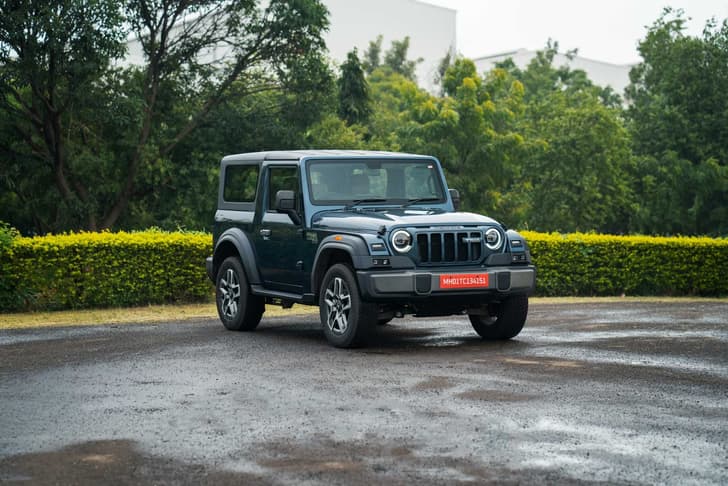

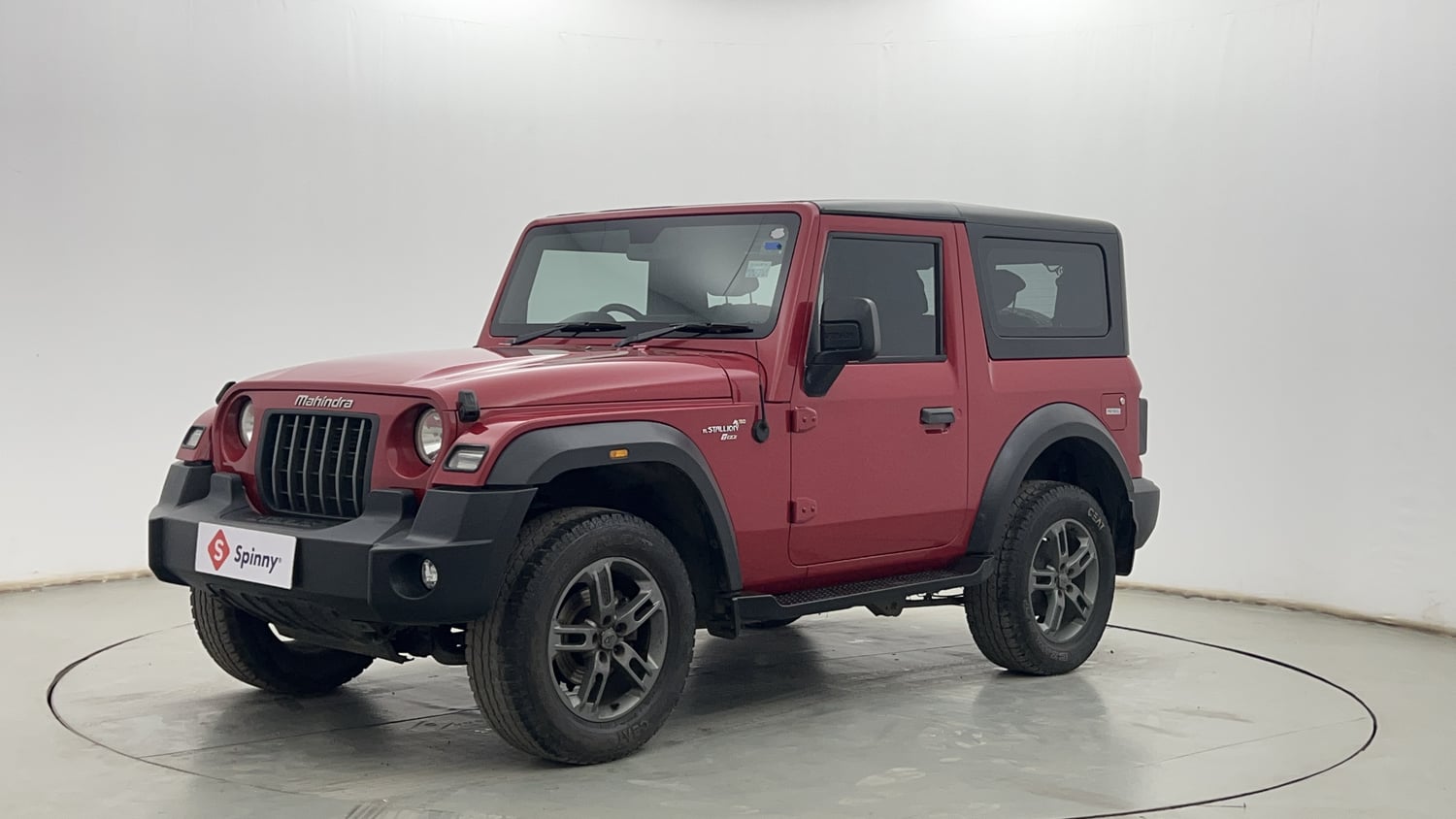
When it comes to the more adventurous aspect of the Indian spirit, few other SUVs embody this quite like the Mahindra Thar. When travelling to Leh-Ladakh or going to the beach, the Thar has become the steed of choice for those looking to offer more than mere capability. However, when purchasing a pre-owned Thar – as rugged as the vehicle is – one must look beyond the skin-deep appearance.
A properly looked-after Thar can remain with you for many years. However, if the vehicle has been misused and improperly serviced, the money in your pockets could diminish faster than anticipated. From the engine to the rusting underneath the vehicle, to the waterproofing of the soft-top, and the status of the 4×4 system, each aspect is important.
Documentation and Ownership Verification
Before you decide to pop the hood for inspection, start with the paperwork. This will help ensure that the pre-owned Mahindra Thar you are interested in buying is free of all liabilities. This also helps the owner track the vehicle’s history, from previous owners to insurance claims.
The first thing to check is the Registration Certificate (RC), which should include the variant name, engine number, chassis number, and the type of fuel used in the variant. If there are discrepancies in any of the numbers, that’s already a serious concern. The service history should also be verified to ensure the details mentioned above.
The insurance should also be in force and refer to the same owner as the RC. To view the vehicle’s claim history and check whether any major repairs were carried out due to accidents, the insurer’s website can be accessed. For vehicles purchased under financing, the bank NOC and Form 35 confirming the loan has been closed should also be provided.
In fact, conduct a quick verification check on the Parivahan portal for any pending challans or disputes related to the ownership of your vehicle.
Exterior and Body Condition
Examine the exterior of the Mahindra Thar to see how the vehicle has been driven and how it has performed off-road. To begin the inspection, which was carried out in broad daylight. This will enable you to view scratches, dented panels, and repaints. Inconsistent paintwork can reveal whether the vehicle has been involved in a crash.
Make sure the underside is free of rust or corrosion, especially where the wheels are located. This happens in the more senior Thars that have been involved in water crossing or coastal routes. Do not skip the bumpers at the front and back. This has been repaired in many vehicles after knocking off-road or replaced with less accurate steel bumpers.
For the soft-top variant, the roofing fabric should be examined for signs of deterioration, such as holes and water spots, as water leaks can cause damage to the interior. In the hard-top variant, the roof edges should be checked for water leaks.
Finally, reexamine the alignment of the auto’s panels. Misaligned gaps between the bonnet, doors, and fenders can indicate whether the vehicle has been in previous accidents or repaired improperly.
Interior Condition and Features
After verifying the authenticity of the exterior model, it’s time to go inside, as the interior can also reveal much about the Mahindra Thar’s usage. This begins with the condition of the seats. Excessive sagging or worn-out seats can demonstrate how the vehicle has been used. In the soft-top version, the seats should also not have a musty odour or water spots.
Next comes the checking of each of the electronics in the vehicle: the power windows, the locking systems, the infotainment screen, and finally the A/C. The A/C should blow cold and make a few sounds; otherwise, the condenser might already be clogged, or the compressor might not be strong. In vintage cars, the dashboard should not have loose switches or knobs.
Examine the instrument cluster for warning lamps that remain illuminated when the engine has been started. The Thar mileage recorded should correlate with the vehicle’s age and maintenance history. The mileage indication should not match the excessive wear apparent on the pedals, and the steering should not be consistent with a Thar’s age.
Finally, look for signs of water ingress in the storage spaces, seatbelts, and floor. This can happen if the vehicle has been driven off-road or at the beach. An internally clean and dry vehicle can only result from a meticulously cared-for Thar.
Engine and Performance Check
In the Mahindra Thar, the engine is the heart of the car. This has to be the most detailed area, from the earlier 2.5-litre CRDe to the current 2.2 mHawk and 2.0-litre turbo petrol engine options available in the latest ranges of the vehicle. All the engines are designed to last longer.
The first thing would be to open the bonnet and check the levels of the engine oil, coolant, and brake fluid. The engine oil should be clean and amber-coloured. Black engine oil or dirt-laden oil indicates the service is long overdue. The coolant should be at the correct level and free of rust or oil contaminants.
Turn the ignition switch and listen for the engine as it idles. Even-pitched humming indicates a healthy engine. However, tapping or hissing sounds can point to problems. Next, take the engine for a light rev. Blue or black smoke emanating from the exhaust indicates burning oil.
During the short drive, observe acceleration and the accelerator’s response. The Thar should accelerate smoothly rather than shudder. A lack of acceleration can indicate issues with the turbo or fuel injectors.
In addition, check the engine bay and the underside of the car for signs of oil leaks – this can suggest worn-out gaskets or seals. Of course, finding the engine bay spotlessly clean isn’t necessarily a positive indication, either; maybe the bay has been cleaned to disguise any leakages.
Transmission, 4×4, and Drivetrain
The Mahindra Thar has its charm because of its off-road DNA; however, this comes at the cost of the engine and transmission needing thorough inspection. They tend to experience significant wear and tear when driven off-road.
Firstly, operate the clutch. This should have firm resistance to pedal operation but not feel too heavy. This can be due to worn-out clutch plates or a leak in the slave cylinder. To perform the test-drive checks, operate the clutch and change through all gears. This should happen smoothly and should not grind or drag. During the test drive, pay attention to any whining or clunking when changing gears.
When purchasing the 4×4 version of the truck, the H4 and L4 ranges should both be engaged. This transition should be smooth, and the truck should respond as expected when the torque engages. Stiff shifting or failure to illuminate the 4WD light can indicate problems with the truck’s transfer case or actuator.
Examine the underside and differential covers for signs of oil leaks, scratches, or cracked housings indicative of off-road usage. In addition, check the vehicle for any vibration during drive; this can point towards worn-out propeller shafts or universal joints.
Finally, the hand brake should operate flawlessly. This includes working properly when going down hills. Those used in hill terrain can sometimes have their cables weakened.
Suspension, Steering, and Brakes
Even a used Mahindra Thar can present a sturdy exterior, but the shocks and steering can tell the story of how many rugged landscapes the vehicle has traversed. As many owners drive their Thars on rugged paths, the quality of these components can and should be closely examined.
Begin with the ride height: the vehicle should be level at both ends. Leaning or uneven vehicles can point towards worn-out springs or broken suspension arms. When the vehicle is being driven for the first time, listen for any clunking or grinding sounds when entering bumps or potholes. Such sounds can point towards the bushes/shock absorbers.
Next up would be the steering wheel’s response. This should remain tight and responsive. Lateral play or vibrating can point towards misaligned wheels or a bent steering link. This can commonly happen in the Thar variant used for rugged terrain.
The brake pedal should feel firm when pressed and require only moderate pressure. A grinding noise when braking indicates worn-out brake pads or warped discs. In addition, the brake lines and master cylinder should be examined for any signs of leaks or rust.
Additionally, check the underside. Rust can be seen on the frame above the leaf springs and at the shock mounts. Even slight rusting can develop into serious problems if left unchecked.
Electrical and Safety Systems
“A Mahindra Thar can sometimes have a rugged look, but sometimes the electronics underneath can be quite delicate. In fact, sometimes the electricals can become more problematic than the mechanics. As many owners of the Thar tend to modify the vehicles with off-road lights, sound systems, or winches, it can become important to check that all the wires are in place.”
| Component | What to Inspect | Signs of a Problem | Why It’s Important |
| Battery & Terminals | Check the voltage and look for corrosion | White residue, weak cranking | Prevents sudden breakdowns and ensures smooth starts |
| Headlights & Indicators | Turn on all lights and verify brightness | Flickering or dim light | Crucial for night visibility and road safety |
| Wipers & Washers | Activate the washer and wiper together | Jerky or no movement | Indicates motor or linkage issues |
| Horn & Switches | Test all switches and the horn | Delayed or no response | Could point to faulty wiring or blown fuses |
| Instrument Cluster | Watch dashboard lights after ignition | Warning lights stay on | Signals electrical or sensor issues |
| Airbags | Ensure the light turns off post-ignition | Airbag icon remains lit | May indicate inactive or malfunctioning airbags |
| ABS / Traction Control | Test and check the indicator response | Warning light remains on | Essential for safe braking performance |
| Aftermarket Accessories | Inspect fog lamps, winch, or light bars | Exposed or loose wires | Poor installations can lead to short circuits |
Modification and Off-Road History
As for the Mahindra Thar, modifications have become the norm. This has led many owners to opt for lift kits, bigger tyres, snorkels, and LED light bars, among other modifications. While the above modifications seem cool, some of them can affect the vehicle’s handling and insurance validity.
First, the owner should be asked for a list of modifications. This can include whether the components were installed in a workshop or by the manufacturer. Faulty wiring or improperly calibrated components can cause components to degrade sooner or create electrical hazards.
Pay keen attention to the bigger tyres or alloy wheels. Oversized tyres can appear quite rugged, but can also compromise the Thar’s fuel efficiency and even its steering geometry. Similarly, customised bumpers and off-road bars can hamper the original crash safety systems.
If the Thar has been used excessively for off-roading, check the body for scratches and rust. Dried mud and water spots in crevices might also reveal the SUV’s usage patterns. In addition to the above steps, the 4WD system should also be inspected for excessive wear. This might happen when the 4WD mode shifts excessively during off-roading activities.
Finally, check whether the modifications made to the vehicle are reflected in the insurance coverage. This is because undisclosed modifications will render the claims process ineffective in the event the vehicle is damaged.
Test Drive Evaluation
Test drive: The best thing that can happen to a pre-owned Mahindra Thar happens during the test drive. This is the point at which everything comes together: the checks involving the engine, one of the types of suspension system, steering system, and 4×4 system. Do not rush through the test drive.
Initially, start the process by turning the key to observe the starting procedure. The engine should start immediately, and the startup should produce neither excessive smoke nor excessive vibration. While on the drive, the Thar should have smooth acceleration, smooth gear changing, and stable engine temperatures.
Listen attentively for rattles, bumps, or humming sounds. These can indicate worn joints or loose bearings. Engage the 4×4 mode in a gravel pit or open area. This should switch effortlessly. Do this: Tap the 4×4 mode in the gravel pit or open area. This should happen quickly.
The steering should be firm but responsive. If the car tends to veer towards one side or the vibration of the steering wheel builds at higher speeds, this could suggest misaligned wheels and/or worn-out tyres. When braking, the Thar should straighten up. Pulling, squealing, or vibrating when braking suggests imbalanced brakes or warped discs.
Finally, review the interior’s safety. Leaking doors or excessive turbulence from strong winds or road noise may indicate a lack of insulation.
Price and Negotiation
Now that your mechanic and visual checks are complete, it’s time to assess whether the purchase price reflects the Thar’s true condition. This will help you negotiate the purchase.
Begin with comparisons between listings of the same model year, version, and mileage. In context, the resale performance of the Thar has been strong more so for the newer BS6 version and the diesel automatic variant. Hence, the price variation for the CRDe or DI variant SUVs might look different.
While negotiating the purchase of the SUV, focus on the vehicle’s general maintenance. As a reason for reducing the price, point towards the worn-out tyres or rusted areas. Do not overspend on additional accessories, as their effect is purely cosmetic.
Here’s a quick table to assess what can or should be negotiated:
| Evaluation Area | What to Compare/Check | How It Affects Price | Negotiation Strategy |
| Model Year & Variant | Older CRDe vs. new mHawk/turbo-petrol | Newer models command a premium | Use older variant depreciation as leverage |
| Mileage | 10,000–15,000 km/year is ideal | High mileage lowers resale | Deduct for extra wear and tear |
| Service History | Authorised service records preferred | Lack of proof reduces confidence | Negotiate 3–5% lower if unavailable |
| Exterior Condition | Paint, rust, body alignment | Visible damage reduces value | Estimate repaint or dent costs |
| Interiors & Electricals | Working infotainment, A/C, safety systems | Faulty parts need replacement | Factor in repair costs during the discussion |
| Tyres & Brakes | Tyre tread, brake feel, even wear | Worn components indicate cost | Ask for ₹8,000–₹15,000 adjustment |
| Off-Road Use | Check for underbody scrapes, dents | Hard use affects longevity | Use as leverage to reduce price |
| Modifications | Lift kits, LED bars, snorkels | Can impact insurance or handling | Negotiate neutral value (no premium) |
| Market Comparison | Cross-check CarDekho, Spinny, Autocar | Ensures fair pricing | Present comparable listings during talks |
Once both sides agree, document the deal clearly with a signed Form 29, Form 30, and a delivery note. Ensure partial payments aren’t made until the formalities for ownership transfer are initiated.
Final Checklist Before Purchase
Before handing over the keys to your new Mahindra Thar, let’s get through this final checklist together. Make sure all legal and ownership matters are in order. This might seem like the boring part of buying a car, but the difference between a proud purchase and a future concern starts here.
Ensure that all documents, especially the RC, insurance documents, and NOC documents (if the vehicle is financed), are in your name or ready for transfer. Ensure that the original keys, the user manuals, and the service manuals are all in hand. Finally, after completing all the documentation formalities, perform a final test drive to ensure the vehicle drives just as it did during the previous inspection.
Here’s a brief rundown of everything that must be confirmed before final payment and delivery:
| Category | Action to Take | Verification / Notes |
| Ownership Transfer | Apply for RC transfer on the Parivahan portal | Ensure seller’s signature on Form 29 & 30 |
| Insurance | Transfer policy or issue a new one | Update IDV and policyholder name |
| Loan Closure (if financed) | Collect NOC and Form 35 from the bank | Verify no hypothecation on RC |
| Pollution Certificate (PUC) | Renew or obtain a fresh PUC | Must be valid for road use |
| Service & Fluids | Replace oil, filters, and brake pads | Recommended for every used vehicle |
| Tyres & Wheel Alignment | Inspect tread depth and balancing | Smooth ride and safe braking |
| Battery & Electricals | Check voltage, alternator, and wiring | Prevents sudden breakdowns |
| Spare Key & Toolkit | Confirm both keys and basic tools are present | Often overlooked during delivery |
| Warranty / Recall Check | Visit Mahindra’s official website for recall info | Request proof if any recall was completed |
| Test Drive Recheck | Short drive after signing paperwork | Final feel check before taking delivery |
Completing this list ensures that your ownership starts hassle-free with all systems verified and every formality handled responsibly. Once everything checks out, you’re ready to enjoy the open road, Thar style.
Summary
When buying a used Mahindra Thar, the process is only the beginning. In fact, getting a Mahindra Thar means entering the world of the country’s most cherished off-road heritage. However, the rugged image of the Thar should not mislead you. From the engine and the transmission to the suspension and 4×4 components, checking each aspect will ensure that the Mahindra Thar you buy is rugged and worth the money.
A well-maintained Thar will last for many years, whether you plan to use the bike for commuting or for thrill rides. On the other hand, a neglected bike can easily convert your thrill ride into a cost. Hence, the importance of thoroughly checking the bike.
After checking off everything on your list, the only thing left to do is get behind the wheel, because at this point your Thar will be ready for anything that comes its way.
FAQs on Buying a Used Mahindra Thar
Q. Is it worth buying a used Mahindra Thar?
Yes, if it’s well-maintained. The Thar’s rugged design, capable 4×4 system, and strong resale value make it a great buy in the used market. Just ensure you inspect its off-road history, check the underbody for rust, and verify the service records before finalising the deal.
Q. What is the ideal mileage for a used Mahindra Thar?
For diesel models, 10,000–15,000 km per year is considered reasonable usage. Anything beyond that isn’t necessarily bad, but you should look for a full service history and check for signs of heavy use, especially on suspension and clutch components.
Q. Are modified Thars safe to buy?
It depends on how the modifications were made. Professionally installed accessories, such as off-road lights or bumpers, are usually fine, but extreme lifts or engine remaps can affect stability and void insurance coverage. Always verify that mods are declared in the insurance policy.
Q. Which variant of the Mahindra Thar is best for used buyers?
The BS6 2.2-litre diesel manual 4×4 offers the best balance between performance, reliability, and fuel efficiency. If you drive mostly in cities, the 2.0-litre turbo-petrol automatic is smoother and easier to handle.