

The Tata Punch is among the top-rated micro SUVs in the country. People love it for being small, rugged, and highly usable. The 2026 facelift also improves the Punch, bringing updated features along with an all-new electric version in addition to the petrol and CNG guises.
Most of the car buyers consider mileage as one of the key aspects. Tata Punch offers you petrol and CNG, and obviously an all-electric unit, and each one comes with its own blend of performance, price point, and efficiency. Petrol is the everyday easy to live with, CNG saves a bit in your fuel money outlay, and the electric version has a tiny running cost with zero emissions.
We will compare all three with respect to mileage, real-world performance, running cost and usage considerations in this article. It should help you decide which Tata Punch variant best fits your requirements.
Table of Contents
Tata Punch ARAI Mileage Figures
The ARAI mileage figures indicate a benchmark for various fuel types, but are performed under controlled conditions. These numbers provide insight into how efficient each variant might be.
| Engine & Transmission | ARAI Mileage (km/l / km/kg / km) |
| 1.2 Petrol Manual | 20.09 km/l |
| 1.2 Petrol AMT | 18.80 km/l |
| 1.2 CNG Manual | 26.99 km/kg |
| Punch EV (Medium Range) | 365 km |
| Punch EV (Long Range) | 468 km |
Even though the petrol variant returns an adequate mileage for city driving, CNG undoubtedly wins in the efficiency department as far as running costs are concerned. The range is another strong point for the electric version, as is the 0 L/100 km rating.
To keep its segment best, if you are in search of Punch CNG Mileage, then the figure of 26.99 km/kg is suitable within the segment.
Also Read:Comparison: Tata Punch EV vs Tata Punch Petrol vs Tata Punch CNG
Tata Punch Real World Mileage vs ARAI Mileage
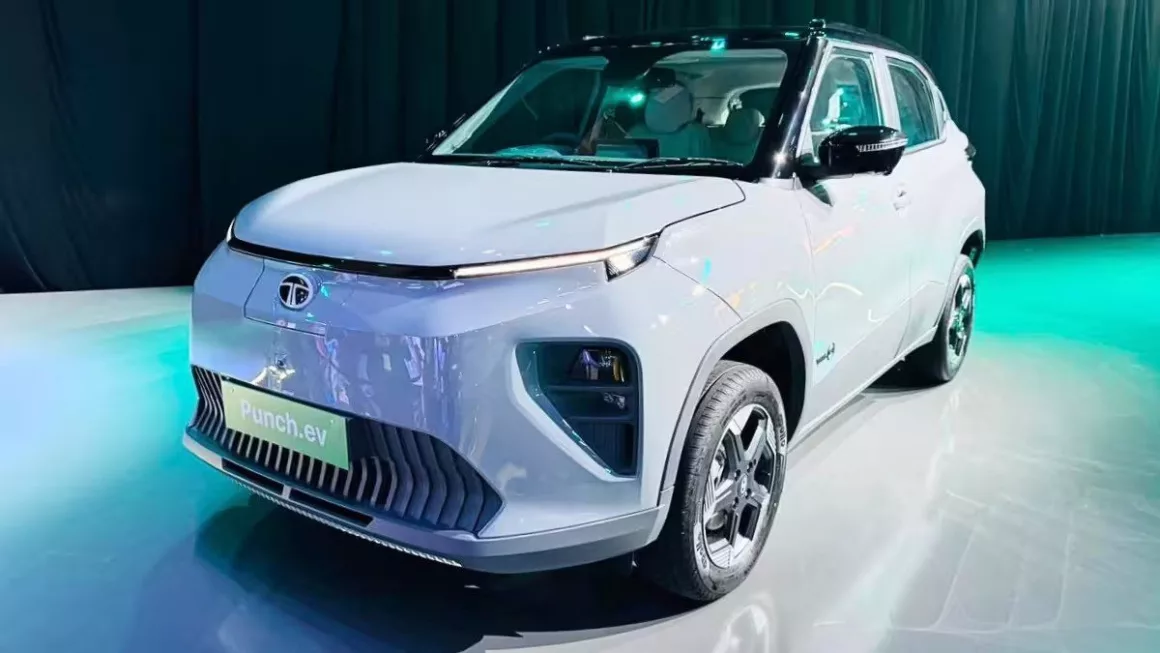
While ARAI figures are useful for comparison, in the real world, efficiency can change considerably based on our everyday drives. Mileage can vary depending on traffic, driving habits, terrain, and load.
The petrol Punch returns about 14–17 km/l figures in the city and about 17–19 km/l on the highways in real-world conditions. The CNG version generally provides around 20–24 km/kg in the city and a bit higher on the highway, depending on your driving style.
Since the electric Punch strikes on a different field than a fossil fuel one, turning the dial does not work quite the same. The punch EV range in normal usage is between 260 – 300 km for the medium range version and between 330 – 370 km for the long range version, depending on driving conditions, AC use, and topography.
This gap between ARAI and real-world figures is because ARAI tests are done under controlled circumstances, while real-life driving involves frequent braking, acceleration and fluctuations in traffic.
Tata Punch Fuel Efficiency Comparison
PETROL
Each fuel type in the Tata Punch is designed for a different kind of user, depending on how and where you drive. The petrol variant, for anyone who wishes to experience a no-fuss driving experience. No special setup, simple to use, really decent in the city and usable on the highway once in a while.
CNG
Opting for the CNG variant is a perfect choice if you want to save money on daily fuel fill-ups. It provides improved cost efficiency over petrol, particularly for routine urban usage. However, it does feel marginally less powerful than petrol, especially with a full load or driving up hills.
ELECTRIC
The electric variant is ideal for anyone seeking the lowest cost of ownership and a more environmentally friendly approach to motoring. Given that it was electric-powered so no need for gas consumption or exhaust release. It is particularly effective in city driving situations, where frequent stopping and starting is the norm. But it does need charging, and longer journeys will require a plan.

Tata Punch City Fuel Efficiency Comparison
In the case of city driving conditions, stop-and-go traffic, frequent braking, and low speeds, fuel efficiency suffers.
The petrol Punch is easy to drive in the city as it is smooth and seamless, offering a real-world mileage of about 14–16 km/l in most cases, and while the Punch is a comfortable and versatile everyday car, it works even better where CNG or charging infrastructure is still tough to come by.
Though the CNG variant makes all the difference when you look at cost efficiency, returning almost 20–22 km/kg in the city. But it does seem a little less potent than petrol if laden to the hilt.
The most city-friendly is the electric Punch. However, EVs are excellent at stop-and-go traffic and provide great efficiency with almost zero running cost. It further brings down the cost compared to petrol and CNG when charged at home.
All types of fuel are affected by driving style, traffic conditions, and the use of air conditioning makes city efficiency worse.
Also Read: Complete Buying Guide: Tata Punch
Tata Punch Highway Fuel Efficiency Comparison
On highways, the differences between petrol, CNG, and electric vehicles become more noticeable.
The petrol variant would return around 17–19 km/l on highways, which makes it a good long-distance driver. It performs much better in those circumstances than CNG does.
The CNG trim is said to offer 22-25 km/kg on the highways, but it lacks the grunt during overtaking or while driving at high speeds.
The Punch is a perfectly usable highway range, but it does need to be planned around charging stops. It is okay to drive, but at fast speeds, the range starts to run low – especially if you are driving for long durations on motorways.
Most fuel types are managed better with a consistent speed and smooth driving style, so keep the throttle steady.
Also Read: How to Buy a Used Tata Punch
Tata Punch Fuel Cost Comparison
Your daily mileage determines the type of fuel you choose in 2026. So, although Petrol variants offer a lower initial investment, in the long run, the CNG and Electric variants prove to be massive cost savers for high-usage drivers.
(Assumption: Petrol ₹100/litre, CNG ₹75/kg, Electricity ₹8/unit)
| Metric | Petrol | CNG | Electric |
| Monthly Running | 1500 km | 1500 km | 1500 km |
| Monthly Fuel Use | ~75 litres | ~56 kg | ~215 units |
| Average Monthly Fuel Cost | ₹7,500 | ₹4,200 | ₹1,720 |
| Average Yearly Fuel Cost | ₹90,000 | ₹50,400 | ₹20,640 |
| 5-Year Fuel Cost | ₹4,50,000 | ₹2,52,000 | ₹1,03,200 |
As evident from the table, electric is the cheapest in terms of running cost, followed by CNG, with petrol proving to be the most expensive in terms of fuel cost. Petrol variants are more economical to buy, but cost more over the long run. Conversely, the punch EV price is higher at the outset, but it becomes more affordable in the long run with its lower running cost.
Tata Punch Mileage vs Competitors
The Tata Punch competes with several entry-level SUVs and hatchbacks in the Indian market.
| Model | Petrol Mileage | CNG Mileage | Electric Range |
| Tata Punch | 20.09 km/l | 26.99 km/kg | Up to 468 km |
| Hyundai Exter | 19.4 km/l | 27.1 km/kg | NA |
| Maruti Ignis | 20.89 km/l | NA | NA |
| Citroen eC3 | 19.1 km/l* | NA | 320 km |
Among this segment, only the Tata Punch offers petrol, CNG and electric options combined. The punch petrol price is favourable for a lot of buyers; its CNG efficiency and EV range further add to its appeal, making it a strong choice for those looking for flexibility.
Summary
These three fuel options cater to different requirements that the Tata Punch has to offer. Buyers seeking a simple, straightforward everyday car should stick with the petrol variant. Low on maintenance, and purely local and occasional highway driving friendly. The CNG variant is perfect if you want to save on fuel costs. This makes it an ideal one for daily commuting as it does provide excellent efficiency and a low running cost.
Running cost wise, the electric Punch is the most cost-effective choice. It has a respectable range, it’s zero emissions, and it will cost peanuts per kilometre to run. It does require access to charging infrastructure, though.
So, in all, the electric Punch is naturally the king if running costs are your sole priority here. CNG is a credible option for balancing cost and convenience. For drivers looking for convenience and versatility, petrol is still a solid choice.
FAQs about Tata Punch
Q. What is the mileage of Tata Punch petrol?
The petrol version gives around 20.1 km/l as per ARAI, but real mileage may be slightly lower depending on usage.
Q. What is the mileage of Tata Punch CNG?
The CNG version offers about 26.99 km/kg as per ARAI and is more fuel-efficient than petrol in daily use.
Q. What is the real-world range of Tata Punch EV?
The EV can run around 260–370 km on a full charge depending on driving style and road conditions.
Q. Which Tata Punch variant is most cost-efficient?
The electric version has the lowest running cost, followed by CNG for better fuel savings.
Q. Is Tata Punch good for long drives?
Yes, petrol and CNG variants are suitable for long drives, while the EV needs some charging planning.
Q. What is CNG mileage in Tata Punch?
The Tata Punch CNG offers around 26.99 km/kg as per ARAI figures, translating to roughly 20-24 km/kg in real-world city driving.
Q. What is the mileage of the Tata Punch automatic CNG?
The Punch CNG is now offered with an AMT automatic, and its mileage stays close to the manual at around 26 km/kg (ARAI), with real-world figures near 19–21 km/kg.