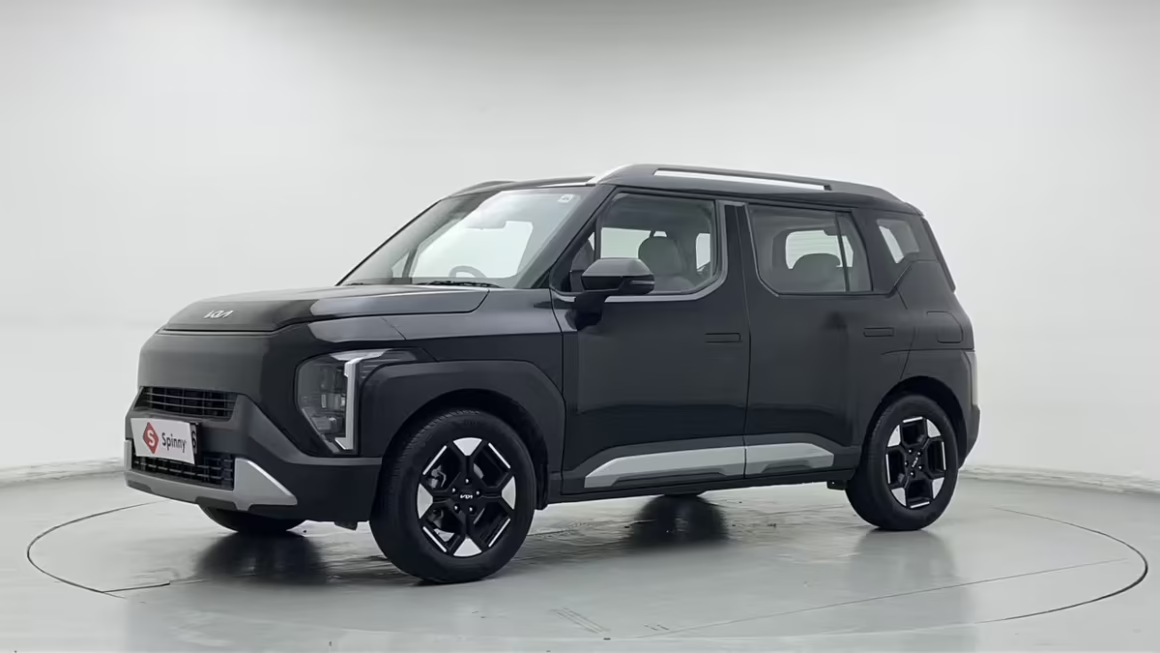
Kia Syros and Kia Sonet are two compact SUVs with different target consumers. The more compact and affordable Sonet emphasises practicality and engine options for city roads. The car also has more interior space than the Sonet, which can fit luggage, passengers, and plenty of comfort amenities. However, both cars are under four meters in length, but the Syros model is wider, taller and heavier.
The Syros shares its 1.0-litre turbo-petrol and 1.5-litre diesel engines with the Sonet. Their automatic gearboxes are also similar, making the effect of weight and body design clearer. The Sonet additionally offers a 1.2-litre naturally aspirated petrol engine. Although their claimed figures appear competitive, real-world testing shows considerable differences. Here is how they compare on specifications, mileage and fuel costs.
Table of Contents
Kia Syros vs Kia Sonet Specs
The following table compares the main specifications of the Kia Syros and Kia Sonet:
| Specification | Kia Syros | Kia Sonet |
| Petrol engines | 1.0-litre Turbo GDi petrol | 1.2-litre MPi petrol1.0-litre Turbo GDi petrol |
| Diesel engine | 1.5-litre CRDi diesel | 1.5-litre CRDi diesel |
| Displacement | Petrol: 998 cc Diesel: 1,493 cc | Petrol: 998 cc/1,197 ccDiesel: 1,493 cc |
| Petrol power | Turbo GDi: 120 PS | MPi: 83 PS; Turbo GDi: 120 PS |
| Petrol torque | Turbo GDi: 172 Nm | MPi: 115 Nm Turbo GDi: 172 Nm |
| Diesel power | 116 PS | 116 PS |
| Diesel torque | 250 Nm | 250 Nm |
| Petrol transmission | 6-speed MT7-speed DCT | 5-speed MT for MPi6-speed iMT/7-speed DCT for turbo petrol |
| Diesel transmission | 6-speed MT/6-speed torque-converter AT | 6-speed MT/iMT6-speed torque-converter AT |
| Drive layout | Front-wheel drive | Front-wheel drive |
| Length | 3,995 mm | 3,995 mm |
| Width | 1,805 mm | 1,790 mm |
| Height | 1,680 mm | 1,642 mm |
| Wheelbase | 2,550 mm | 2,500 mm |
| Approximate kerb weight | 1,225–1,350 kg | 1,081–1,233 kg |
| Fuel tank capacity | 45 litres | 45 litres |
The shared turbo-petrol and diesel engines produce identical outputs. Still, Syros carries more weight and thus uses more power during acceleration due to its height, larger cabin, the number of additional equipment, and greater wheel size. This is evident in the driving conditions experienced, especially in urban traffic. The Sonet’s lighter weight allows both models to achieve greater efficiency in accelerator use and thus lower fuel consumption.
The Syros has an extra 50 mm of wheelbase and is 15 mm wider and 38 mm taller. This creates a more spacious rear seat but increases frontal area and mass. Both use a 45-litre tank, so the efficient Sonet generally travels farther between stops. The Syros instead prioritises passenger comfort and equipment.
Kia Syros vs Kia Sonet: ARAI Mileage Figures
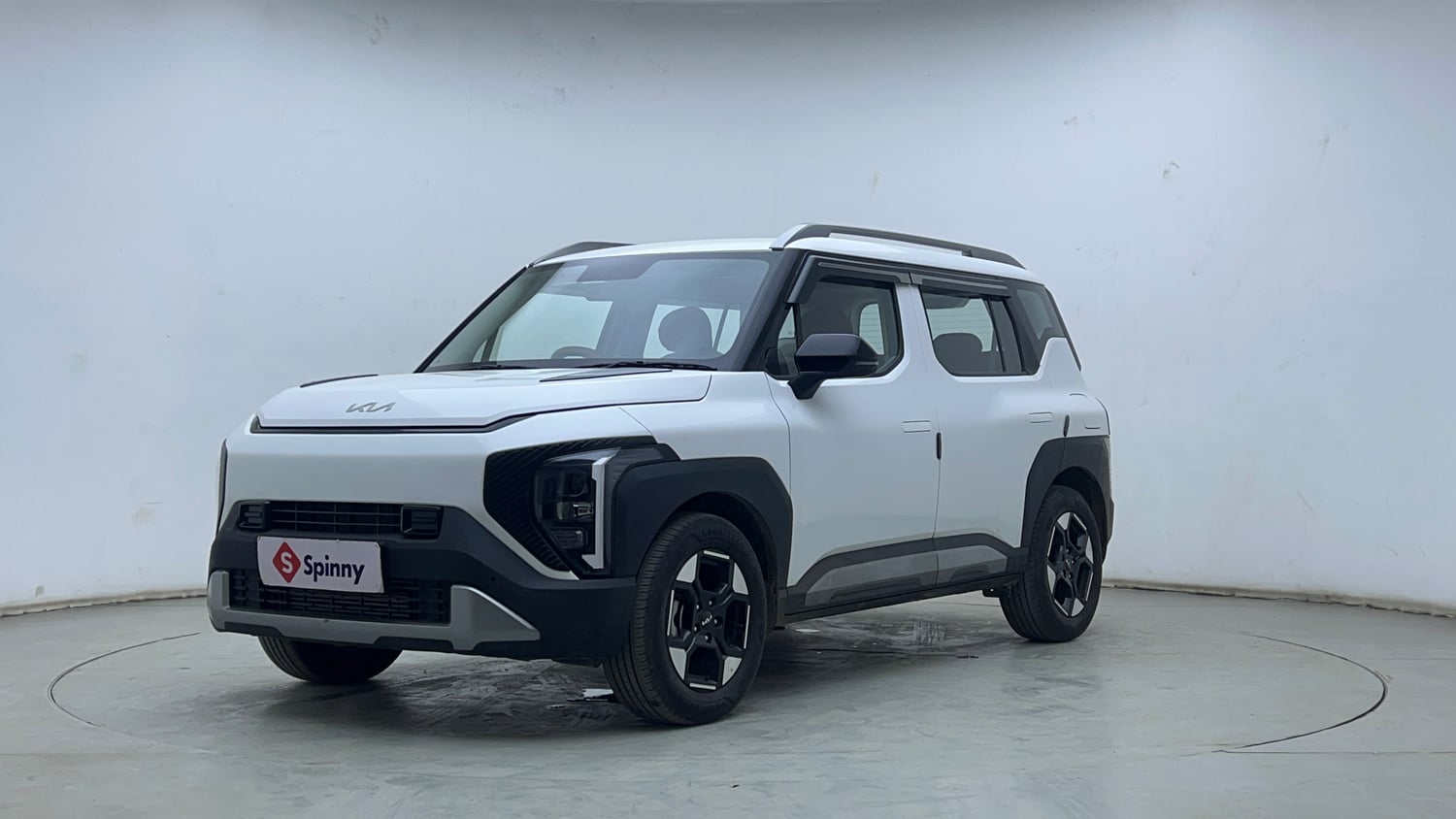
The Sonet is superior to its rivals in terms of options, as it offers a 1.2-litre petrol engine alongside the shared turbo-petrol and diesel engines. While the specs are promising, the Sonet has almost every other comparison in terms of powertrains. The manual diesel version is rated highest in claimed performance, while the turbo DCT outperforms the Syros DCT equivalent.
| Engine and Transmission | Fuel Type | Kia Syros ARAI Mileage | Kia Sonet ARAI Mileage |
| 1.2-litre petrol manual | Petrol | Not available | 18.80 km/l |
| 1.0-litre turbo-petrol manual/iMT | Petrol | 18.20 km/l | 18.70 km/l |
| 1.0-litre turbo-petrol DCT | Petrol | 17.68 km/l | 19.20 km/l |
| 1.5-litre diesel manual/iMT | Diesel | 20.75 km/l | 24.10 km/l |
| 1.5-litre diesel automatic | Diesel | 17.65 km/l | 18.60 km/l |
The difference reported is minimal when comparing manual turbo-petrol with automatic diesel vehicles, but more evident when comparing petrol DCT and diesel manual vehicles. Certifying tests cannot cover all aspects of the impact of traffic jams, short trips, AC usage, loads and driving style. Real-life data are more valuable when comparing cars with the same engine but different weights. They show whether the Syros can offset its weight through transmission efficiency or whether the Sonet’s weight advantage is critical.
Kia Syros vs Kia Sonet: Real World Fuel-Efficiency
Petrol reveals the largest difference. Instrumented Syros tests returned single-digit city mileage with both gearboxes. Highway efficiency improved but remained below the claim. The lighter Sonet generally stays in the low teens in cities and moves into the mid or high teens on highways.
| Driving Condition | Kia Syros Petrol | Kia Sonet Petrol |
| City | Manual: 9.1 km/lDCT: 8.3 km/l | 1.2 MT: 12–13 km/l Turbo iMT: 11–13km/l Turboo DCT: Around 12.7 km/l |
| Highway | Manual: 12.6 km/lDCT: 11.5 km/l | 1.2 MT: 16–1km/l Turbo iMT: 15–17 km/l Turbo DCT: Around 16.7 km/l |
| Mixed driving | Manual: 10.85 km/lDCT: 9.9 km/l | 1.2 MT: 14–16km/l Turboo iMT: 14–15 km/lTurbo DCT: Around 14.4 km/l |
| Driving Condition | Kia Syros Diesel | Kia Sonet Diesel |
| City | Manual: 15–17 km/lAutomatic: Around 11.3 km/l | Manual/iMT: 16–18 km/lAutomatic: Around 13.8 km/l |
| Highway | Manual: 19–21 km/lAutomatic: Around 15.4 km/l | Manual/iMT: 20–23 km/lAutomatic: Around 18.8 km/l |
| Mixed driving | Manual: Around 17.5 km/lAutomatic: Around 13.3 km/l | Manual/iMT: Around 18 km/lAutomatic: Around 16.3 km/l |
The Syros petrol manual is much more fuel-efficient than the DCT variant; however, neither vehicle is considered economical in heavy traffic. The Sonet turbo DCT, which is equipped with the same engine and gearbox, does a lot better on the road, especially on highways where it can take advantage of its light frame to sustain speed. The regular 1.2 Sonet is also a viable option for any sane driver who wishes to keep their expenses down. However, aggressive driving would negatively affect the fuel economy figures of both turbo-petrol cars, albeit to a lesser extent in the case of the lighter Sonet.
The diesel manuals are closer. A Syros manual can deliver around 17.5 km/l in mixed use, while the Sonet stays around 18 km/l and can exceed 20 km/l on highways. The automatic gap is wider: the Syros returns about 11.3 km/l in the city and 15.4 km/l on highways, compared with 13.8 km/l and 18.8 km/l for the Sonet.
Also Read: How to Improve Kia Seltos Reliability: Maintenance Tips
Kia Syros vs Kia Sonet: Fuel Cost Comparison
In this case, comparison calculations are done for automatic versions having the correct combination of turbo-petrol DCT and diesel torque-converter. The assumption in this calculation is a monthly running mileage of 1,500 km at an average of 9.9 km/l for the Syros petrol model, 14.4 km/l for the Syros diesel model, and 16.3 km/l for the Sonet diesel model. Pune pricing was assumed: ₹112.04 for petrol and ₹98.68 for diesel. Expenses may vary based on fuel prices and driving scenarios.
| Cost Parameter | Syros Petrol DCT | Sonet Petrol DCT | Syros Diesel AT | Sonet Diesel AT |
| Monthly running | 1,500 km | 1,500 km | 1,500 km | 1,500 km |
| Mileage used | 9.9 km/l | 14.4 km/l | 13.3 km/l | 16.3 km/l |
| Monthly fuel use | 151.52 litres | 104.17 litres | 112.78 litres | 92.02 litres |
| Monthly fuel cost | ₹16,976 | ₹11,671 | ₹11,129 | ₹9,081 |
| Yearly fuel cost | ₹2.04 lakh | ₹1.40 lakh | ₹1.34 lakh | ₹1.09 lakh |
| Five-year fuel cost | ₹10.19 lakh | ₹7.00 lakh | ₹6.68 lakh | ₹5.45 lakh |
In this case, the Sonet petrol DCT would save about ₹5,300 per month, leading to savings of more than ₹3 lakh in 5 years. Although one can expect that lighter traffic and some easier highway driving could narrow the gap, Sonet’s fuel economy will still be better. Syros petrol would be a good option for buyers who are ready to pay more for bigger space.
The Sonet diesel automatic saves about ₹2,050 per month and approximately ₹1.23 lakh over five years. Manual buyers will see a narrower difference because the Syros diesel manual is considerably more efficient than its automatic. High-distance Syros buyers should consider the manual, while the Sonet diesel AT better combines convenience and economy.
Also Read: Kia Seltos Mileage Comparison: Petrol vs Diesel vs Turbo Petrol
Kia Syros vs Kia Sonet Price
| Model | Variants | Approximate Ex-Showroom Price |
| Kia Syros | HTE to HTX(O) | ₹8.42 lakh–₹15.82 lakh |
| Kia Sonet | HTE to GTX+ | ₹7.41 lakh–₹14.37 lakh |
Sonet comes in lower than Syros because it has variants powered by a 1.2-litre petrol engine. Syros variants with more space and equipment tend to cost more than competitors’ variants. When it comes to economy and mileage, Sonet wins this competition; however, if comfort is the deciding factor, Syros surely wins.
Summary
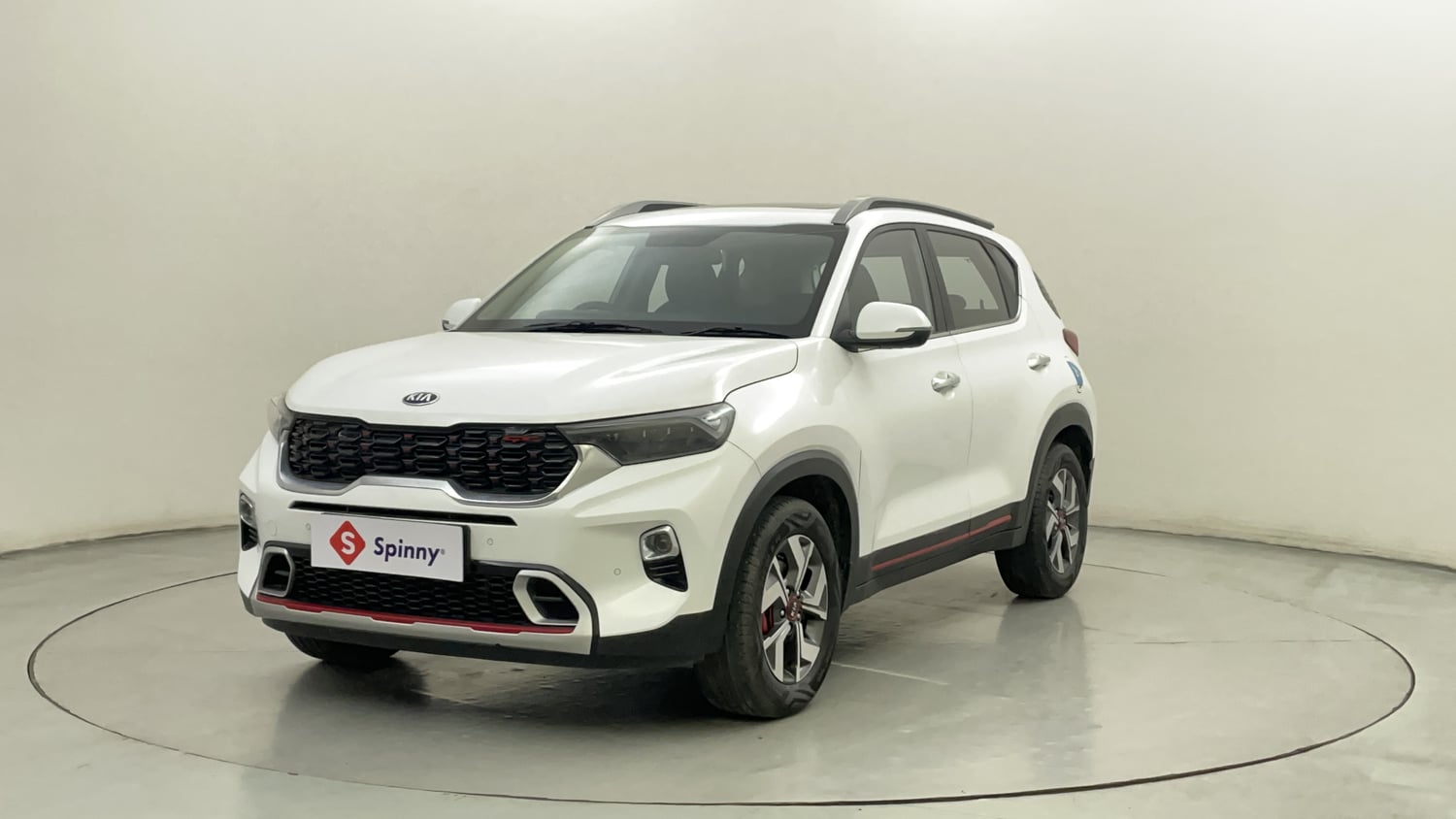
The Kia Sonet is the clear real-world mileage winner, particularly with the petrol DCT and diesel automatic. Its lighter body allows the shared engines to work more efficiently, while its lower purchase price strengthens its value. The Syros diesel manual remains reasonably economical and is the best Syros choice for high running. Choose the Sonet for lower fuel costs and a broader powertrain choice; choose the Syros when passenger space and comfort matter more than mileage.
Related Blogs:
Kia Seltos Real World Mileage
Hyundai Creta vs Kia Seltos Real World Mileage Comparison
Maruti Fronx vs Nissan Magnite: Real World Mileage Comparison
FAQs About Kia Syros vs Kia Sonet Mileage
Q. Which delivers better real-world mileage, the Kia Syros or Kia Sonet?
The Kia Sonet delivers better mileage across most comparable variants. The advantage is particularly large between the petrol DCT and diesel automatic versions, while the diesel manuals are more closely matched.
Q. What is the real-world petrol mileage of the Kia Syros?
The Syros petrol manual returns approximately 9.1 km/l in the city and 12.6 km/l on highways. The DCT delivers around 8.3 km/l in the city and 11.5 km/l on highways.
Q. What is the real-world petrol mileage of the Kia Sonet?
The Sonet petrol variants generally return around 11–13 km/l in the city and 15–18 km/l on highways. The exact result depends on whether the car has the 1.2-litre petrol, turbo iMT or turbo DCT.
Q. Which diesel automatic is more fuel-efficient?
The Sonet diesel automatic is more fuel-efficient. It can deliver around 13.8 km/l in the city and 18.8 km/l on highways, compared with approximately 11.3 km/l and 15.4 km/l from the Syros diesel automatic.
Q. Why does the Sonet deliver more mileage despite using the same engines?
The Sonet is smaller and lighter than the Syros. Its engines therefore need less fuel to accelerate and maintain speed, especially in traffic. The taller and heavier Syros uses more energy but provides additional cabin and rear-seat space.