The Hyundai i10, which was in production from 2010 until 2017 in India, is a small urban hatchback that is easy to handle, has a large cabin space, and an efficient petrol engine. This gallery contains pictures of the facelifted first-generation Hyundai i10 in addition to images of the front, side and rear exterior: dashboard, front seating, second row seating, the boot and colour options.
The facelifted range used 1.1-litre iRDE2 and 1.2-litre Kappa2 petrol engines, although the 1.2-litre Sportz and Asta versions were phased out after the Grand i10 arrived in 2013. Used Hyundai i10 cars can also be explored on Spinny.
Table of Contents
Hyundai i10 Exterior Images
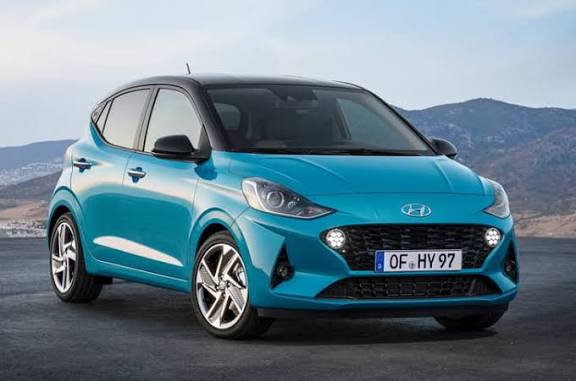
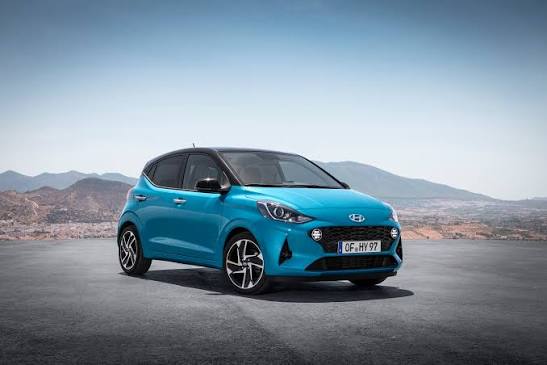
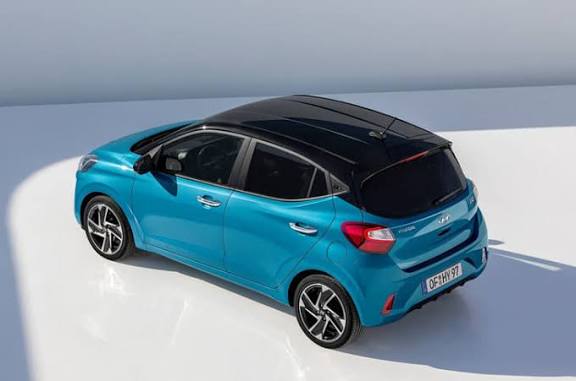
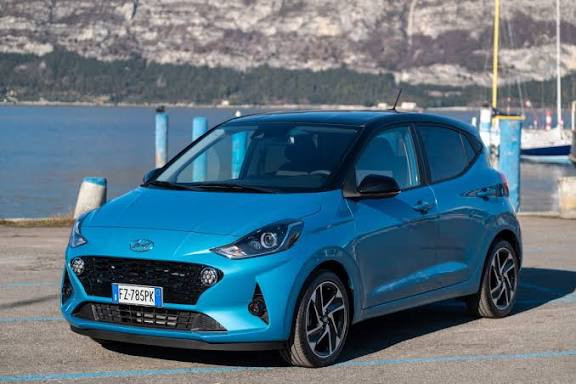
The facelifted i10 has a compact hatchback with a rounded shape, with a short bonnet, tall roofline, and a large glass area. At the front, the compact hatchback features a custom-designed grille, revised headlamp housing and redesigned rear bumper; therefore, it appears more modern than the previous model without compromising the space-efficient proportions.
The India-spec i10 measures 3,585 mm long, 1,595 mm wide and 1,550 mm tall, with a 2,380 mm wheelbase. Depending on the year and variant, it came with steel wheels, wheel covers or alloy wheels, while higher trims added fog lamps, mirror-mounted indicators and extra chrome detailing.
Key Highlights
| Exterior Feature | Highlight |
| Front design | Revised grille and swept-back headlamps |
| Lighting | Halogen headlamps with fog lamps on higher variants |
| Wheels | Steel wheels, wheel covers or alloys depending on trim |
| Rear styling | Tall tail lamps and compact upright hatch |
Front Profile
From a frontal view, it’s easy to see the degree of maturity the facelifted i10 possesses compared to previous generations. The wider lower grille, a new, better-defined bumper, and more angular headlamps provide a more defined facial location. Higher trim level i10s have an added touch of class from a slim chrome strip running across the top of the grille.
The short bonnet makes the car easy to judge in traffic and while parking. Selected higher variants add fog lamps, while the large windscreen improves forward visibility.
Side Profile
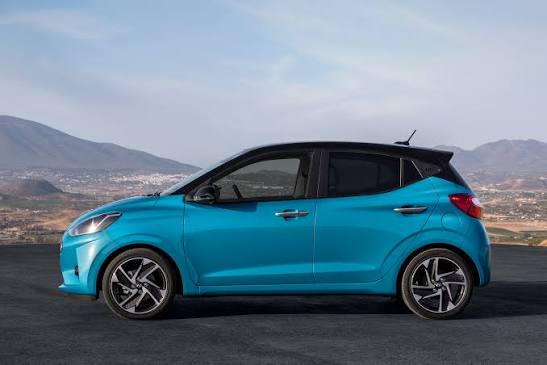
Viewed from the side, the facelifted i10 appears to be a tall-roof hatchback shape, with short front and rear overhangs and a long main passenger compartment. The i10’s 2,380 mm wheelbase consumes a large portion of the car’s overall length, allowing for excellent use of space in the rear seat area, despite the vehicle’s compact size.
Wheel design varies by year and trim, from steel wheels to wheel covers or alloys. Higher variants also add body-coloured mirrors and integrated turn indicators.
Rear Profile
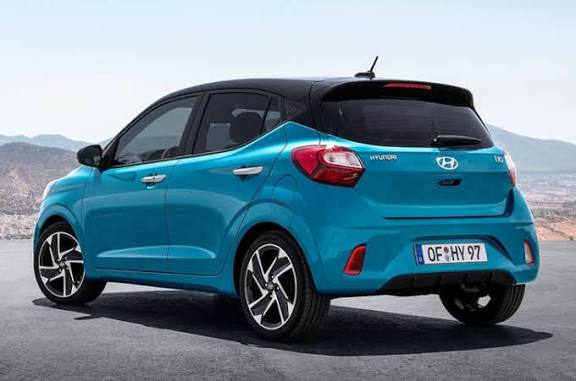
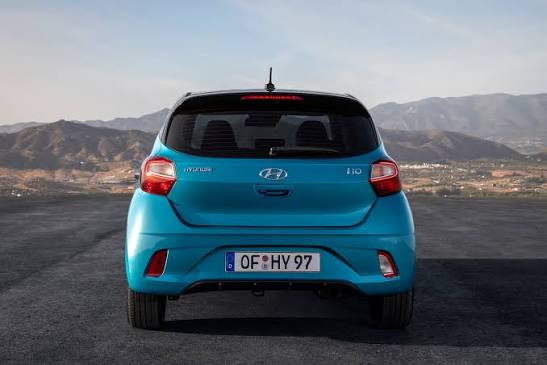
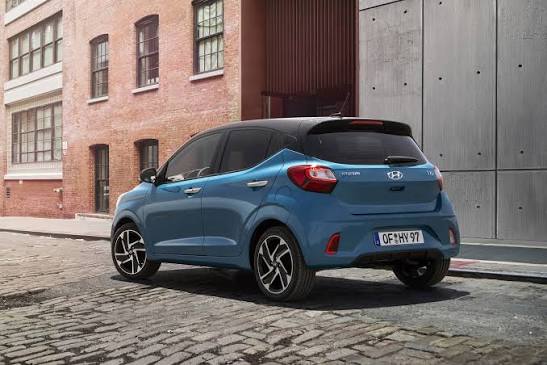
At the rear, the facelifted i10 is practical, utilising long tail-lamps located at the rear corners, and an upright tailgate positioned directly above the centre bumper. While the revised model retained the same compact proportions as the original version, it was not without changes to the graphics of the tail lamps and the detailing of the bumper.
Higher variants add a rear wiper, washer and parking sensors. The near-vertical hatch also helps maximise boot height and rear-seat headroom.
Overall, the exterior of the i10 is designed for efficient packaging and compact dimensions, which will best suit urban use and promote frequent use of the car for parking in cities.
Hyundai i10 Interior Images
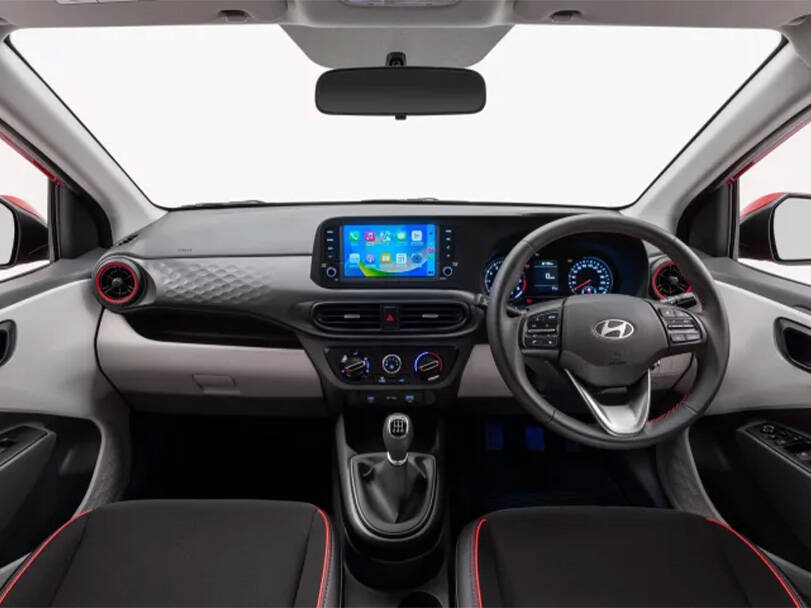
Inside, the facelifted i10 uses a two-tone dashboard with a dark upper section, beige lower trim and metallic-finish centre console. The layout is simple and easy to understand, while the tall cabin and large windows help the interior feel more spacious than the car’s exterior dimensions suggest.
The equipment available will differ based on the year and the trim, with higher trims adding Bluetooth audio, steering wheel controls, keyless entry, power windows, and a height-adjustable driver’s seat.
Key Highlights
- Two-tone dashboard with metallic centre-console trim
- Integrated audio with USB, AUX and Bluetooth on higher variants
- Steering-mounted audio and call controls on selected versions
- Five-seat cabin with good headroom for a compact hatchback
Dashboard & Front Seats
The dashboard is designed simply, with the audio unit mounted high in the middle of the dashboard/centre of the dashboard, with the climate control underneath it. The higher trims Sportz and Asta come with a 2-DIN audio unit which supports USB, AUX, and Bluetooth, and all have steering-mounted audio and calling controls.
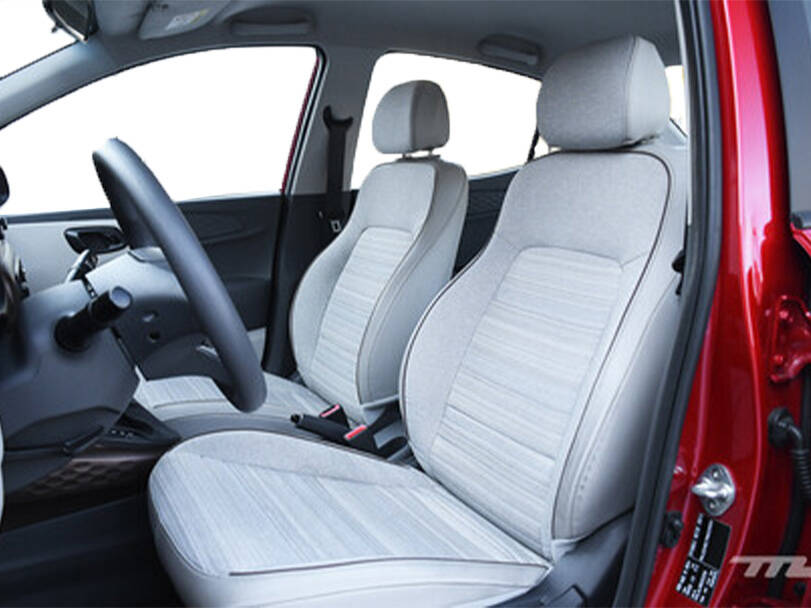
The front seats provide an upright driving position and good visibility. Selected higher variants also offer height adjustment, tilt steering, keyless entry and electrically adjustable mirrors.
Second Row
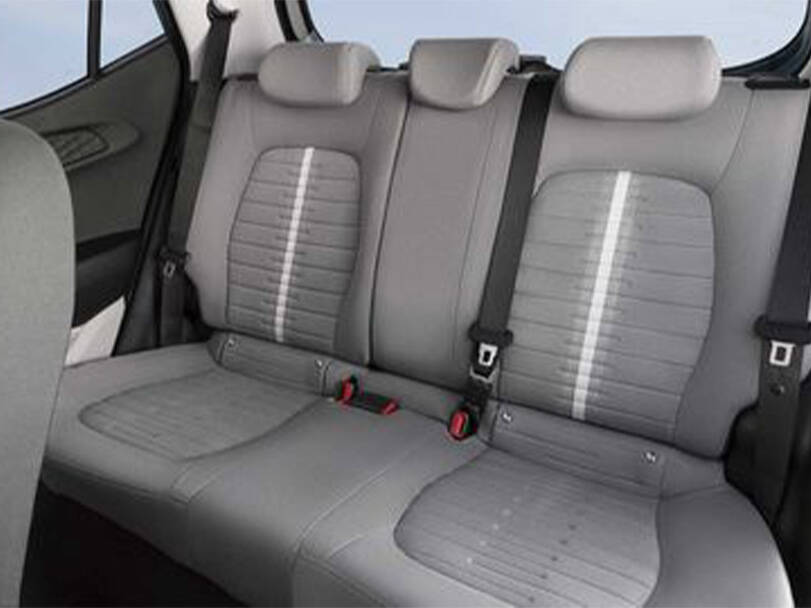
The Hyundai i10 is designed as a 5-seater, with a bench seat in the rear for 3 passengers. The tall ceiling height gives good headroom, and the 2,380 mm wheelbase gives adequate knee room for such a small hatchback.
The rear bench is best suited to two adults on longer drives. There are no dedicated rear AC vents, but the large windows help the cabin feel less enclosed.
Boot Space
The Hyundai i10 also has 225 litres of cargo capacity, which is sufficient for grocery bags, school bags or a couple of small travel bags. The tailgate being mounted vertically, as well as the square shape of the loading area, provides a great deal of usability for the cargo area.
The rear seatback can be folded when more luggage capacity is required, adding flexibility for everyday errands and short trips.
Overall, the interior of the Hyundai i10 makes maximum use of a very compact footprint with good headroom, a utilitarian boot and a simple dashboard.
Hyundai i10 Colour Options
The facelifted Hyundai i10 was commonly offered in five exterior colours during its later years in India. Earlier versions were available in additional shades, so colour availability on used examples can vary by model year.
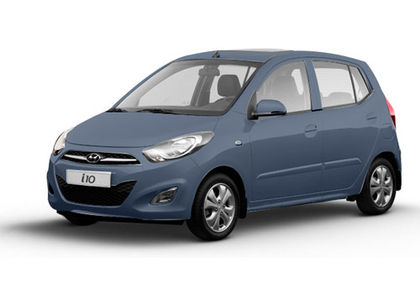
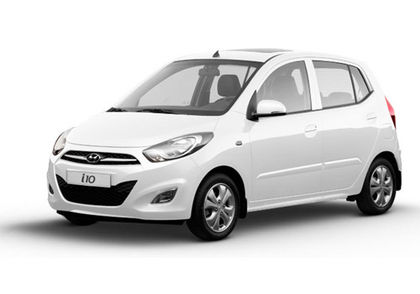
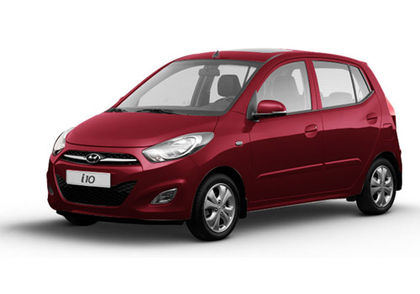
| Colour Name | Type | Availability |
| Pure White | Solid | Facelift range |
| Oyster Grey | Metallic | Facelift range |
| Sleek Silver | Metallic | Facelift range |
| Wine Red | Metallic | Facelift range |
| Star Dust | Metallic | Selected later variants |
Pure White and Sleek Silver make a clean, simple-looking exterior for the i10. Oyster Grey and Star Dust are less flashy, offering understated finishes. The i10’s rounded exterior design looks great with these colours.
Wine Red is the brightest option among the commonly listed facelift colours and gives the i10 a more youthful appearance. Because the car was sold for many years, buyers may also find older examples in colours that were later discontinued.
Summary
The updated Hyundai i10 offers both a compact exterior size as well as an interior that utilises space effectively. The i10’s body style features tall roofing, a design created by having the hood/radiator grille located above the bumper, and a rear hatchback-style tailgate that provides easy access to luggage or groceries. Higher-end models offer such features as fog lamps and alloy wheels along with other appearance-related upgrades over base models.
Inside, the i10 offers seating for five, a 225-litre boot and straightforward controls. Higher variants add Bluetooth audio, steering-mounted controls and additional convenience equipment, while the 1.1-litre and 1.2-litre petrol engines give used-car buyers a choice between basic city efficiency and stronger performance.
Related Blogs:
Hyundai Cars in India
Why India Loves Hyundai Cars
FAQs about the Hyundai i10
Q. Is the Hyundai i10 still available as a new car in India?
No. Hyundai discontinued the original i10 in India in 2017. It continued alongside the Grand i10 for several years after the newer model launched.
Q. How many people can the Hyundai i10 seat?
The Hyundai i10 is a five-seat hatchback with two front seats and a three-person rear bench.
Q. What is the boot space of the Hyundai i10?
The Hyundai i10 offers 225 litres of boot space, which is suitable for everyday shopping bags, backpacks and smaller pieces of travel luggage.
Q. What engines were available with the Hyundai i10?
The facelifted i10 was offered with a 1.1-litre iRDE2 petrol engine producing 69 PS and a 1.2-litre Kappa2 petrol engine producing 80 PS. The 1.2-litre versions were phased out after the Grand i10 launched.
Q. Was the Hyundai i10 available with an automatic transmission?
Yes. Selected 1.2-litre Kappa2 variants were available with a 4-speed automatic transmission. The later 1.1-litre-only range was manual.
Q. What mileage does the Hyundai i10 offer?
The 1.1-litre manual was rated at around 19.8 km/l under certified conditions, while the 1.2-litre manual was rated at around 20.6 km/l. Automatic versions had lower claimed efficiency.
Q. Does the Hyundai i10 have a touchscreen?
No. The original Hyundai i10 did not get a factory touchscreen infotainment system. Higher variants offered a 2-DIN audio system with USB, AUX and Bluetooth connectivity.
Does the Hyundai i10 have rear AC vents?
No. The Hyundai i10 does not have dedicated rear AC vents. Rear passengers rely on airflow from the front air-conditioning system.
Q. Did the Hyundai i10 have a sunroof?
Selected top-spec versions of the facelifted i10 were offered with an electric sunroof during the earlier part of the model’s lifecycle, but it was not part of the final Era and Magna range.
Q. What colours were available with the Hyundai i10?
Common facelift colours included Pure White, Oyster Grey, Sleek Silver, Wine Red and Star Dust, although earlier model years offered additional shades.