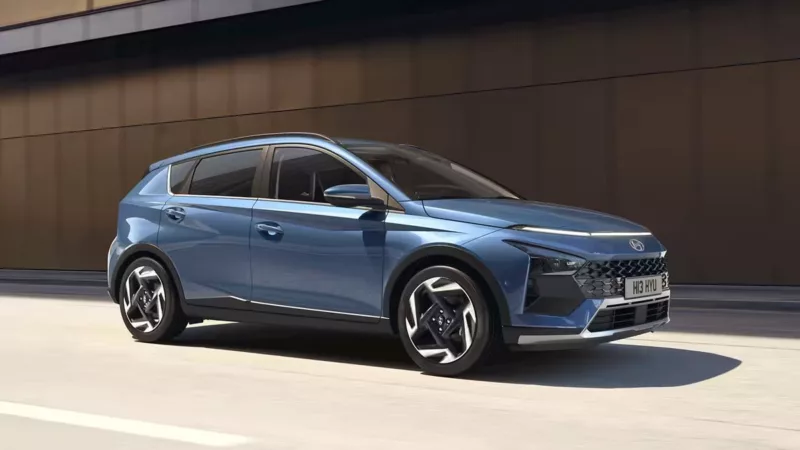
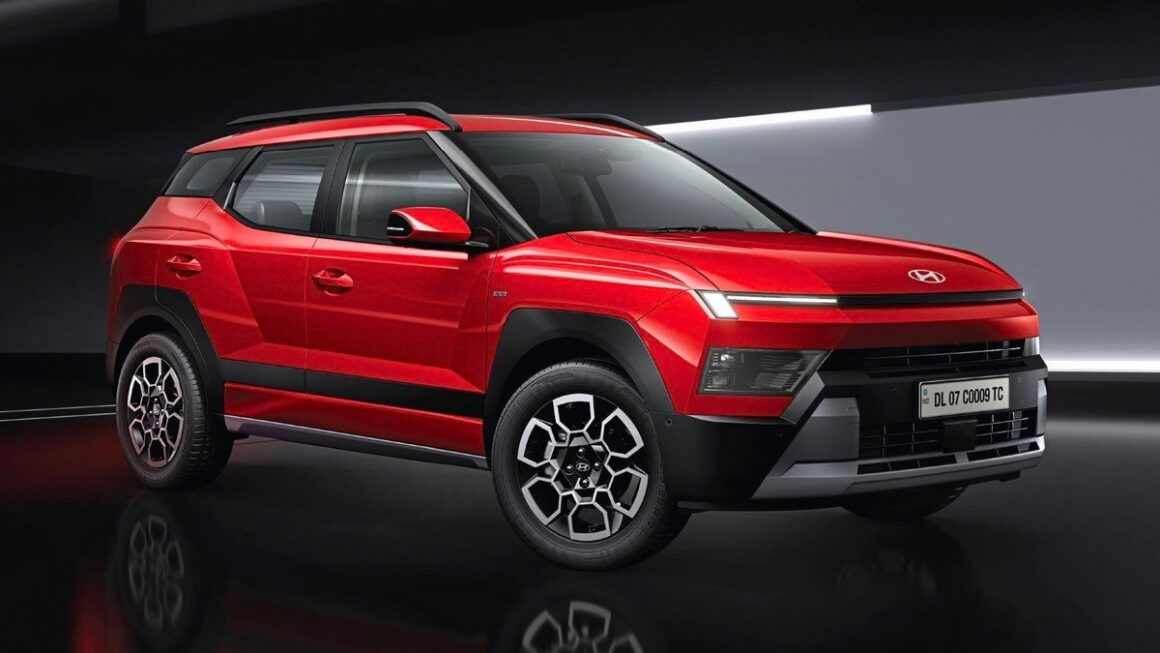
Hyundai’s Bayon and Kia’s Seltos may attract the same consumer but for differing reasons. The Bayon boasts a lower price, a shorter body and many features in its top variants. The Seltos, on the other hand, provides a bigger car, various engine options and a five-star Bharat NCAP rating. five-star Bharat NCAP rating in the brochure.
That makes this more than a comparison of touchscreens and sunroofs. Someone buying a petrol automatic for daily commuting may reach a different conclusion from a family covering long distances every month.
This compares the India-spec Bayon, launched in October 2026, with the new-generation Seltos currently on sale, and the Seltos currently on sale. The details and measurements related to the European Bayon and older Seltos models are not covered.
Hyundai Bayon vs Kia Seltos: At a Glance
| Detail | Hyundai Bayon | Kia Seltos |
| Starting ex-showroom price | ₹9,99,900 | ₹11,24,900 |
| Seating | Five | Five |
| Length | 4,245 mm | 4,460 mm |
| Width | 1,810 mm | 1,830 mm |
| Wheelbase | 2,600 mm | 2,690 mm |
| Engine choices | 1.5-litre petrol | 1.5-litre petrol, turbo-petrol and diesel |
| Main automatic options | IVT (from HX 5) | IVT, seven-speed DCT and six-speed automatic, depending on engine |
| Main buying advantage | Lower entry price and smaller footprint | Greater engine choice and larger dimensions |
Prices reflect the manufacturers’ advertised starting figures checked in November 2026. Equipment and transmission availability depend on the variant.
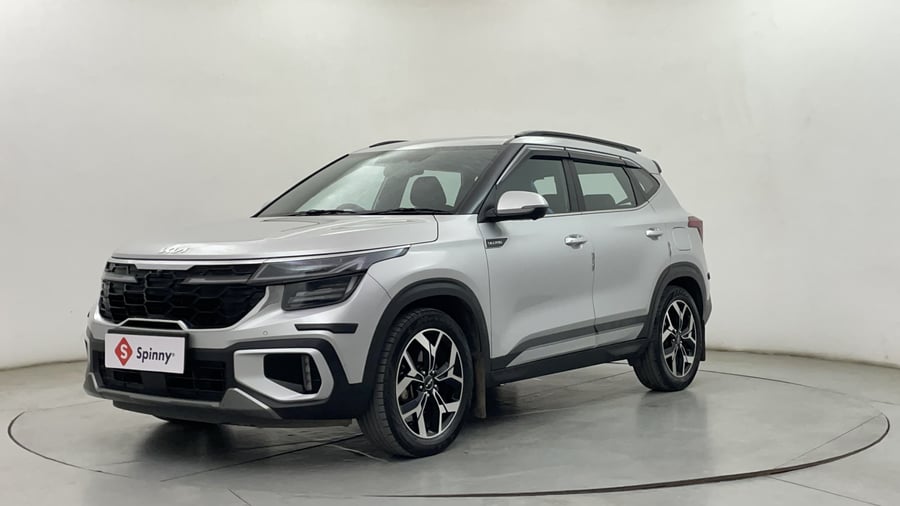
Price Comparison: How Much More Does the Seltos Cost?
In basic trim, the Seltos is priced ₹1.25 lakh higher than the Bayon, before applicable registration and other expenses. This is a huge sum of money when your budget is already under pressure. However, it is important to note that this is a comparison of the base prices rather than two similar models.
The base Bayon HX 2 has no touchscreen. The 10.25-inch touchscreen with wireless Android Auto and Apple CarPlay starts from HX 3. The Seltos HTE lists a 10.25-inch touchscreen, wireless smartphone connectivity and a reversing camera. The Kia therefore brings additional equipment at its higher entry price. Compare what you would actually need to add, rather than treating the entire price gap as a saving.
| Buying priority | Versions worth comparing |
| Lowest purchase price | Bayon HX 2 and Seltos HTE |
| Petrol automatic for commuting | Bayon IVT and Seltos naturally aspirated petrol IVT |
| More comfort features | Bayon HX 8 and an appropriately equipped Seltos HTK(O) or HTX |
| Driver-assistance technology | Bayon HX 10 and an ADAS-equipped Seltos |
| Stronger performance or diesel power | Seltos turbo-petrol or diesel |
Make sure to ask for written quotations that include on-road prices with similar insurance coverage and possible accessories separated. A higher dealer discount does not lead to an automatic justification of the choice of a special model.
Also Read: Kia Seltos Variants Guide: Choose the Best Variant
Dimensions, Cabin Space and Boot Practicality
The Seltos is 215 mm longer, 20 mm wider and has a 90 mm longer wheelbase. Its larger dimensions make it the more obvious starting point for buyers prioritising cabin space. However, the wheelbase is not a direct measurement of rear legroom. Seat shape, front-seat adjustment and the floor layout also influence comfort.
The Bayon’s reduced length comes in handy for circumstances in which the parking space is short, but since the width discrepancy is much smaller, it will not feel narrower in traffic. Try both cars in your usual parking spot, and check how far the doors open when parked next to another car.
Boot capacity needs a closer look. Hyundai quotes 505 litres for the Bayon using the VDA 215 method with a tyre mobility kit. Kia quotes 447 litres for the Seltos using the VDA method. The Bayon figure therefore needs its tyre-kit qualification; it should not become an unconditional luggage-space win across every variant and spare-wheel arrangement.
For a family vehicle, you can try your ordinary bags or stroller in the trunk. Make sure you have checked the loading lip, the opening width and the floor space which can be used, and then take a seat in the back seat with the front seat made properly to suit your style of driving.
Engines and Gearboxes: The Biggest Difference
The Bayon currently has one engine: a naturally aspirated 1.5-litre petrol producing 115 PS and 143.8 Nm. It comes with a six-speed manual or IVT automatic. This keeps the decision straightforward if you already want a petrol car for everyday use.
Seltos has a similar naturally aspirated petrol engine like the Bayon, but it also has the option of diesel and turbo petrol engines as well. These numerous alternatives are its main advantage over the Bayon.
| Engine | Power | Torque | Main transmission choices |
| Bayon 1.5 petrol | 115 PS | 143.8 Nm | Six-speed manual, IVT |
| Seltos 1.5 petrol | Approximately 115 PS | 144 Nm | Six-speed manual, IVT |
| Seltos 1.5 turbo-petrol | Approximately 160 PS | 253 Nm | Seven-speed DCT |
| Seltos 1.5 diesel | Approximately 116 PS | 250 Nm | Six-speed manual, six-speed automatic |
The closest comparison would lie between two naturally aspirated petrol versions since both engines have almost the same outputs; thus, picking the larger Kia does not simply guarantee a more powerful engine. Weight, gearing and throttle response also affect how quick each car feels.
For stronger acceleration, the Seltos turbo-petrol has a clear advantage on paper. Its additional power and torque are particularly relevant when considering overtaking with passengers and luggage. The diesel is another option for buyers whose usage suits it, rather than a compulsory upgrade for everyone.
The Bayon’s iVT, which adds paddle shifters and drive modes, may feel responsive, but it’s still a naturally aspirated petrol. Don’t confuse a sharper throttle response with the turbo Seltos’s much higher power.
Also Read: Kia Seltos Mileage Comparison: Petrol vs Diesel vs Turbo Petrol
Which Makes More Sense for City Driving?
For regular commuting, start by comparing the petrol IVT versions. Both remove the need to operate a clutch in traffic. The Bayon combines that convenience with a shorter body, making it a sensible candidate for buyers dealing with tight parking and predominantly urban journeys.
If you feel that the Seltos has more room for your family requirements, you should keep this car on your shortlist. During the test-driving procedure, check how smoothly the automatic responds at slow speeds, whether one can see clearly while making turns and how easy it will be to estimate the distance between the front corners of the vehicle. It is also important to check the transmission you are going to use, as driving the IVT may not help you evaluate the characteristics of the turbo-DCT transmission.
Ride comfort also deserves a separate assessment. Wheel and tyre specifications vary across trims. Try broken surfaces and speed breakers with passengers aboard rather than choosing purely by the appearance of larger alloy wheels.
Features: Compare the Variant, Not the Advertisement
Both models are equipped properly, but features can be found throughout their line-ups. Among the popular items, the Bayon HX 5 features things like climate control, cruise control and inductive wireless charging. The following model, the HX 8, has features such as ventilated front seats, a power-adjustable driver seat and a surround-view camera.
The HX 10 is the technology-focused version, with dual 12.3-inch displays and the advanced driver-assistance package. That does not mean every Bayon comes with the cabin shown in the launch photographs.
Similarly, the Seltos has features ranging from basic to advanced. Depending on the model of your choice, you will be able to get a vehicle equipped with a sunroof, ventilated seats, dual-zone climate control, Bose surround system, a surround-view camera and driving assistance systems. Moreover, the higher trim levels GTX(O) and X-Line(O) offer nice features like a head-up display and digital key.
The useful question is which equipment will improve your routine. Seat ventilation can matter on a hot commute. A surround-view camera can help with difficult parking. A larger display is less compelling if getting it means compromising on the gearbox or seating comfort you wanted.
Also Read: Hyundai Bayon vs Honda Elevate: Dimensions, Features, Engine, Safety and Price Compared
Safety: Equipment and Crash Ratings Are Different
Both cars have six airbags and electronic stability systems. The more expensive variants have a range of safety protocols, but the ones that come with each model and how good they are depend on the trim level and the transmission being used. For example, some HX 10 driver-assistance functions may work differently on the manual and iVT versions.
The Seltos has a published five-star Bharat NCAP rating, with 31.70 out of 32 points for adult occupant protection and 45 out of 49 for child occupant protection.The rating covers all current Seltos variants, but it doesn’t apply to the older-generation Seltos sold as used cars.
Hyundai claims that the India-spec version of the Bayon has been built to comply with Indian five-star safety standards. Note that this is a claim made by the manufacturer and not an official crash-testing result. No similar safety ratings have been obtained from the Indian version of the Bayon in this regard.
The Seltos therefore offers stronger published crash-test evidence at present. That is a reason to consider it, without assuming that a longer list of assistance features alone establishes which car protects occupants better.
Also Read: Hyundai Creta vs Kia Seltos: Safety Rating Comparison
Mileage and Ownership Costs
When looking at how much fuel each car uses, one should not just assume that because the Bayon is a smaller it will use less fuel than its bigger counterpart, the Seltos. Fuel consumption depends on various factors, including the engine, gearbox, type of traffic, the load being carried and driving style. A proper comparison of fuel consumption should involve testing all vehicles under similar conditions.
For budgeting, work from your annual distance and a realistic consumption estimate. As an illustration, covering 1,000 km at 12 km/l uses about 83 litres; at 15 km/l, it uses about 67 litres. Multiply the difference by your local fuel price to see whether the saving matters enough to influence your purchase.
You can also check the prices for insurance renewals, periodic maintenance, tyre replacement, and extended warranty. This way, you bring them into consideration along with the buying price, especially when you select more options with bigger wheels.
Also Read: Kia Seltos Real World Mileage
Hyundai Bayon vs Kia Seltos: Which Should You Buy?
Choose the Bayon if you want a petrol SUV with a lower starting price and less overall length. Its higher variants offer plenty of comfort and technology, so you do not have to choose the larger car simply to get a well-equipped cabin.
Choose the Seltos if you want a turbo-petrol or diesel engine, a bigger body or an official five-star crash-test rating. These are all substantial distinctions that the additional screen or sunroof cannot substitute.
For many buyers, the most useful comparison will be a Bayon IVT against a similarly priced Seltos petrol IVT. Decide after checking the rear seat, luggage space and exact equipment. If considering a used Seltos on Spinny, compare its generation and variant separately, since this article describes the current new model.
Related Blogs:
Kia Seltos Alternatives: Competitors of Kia Seltos
Kia Seltos vs Volkswagen Taigun Real-World Mileage Comparison
FAQs about Hyundai Bayon vs Kia Seltos
Q. Is the Hyundai Bayon available in India?
Yes. Hyundai launched the India-spec Bayon on 26 October 2026. It currently offers a 1.5-litre petrol engine with a six-speed manual, and an iVT automatic from the HX 5 variant.
Q. Which has the lower starting price?
The Bayon starts at ₹9,99,900, compared with the Seltos’s advertised ₹11,24,900 starting price. These are ex-showroom figures, and the base variants do not have identical equipment.
Q. Does the Bayon offer a diesel engine?
The current India-spec Bayon range uses a 1.5-litre petrol engine. The Seltos offers a 1.5-litre diesel with manual and automatic choices, making it the relevant option between these two for diesel buyers.
Q. Does the Bayon have a bigger boot?
Hyundai quotes 505 litres with a tyre mobility kit, while Kia quotes 447 litres. Check the Bayon variant’s spare-wheel arrangement and usable luggage area before treating those figures as directly equivalent measurements.
Which is better for a family?
Start with the Seltos if larger dimensions are a priority, but test both rear seats with your family. Seat comfort, access, headroom and child-seat fit matter more than wheelbase alone.
Q. Do both cars offer ADAS?
Yes, on selected variants. The Bayon’s package is offered on the HX 10, while the Seltos also reserves advanced assistance for particular trims. Check transmission-dependent functions before choosing.
Q. Is the Bayon better value than the Seltos?
It can be for buyers wanting a smaller petrol SUV at a lower entry price. The Seltos justifies consideration through its broader engine range, larger dimensions and published safety rating. Compare specific variants before deciding.