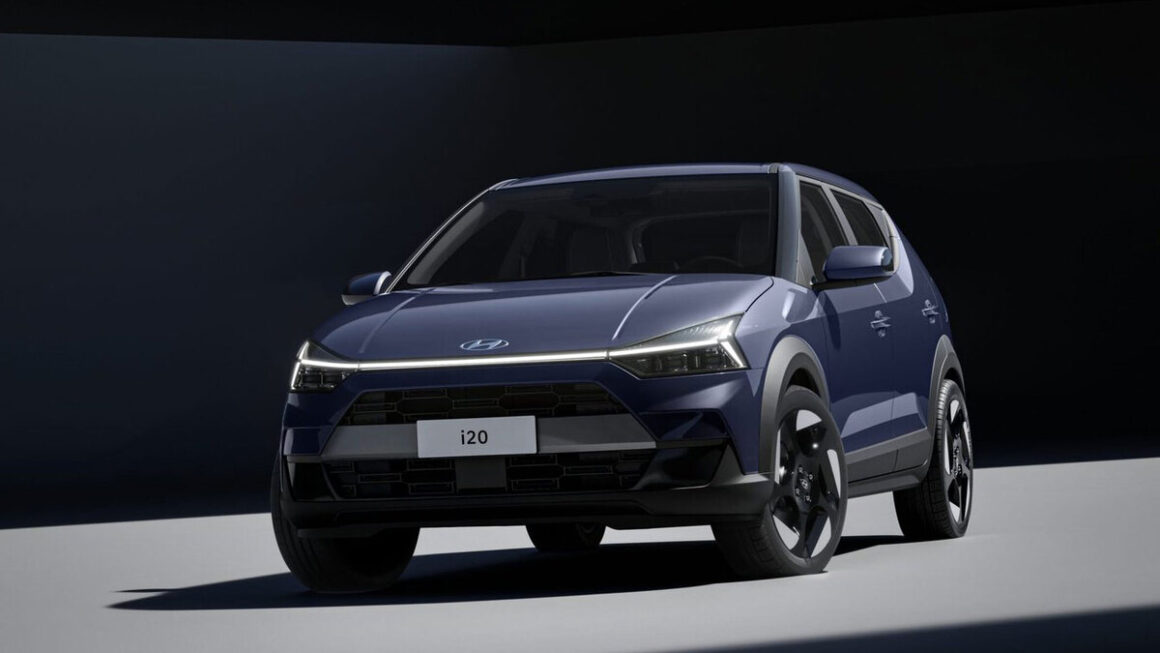
The Hyundai i20 has remained one of the most popular premium hatchbacks in the country over the years. Stylish looks, a comfortable interior and feature-rich cabin, along with the brand’s excellent warranty, make it a preferred choice for many car buyers. Hyundai has also continued to update the i20 periodically with an improved set of features, petrol and diesel variants and a choice of gearboxes in both manual and automatic. The latest i20 currently features a 1.2-litre petrol engine option with a 5-speed manual as well as an IVT gearbox.
The i20 is a great value premium hatchback that combines comfort, luxury, space and convenience in one vehicle. If you are interested in buying a used i20, you need to consider various factors while making the purchase. This is because there are numerous options available in the segment, and each generation and variant of the i20 have their own pros and cons.
The following guide will walk you through the key considerations when buying a pre-owned i20, including age and variant, engine choice, running cost, additional features to consider and key tests to carry out before purchasing the car.
Table of Contents
Best Age of Used Hyundai i20 to Buy
A 3- to 5-year-old i20 is the best age for a used car buyer to purchase the vehicle. This is because by then, the car would have already gone through a significant part of its initial depreciation, and a well-maintained one will still serve the owner for a few more years.
As per recent statistics, the i20 model can retain about 52-56% of its value after 5 years, meaning that it will depreciate by 44-48%. However, there is also a report stating that after 5 years, the i20 model can retain 60-65% of its initial value. Therefore, the amount for which one can resell the car depends on various factors, including the variant, mileage, condition, and market.
To calculate the depreciation value based on the initial price, one should consider the third-generation i20 model, which Hyundai launched in November 2020. So, if the car’s initial price was ₹7.5 lakh, its value after 5 years will be ₹3.9-4.2 lakh. This is just an example to illustrate how one can calculate car depreciation. Therefore, the value of a used car can vary between ₹3 to 4.5 lakh for the i20 model, depending on the different parameters.
It is better to purchase a used i20 car that is between 3 to 5 years old because the one that is 1 or 2 years old will be expensive, as it will have lost a smaller percentage of its initial value. Whereas a car that is older than 5 years will be cheaper, but it will require more maintenance costs. However, if one can find a 4- or 5-year-old car with an unblemished service record and drives within a reasonable range, it will be a great buying option. Additionally, the car’s overall condition should also matter more than its age.
Best Used Hyundai i20 Variant to Buy
For a used third-gen i20, the Sportz 1.2 petrol manual is the best variant, as it offers strong value for money. It also offers a good set of features without stretching the budget to the higher trims.
The Sportz comes with features like the 7” touchscreen infotainment system with Apple CarPlay, Android Auto, rear parking camera, 15-inch alloy wheels, electrically folding ORVMs, rear defogger, and height-adjustable driver seat. It is a good set of features suited to everyday city and highway use.
The Asta and Asta(O) variants are also good options to consider if you want more premium spec on a budget.
Depending on the year of purchase, some of these variants could have features like automated AC, larger alloy wheels, wireless charging, and connected-car tech. However, it would be better not to stretch the budget to get a higher variant, as you can get most of the features in the Sportz for cheaper.
If you find a good Asta or Asta(O) with the desired features at a price that is reasonable, it could also be an option. However, it is better to go with a well-maintained Sportz than a poorly maintained Asta.
Also Read: Ultimate Guide to Selling Your Hyundai i20
Used Hyundai i20 Petrol vs Used Hyundai i20 Diesel
The choice between petrol and diesel should largely depend on driving requirements, such as the distance driven and the typical location of travel. The i20 has been offered in petrol and diesel variants across different generations. Notably, while the third generation launched with a 1.5 diesel engine, the company has since discontinued the diesel option for the i20.
Petrol
It is a better option for the majority of buyers seeking a used passenger car that can handle both city and highway driving with ease. The 1.2 naturally aspirated petrol has a simpler engine structure that is easier to maintain, especially for city driving. The manual variants of the petrol i20 third generation have 83hp and 114Nm.
A buyer looking for an automatic transmission can consider the 1.2 petrol i20 with IVT. The option was available for select variants and years. Meanwhile, turbo petrol variants are a better option for buyers seeking more power, though they can be more expensive to maintain.
Diesel
It is the better option for a buyer seeking to cover long distances, including regular highway driving. The 1.5 diesel engine was the option for the third-generation i20, which came with a manual gearbox, while the older variants had the option of 1.1 and 1.4 diesel engines. Overall, a diesel engine is better at offering power at lower speeds and generally has better fuel economy than petrol variants.
On the other hand, a diesel engine requires a more comprehensive inspection, especially if it has primarily been used on short trips, as is the case with many emissions control devices, such as the DPF. Especially for lower annual mileage, the fuel economy advantage of diesel engines is offset.
Which should you buy?
The petrol option is the better overall choice for most buyers, with the 1.2 naturally aspirated petrol manual being the most suitable variant for regular city driving. On the other hand, a diesel variant is better suited for higher annual mileage, with regular long-distance travel on highways. As mentioned, buyers considering a diesel engine should pay special attention to the maintenance records and emissions control components.
Also Read: Used Hyundai i20 cars in India
Used Hyundai i20 Ownership Calculator
The sticker price is just the beginning with the pre-owned i20. Apart from the purchase, you will also need to consider the expenses incurred in maintenance, tyre replacements, and age-old repairs.
For the 2020–2023 model, the estimated cost of scheduled maintenance in 5 years would be around ₹15,616 for the petrol variant and ₹20,608 for the diesel variant. This would vary according to the workshop and spares you choose and the repairs needed.
| Expense Item | Approximate Cost |
| Routine Annual Service | ₹3,000 – ₹5,000* |
| Four Tyres | ₹15,000 – ₹35,000* |
| Battery Replacement | ₹5,000 – ₹8,000* |
| Brake-Related Work | ₹3,000 – ₹7,000* |
| Clutch Replacement | ₹12,000 – ₹22,000* |
| Suspension Repairs | ₹5,000 – ₹10,000* |
*Budgeting estimates only. Actual costs vary based on model year, engine/trim variant, parts brand, and workshop selection.
Tyres & Mechanical Component Check
- Tyre Replacement: The i20 has had different tyre sizes depending on the year and variant, including 185/65 R15 and 195/55 R16. If the tyres on the used car you are considering are worn or old, you may need to replace them, which could be an expensive first-time ownership purchase. The cost will depend on the brand, size, and model you choose
- Clutch Check: If you are buying a manual i20, make sure to test the clutch during the test drive. A light pedal, clutch slippage, or difficulty shifting gears may suggest that the clutch needs replacing. It’s a good idea to have a mechanic inspect it and provide a quote before making an offer on the car if you suspect the clutch is faulty.
- Initial Repair Reserve: You should also set aside money for initial repairs in the case of unexpected expenses. It’s smart to budget anywhere between 20,000 and 30,000 rupees as a reserve when purchasing an older i20.
Exclusions & Other Costs
The figures given above regarding the cost of ownership do not include several expenses associated with car ownership, such as fuel, insurance, parking, tolls, or loan payments. These expenditures are dependent on your individual circumstances and cannot be predicted with any degree of accuracy.
Also Read: How to get the best resale value – Hyundai i20
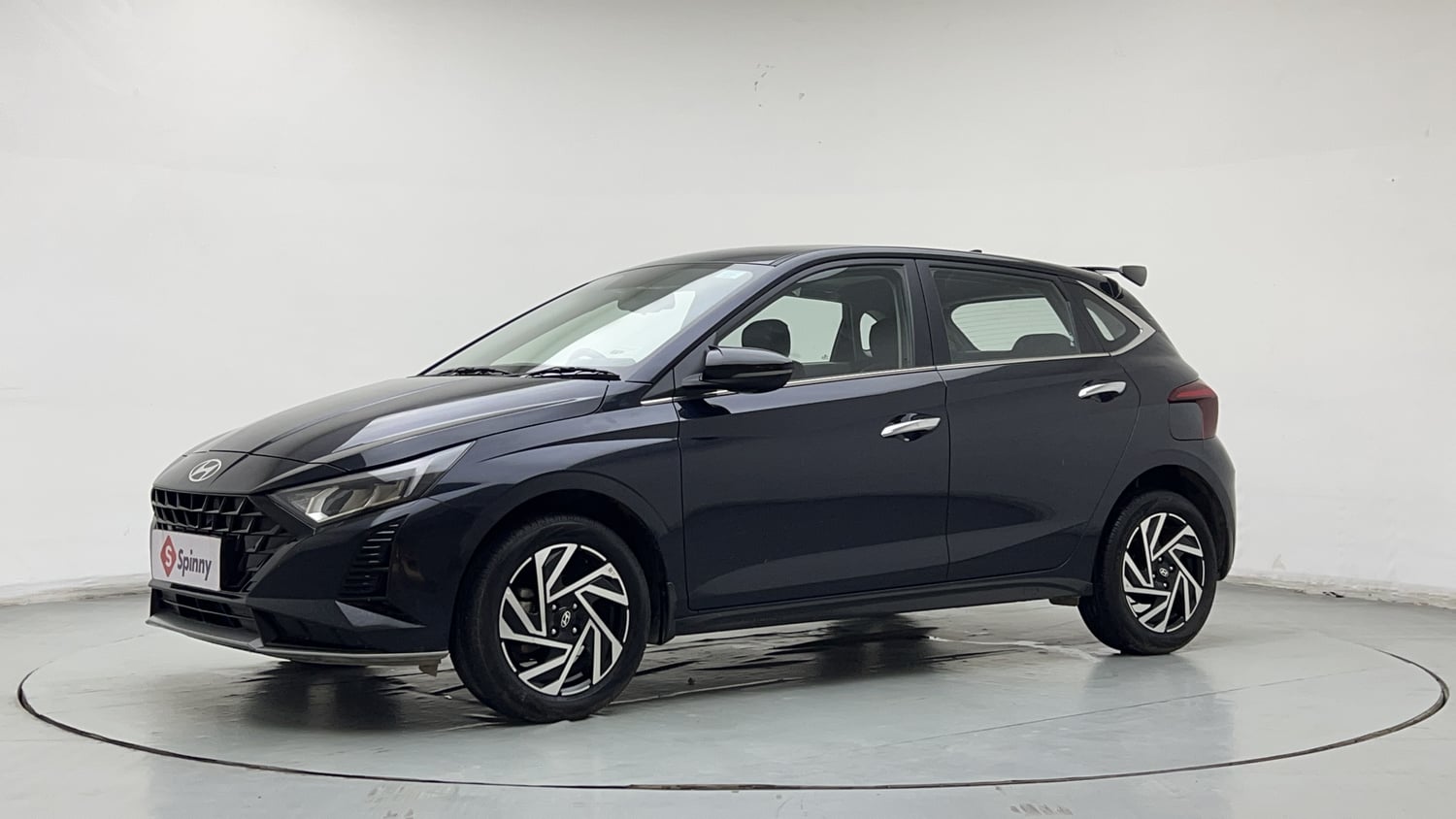
Upgrades for Used Hyundai i20
Hyundai i20 is a car that has been built to offer comfort and convenience right out of the box, so it is better to stick to subtle upgrades that will make life more enjoyable without going full custom.
Infotainment Upgrade
Most used i20s, depending on the year and grade, will have a basic audio system, so it is worth getting a nice touchscreen unit fitted in its place. It will allow the driver to enjoy Bluetooth, smartphone connectivity and apps like Android Auto and Apple CarPlay, but it has to be professionally installed and the right fit for the car.
Reverse Camera
The camera can be attached to the same screen as the reversing camera if it has one or it can be fitted to the front and back of the dashboard. It will record the journey for evidence in case of an altercation, crash or road rage.
Dashcam
The camera can be attached to the same screen as the reversing camera if it has one, or it can be fitted to the front and back of the dashboard. It will record the journey for evidence in case of an altercation, crash or road rage.
Better Tyres
If the tyres are worn, then it is worth looking for replacements. If they are old, it might be worth changing them as it will improve the performance and safety of the car. However, it is better to use the recommended alloy size and not go bigger as it will ruin the original look of the car.
Floor Mats and Seat Covers
New floor mats and seat covers in a nicer material will make the car feel fresher and more sophisticated, and it will improve comfort. It is important to get ones that are a proper fit and do not obstruct any airbags or other parts.
Lighting
If the car has standard bulbs, it is better to get brighter and clearer bulbs fitted in their place. It makes night-driving easy and safer, but it is important to avoid going for ultra-bright bulbs as it can cause discomfort to other drivers on the road.
It is best to avoid unnecessary modifications such as oversized wheels, loud exhausts and poorly installed electrical accessories. These changes can affect comfort, reliability and even the car’s resale value.
Summary
The Hyundai i20 is a great option for the used premium hatchback buyer who is looking for comfort, style and space, as well as modern convenience features, but who is not looking to buy a new car.
A 3-5 year old i20 is a good option for the buyer who is looking to balance value and age, while the Sportz 1.2 petrol manual is a good option for the buyer who is looking for a car that has a good set of features without a large expenditure, while those willing to spend a little more can look at a well-maintained Asta or Asta(O).
Petrol engines are a better value than diesel for most buyers, while the latter is a better option for those looking to make long-distance and high-mileage runs while getting the most out of every rupee.
The buyer also needs to keep in mind that extra money will need to be spent on servicing and other expenditures that come with the car, including the cost of new tyres, brakes, clutch and suspension.
Most importantly, the buyer must ensure that they do not fall for flashy showrooms and low prices by researching the car’s history and servicing schedule, checking the car’s electronics, engine, gearbox, clutch, suspension, brakes, tyres, and AC, and test-driving the car to detect potential issues.
In the end, it is important to remember that when it comes to buying a used i20, it is not about what you can afford, but rather about what you need and a well-kept car with a good history, good specs, and a fair price can be found at any time.
FAQ About Used Hyundai i20
Q. What is the best age of a used Hyundai i20 to buy?
A 3- to 5-year-old i20 is a good choice for most buyers. It has already gone through a significant part of its initial depreciation while still being relatively modern.
Q. Which used Hyundai i20 variant is the best to buy?
The Sportz 1.2 petrol manual is a strong value-for-money choice, particularly for third-generation models. It offers several useful features without the higher cost and complexity of the more expensive variants.
Q. Is a used Hyundai i20 petrol better than diesel?
For most buyers, petrol is the better option because it suits city driving and low-to-medium usage. Diesel is worth considering if you regularly cover high kilometres and travel longer distances.
Q. How much does it cost to maintain a used Hyundai i20?
Scheduled maintenance for the 2020-2023 model is estimated at around ₹15,616 over five years for petrol and ₹20,608 for diesel. Actual ownership costs can be higher if the car needs repairs or replacement parts.
Q. What should I check before buying a used Hyundai i20?
Check the service history, engine, clutch, gearbox, suspension, brakes, tyres, AC, electrical systems and bodywork. For diesel versions, also pay close attention to the emission system and how the car was used. A professional pre-purchase inspection is recommended before finalising the deal.