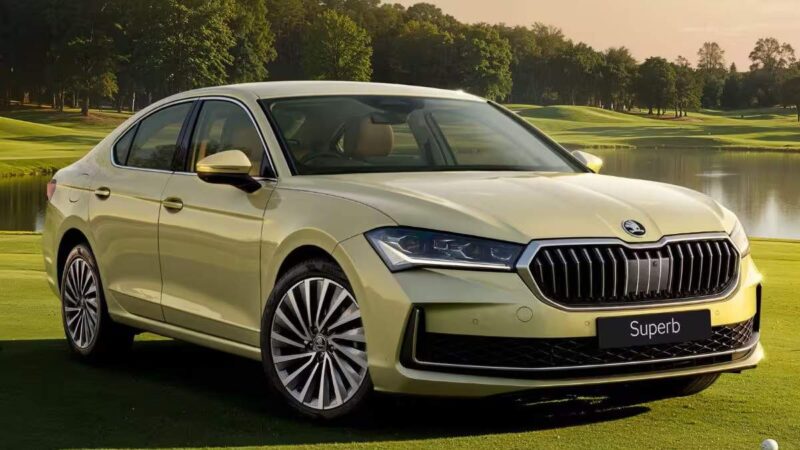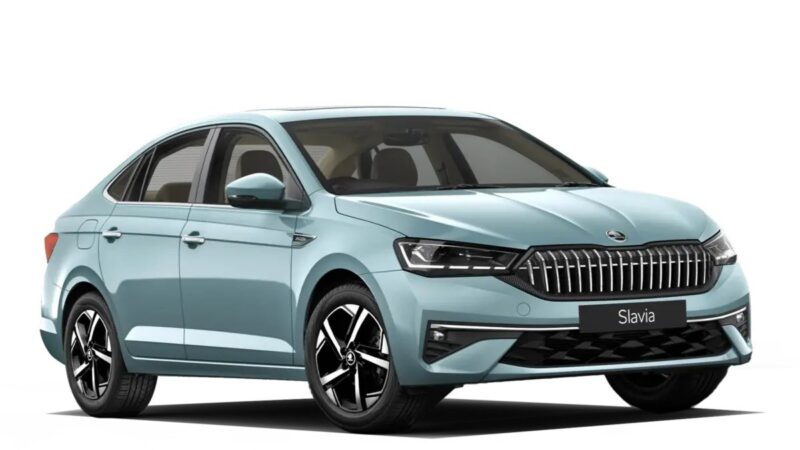

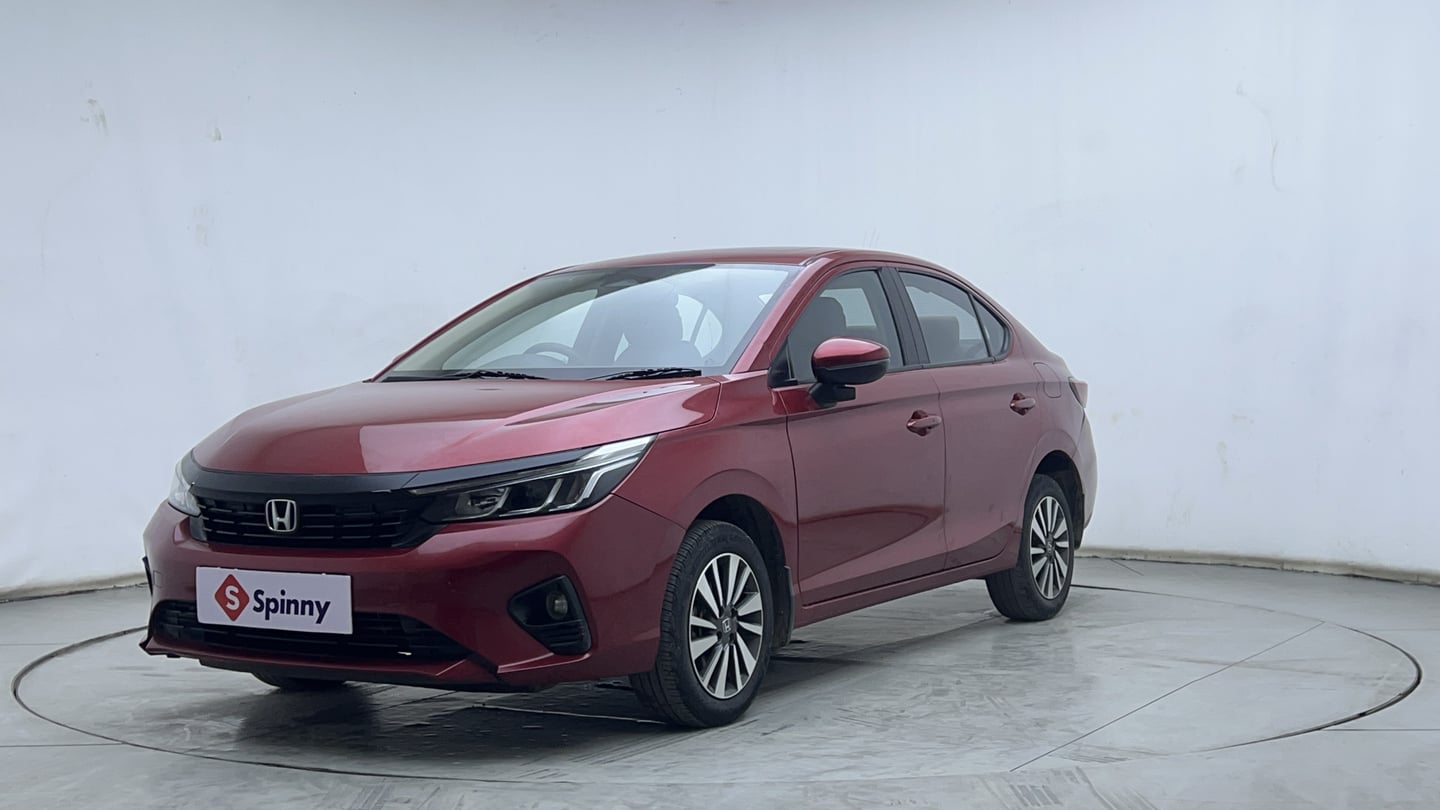
Honda City is one of the oldest sedans in the Indian car market as it was first launched in 1998. Today, the 5th generation Honda City models are being sold in India with the 1.5-litre i-VTEC Petrol and 1.5-litre e:HEV Strong Hybrid engine options. The pure petrol models come with 6-speed manual or a CVT automatic transmission whereas the hybrid models come only with the e-CVT gearbox. The best mileage in its lineup is naturally offered by the strong hybrid variant.
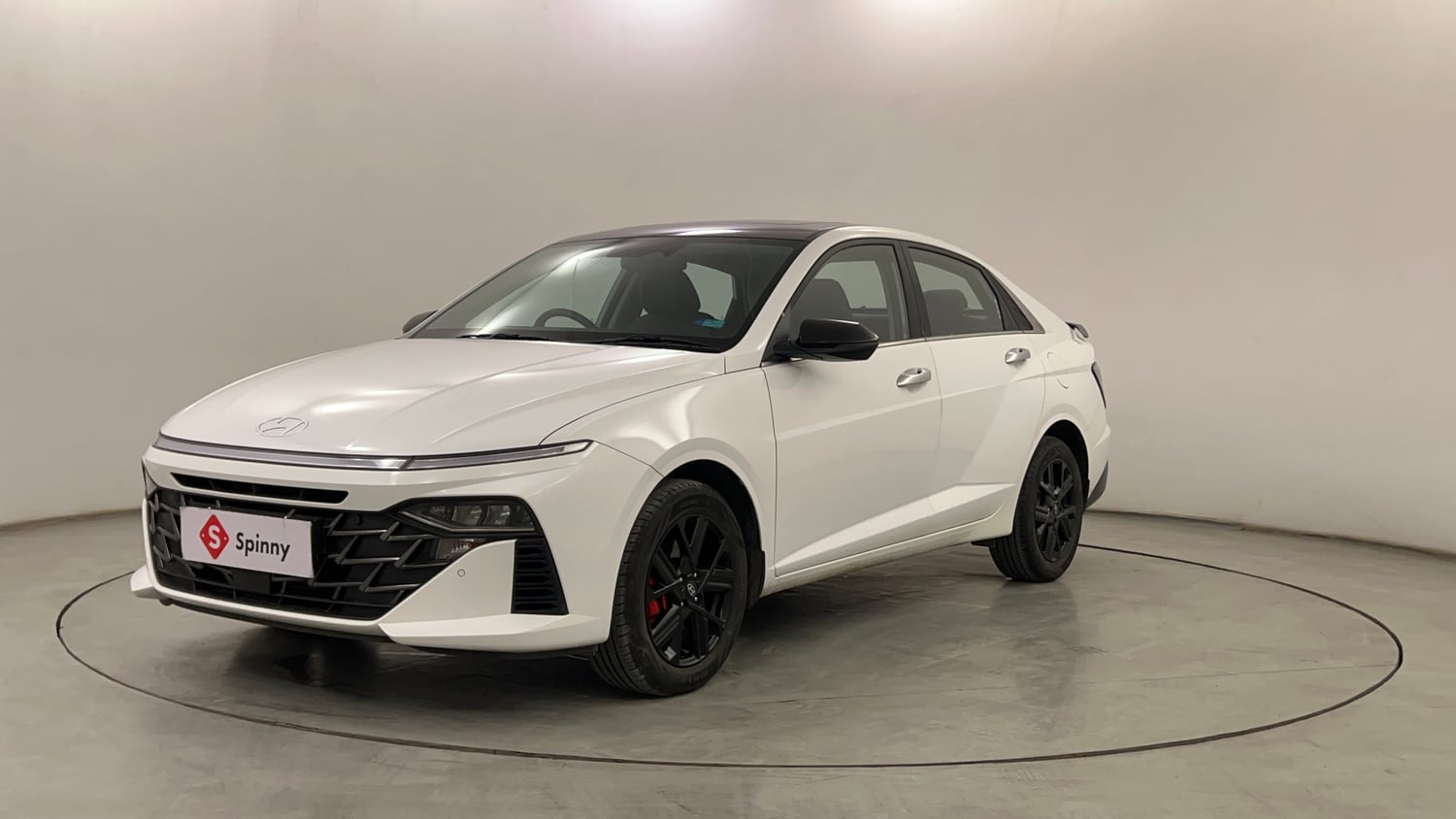
Hyundai Verna is another iconic sedan that was first launched in 2006 in India. The current generation Verna models come with the 1.5-litre Naturally Aspirated (NA) petrol engine and 1.5-litre Turbo GDi petrol engine. The NA petrol engine is offered with 6-speed manual or an IVT automatic transmission whereas the turbo petrol engine comes with a 6-speed manual or a 7-speed Dual Clutch Transmission (DCT). The turbo petrol models with the DCT transmission offer the best mileage in its lineup.
Table of Contents
Honda City vs Hyundai Verna Specs
Let’s analyse some of the key specs of Honda City and Hyundai Verna cars that can influence their mileage to some extent. The key specifications of Hyundai Verna and Honda City are given in the below table:
| Specification | Honda City | Hyundai Verna |
| Engine | 1.5-L i-VTEC Petrol 1.5-L e:HEV Strong Hybrid | 1.5-L Naturally Aspirated (NA) petrol engine1.5-L Turbo GDi petrol engine |
| Displacement | Petrol: 1498 cc Hybrid: Atkinson Cycle | Petrol: 1497 cc Turbo Petrol: 1482 cc |
| Power | Petrol: 119 bhpHybrid: 125 bhp | Petrol: 115 PSTurbo Petrol: 160 PS |
| Torque | Petrol: 145 Nm Hybrid: 253 Nm | Petrol: 143.8 Nm Turbo Petrol: 253 Nm |
| Transmission | 6-speed manual transmission (MT)CVTe-CVT (Hybrid) | 6-speed manual transmission (MT)IVT7-speed automatic DCT |
| Drive layout | Front Wheel Drive (FWD) | Front Wheel Drive (FWD) |
| Kerb weight | 1107 kg to 1294 kg (depending upon the variant) | 1048 kg to 1295 kg (depending upon the variant) |
| Fuel tank capacity | 40 litres | 45 litres |
Both cars are similar in terms of power and torque with their 1.5-litre petrol engine. However, while the turbo petrol variants of Verna generate more power than the hybrid variants of Honda City, the hybrid variants of Honda City generate slightly more torque than Verna’s turbo petrol models.The fuel tank capacity of Verna cars is slightly higher than the fuel tank capacity of Honda cars. The kerb weight of both these cars also fall in the similar range. Yet, the presence of a strong hybrid powertrain in Honda City gives it a clear advantage when it comes to fuel-efficiency. The claimed ARAI mileage of these cars have been provided in the below section.
Honda City vs Hyundai Verna: ARAI Mileage Figures
Automotive Research Association of India (ARAI) conducts mileage tests for cars that belong to different categories. The ARAI mileage figures are always greater than real-world mileage figures because ARAI conducts these mileage tests in ideal lab-like conditions. The below table contains the details of claimed ARAI mileage for each powertrain of Honda City and Hyundai Verna:
| Engine & Transmission | Fuel Type | Honda City – ARAI Mileage (km/l) | Hyundai Verna – ARAI Mileage (km/l) |
| 1.5-litre iVTEC Petrol/NA Petrol – 6-Speed MT | Petrol | 17.77 km/l | 18.60 km/l |
| 1.5-litre iVTEC Petrol/NA Petrol – CVT/IVT | Petrol | 17.97 km/l | 19.60 km/l |
| 1.5-litre Strong Hybrid – eCVT | Strong Hybrid | 27.26 km/l | – |
| 1.5-litre TGDi – 6-Speed MT | Turbo Petrol | – | 20 km/l |
| 1.5-litre TGDi – 7-Speed DCT | Turbo Petrol | – | 20.60 km/l |
The claimed mileage of the strong hybrid variants of Honda City makes it the best option for mileage seekers. However, when it comes to the 1.5-litre NA engine, Hyundai Verna claims higher mileage in both manual and automatic models. The turbo petrol variants of Verna claim the highest mileage in its lineup. However, they are no match for the mileage offered by the strong hybrid variants of Honda City. Let’s see if the trends in the claimed ARAI mileage figures follow in the real-world mileage as well.
Also Read: Complete Guide to Buying a Honda City
Honda City vs Hyundai Verna: Real-World Mileage
The real-world mileage figures for each powertrain of Honda City and Hyundai Verna are given below:
| Honda City (1.5-litre NA Petrol) | Hyundai Verna (1.5-litre NA Petrol) | |
| City | Manual: 12 km/lAutomatic: 11.5 km/l | Manual: 12 km/lAutomatic: 11.5 km/l |
| Highway | Manual: 17 km/lAutomatic: 16.5 km/l | Manual: 17 km/lAutomatic: 16.5 km/l |
| Average | Manual: 14.5 km/lAutomatic: 14 km/l | Manual: 14.5 km/lAutomatic: 14 km/l |
| Tank range | 540 km | 627 km |
| Honda City (1.5-litre Strong Hybrid) | Hyundai Verna (1.5-litre Turbo Petrol) | |
| City | eCVT: 21.5 km/l | Manual: 11 km/lAutomatic: 10.5 km/l |
| Highway | eCVT: 25.25 km/l | Manual: 16 km/lAutomatic: 15.75 km/l |
| Average | eCVT: 23 km/l | Manual: 13.5 km/lAutomatic: 13 km/l |
| Tank range | 935 km | 582 km |
The real-world mileage figures of the NA petrol models of both Honda City and Hyundai Verna are exactly similar. However, the Hyundai Verna offers a higher tank range because of its larger fuel tank capacity. The turbo petrol variants of Verna are no match to the strong hybrid variants of Honda City though we have placed them next to each other.
Verna turbo petrol models deliver even lower mileage than their NA petrol variants though their claimed mileage figures are much higher. The Honda City strong hybrid variants deliver the highest real-world mileage that reflects substantially in the tank range too. Due to these things, Honda City proves to be an overall better car in terms of fuel-efficiency and it is also because its real-world mileage figures are much closer to the claimed mileage figures.
Also Read: Complete Guide on Buying a Hyundai Verna
Honda City vs Hyundai Verna: Fuel-Cost Comparison
After assessing the real-world mileage of Honda City and Hyundai Verna variants, it becomes important to see how these mileage figures convert into real-world fuel costs. To calculate the periodic fuel costs, we have considered that both the cars cover a distance of 1500 km per month. Also, we have taken the latest petrol prices in August (Rs. 111.52) while calculating these costs. The below table shows the periodic fuel costs associated with all the variants of Honda City and Hyundai Verna:
| Honda City 1.5-NA Petrol | Hyundai Verna 1.5-NA Petrol | Honda City Strong Hybrid | Hyundai Verna Turbo Petrol | |
|---|---|---|---|---|
| Monthly Running | 1500 km | 1500 km | 1500 km | 1500 km |
| Monthly Fuel Use | 105 L | 105 L | 65 L | 113 L |
| Average Monthly Fuel Cost | ₹ 11,709 | ₹ 11,709 | ₹ 7249 | ₹ 12,601 |
| Average Yearly Fuel Cost | ₹ 1.40 lakh | ₹ 1.40 lakh | ₹ 86,985 | ₹ 1.51 lakh |
| 5-Year Fuel Cost | ₹ 7.02 lakh | ₹ 7.02 lakh | ₹ 4.35 lakh | ₹ 7.56 lakh |
The fuel costs associated with the NA petrol models of both Honda City and Hyundai Verna are similar because of their identical real-world mileage figures. The Hyundai Verna turbo petrol models prove to be the most costly and the strong hybrid models of Honda City prove to be the most affordable option in terms of periodic fuel costs. So, you can consider these things while purchasing any of the Honda City or Hyundai Verna variants.
Honda City vs Hyundai Verna Price
Now, let’s assess the price difference between the top and base models of Honda City vs Hyundai Verna. The below table has the pricing details of the base-to-top models of these cars:
| Model | Variant (Base to Top) | Price (Ex-Showroom) |
| Honda City | SV – Petrol to ZX Plus e:HEV | ₹ 12 to ₹ 21 lakh |
| Hyundai Verna | HX2 – Petrol MT to HX10 Turbo DCT DT | ₹ 10.99 to ₹ 18.41 lakh |
Hyundai Verna models are slightly cheaper as compared to the Honda City models if we compare the ex-showroom prices of their base-to-top models.
Also Read: How to Buy a Used Hyundai Verna
Summary
Honda City and Hyundai Verna are among the most reliable and popular sedans in India. While Honda City turns out to be the better car in terms of overall fuel-efficiency, Hyundai Verna also offers a decent mileage, especially with the 1.5-litre NA petrol variants. For city driving, you can choose any of the NA petrol models of Honda City or Hyundai Verna because they offer similar real-world mileage. However, the strong hybrid variants of Honda City prove to be ideal for both city driving and highway driving because of their convenient eCVT transmission, high mileage figures, and solid power and torque generation abilities.
FAQs
Q. Which car is suitable for highway driving: Hyundai Verna turbo petrol or Honda City strong hybrid?
Hyundai Verna turbo petrol models will appeal more to the performance-oriented buyers whereas the Honda City strong hybrid will appeal more to the mileage-oriented buyers. So, you can choose any of these models depending upon your driving preferences and requirements.
Q. Which car is more suitable for city driving: Honda City NA petrol or Hyundai Verna NA petrol?
Both cars are similar in terms of mileage when it comes to city driving. However, for better visibility, advanced suspension, and overall better ride-quality, you can prefer the Honda City NA petrol variants over the Hyundai Verna NA petrol variants.
Q. Does Hyundai Verna come with mild hybrid options in India?
No, the Hyundai Verna models do not come with mild or strong hybrid options in India.
Q. Which features are included in the Hyundai Verna for additional fuel-efficiency?
Idle start-stop system, aerodynamic design, and the presence of ECO driving mode are integrated in the Hyundai Verna models to maximise fuel-efficiency.
Q. Which features are included in the NA petrol models of Honda City for additional fuel-efficiency?
The NA petrol models of Honda City come with the ECON driving mode that adjusts the throttle response and automatic climate control system to maximise fuel-efficiency.
Q. What would the estimated monthly fuel cost after buying the strong hybrid variant of Honda City?
The estimated monthly fuel cost after buying the strong hybrid variant of Honda City would be around ₹ 7249 considering your monthly running is up to 1500 km.