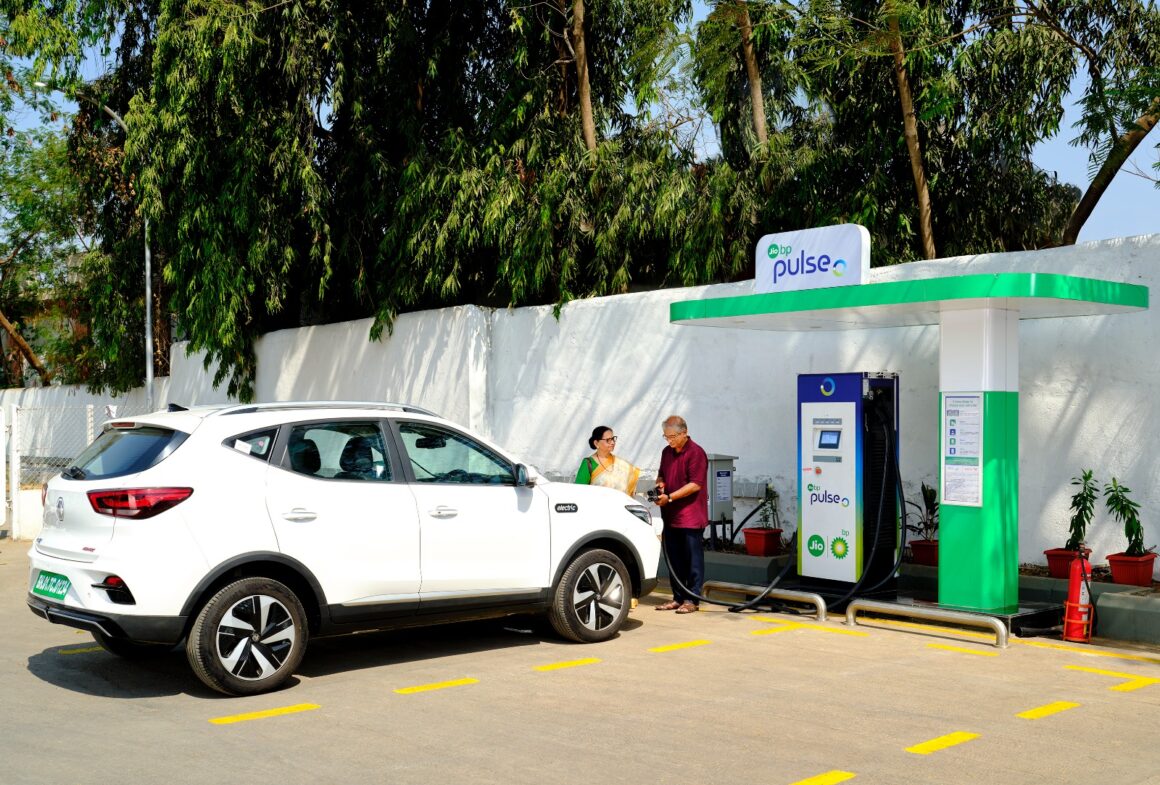
The demand for the electric vehicles or EVs is increasing in India due to the rising fuel costs. Also, EVs are more sustainable means of commutation than regular vehicles that run on Internal Combustion Engines (ICE). Therefore, the government is also supporting the EVs by incentivising the EVs by providing direct subsidies through the PM E-Drive scheme. A lowered GST rate of 5% and exemption of custom duty on minerals that are used in the critical battery are also some ways through which the government supports the EV manufacturing companies.
According to the latest government figures, 29100 EV stations have been built across the nation. Out of these, 20,300 EV stations are equipped with slow chargers whereas 8,800 EV stations are upgraded with the fast charging facility. If the government wants to push the EV driven transportation system, this number should increase significantly in the upcoming years. This guide is a handy starting point if you are searching for an ev charging station near you or comparing coverage across regions. The below sections cover the state-wise EV charging stations and other details related to the infrastructure of EV charging stations in India.
Table of Contents
State-Wise EV Charging Stations in India
The below table highlights the number of EV charging stations in India (state-wise) including the number of fast and slow EV charging stations in India:
| State | Number of EV Charging Stations | Number of Slow Charging Stations | Number of Fast Charging Stations |
| West Bengal | 891 | 570 | 321 |
| Uttarakhand | 221 | 137 | 84 |
| Uttar Pradesh | 2316 | 1776 | 540 |
| Tripura | 55 | 51 | 4 |
| Telangana | 1062 | 514 | 548 |
| Tamil Nadu | 1780 | 854 | 926 |
| Sikkim | 12 | 9 | 3 |
| Rajasthan | 1515 | 992 | 523 |
| Punjab | 698 | 473 | 225 |
| Puducherry | 46 | 18 | 28 |
| Odisha | 606 | 441 | 165 |
| Nagaland | 37 | 31 | 6 |
| Mizoram | 13 | 13 | 0 |
| Meghalaya | 62 | 41 | 21 |
| Manipur | 58 | 49 | 9 |
| Maharashtra | 4166 | 2961 | 1205 |
| Madhya Pradesh | 1146 | 793 | 353 |
| Lakshwadeep | 1 | 1 | 0 |
| Ladakh | 1 | 1 | 0 |
| Kerala | 1389 | 836 | 553 |
| Karnataka | 6096 | 5345 | 751 |
| Jharkhand | 353 | 224 | 129 |
| Jammu and Kashmir | 180 | 119 | 61 |
| Himachal Pradesh | 133 | 81 | 52 |
| Haryana | 919 | 535 | 384 |
| Gujarat | 1205 | 627 | 578 |
| Goa | 156 | 62 | 94 |
| Delhi | 1957 | 1558 | 399 |
| Dadra and Nagar Haveli and Daman and Diu | 14 | 3 | 11 |
| Chattisgarh | 347 | 223 | 124 |
| Chandigarh | 13 | 2 | 11 |
| Bihar | 518 | 346 | 172 |
| Assam | 345 | 249 | 96 |
| Arunachal Pradesh | 45 | 41 | 4 |
| Andhra Pradesh | 791 | 367 | 424 |
| Andaman and Nicobar Islands | 4 | 3 | 1 |
Bengaluru, Chennai, Delhi NCR, Mumbai, and Hyderabad are among the major hubs for EV charging stations in India. The states in which the people are adopting EVs faster have a higher number of EV charging stations. The state governments are also supporting the growth of the EV charging network by supporting the private players to enter into this business. Networks such as the Tata Power charging station rollout and the Ather Grid charging station spread have also widened access in many of these states.
Types of EV Charging Stations in India
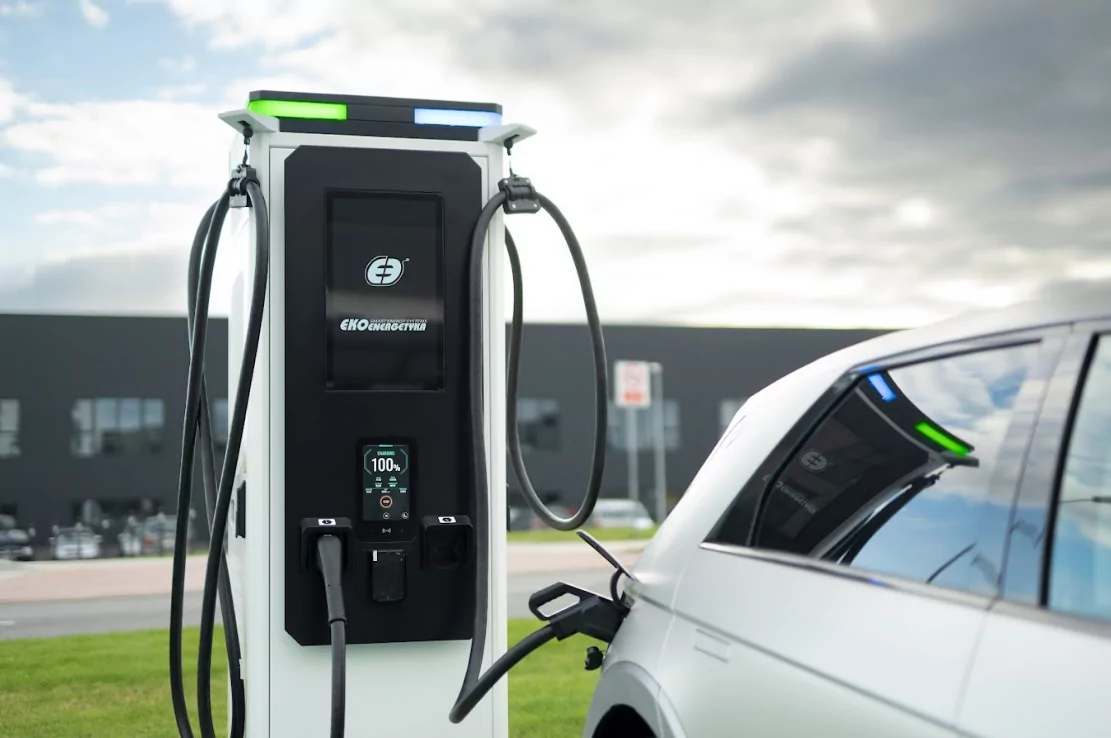
The EV charging stations present a great business opportunity for real estate developers, EV infrastructure companies, and charging software developing companies. The types of EV charging stations that we commonly see in India include:
- Apartment Charging
The charging infrastructure setup within gated communities or residential buildings fall into the category of apartment charging stations.
- Urban Charging Stations
These stations are set up in the parking spaces, malls, and offices. They are mostly found in the metropolitan cities. For daily commuters, these are usually the closest ev charging stations near me when running errands in the city.
- Highway Stations
Highway EV charging stations are set up for those who travel through highways. These charging stations are useful for completing your long distance journeys without any inconvenience.
- Electric Fleet Charging Stations
The fleet charging stations are set up for electric buses, taxis, and logistics vehicles running on the electric battery. Commercial fleet operators are the major beneficiaries of these electric stations or hubs.
Also Read: EV Charging Costs at EV Charging Stations in India
How Does the Government Support the Development of EV Charging Stations in India?
The government supports and regulates the EV charging stations through the following way:
- To support the setup of EV charging stations in India, the government allows the private players to set up EV charging points without a licence. However, these private entities need to meet the technical and safety requirements set by the Ministry of Power.
- For rapid installation of EV stations, the government has asked the power distribution companies to provide electrical connection to the electric charging stations as soon as possible. As per this policy, EV charging stations must get their electric line within 30 days in rural areas, within 15 days in municipal areas, and within 7 days in metropolitan cities.
- As per the norms set up by the government, there must be an EV after every 25 km on either side of the major roadways and highways. A heavily populated urban area must have at least one EV charging station in every 3 x 3 km grid.
- EV charging stations must have a transformer of their own. Appropriate safety guidelines and high-voltage cabling must be used to maintain the technical requirements while setting up an EV charging station.
- Public EV stations must provide the online booking facility through at least one online service providing network. Digital payment systems must be available in these charging stations and they must also facilitate remote slot booking.
- The tariff or charge for using the EV charging stations are capped at a fixed point to ensure that the people use them as much as possible. Grants and subsidies are provided through programs such as the PM E-Drive to set up fast charging stations across the country.
Types of EV Chargers Used For Cars in India
The following types of EV chargers are used for electric cars in India:
- Low Power 15A Chargers
These are the basic office or home chargers that charge the EVs using a 15A socket and a portable cable.
- AC Fast Chargers
These AC fast charging facilities are set up in homes and offices with dedicated parking and charging cables.
- Public AC Chargers
These AC chargers are typically set up in malls, hotels, and offices for quick charging of vehicles. They use the park-and-charge model to render the EV charging service.
- DC Fast Chargers (Public)
Public fast charging stations mostly use the Combined Charging System 2 (CCS2) facility that supports 25 kW to 350+ kW fast charging. Modern electric cars and SUVs need such types of fast charging facilities to charge their batteries quickly. Most of these chargers are capable of charging the car batteries up to a significant percentage within one hour.
- Bharat DC 001 (15 kW)
This was the earliest type of fast charging facility introduced in India for charging low-capacity electric vehicles.
AC chargers are mostly used for charging electric bikes and scooters these days. E-rickshaws also charge in public AC charging facilities. However, advanced electric cars, SUVs, and commercial fleets require high-power DC fast chargers as they are mostly used for highway driving and commercial fleets.
Also Read: Different Types of EV Charging Stations
Conclusion
These were some insights regarding the EV charging stations in various Indian states. We have also discussed the different types of EV chargers available in India and their relevance for different types of public and private electric vehicles. Right now, the lack of EV infrastructure across the country, low resale value of electric cars, and overall doubt regarding the performance and maintenance of electric vehicles are the major hurdles affecting the sales of EVs in India. If India has to meet its goals regarding minimising use of fuel-based vehicles, the government must set up more electric charging stations across the country. Also, the production of EVs needs to be pushed more and the public must be more aware of its low running costs and other benefits.
Also Read: How To Properly Charge Your EV: Complete Guide
FAQs About EV Charging Stations in India State-Wise
Q1: How much does it cost to set up an EV charging station in India?
Setting up an EV charging station in India typically costs between ₹1–15 lakh, depending on charger type. Slow AC chargers are the cheapest, while fast DC chargers cost more due to higher power capacity, transformers, and installation requirements.
Q2: Is a licence required to open an EV charging station in India?
No, you do not need a licence to open an EV charging station in India. The government allows private players to set up charging points freely, provided they meet the technical and safety standards set by the Ministry of Power.
Q3: How long does it take to charge an electric vehicle at a public station?
Charging time depends on the charger type — fast DC chargers can charge an EV to 80% in 30–60 minutes, while slow AC chargers may take 6–8 hours for a full charge.
Q4: How can I find the nearest EV charging station in India?
You can find the nearest EV charging station using apps and maps like Google Maps, or dedicated platforms that list public, highway, and urban charging points across Indian states.
Q5. What is the easiest way to locate EV charging stations near me right now?
To locate EV charging stations near me, open Google Maps or an operator app such as the Tata Power or Ather Grid charging station finder, share your location, and it will list the nearest working charging stations near me along with connector type and live availability.