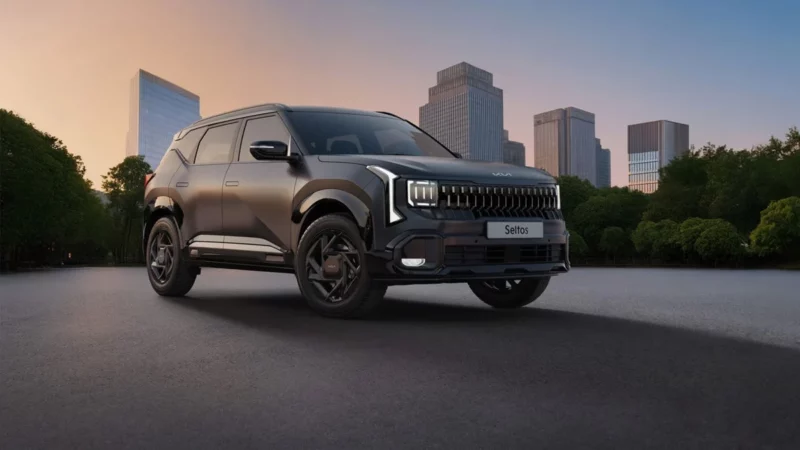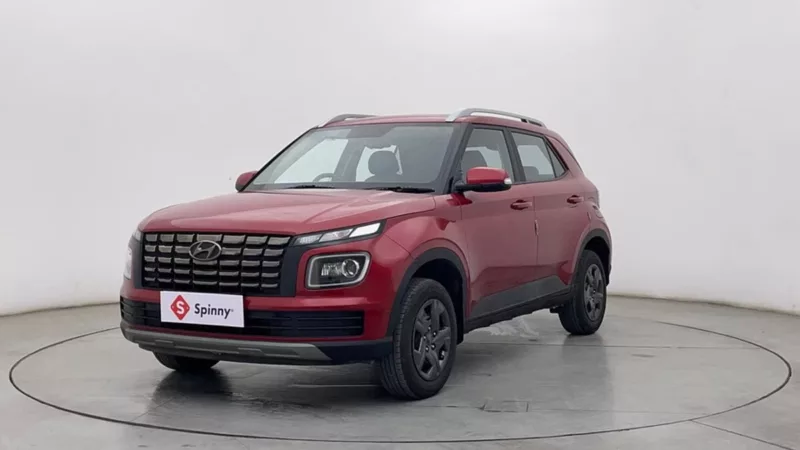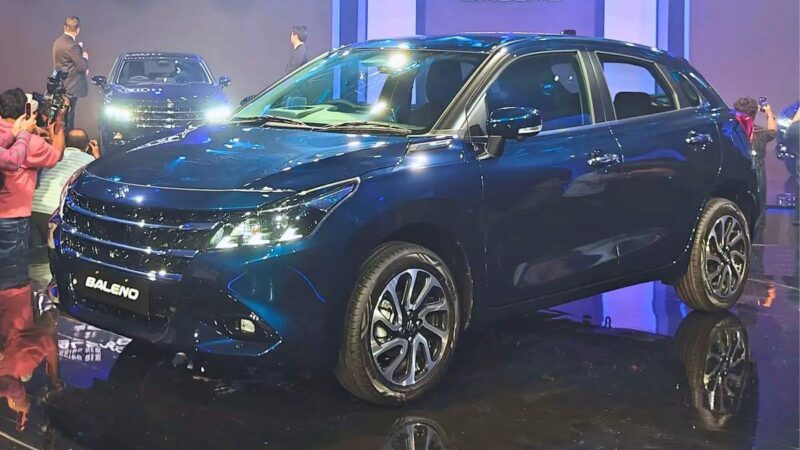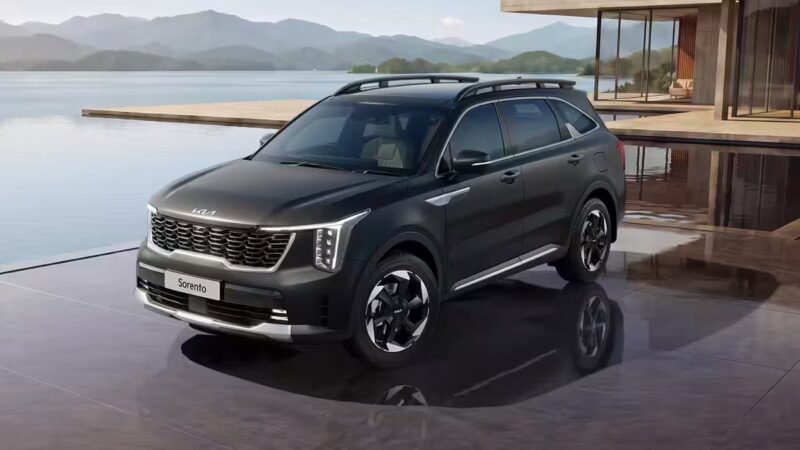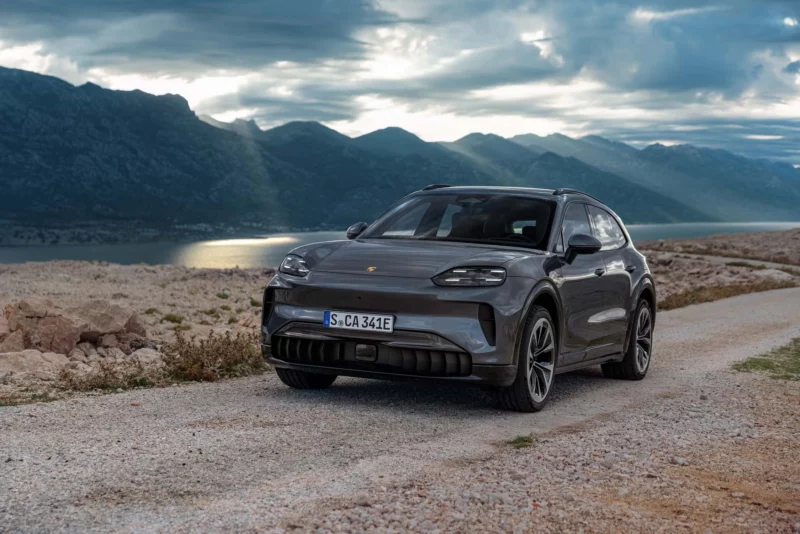
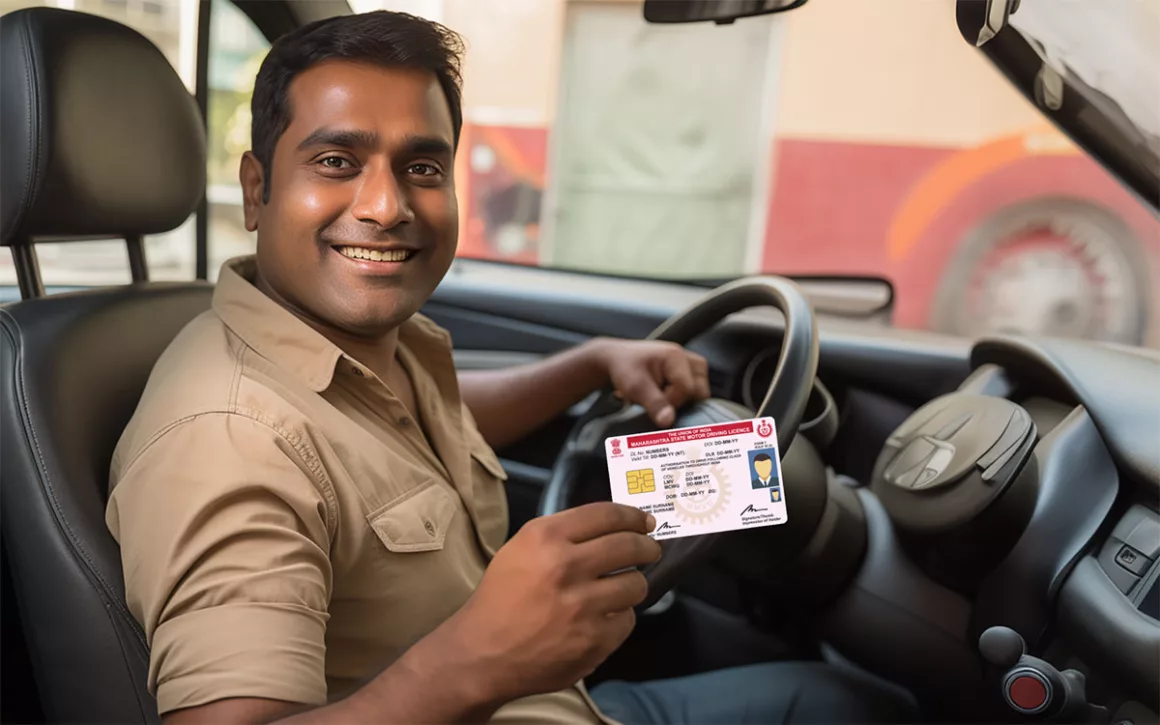
The acronym LMV is short for Light Motor Vehicle. A licence holder possessing an LMV endorsement on their driving licence is considered qualified to operate vehicles classified under the Light Motor Vehicle category as per the Motor Vehicles Act. In general, Light Motor Vehicle vehicles include most private cars, hatchbacks, sedan cars, sport utility vehicles, and some light commercial vehicles that fall within the prescribed weight limit.
The most important number to remember is 7,500 kg. Under Indian law, a transport vehicle or omnibus can fall within the LMV category if its Gross Vehicle Weight does not exceed 7,500 kg. For a motor car, tractor or road roller, the law uses unladen weight and applies the same 7,500 kg ceiling. This is different from the commonly repeated but incorrect 3,500 kg LMV definition.
Table of Contents
LMV Meaning at a Glance
| Detail | Meaning |
| LMV full form | Light Motor Vehicle |
| Legal weight threshold | Up to 7,500 kg |
| Common private vehicles | Hatchbacks, sedans, SUVs, MPVs and light vans |
| Can include transport vehicles? | Yes, if they fall within the LMV weight definition |
| Minimum age for normal private LMV | 18 years |
| Learner’s licence required first? | Yes |
| Minimum learner period before permanent test | 30 days |
| Separate transport endorsement always required for LMV transport vehicle? | No, following the 2024 Supreme Court ruling, subject to applicable exceptions |
What Is the Full Form of LMV?
The abbreviation LMV stands for Light Motor Vehicle, not Light Motor Vehicle Licence. LMV is the legal category of vehicles that is mentioned on the driving licence as an endorsement.
In everyday use, people often call it an “LMV licence” because it authorises the holder to drive vehicles in that class. However, the abbreviation itself refers to the vehicle category rather than the licence document.
For the majority of private motorists, the term LMV refers to the category of driving an ordinary vehicle. The definition is broader, as certain light commercial vehicles can also fall under the LMV category.
What Is a Light Motor Vehicle Under Indian Law?
Section 2(21) of the Motor Vehicles Act defines a Light Motor Vehicle using vehicle type and weight. For a transport vehicle or omnibus, the relevant figure is its Gross Vehicle Weight, while a motor car, tractor or road roller is assessed using its unladen weight.
In both instances, the limit is 7,500 kilograms. This reinforces the idea that LMV is not merely a colloquial term to describe a “small vehicle.” Rather, it is a legal definition that applies to various types of vehicles, provided they fall within the specified weight limit.
That distinction matters when discussing light commercial vehicles because an LMV is not automatically limited to vehicles used only for personal purposes.
Understanding the 7,500 kg LMV Limit
The 7,500 kg threshold is often misinterpreted because the term weight is used differently for different vehicle types.
| Vehicle Type | Weight Considered | LMV Limit |
| Transport vehicle | Gross Vehicle Weight | Up to 7,500 kg |
| Omnibus | Gross Vehicle Weight | Up to 7,500 kg |
| Motor car | Unladen weight | Up to 7,500 kg |
| Tractor | Unladen weight | Up to 7,500 kg |
| Road roller | Unladen weight | Up to 7,500 kg |
Gross Vehicle Weight is generally the maximum weight that cars can have along with their loads, while unladen weight refers to the weight of the car without taking any loads into account.
For a normal private car buyer, you usually do not need to calculate these figures yourself because most passenger cars sit comfortably within LMV limits. The distinction becomes more relevant when dealing with vans, pickups and light commercial vehicles.
Which Vehicles Come Under LMV?
Most private vehicles sold in India fall under the LMV category. These include regular hatchbacks, sedans, compact SUVs, larger SUV models, MPVs, and many light utility vans.
Some transport vehicles can also fall under LMV if they satisfy the statutory weight requirement. A light goods carrier, for example, may remain an LMV if its registered Gross Vehicle Weight does not exceed 7,500 kg.
Thus, in the absence of clarity, vehicle registration may be very helpful. Instead of relying solely on looks or the size of the vehicle, it would be better to refer to the registration class of the vehicle as well as its details.
Also Read: How to Apply for a Driver’s License in India – Everything you need to know
LMV Non-Transport vs Transport Vehicles
Driving-licence forms and transport administration may distinguish between a Light Motor Vehicle used as a non-transport vehicle, and one used as a transport vehicle. A private car used for personal travel is the most familiar LMV non-transport example, while a qualifying goods or passenger vehicle used commercially can fall into the transport category.
Nevertheless, one should not conclude from these terms that LMV and transport vehicles are entirely two different worlds of law. The Supreme Court made it clear in 2024 that the LMV category can itself accommodate certain types of transport vehicles, as long as their weight remains within accepted limits.
This has changed the way the old “LMV-NT versus LMV-TR” distinction should be explained to drivers.
Can an LMV Licence Holder Drive a Commercial Vehicle?
Yes, an LMV licence holder can drive a transport vehicle that itself falls within the LMV definition, following the Supreme Court’s November 2024 Constitution Bench ruling.
The Court held that a person holding an LMV licence does not require an additional Transport Vehicle authorisation merely because the qualifying LMV is being used as a transport vehicle. The key condition is that the vehicle must remain within the LMV weight category.
This indicates that the traditional assertion claiming that an LMV driver cannot operate a commercial light vehicle unless they have a specific LMV-TR endorsement has been updated.
However, this should not be interpreted to mean an LMV licence authorises every commercial vehicle. Medium and heavy transport vehicles outside the LMV weight limit require the appropriate licensing category.
What Did the Supreme Court Rule in 2024?
A ruling from the Constitution Bench in 2024 clarified a long-held uncertainty surrounding the requirement of a separate transport approval for a driver with an LMV licence before driving a light transport vehicle.
The Court concluded that a transport vehicle does not cease to be an LMV merely because it is used commercially. If it stays within the statutory LMV weight definition, a separate Transport Vehicle endorsement is not required purely on account of commercial use.
The decision remained operative in future matters, including those concerning light commercial vehicles that are lower than the 7500 kg level, which is why it really matters in the explanation of LMV licences in 2026.
Vehicles an LMV Licence Does Not Cover
An LMV licence does not give a driver unrestricted authority to operate every motor vehicle. Medium and heavy transport vehicles that fall outside the LMV weight definition require the appropriate higher vehicle-class authorisation.
Specific regulations may still apply to some categories. The Supreme Court has stated that vehicles like e-rickshaws, e-carts and those transporting hazardous materials may be required to comply with specific laws.
Commercial use can also involve permits, badges, fitness certificates or other operational requirements depending on the vehicle and state. The 2024 judgment dealt with the driving-licence class; it did not remove every separate legal requirement associated with operating a commercial vehicle.
LMV vs MCWG vs Other Vehicle Categories
LMV and MCWG in regard to driving licence classes are distinct from each other. You do not need to hold an MCWG licence prior to obtaining an LMV licence.
| Licence Category | What It Generally Covers |
| LMV | Light motor vehicles within the statutory category |
| MCWG | Motorcycles with gear |
| MCWOG | Applicable motorcycles without gear |
| Medium/heavy categories | Vehicles above the LMV class requiring appropriate authorisation |
In order to drive both cars and the geared motorcycles, you must possess an appropriate endorsement on your licence for both types of vehicles. This means that possessing one does not entitle you to operate the other.
Eligibility for an LMV Driving Licence
For a normal private LMV such as a car, the minimum age is generally 18 years. Applicants first obtain a learner’s licence and must meet the applicable physical-fitness and documentation requirements.
According to the common procedures, a learner’s licence must be acquired prior to receiving a permanent one. A candidate should possess a learner’s licence for at least 30 days before performing the practical driving competence examination.
Form 1 is generally used as the self-declaration of physical fitness for an ordinary non-transport application. Form 1A medical certification applies in prescribed cases, including applicable applicants aged 40 or above and transport-related applications.
How to Apply for an LMV Licence
An applicant has to start the application procedure via the relevant state licensing authority or Sarathi Parivahan system. By obtaining a learner’s licence service for their specific state, a candidate can apply for an LMV licence.
After completing the required identity, age and address verification, pay the learner’s licence and test fees and complete the prescribed knowledge test. Once the learner’s licence is issued, practise driving under the applicable learner rules.
After holding your learner’s licence for a minimum of 30 days, you can apply for your permanent driving licence and schedule your practical test. You must show your driving competence using a vehicle appropriate for your class. Different states may administer the practical test differently; for example, some states use automated tracks.
Also Read: Complete Guide to Driving Licence Test
LMV Driving Licence Fees
The central fee schedule separates learner, testing and permanent-licence charges rather than using one single LMV licence fee.
| Service | Base Fee |
| Learner’s licence issue, per class | ₹150 |
| Learner test/retest | ₹50 |
| Driving competence test/retest, per class | ₹300 |
| Driving licence issue | ₹200 |
| Addition of another vehicle class | ₹500 |
States may also impose any number of additional fees related to card, user or services. Thus, the amount payable for your application should be the total obtained from Sarathi or the authority.
Do not confuse Form 8 with the initial permanent-licence application. Form 8 is associated with adding another class of vehicle to an existing licence, while the regular licence application follows the prescribed driving-licence process.
What Happens in the LMV Driving Test?
The LMV practical test verifies whether you are checked to ensure that you can control the vehicle safely and that you are competent to drive it. In India, however, practical testing processes differ by state because state authorities set their own systems.
Applicants can generally expect assessment of basic vehicle control, starting and stopping, steering, reversing, parking and compliance with road or track instructions. Automated test centres may use cameras and sensors, while other authorities may use different assessment systems.
There is no absolute requirement that an individual should do the practical test using a manual transmission vehicle. The LMV applicant has to use a prescribed vehicle as per his/her state licensing authority specifications.
How Long Is an LMV Driving Licence Valid?
For a private non-transport driving licence, validity now depends on the holder’s age when the licence is issued or renewed.
| Age at Issue or Renewal | Validity |
| Below 30 years | Until the holder reaches 40 |
| 30 to below 50 years | 10 years |
| 50 to below 55 years | Until the holder reaches 60 |
| 55 years and above | 5 years |
Previous information about private driving licences being valid for a period of 20 years or till the age of 50 is based on outdated legislation. Different rules apply to driving licences and special vehicles depending on modes of transport being employed.
Also Read: Types of Driving Licences in India
Summary
LMV stands for Light Motor Vehicle and refers to a statutory vehicle category rather than simply a “car licence”. Under the Motor Vehicles Act, qualifying vehicles can fall within LMV when they remain within the applicable 7,500 kg weight limit.
LMVs include most private cars, sports utility vehicles (SUVs), multi-purpose vehicles (MPVs), and small vans, but it may also include other qualified transport vehicles. As per the verdict of the Supreme Court in 2024, LMV license holders need not obtain a separate endorsement for a transport vehicle, as long as it meets LMV standards, but there are separate regulations for medium/heavy vehicles and special types of vehicle categories.
For an ordinary private LMV licence, applicants generally need to be at least 18 years old, obtain a learner’s licence and hold it for at least 30 days before appearing for the permanent driving competence test.
FAQs About LMV in Driving Licence
Q. What is the full form of LMV in a driving licence?
LMV stands for Light Motor Vehicle. It is the vehicle category that the licence holder is authorised to drive.
Q. What is the maximum weight for an LMV?
The statutory threshold is 7,500 kg. For transport vehicles and omnibuses, Gross Vehicle Weight is considered, while motor cars, tractors and road rollers are assessed using unladen weight.
Q. Does LMV include SUVs and MPVs?
Yes. Most private SUVs, MPVs, hatchbacks and sedans fall within the LMV category.
Q. Can an LMV licence holder drive a commercial vehicle?
Yes, if the transport vehicle itself falls within the statutory LMV category. The Supreme Court clarified in 2024 that a separate transport authorisation is not required merely because an LMV-class vehicle is used commercially.
Q. Can an LMV licence holder drive a heavy truck?
No. Vehicles outside the LMV weight category require the appropriate medium or heavy vehicle authorisation.
Q. Is MCWG compulsory before getting an LMV licence?
No. MCWG and LMV are separate vehicle classes. You can apply for an LMV licence without first holding a geared-motorcycle licence.
Q. What is the minimum age for an LMV licence?
The minimum age for an ordinary private LMV such as a car is generally 18 years.
Q. Do I need a learner’s licence before an LMV licence?
Yes. You normally need to obtain a learner’s licence and hold it for at least 30 days before taking the permanent driving competence test.
Q. Is an LMV licence valid for 20 years?
Not necessarily. Current non-transport licence validity depends on the licence holder’s age at issue or renewal rather than one universal 20-year period.