

Known for its sturdy build quality, comfortable ride, and refined engine options, the Volkswagen Vento remains a popular sedan even in the used car market. Its European engineering and advanced features offer a premium feel to this model.
However, being a decade-old model, a used Volkswagen Vento often comes with some specific issues. Individuals planning to purchase a pre-owned unit of this model should be aware of the potential problems they may encounter.
Continue reading to explore the various upgrades available for the Volkswagen Vento and potential issues that may arise in a pre-owned unit.
Pre-owned Volkswagen Vento Generations
Pre-owned Volkswagen Vento Generations
Introduced in 2010, the Volkswagen Vento continued its production until 2020. It was very popular throughout its lifecycle and was sold as one generation with some periodic changes in facelifts and other updates.
- Generation 1: 2010-2012 Volkswagen Vento
The first phase of the Volkswagen Vento began with its launch in 2010 and continued until 2012. With a strong emphasis on its build quality, this model featured refined driving dynamics and German engineering.
The Volkswagen Vento was equipped with a 1.6-litre MPI petrol engine and a turbocharged diesel engine. Both the engine options came with five-speed manual transmission choices, and the petrol variant also had a six-speed automatic transmission.
The first phase of the Volkswagen Vento featured a premium sedan with solid performance, ample space, comfort, and advanced safety features for its time.
- Generation 2: 2013 – 2014 Volkswagen Vento
The next phase of the Volkswagen Vento came up between 2013 and 2014. In this phase, Vento was upgraded with a more powerful and efficient engine, offering an enhanced driving experience and fuel efficiency.
The previous 1.6L automatic petrol engine was replaced by a seven-speed dual-clutch transmission (DCT) automatic gearbox and a 1.2L turbocharged petrol engine. Moreover, the diesel engine was also upgraded to a refined 1.5-litre TDI engine, offering a seven-speed DCT automatic transmission as well as a manual transmission.
With these updates, the Vento’s fuel performance, driving efficiency, and economy were improved, increasing its popularity among vehicle enthusiasts.
- Generation 3: 2015 – 2019 Volkswagen Vento
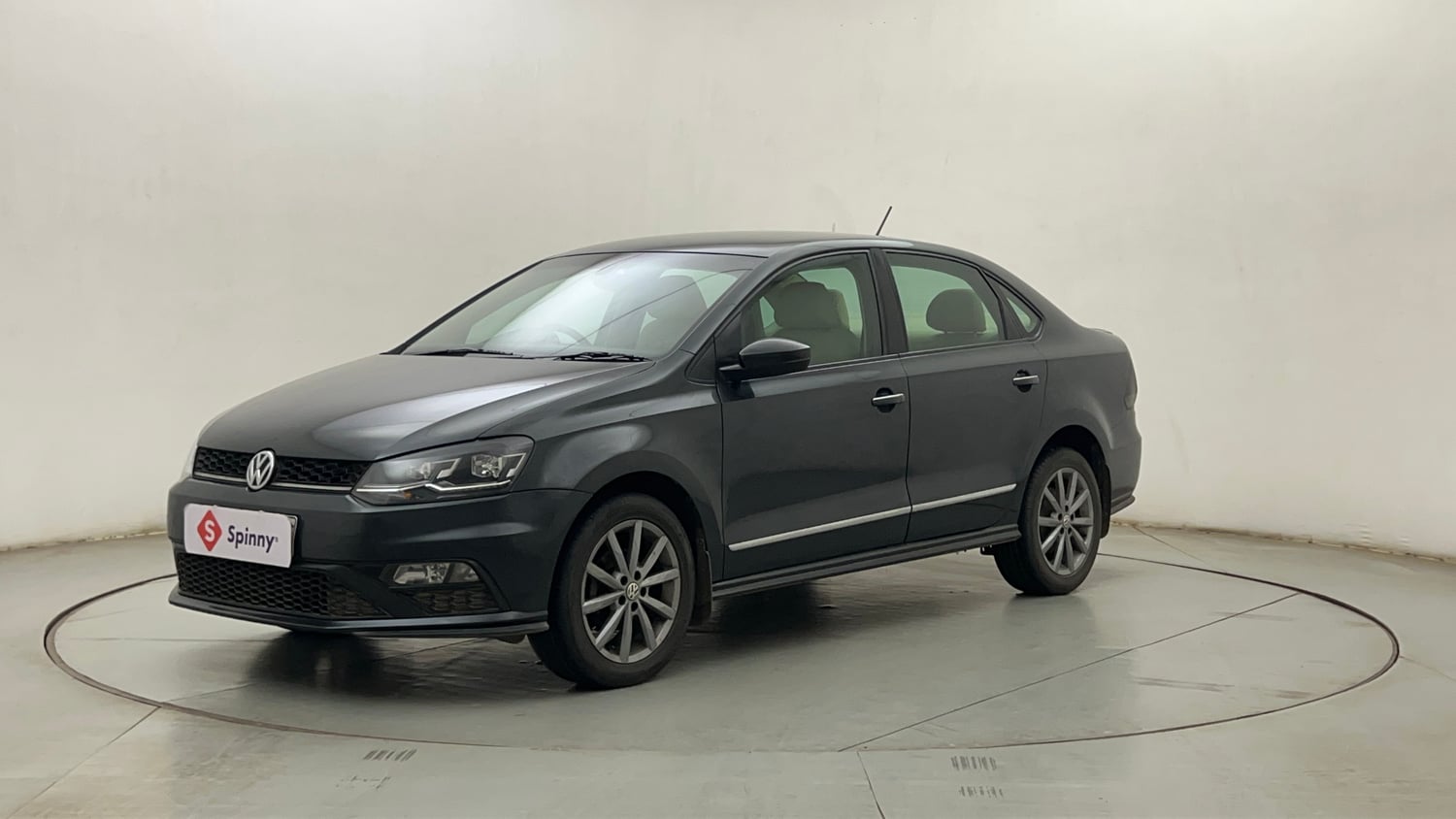
A notable update was introduced to the Vento model in 2015, which revamped the entire look of this popular sedan in India. The facelift introduced a refined and more modern appearance to this model, featuring a three-slat chrome finish and a stylish new grille. The bumper elements, headlights, and taillights were also upgraded, featuring sharper styling.
Among its internal upgrades, the cabin deserves special mention for its enhanced features, including a cooled glovebox, cruise control system, premium interior, and ambience. Although the engine options remained the same, the changes in styling, features, and aerodynamics offered a new look and feel to the Vento.
- Generation 4: Volkswagen Vento 2020 Onwards
The Volkswagen Vento underwent notable changes to its lineup with the introduction of the BS6 emission norms in India. Its popular 1.5-litre diesel engine, as well as the 1.6-litre and 1.2-litre petrol engines, were discontinued, and a new 1.0-litre TSI turbocharged petrol engine was introduced.
With 110 PS and 175 Nm of torque, this contemporary engine provided increased power and efficiency. Customers had the option of a 6-speed torque converter automatic or a 6-speed manual gearbox. Before its discontinuation in 2022 to make room for the more recent Volkswagen Virtus model, this update was the Vento’s last iteration.
What to Check on a Used Volkswagen Vento Before Buying?
Before buying a used Volkswagen Vento, buyers should conduct a thorough inspection of specific areas. Here are some of the points that you must check for:
- DSG Automatic Transmission Issues
A major concern with a used Volkswagen Vento that has a DSG automatic transmission is transmission-related issues. Several reports have been made regarding unusual cranking sounds, rough shifting, unusual jerks, inconsistent gear ratios, and excessive vibrations.
Before buying a pre-owned Vento with a DSG variant, always go for a test drive and check all the gear ranges multiple times. If possible, take an experienced mechanic with you when test-driving to identify faults at an early stage accurately.
- Sensor Failure
As this sedan is equipped with modern electronic systems, multiple sensors work in sync to ensure their proper functioning. As a result, failures of the fuel tank pressure sensor and the ANS wheel sensor are often reported in used Volkswagen Vento vehicles.
Sensor malfunctions in this sedan can lead to warning lights, issues in the fuel system, and compromised ABS function. As the replacement costs for these sensors are high, ranging up to ₹6,000, buyers must conduct a thorough check before finalising their decision.
You can check the warning lights on the dashboard and ask a mechanic to scan the ECU for sensor issues. Check the sensor wiring and physical condition, if possible, to avoid sudden failures after purchase.
- Fuel System Issues
The Volkswagen Vento diesel variants with a 1.5 TDI engine have reported recurring issues with their fuel system. This includes leakage in the fuel pump, fuel lines, or sending units. All these faults can cause poor engine performance, safety hazards, and even unexpected fuel odour.
Always inspect the fuel system physically before buying a used Volkswagen Vento. Have an experienced mechanic inspect the fuel pump and related components during the inspection. Any signs of fuel leakage should be a red flag because the repair involves costly component replacements and labour.
- Service History and Maintenance Records
A well-maintained Volkswagen Vento will have fewer problems, having undergone timely servicing and proper maintenance. Therefore, it is essential to review the vehicle’s complete service history.
Check for regular servicing of critical components such as the air filter, spark plugs, timing belt, and throttle body. Verify if essential consumables have been replaced on time and if authorised Volkswagen service centres performed the maintenance. Unreported mechanical or electrical problems may be present in cars with irregular servicing or no recorded service history.
- Electrical and Sensor Issues Beyond Common Sensors
In addition to ABS and fuel tank sensors, some Vento owners have reported sporadic electrical issues with the dashboard electronics, engine management system sensors, and wiring harness issues.
Test all of the electronic features and look for any flickering or odd indicators on the dashboard. Latent electrical glitches can be found with the aid of a diagnostic scan.
- AC and Climate Control Problems
The Vento’s air conditioning system has been flagged in some cases for inconsistent cooling performance or compressor failures, especially in high-mileage units. AC repairs can be expensive, so verify that the AC consistently blows cold air and does not produce unusual sounds during operation.
Also, check if the rear AC vents are functioning, if available in the variant. Inspect the AC filter and compressor condition as part of the service records check.
- Engine and Mounting Noise
Some used Vento units, particularly those in the early years (2010-2012), were reported to develop engine mounting issues. This can result in increased engine noise and cabin vibrations.
Excessive engine noise can indicate deteriorated engine mounts or underlying engine problems. Listen carefully for abnormal engine vibrations or clunking noises during acceleration and idling when you take the vehicle for a test drive.
If detected, request an inspection of the engine mounts and bushings and consider the potential repair costs.
- Exterior and Interior Condition
Being a premium sedan, the exterior and interior condition of the Volkswagen Vento impact long-term ownership satisfaction. Look for rust spots, paint inconsistencies, dents, or signs of an accident repair. Check the door seals, sunroof (if applicable), and window mechanisms for proper operation.
Inside the car, inspect the upholstery for wear, the condition of the dashboard plastics, the infotainment system’s operation, and seat adjustments. A well-kept Vento reflects the care given by the previous owner.
- Brake Performance and Suspension
The suspension and brakes must be in proper working order because of the Vento’s weight and power. Check for any noises or pulling when stopping or turning, and test the responsiveness of the braking.
Inspect the suspension parts for wear or leaks, paying close attention to the struts and shock absorbers. Another indication of suspension misalignment may be uneven tyre wear. These inspections guarantee the car’s comfort and safety after purchase.
- Tyres and Wheel Alignment
To prevent needless replacements, confirm the tyre’s brand, tread depth, and manufacturing date. Verify that the wheels are correctly aligned to avoid handling problems and uneven tyre wear.
Additionally, check alloy wheels for bends or damage that might impair driving stability. Immediately after purchase, poor alignment and tyres can raise the price. confirm all of this before buying a pre-owned Volkswagen Vento.
Also Read: Should you buy a used Volkswagen Vento?
Summary
The used Volkswagen Vento remains a compelling choice for buyers seeking a premium sedan with European engineering at an affordable price. However, specific issues, such as sensor failures, DSG transmission problems, fuel system leaks, electrical glitches, etc., require due diligence during the buying process.
Confirming a clean service record and inspecting key components like brakes, suspension, AC, and tyres are equally important. Before selecting a used Vento, buyers must verify these common problem areas and opt for a detailed inspection through an expert mechanic.
FAQs about Buying a Used Volkswagen Vento
Q. Which Volkswagen Vento generations are available in the used car market in India?
The Volkswagen Vento was sold in one generation from 2010 to 2020 with facelifts and engine updates. Used cars mainly belong to this generation, featuring petrol and diesel engines with manual and DSG transmissions.
Q. What are the most common problems in a used Volkswagen Vento?
Common issues include sensor failures (ABS and fuel tank sensors), DSG transmission problems in automatic variants, fuel system leaks, electrical glitches, AC inconsistencies, and engine mount vibrations. These issues require careful inspection before purchase.
Q.How to check for DSG transmission problems in used Vento models?
During test drives, shift through all gears multiple times and listen for jerks, cranking sounds, or unusual vibrations. It is best to consult an experienced mechanic for an early detection of transmission faults.
Q. Why is checking the fuel system important in a used Volkswagen Vento?
Fuel leaks can occur in components like the fuel pump and lines, leading to performance issues and safety hazards. Inspect for any fuel smell or visible leaks, and have a mechanic thoroughly inspect the system.
Q. Is the Volkswagen Vento a reliable used car?
With proper maintenance, the Volkswagen Vento can be a reliable vehicle. Long-term owners have reported excellent performance even after over 3.5 lakh kilometres. Checking maintenance records and servicing at authorised centres boosts reliability.



What type of automatic gear system is in the vento petrol 2011 model; is it a DSG or DCT …?