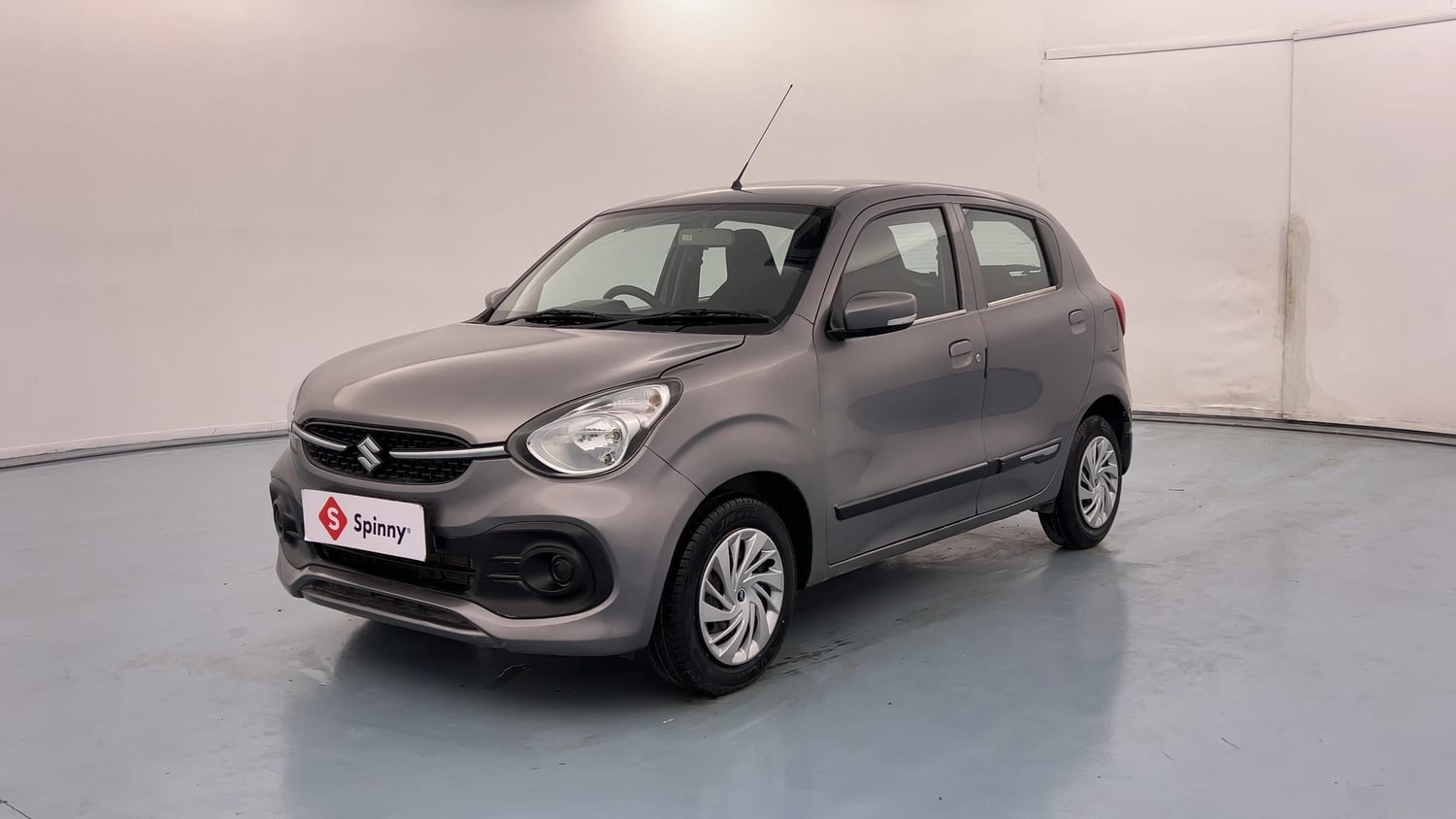
The compact hatchback Maruti Suzuki Celerio was made for convenience in urban driving situations. It is a vehicle with excellent fuel economy, a low initial purchase price and low ongoing operating costs. While it may not seem like a big deal, selecting the right size of tyres for this vehicle or ensuring that they are properly inflated can greatly impact ride quality, braking ability, response to steering inputs, fuel mileage and longevity of the tyres themselves.
For the latest Maruti Suzuki Celerio, the commonly used tyre size across the current variant range is 165/70 R14. This includes petrol manual, petrol AGS and CNG variants. Older Celerio versions and Celerio X models may have different tyre sizes, so owners should always check the tyre sidewall, owner’s manual or driver-side door sticker before buying replacement tyres.
Maruti Suzuki Celerio Tyre Size
| Detail | Latest Celerio tyre information |
| Standard tyre size | 165/70 R14 |
| Wheel size | 14-inch |
| Tyre type | Tubeless radial |
| Commonly listed tyre pressure | Around 36 PSI front, 32 PSI rear |
| Replacement tyre price | Around ₹2,800–₹6,500+ per tyre |
| Best tyre type | Comfort-focused, fuel-efficient city tyres |
For most current Celerio owners, the safest replacement choice is the same size that comes fitted on the car: 165/70 R14.
Maruti Suzuki Celerio Tyre Size by Variant
The present Celerio range consists of CNG, petrol AGS, and petrol manual variants, with the most recent model being equipped with the 1.0-litre K-Series engine and having manual and AGS transmission options available to petrol buyers. So, which tyre size fits which variant? Check out the table below:
| Celerio variant | Tyre size | Wheel size | Tyre type |
| Celerio LXi MT | 165/70 R14 | 14-inch | Tubeless radial |
| Celerio VXi MT | 165/70 R14 | 14-inch | Tubeless radial |
| Celerio VXi AGS | 165/70 R14 | 14-inch | Tubeless radial |
| Celerio VXi CNG | 165/70 R14 | 14-inch | Tubeless radial |
| Celerio ZXi MT | 165/70 R14 | 14-inch | Tubeless radial |
| Celerio ZXi AGS | 165/70 R14 | 14-inch | Tubeless radial |
| Celerio ZXi+ MT | 165/70 R14 | 14-inch | Tubeless radial |
| Celerio ZXi+ AGS | 165/70 R14 | 14-inch | Tubeless radial |
Older listings of tyres may show sizes 155/80 R13 and 175/60 R15, found on older models of the Celerio, both of which should not be used as a point of reference for newer generations of the Celerio without confirming with your vehicle’s own tyre label what size it is fitted with.
What Does 165/70 R14 Mean?
Tyre size can look confusing, but it is easy to understand once broken down.
| Tyre marking | Meaning |
| 165 | Tyre width in millimetres |
| 70 | Sidewall height as a percentage of tyre width |
| R | Radial construction |
| 14 | Wheel rim size in inches |
So, 165/70 R14 means the tyre is 165mm wide and has a profile height that is 70% of the profile width, a radial construction type and fits a 14″ wheel.
This size is well-suited to the Celerio because it balances comfort, mileage, light steering and replacement cost.
Maruti Suzuki Celerio Tyre Price in India
The costs of replacement Celerio tyres are affected by several factors, including manufacturer, pattern, material, warranty, city and seller.
| Tyre category | Expected price range per tyre | Best for |
| Budget tyres | ₹2,800–₹3,500 | Basic city use |
| Mid-range tyres | ₹3,500–₹4,500 | Balanced comfort and durability |
| Premium tyres | ₹4,500–₹6,500+ | Better grip, comfort or lower road noise |
Popular brands of tyres available for the Celerio are MRF, CEAT, Apollo, Bridgestone, JK Tyre, Goodyear, Yokohama and Michelin. Prices of tyres will change depending on the type of tyre you select, the offer available at that time, the manufacturing date of the tyre, and whether there are fitting charges, balancing charges, and valve charges included with the price of the tyre.
Also Read: 4 Things to Check before buying a used Maruti Suzuki Celerio
Recommended Tyre Pressure for Maruti Suzuki Celerio
For the latest Celerio with 165/70 R14 tyres, a commonly listed tyre pressure is around 36 PSI for the front tyres and 32 PSI for the rear tyres.
| Tyre position | Recommended pressure |
| Front tyres | Around 36 PSI |
| Rear tyres | Around 32 PSI |
Tyre pressures can change because of different factors, such as the weight in the vehicle, how you are using the vehicle, and the type of vehicle. The best way to find the correct tyre pressures for your vehicle is to look on the sticker on the driver’s door jamb or check the owner’s manual.
Check tyre pressure when the tyres are cold, preferably before driving or after the car has been parked for a few hours. Hot tyres can show a higher reading and may give you an inaccurate pressure value.
Why Correct Tyre Pressure Matters
The tyre pressure has an influence on how the Celerio drives and uses fuel. Since the Celerio has a reputation for using very little fuel, maintaining the correct tyre pressure can help ensure that you get the best mileage possible.
| Tyre pressure issue | What happens |
| Low tyre pressure | Lower mileage, heavier steering, faster tyre wear |
| High tyre pressure | Harsher ride, reduced grip, uneven tyre wear |
| Uneven pressure | Pulling to one side, unstable handling |
| Correct pressure | Better mileage, comfort and tyre life |
Check tyre pressure at least once every two weeks and before long highway trips.
Best Tyres for Maruti Suzuki Celerio
Which tyre will work best on a Celerio will depend on how you drive it. The majority of Celerio owners typically use their vehicles for commuting in the city, travelling shorter distances with family and making occasional trips on the motorway, so the comfort and lifespan of the tyres tend to be much more important to them than performance.
| Driving need | Recommended tyre type |
| Daily city use | Comfort-focused tyres |
| High mileage driving | Long-life tyres |
| Bad roads | Strong sidewall tyres |
| Highway use | Stable, low-noise tyres |
| Better mileage | Low rolling-resistance tyres |
For most buyers, a mid-range 165/70 R14 tyre from a known brand is the best choice. It gives a good balance of price, comfort, tyre life and safety.
When Should You Replace Celerio Tyres?
Worn, broken or excessively old tyres need to be changed because they no longer work properly. Do not just wait until your tyre has gone flat or has a visible flaw before you have it replaced.
Replace your Celerio tyres if you notice:
- Tread depth has reduced close to the wear indicator
- Sidewall cracks or bulges
- Repeated punctures
- Uneven tyre wear
- Vibration at speed
- Poor braking grip
- Tyres are more than 5–6 years old
Even if the tread appears to be good, worn rubber breaks down chemically/physically over time and will not maintain grip. Always verify the date on the sidewall of a new tyre before purchase.
Can You Upsize Maruti Celerio Tyres?
For the most up-to-date Celerio model, use the manufacturer’s recommended tyre dimensions: 165/70 R14. While upsizing may provide a more attractive appearance, it has a negative effect on the ride quality, fuel efficiency, steering proficiency, suspension comfort, and speedometer precision.
If you still want to upsize, check the following first:
- Wheel well clearance
- Load rating
- Speed rating
- Speedometer error
- Suspension impact
- Warranty concerns
- Tyre rubbing risk
For a city-focused hatchback like the Celerio, staying with the original tyre size is usually the smarter and safer choice.
Tyre Maintenance Tips for Celerio Owners
Good tyre care can improve mileage, comfort and tyre life.
- Check tyre pressure every two weeks
- Rotate tyres every 8,000–10,000 km
- Get wheel alignment checked if the car pulls to one side
- Balance wheels after tyre replacement
- Avoid driving over potholes at speed
- Do not overload the car
- Replace damaged valves during tyre changes
- Check spare tyre pressure regularly
- Inspect tyres before highway trips
Small maintenance habits can prevent uneven wear and help you avoid early tyre replacement.
Also Read: Complete Buying Guide: Maruti Suzuki Celerio
Final Verdict
165/70 R14 is the recommended tyre size for all versions (petrol, AGS and CNG) of the new Maruti Suzuki Celerio. In addition to providing an appealing mix of comfort, mileage, ease of steering and cost of replacement for all vehicles, it also meets all other requirements necessary for a suitable tyre.
A commonly listed tyre pressure is around 36 PSI at the front and 32 PSI at the rear, but the owner’s manual or driver-side door sticker should always be treated as the final reference.
Choose good-quality tubeless radial tyres in size 165/70 R14 when replacing Celerio’s tyre set. For city driving on main streets, this mid-range vehicle used as a daily driver is a top pick!
FAQs
Q. What is the tyre size of the latest Maruti Suzuki Celerio?
The latest Maruti Suzuki Celerio commonly uses 165/70 R14 tyres across its current petrol, AGS and CNG variants.
Q. What is the recommended tyre pressure for Maruti Celerio?
A commonly listed tyre pressure for the latest Celerio is around 36 PSI for the front tyres and 32 PSI for the rear tyres. Always check the driver-side door sticker or owner’s manual for the exact recommendation.
Q. What is the price of Maruti Celerio tyres?
Celerio 165/70 R14 tyres usually cost around ₹2,800–₹6,500+ per tyre, depending on the brand, pattern, warranty and retailer.
Q. Which tyre is best for Maruti Celerio?
For most Celerio owners, a comfort-focused 165/70 R14 tyre from a reliable brand is the best choice. Choose long-life tyres if you drive a lot, and stronger sidewall tyres if you regularly drive on rough roads.
Q. Can I use 175/60 R15 tyres on the latest Celerio?
You should not use 175/60 R15 tyres unless a tyre expert confirms safe compatibility for your specific car. For the latest Celerio, 165/70 R14 is the safer recommended size.
Q. Are Celerio tyres tubeless?
Yes, the latest Celerio uses tubeless radial tyres.
Q. How often should I check Celerio tyre pressure?
Check tyre pressure at least once every two weeks and before long trips. Always check pressure when the tyres are cold for a more accurate reading.
Q. When should I replace Celerio tyres?
Replace tyres when the tread is worn, the sidewall is cracked or bulged, the tyre has repeated punctures, or the tyre is more than 5–6 years old.