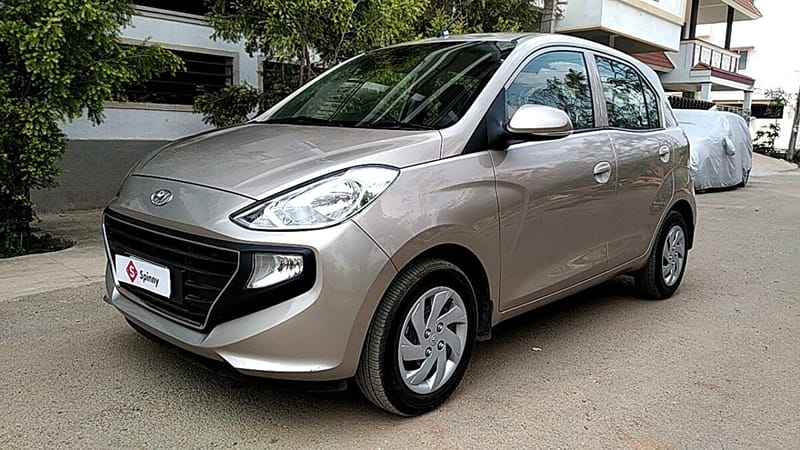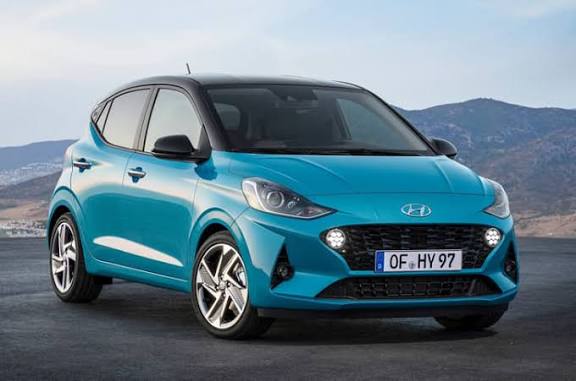
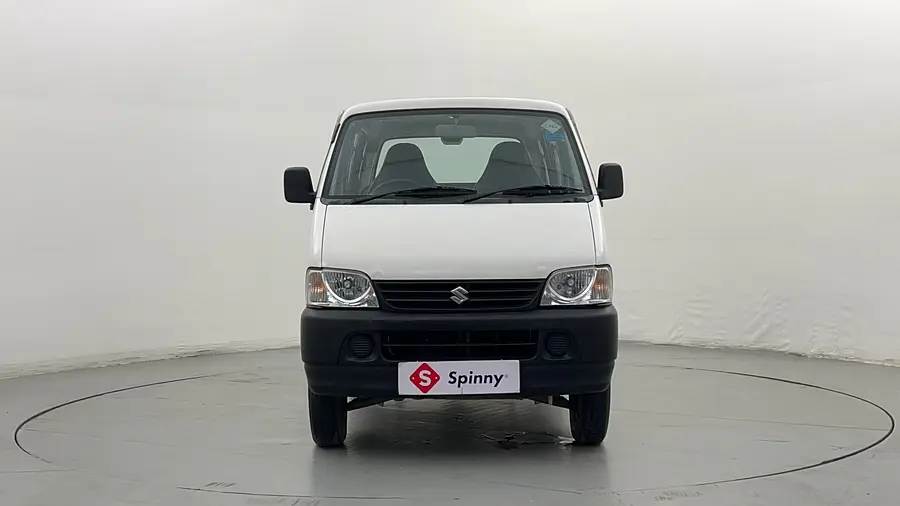
When space, affordability, and easy transportation are your top priorities, the Maruti Suzuki Eeco makes a compelling case. Its sliding rear doors and tall cabin are useful in ways that a conventional hatchback can’t quite match. But that same car may feel less appropriate if you want an automatic gearbox, more passenger comforts or seven seats for family outings.
That’s where the alternatives come into play. For budget seven-seat flexibility, you have the Renault Triber and Nissan Gravite, and the WagonR for smaller families. If you spend more, then the Ertiga or Bolero caters to different needs. Here’s how to choose which deserves a spot on your shortlist.
Table of Contents
Maruti Eeco Alternatives: Price Comparison
| Model | Starting ex-showroom price | Seating capacity | Main reason to consider |
| Maruti Suzuki Eeco | ₹5.31 lakh | 5 or 6 | Affordable van practicality |
| Renault Triber | ₹5.81 lakh | Up to 7 | Flexible family seating |
| Nissan Gravite | ₹5.73 lakh | Up to 7 | Compact seven-seat alternative |
| Maruti Suzuki WagonR | ₹4.99 lakh | 5 | Affordable everyday family use |
| Maruti Suzuki Ertiga | ₹8.95 lakh | 7 | Larger family MPV |
| Mahindra Bolero | ₹8.57 lakh | 7, including side-facing rear seats | Diesel utility |
Prices rounded from ex-showroom numbers checked in November 2026. Registration fees, insurance, equipment, and optional CNG kits are extra where applicable.
What Does the Maruti Eeco Offer?
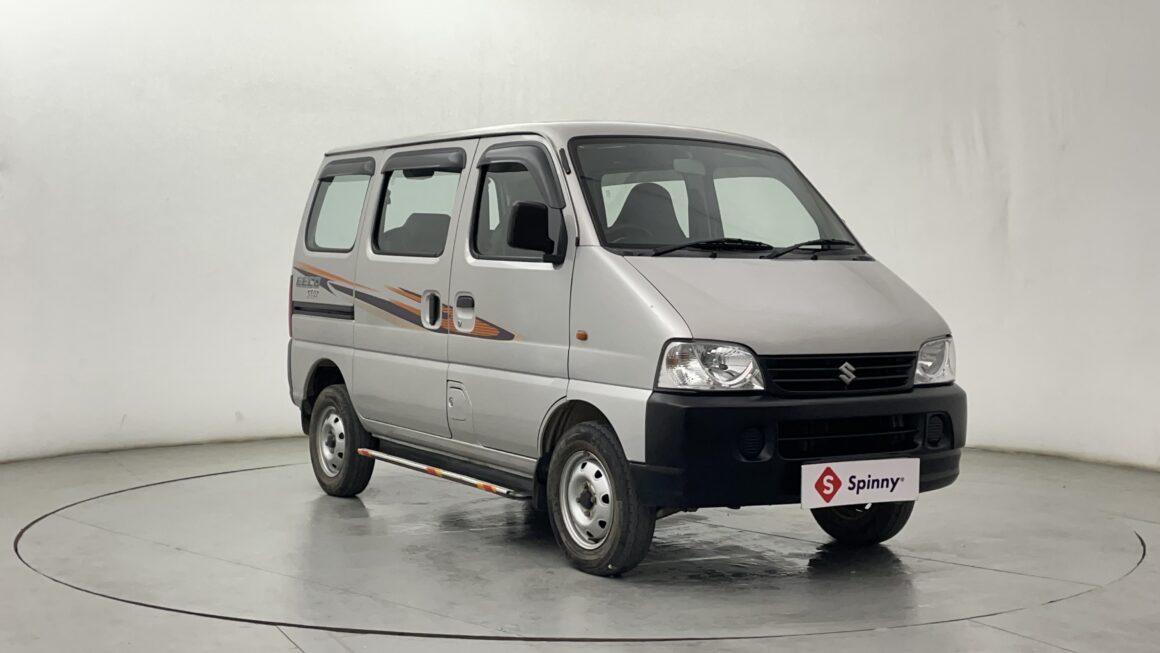
The Eeco passenger variants available now are the five-seater Standard, six-seater Standard, five-seater AC and five-seater AC CNG. The six-seater Standard is priced at around Rs 5.57 lakh, while the five-seater AC and AC CNG variants are priced at around Rs 5.64 lakh and Rs 6.48 lakh, respectively. The six-seater is not an AC version of the five-seater AC model.
The range is powered by a 1.2-litre engine and a five-speed manual gearbox. Maruti claims 19.71 km/l on petrol and 26.78 km/kg on CNG. These are certified figures, so everyday consumption will vary with traffic, load and driving conditions. But the existing passenger models also list six airbags as well as ESP as standard equipment by Maruti.
If you want a tall cabin and sliding doors for tight parking spots, it’s easy to see why the Eeco would appeal. But it doesn’t have an auto gearbox. Its basic equipment suggests buying for seating capacity alone, but you should also compare it with cars that are focused on families.
Also Read: 2026 Maruti Suzuki Eeco: Price, Specs, Images
1. Renault Triber
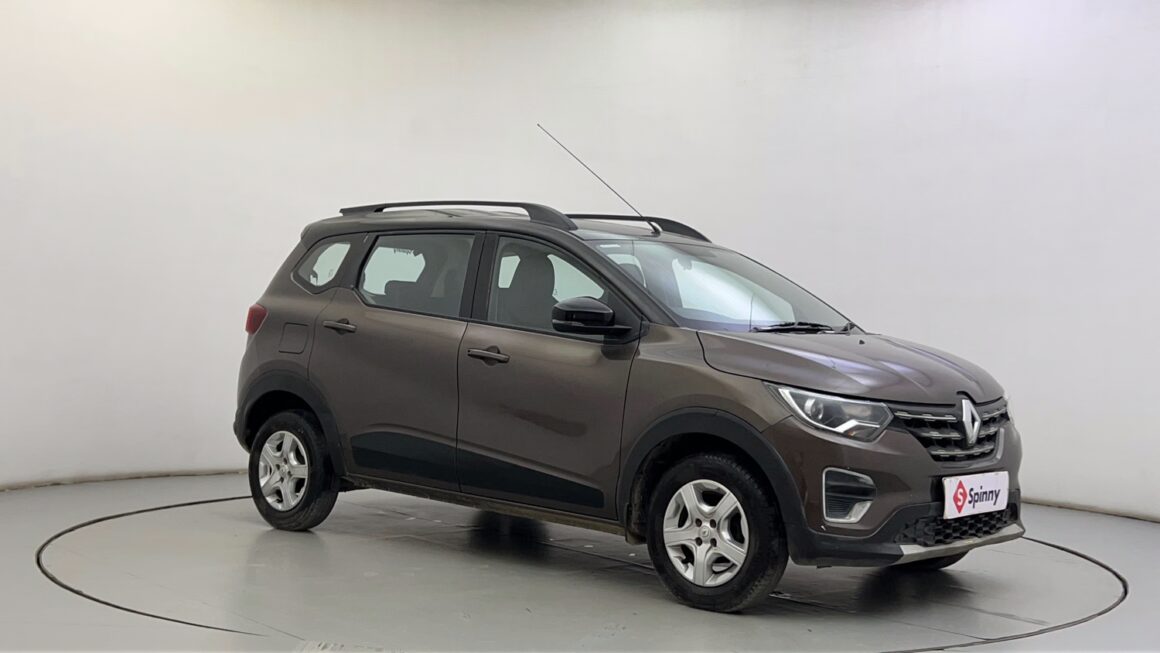
Why Consider the Triber Instead of the Eeco?
The Triber is among the most relevant alternatives to the Eeco for families. It is priced at ₹50,000 more than the standard Eeco but can seat up to seven people. Removable third-row seats create a versatile passenger/cargo carrier.
With the third row out of the way, Renault states you get 625 litres of boot space. That’s for a five-seat setup, not a full seven-seater. If you regularly have passengers in the back, Evolution and higher trims also get independent rear A/C with second- and third-row vents, which is worth noting.
Engine Choices and Trade-offs
The standard 1.0-litre petrol engine generates 72 PS and 96 Nm and comes with manual and AMT options. The range also has a turbo-petrol manual with 100 PS and 180 Nm, starting from about ₹7.85 lakh. If a buyer expects to be doing many full-load trips, then it is worth testing both engines to find out, rather than assuming that all Triber models are mechanically the same.
Choose the Triber if: You want flexible family seating near the Eeco’s budget and can spend extra for the equipment or engine you need.
Also Read: Renault Triber Alternatives: Competitors of Renault Triber
2. Nissan Gravite
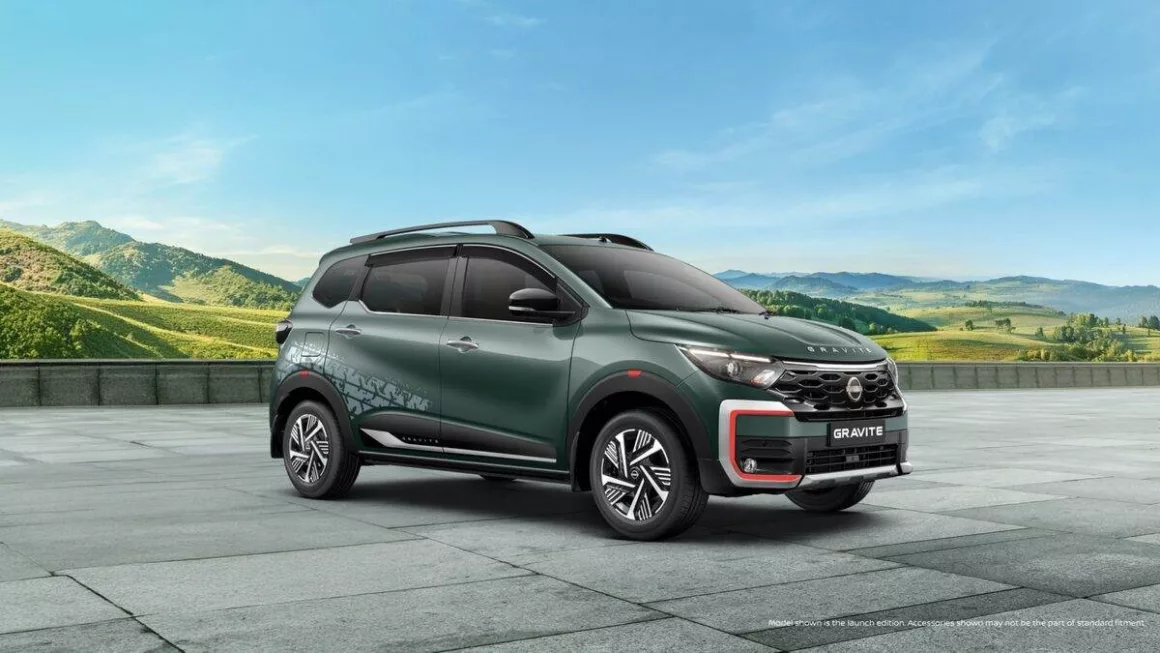
Why Consider the Gravite Instead of the Eeco?
The Gravite is another family alternative that starts at ₹ 5.73 lakh. The third row folds down so you can switch between passenger and cargo capacity. Nissan quotes 84 litres of boot space with all seven seats up, increasing to 625 litres with the rear seats folded.
That difference is worth more than the headline seven-seat label. Not much room for luggage with everyone on board, so a holiday with seven people needs more planning than the seating figure suggests.
Standard are six airbags, electronic stability control and traction control. Acenta and up get an eight-inch touchscreen with wireless smartphone connectivity and rear AC vents that are separate.
Engine Choices and Trade-offs
The Gravite is powered by a 1.0-litre petrol engine generating 72 PS and 96 Nm mated to a five-speed manual or EZ-Shift AMT. Nissan also has a separate CNG retrofit option for compatible variants. The installation price and warranty terms should be asked separately from the price of the petrol vehicle.
Choose the Gravite if: You want affordable seven-seat flexibility and its equipment, local service access, and dealer quotation suit you.
Also Read: Comparison: Nissan Gravite vs Maruti Suzuki Eeco
3. Maruti Suzuki WagonR

Why Consider the WagonR Instead of the Eeco?
Not every Eeco buyer wants six seats or a van, and that’s where the WagonR comes in. If your journeys are usually with a small family, bags of shopping and an office commute, a five-seat hatchback may do the job for less money.
The WagonR is priced at around Rs 4.99 lakh and is priced lower than the Eeco. The cabin is tall for headroom, while petrol variants have a quoted 341-litre boot. The CNG cylinder does cut down on luggage capacity, so check that version out on its own.
Engine Choices and Trade-offs
For petrol, you can opt for a 1.0-litre or a 1.2-litre engine, both with manual or AGS gearboxes. Maruti’s automated manual gearbox is called AGS. Factory CNG versions of the 1.0-litre engine are also available.
The CNG version of the entry-level model costs about ₹5.99 lakh, compared to about ₹6.48 lakh for the Eeco AC CNG. Maruti claims 33.47 km/kg for the WagonR CNG, versus 26.78 km/kg for the Eeco. Both are verified numbers, but not a guarantee of the difference you’ll notice on your commute.
The limitation is capacity. You can’t replace the Eeco’s sixth seat, sliding-door access and van-shaped interior with a WagonR.
Choose the WagonR if: Five seats are sufficient and purchase cost, city driving and an affordable automatic matter most.
Also Read: Complete Guide on Buying: Maruti Suzuki Wagon R
4. Maruti Suzuki Ertiga
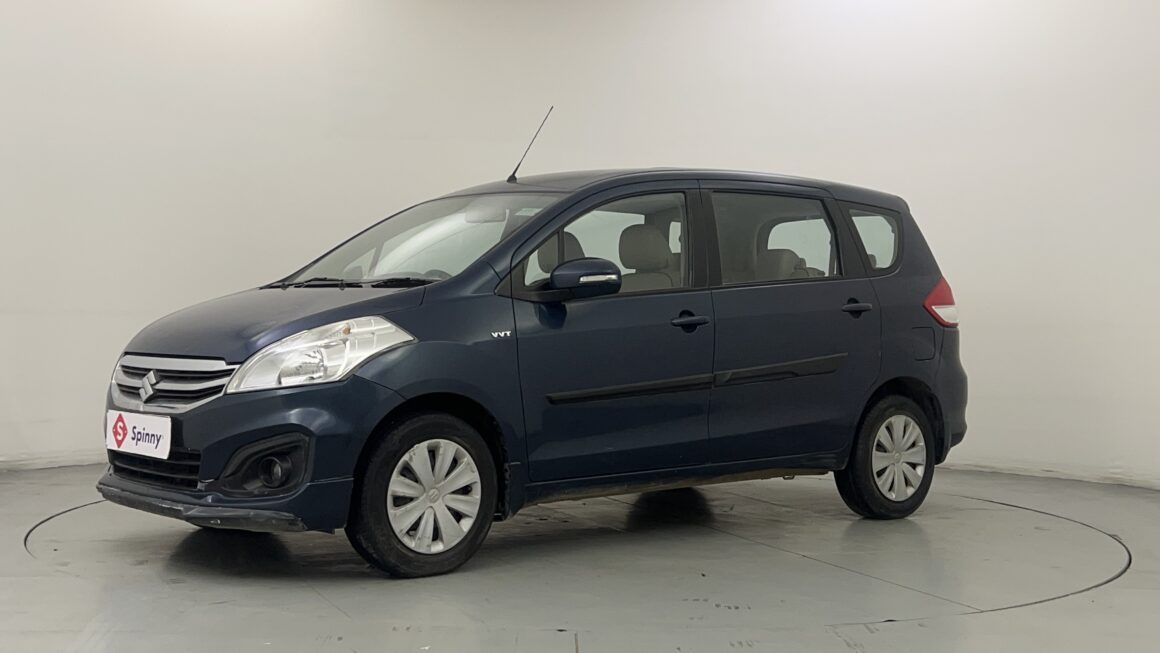
Why Consider the Ertiga Instead of the Eeco?
The Ertiga is a more significant improvement. It starts at around ₹8.95 lakh and needs another ₹3.64 lakh over the base Eeco before registration and insurance. That’s a different budget choice.
In exchange, you get a seven-seat MPV with a larger 1.5-litre engine and a cabin that’s been designed around family travel. The sliding and reclining second row helps apportion space between passengers. Still, take the family along for a seating check, especially if adults will be regular occupants of the third row.
Engine Choices and Trade-offs
Petrol variants get a five-speed manual or six-speed automatic gearbox. Manual Factory CNG Option Available. The current entry prices are around ₹11.34 lakh for the petrol automatic and ₹10.97 lakh for the CNG.
That’s why basing things on base prices can be misleading. The Ertiga that fits your needs could be a lot more than ₹8.95 lakh. CNG also influences the luggage accommodation, which is of special interest in case of all seats occupied.
The Ertiga is a test drive worth taking for families who cover longer distances, along with the smaller MPVs In the end, it is a matter of passenger comfort and how often you need the extra capacity, and whether the premium is justified.
Choose the Ertiga if: You can stretch the budget for a larger family MPV, especially when a conventional automatic or seven-seat factory CNG model is important.
Also Read: Maruti Suzuki Ertiga Variants Guide: Choose the Best Variant
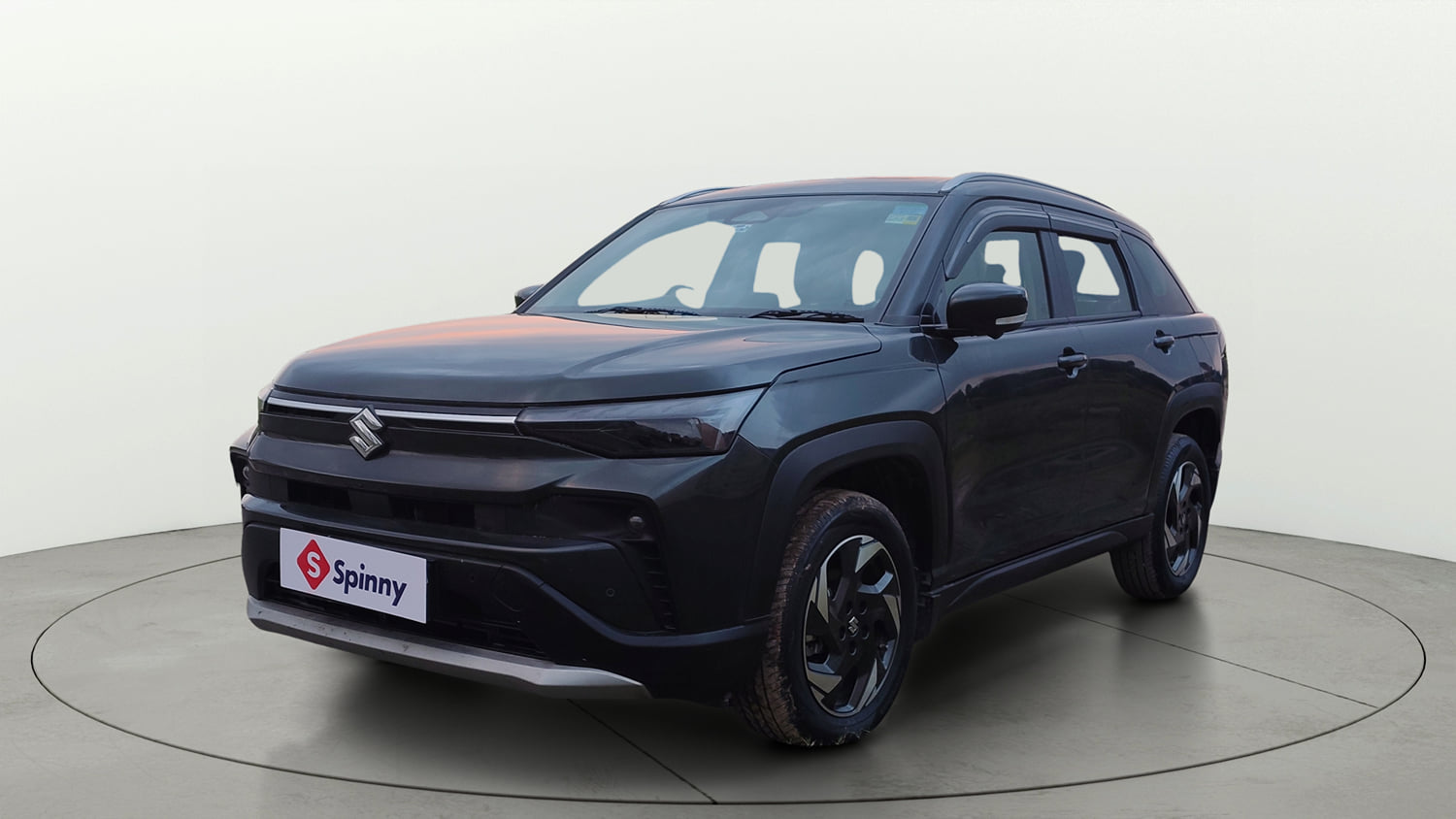
5. Mahindra Bolero
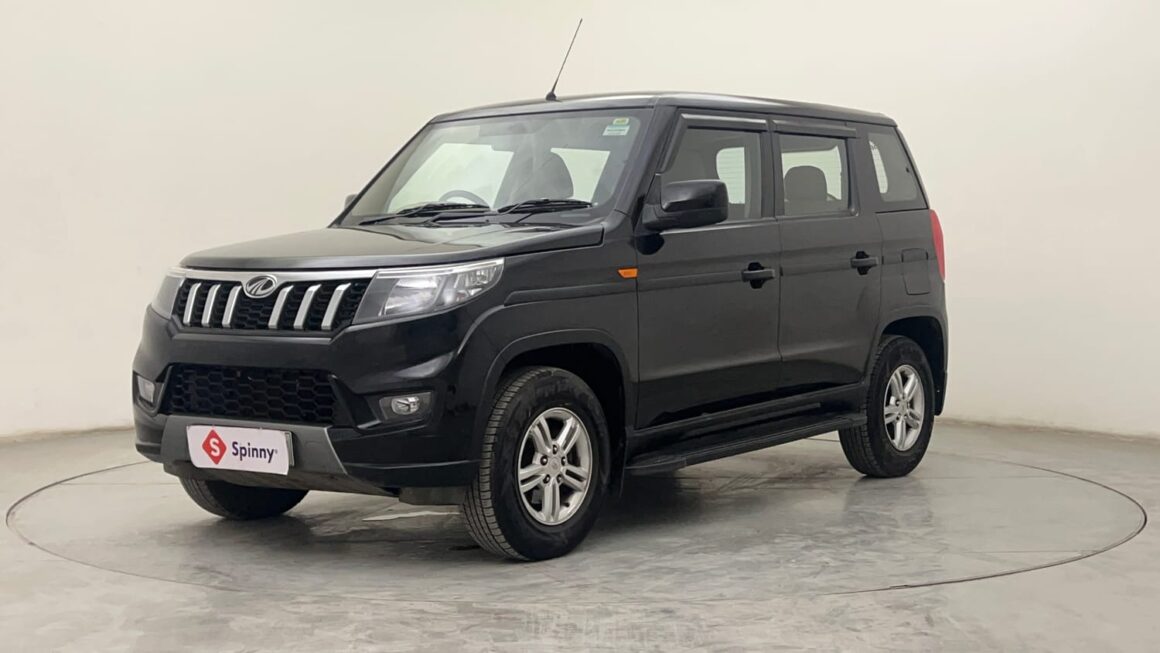
Why Consider the Bolero Instead of the Eeco?
The Bolero is another kind of alternative. It suits buyers looking beyond city family use to country travel and utility. It will cost you much more than the Eeco’s starting price of about ₹8.57 lakh, so it makes sense only if your routes and usage warrant the extra spending.
It gets a 1.5-litre diesel engine with a torque output of 210 Nm and is paired with a manual gearbox. Don’t pick it thinking it’s a four-wheel-drive SUV. It isn’t, due to the rear-wheel-drive layout.
Seating and Practical Compromises
The seven-seat description of the Bolero needs some clarification: the back seats are side-facing. This is a different setup from the forward-facing third rows in the Triber, Gravite and Ertiga. Compare only the number seven. Look at access and seating comfort closely.
It does not come with a petrol automatic or factory CNG. If your commute involves a lot of stop-and-go traffic and you mostly use your vehicle for family errands, the smaller options might be a better fit.
Choose the Bolero if: Diesel utility and your regular road conditions matter more than the convenience and seating layout of a family MPV.
Also Read: Why India Loves the Mahindra Bolero
How to Choose the Right Eeco Alternative
| Your main requirement | Start your shortlist with |
| Affordable seven-seat family flexibility | Triber and Gravite |
| Five seats and a lower purchase price | WagonR |
| An affordable automatic for city use | WagonR AGS |
| Seven seats with factory CNG | Ertiga CNG |
| A larger family MPV with a conventional automatic | Ertiga automatic |
| Diesel utility for rural routes | Bolero |
| Sliding doors and basic van practicality | Eeco |
Check the AC equipment, safety features and gearbox of the exact variant. Compare the extra purchase cost with your expected monthly fuel savings and check out the luggage space with CNG.
Should You Consider a Used Alternative?
A used Triber, WagonR or Ertiga can deliver a different level of equipment or space within reach. Compare the last buy price with the new Eeco variant you actually want.
Check service history, ownership records, accident repairs, tyre condition and performance of the AC and gearbox. Current specs can’t be assumed to carry over to an older car, as equipment varies a lot between model years.
Browse available used cars on Spinny and compare suitable examples with your budget and seating requirements.
Summary
Start with the Triber and Gravite for family use that is affordable compared to the Eeco. If you can live with 5 seats, then go for the WagonR. Else, if you can spend a bit more for a bigger MPV, try the Ertiga. The Bolero is more for a niche diesel-utilitarian.
It’s still worth considering the Eeco if sliding doors, simple layout and price directly suit your needs.
Related Reads:
Maruti Eeco Mileage: Real-World Petrol and CNG
Maruti Ertiga vs Renault Triber: Real World Mileage Comparison
Best 7 Seater Cars in India
FAQs About Maruti Eeco Alternatives
Q. Which cars are the main alternatives to the Maruti Eeco?
The Renault Triber, Nissan Gravite, Maruti Suzuki WagonR, Maruti Suzuki Ertiga and Mahindra Bolero are relevant alternatives, depending on budget, seating needs and intended use.
Q. Is the current Maruti Eeco a seven-seater?
No. The current passenger range offers five- and six-seat versions. Older used Eeco models may have different seating configurations, so check the specific vehicle.
Q. Which Eeco alternative is cheaper to buy?
The WagonR has a lower starting price, at approximately ₹4.99 lakh ex-showroom. However, it seats five and cannot replace the Eeco’s six-seat layout.
Q. Which alternatives offer an automatic gearbox?
The WagonR, Triber and Gravite offer automated manual options. The Ertiga offers a six-speed conventional automatic. Availability depends on the engine and variant.
Q. Which alternative offers seven seats and factory CNG?
The WagonR, Triber and Gravite offer automated manual options. The Ertiga offers a six-speed conventional automatic. Availability depends on the engine and variant.
Q. Is the Triber available with a turbo engine?
Yes. The current range includes a 100 PS, 180 Nm turbo-petrol manual alongside the regular 72 PS petrol engine. The turbo starts at approximately ₹7.85 lakh ex-showroom.
Q. Does the Bolero have the same seating arrangement as the Ertiga?
No. The Bolero has side-facing rear seats, while the Ertiga has a forward-facing third row. Compare the actual seating arrangements before deciding.
Q. Is a used Ertiga worth considering instead of a new Eeco?
Yes, if you need its family-oriented layout and find a well-maintained example within budget. Assess condition, service history and likely repair costs alongside the purchase price.