A big family SUV needs to serve a variety of purposes; just standing tall in the driveway is not enough. It must handle office rides, carry everyone safely, and be ready for long trips. But when you suddenly realise you will be travelling far, there is another point to consider: how often will you stop for diesel?
The Mahindra XUV 7XO and Tata Safari approach that brief with different diesel engines, but both offer manual and automatic gearboxes. Available road tests suggest that the answer on mileage depends heavily on your driving conditions. Here, we compare their recorded efficiency, explain the limitations of those results and look at fuel costs and purchase prices to help you shortlist the right version.
Table of Contents
XUV 7XO Diesel vs Safari Diesel: Specifications
XUV 7XO features a bigger engine that has a capacity of 2.2 litres, whereas Safari has only a 2.0-litre engine. The former also delivers more power and torque.
| Specification | Mahindra XUV 7XO diesel | Tata Safari diesel |
|---|---|---|
| Engine capacity | 2,184cc | 1,956cc |
| Maximum power | Approximately 185PS | 170PS |
| Manual torque | 420Nm | 350Nm |
| Automatic torque | 450Nm | 350Nm |
| Manual gearbox | Six-speed | Six-speed |
| Automatic gearbox | Six-speed torque converter | Six-speed torque converter |
| Fuel tank | 60 litres | 50 litres |
| Drive layout | Front-wheel drive; AWD on selected automatics | Front-wheel drive |
Both designs are offered with either six or seven seats due to differences in variations. Think whether you will need a six-seat or a seven-seat option and the actual necessity of all-wheel drive before checking prices. Due to extra equipment and variances in the drivetrain, one should not hope for uniform mileage figures across all variants.
Claimed Mileage: Keep It Separate From Road Tests
The reported mileage should be taken as a guideline but not as the basis of the budget for fuel expenses for the month. Laboratory tests are not able to capture every possible variable of driving conditions such as traffic level, number of passengers, weather, and driving style. This is especially true for large SUVs that spend all their time in the city.
Reference publications indicate that the Safari diesel engine has a fuel efficiency of around 16.3 km/l for manual transmission and approximately 14.1 km/l for automatic transmission (some listings show up to 14.7 km/l). As Mahindra has not published ARAI figures for the XUV 7XO, assigning any figure to the XUV 7XO would lead to an inaccurate comparison.
| Diesel version | Published claimed mileage |
|---|---|
| XUV 7XO manual | Official figure not verified |
| XUV 7XO automatic | Official figure not verified |
| Safari manual | Approximately 16.3km/l |
| Safari automatic | Approximately 14.1km/l |
Real-World Mileage: The Recorded Results
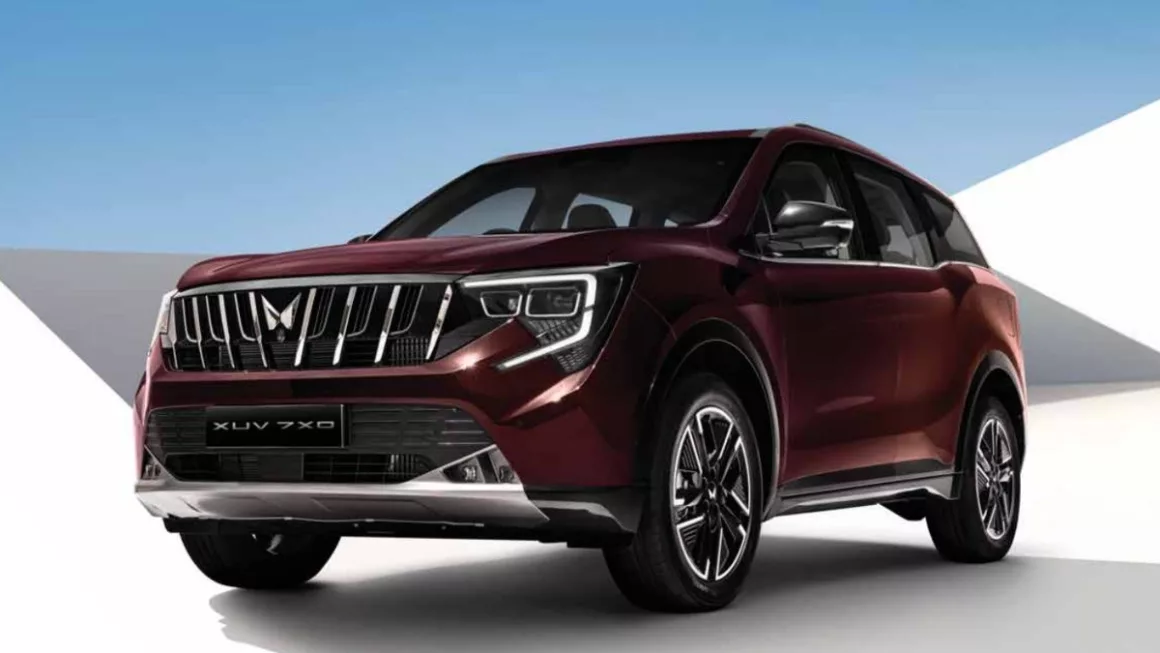
Separate tests from the same testing outlet recorded the following results. The XUV 7XO automatic report was published in May 2026, while the facelifted Safari automatic report dates to March 2024. These are useful reference points, but they were not a simultaneous head-to-head test.
| Diesel automatic | City mileage | Highway mileage |
|---|---|---|
| Mahindra XUV 7XO | 9.64km/l | 18.9km/l |
| Tata Safari | 10.97km/l | 13.94km/l |
In terms of vehicle performance in urban conditions, the Safari was ahead of its competitor, whereas Mahindra had better performance on highways. The gaps between them shouldn’t be treated as conclusive, since these results came from different time periods and conditions.
Another independent XUV 7XO automatic test returned 11.28km/l in the city and 14.91km/l on the highway, with Zip mode selected and stop-start active. The variation shows why one result cannot describe every journey. Treat the numbers as evidence of what happened during particular tests, rather than a promise about your commute.
City Mileage: Look Beyond the Headline Number
The Safari was 1.33 km/l ahead in the city in the first set of tests. However, the second, independent XUV 7XO test recorded 11.28 km/l in the city, ahead of the Safari’s 10.97 km/l. Hence, it would not be wise to declare an outright city winner based upon just the results above.
Think about the kind of traffic you actually face. A commute with long stationary queues is very different from one with slow but continuous movement. Both may take an hour, yet the distance covered and fuel consumed can be quite different. Air-conditioning use, repeated acceleration, and time spent idling add to that variation.
An automatic transmission can simplify these journeys by eliminating repetitive clutch use, which can be very useful when several family members will drive this car. During a test drive, it is necessary to check the low-speed smoothness, the visibility, and the parking confidence before even looking at the economy indicator.
Also Read: Mahindra 7XO Complete Buying Guide
Highway Mileage: Where the Mahindra Looks Promising
The XUV 7XO’s highway results show encouraging potential, although the spread between independent tests is substantial. This supports a cautious conclusion: it can be efficient on longer journeys, but expecting the best reported figure every time would be optimistic.
Manual purchasers have another guide. The other test conducted in April 2026 on the XUV 7XO diesel manual reported that its mileage is 11.12 km/l in urban places and 20.4 km/l on highways. The high-speed driving was done at speeds of around 95 km/h. Those figures are relevant for the manual and cannot be taken as the mileage of the automatic version.
For either SUV, steady progress generally gives a more useful efficiency picture than a short stretch showing an unusually high dashboard reading. Hills, luggage, passengers and repeated overtaking can change consumption. Judge a holiday’s mileage over the complete trip, including urban exits and local sightseeing, rather than its easiest expressway section.
Monthly Fuel Costs: Your Driving Mix Changes the Answer
As a comparison case in point, let us assume that we have 1,500km of driving each month, with diesel prices at ₹95/litre. These estimates use the first set of automatic test results to show how driving conditions affect cost; they are illustrations, not predictions.
| Monthly driving pattern | XUV 7XO diesel AT | Safari diesel AT |
|---|---|---|
| Entirely city | Approximately ₹14,782 | Approximately ₹12,990 |
| Entirely highway | Approximately ₹7,540 | Approximately ₹10,222 |
| Half city, half highway by distance | Approximately ₹11,161 | Approximately ₹11,606 |
In the case of the mixed calculation, 750 kilometres is divided by the values for each city and 750 kilometres by each highway figure; then the fuel quantities produced are aggregated and multiplied by the price of diesel fuel. The average of the two figures for km/l alone does not represent equal distances.
Build your own budget using the local pump price and a conservative mileage assumption. Keep a separate allowance for servicing, tyres, insurance and any finance payments. A modest fuel saving can easily become less important than the difference in purchase price or the condition of a used vehicle.

XUV 7XO Diesel vs Safari Diesel: Price Comparison
If you want a diesel, compare diesel variant prices rather than the lower petrol starting prices. Please look at the different variants listed below as good options to ascertain manual and automatic costs. These are roughly priced and are indicative prices per ex-showroom, checked in November 2026.
| Selected diesel variant | Gearbox | Approximate price |
|---|---|---|
| Mahindra XUV 7XO AX | Manual | ₹15.36 lakh |
| Mahindra XUV 7XO AX3 | Automatic | ₹18.38 lakh |
| Tata Safari Smart | Manual | ₹14.85 lakh |
| Tata Safari Pure X | Automatic | ₹19.45 lakh |
The Safari Smart manual is the most affordable of these variants, while the selected Mahindra automatic costs less than the selected Safari automatic. Keep in mind that the different equipment packages mean that the table should help you compare models as opposed to confirming that one is better than the other. Compare the features and seating configurations available on your chosen variants.
On-road prices add registration, insurance and applicable charges. Paint choices, accessories and offers can also change the quotation. For used cars, compare the actual asking price against age, kilometres, service history and condition.
Fuel Tank Range and Everyday Practicality
The 60-litre tank of the Mahindra carries an extra ten litres when compared to that of the Safari. At the same average mileage of 14 km/l, this difference translates into a theoretical increase of 140 km in terms of km travelled.
A bigger tank can reduce the frequency of stops, but it also costs more to fill completely. Your cost per kilometre still depends on consumption, not how impressive the distance-to-empty display looks after refuelling. Always keep a reserve when planning journeys through places with fewer fuel stations.
Take a family out on a test drive to check practical details that mileage tables don’t reveal. Make sure that access to the third row is easy, that your usual passengers have enough knee room, and that everything you need to carry can fit with the seats you require in place. These points will affect all trips you make and can matter more than a small difference in fuel price.
Also Read: Complete Guide to Buying a Tata Safari
How to Improve Mileage and Choose the Right Diesel

Progressive acceleration, sensible cruising speeds and the correct tyre pressures are useful starting points. Avoid carrying unnecessary weight and follow the manufacturer’s maintenance schedule. In a manual, choose a suitable gear without forcing the engine to pull at very low revs; in an automatic, avoid unnecessary bursts of acceleration between queues.
Track mileage on a few refills from the same fuel pump and take note of the distance travelled and the number of litres put into the tank. Although dashboard readings provide information about trends, a single short trip is not a good measure of fuel consumption.
Consider your trip pattern before choosing diesel. Frequent short runs and prolonged slow traffic can interfere with diesel particulate filter regeneration. Follow the vehicle’s own manual if a warning appears. If most journeys are brief errands, compare ownership suitability carefully instead of assuming diesel is automatically the economical choice.
Which SUV Should You Choose?
The XUV 7XO is certainly worth considering if one is in pursuit of an ideal diesel car suitable for long highway conquests. The highway performance scores of the vehicle seem impressive as well. For buyers who like the cabin of the Tata Safari better, there is also an option available with a more competitive price tag for the diesel manual version.
There is no dependable all-condition mileage winner from these separately conducted tests. Choose the transmission and seating layout first, compare the appropriate variants, and use realistic fuel assumptions. For a used purchase, a well-maintained example should carry more weight than a small difference between published numbers.
At Spinny, you can check out pre-owned car listings that fit your budget and analyse each vehicle’s specifications. If a used XUV700 is also on your list, remember that the XUV 7XO is its January 2026 facelift; check the XUV700’s own specs and test results separately.
Related Blogs:
Mahindra Scorpio N vs Mahindra XUV 7XO Real-World Mileage Comparison
Tata Safari Alternatives: Competitors of Tata Safari
FAQs about Mahindra XUV 7XO Diesel and Tata Safari Diesel Mileage Comparison
Q. Which SUV gives better real-world diesel mileage?
The cited reports show the Safari ahead in city use and the XUV 7XO ahead on the highway. However, they were tested separately, and another Mahindra test produced different results. Neither is a guaranteed winner everywhere.
Q. What mileage did the XUV 7XO diesel automatic return?
One test recorded 9.64km/l in the city and 18.9km/l on the highway. Another recorded 11.28km/l and 14.91km/l respectively. Traffic, driving modes and conditions help explain why expectations need a margin.
Q. What is the Safari diesel automatic’s tested mileage?
A March 2024 test of the facelifted Safari diesel automatic recorded 10.97km/l in the city and 13.94km/l on the highway. These are historical test results, not a fresh test of every current variant.
Q. Is the XUV 7XO diesel manual more efficient?
Its separate test returned 11.12km/l in the city and 20.4km/l on the highway. Those results look encouraging, but a manual’s efficiency still depends on gear selection, traffic, speed and driver inputs.
Q. Which diesel SUV costs less to buy?
Among the selected entry variants, the Safari Smart manual costs approximately ₹14.85 lakh, against ₹15.36 lakh for the XUV 7XO AX manual. Compare automatic variants separately because their entry prices and equipment differ.
Q. Does the XUV 7XO have a larger fuel tank?
It has a 60-litre tank, compared with the Safari’s 50 litres. This can mean fewer refuelling stops, but actual range depends on achieved mileage and the fuel reserve you maintain.
Q. Does the Safari diesel offer all-wheel drive?
The Safari diesel is front-wheel drive. Selected XUV 7XO diesel automatic variants offer all-wheel drive. Check the exact drivetrain when comparing specifications, prices and mileage expectations.
Q. Are these diesels suitable for short city journeys?
Occasional short trips are different from a routine consisting almost entirely of brief, slow journeys. Consider the particulate filter’s operating needs, annual distance and purchase price. Follow the model-specific manual for maintenance and warning messages.